Dynamic Compaction
Dynamic compaction is a ground improvement technique that involves dropping heavy weights from a significant height to increase soil density, improve its engineering properties, and achieve deep ground improvement. This method is used to treat loose soils, uncontrolled fill, and other problematic ground conditions by applying high‑energy impacts that rearrange soil particles, collapse voids, and create a more uniform and stable foundation layer.
Compared to alternative solutions, dynamic compaction is a cost‑effective ground improvement method that allows for rapid improvement and eliminates the need for material import. It is especially valuable for large project sites where traditional foundation approaches may be less practical or economical.
Dynamic compaction was introduced in the USA by Menard in 1978 after being developed by Menard’s parent company in France and has been used successfully on thousands of projects around the world.

Key Elements
WHAT IS IT?
Invented and developed by Louis Menard, dynamic compaction is an in‑situ ground improvement technique that involves repeatedly dropping heavy weights—often steel pounders weighing 10 to 30 tons—from significant height onto the ground surface to increase soil density, improve its structural behavior, and achieve deep ground improvement across a site.
This method is particularly effective for loose soils, variable fills, granular soils, rubble fills, and even landfills, where the applied impact energy rearranges soil particles, collapses voids, and forms a denser and more reliable foundation layer
Dynamic compaction is suitable for a wide range of site conditions, including both dry and saturated conditions, and is often selected when projects demand a practical and economical solution that can treat a large area without importing additional materials. The technique is widely used for industrial facilities, warehouses, transportation infrastructure, and other sites requiring deep densification and increased bearing capacity.
HOW DOES IT WORK?
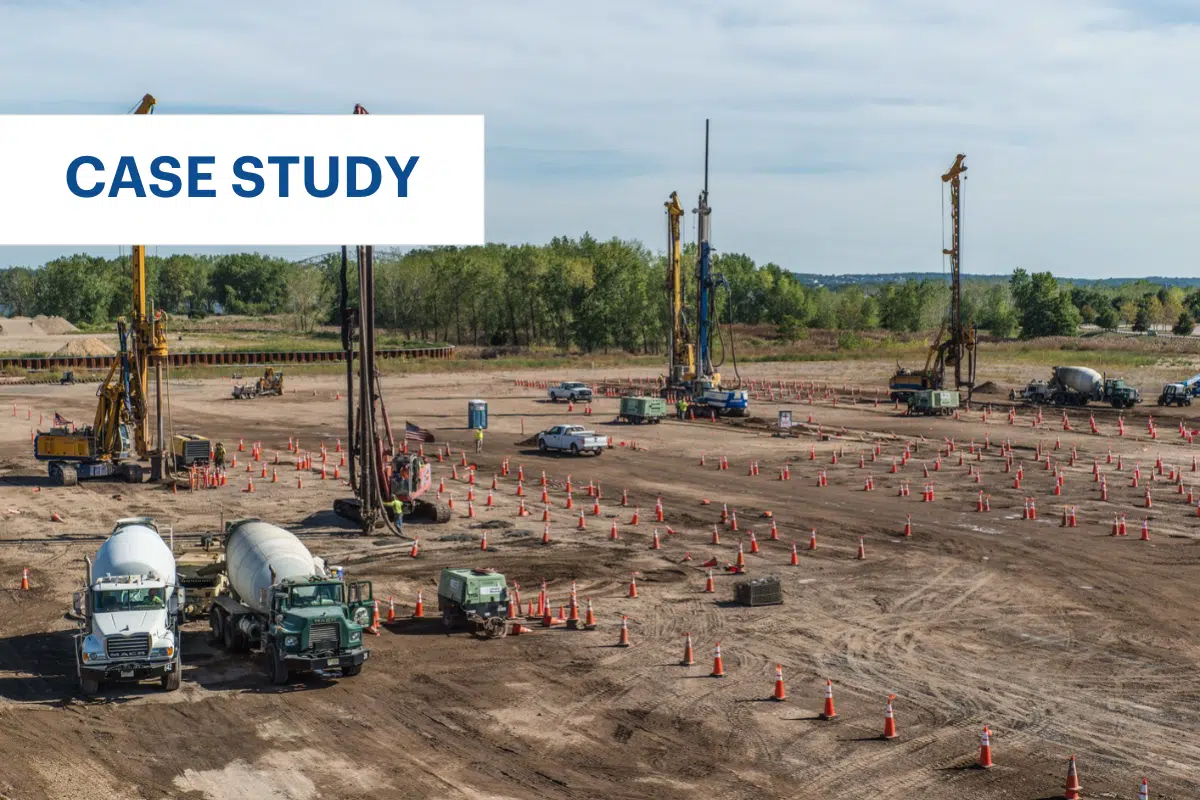
Dynamic compaction works by applying controlled, high‑energy impacts to the ground surface through a systematic grid pattern of predetermined drop points. The process begins with a detailed site assessment to determine soil conditions, required improvement, depth, and the appropriate design of the treatment program. Engineers evaluate groundwater, fill variability, and the site’s geometry to establish the optimal drop pattern, number of drops, and energy applied.
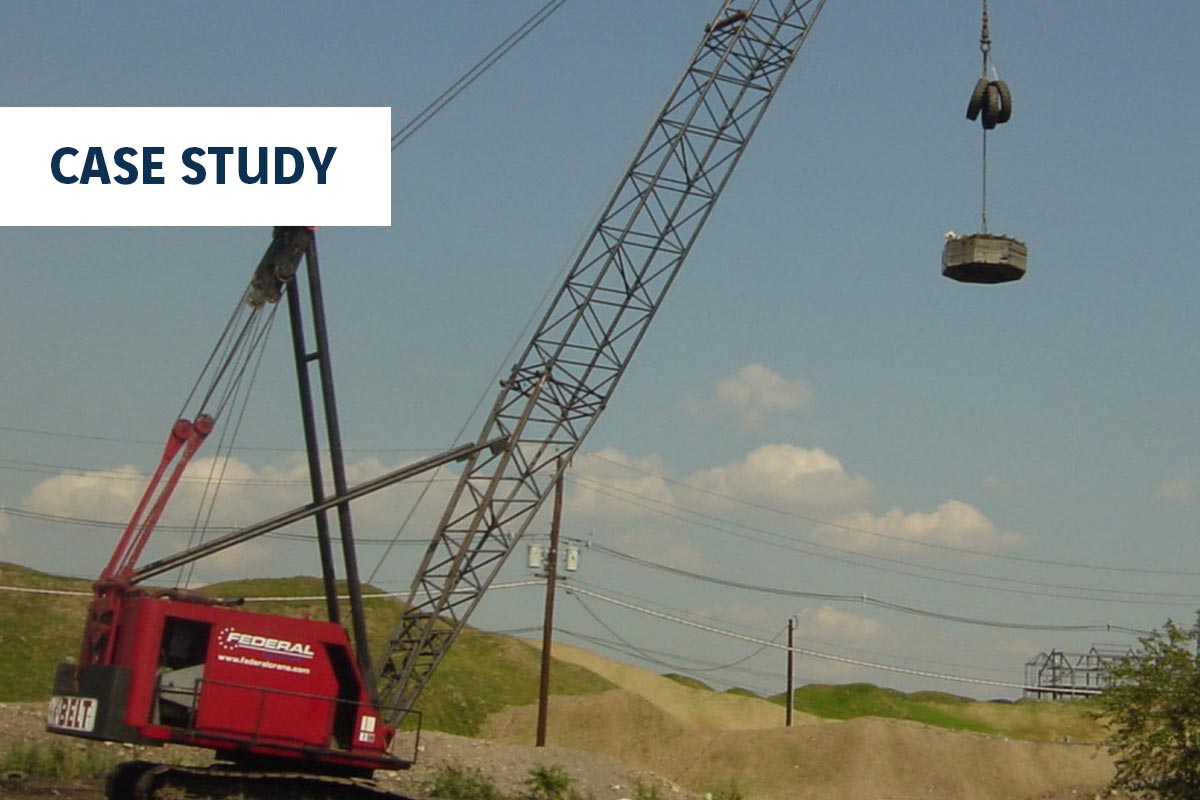
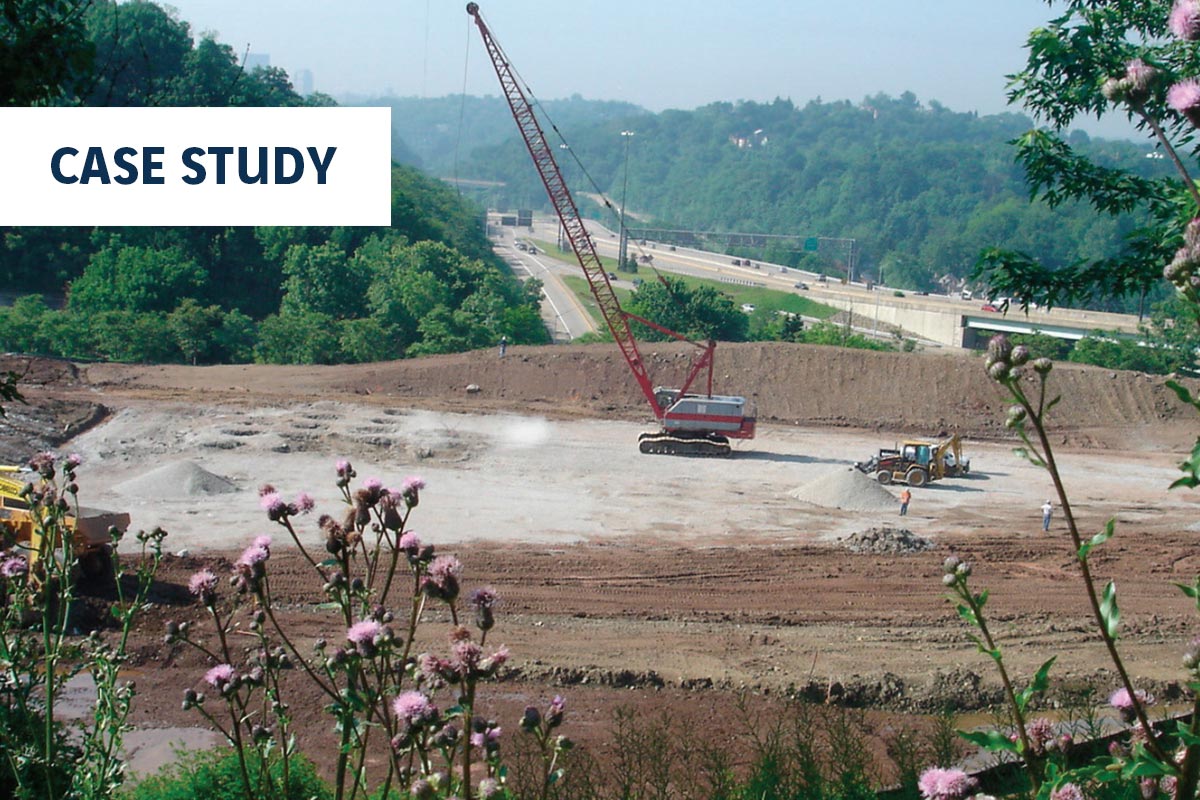
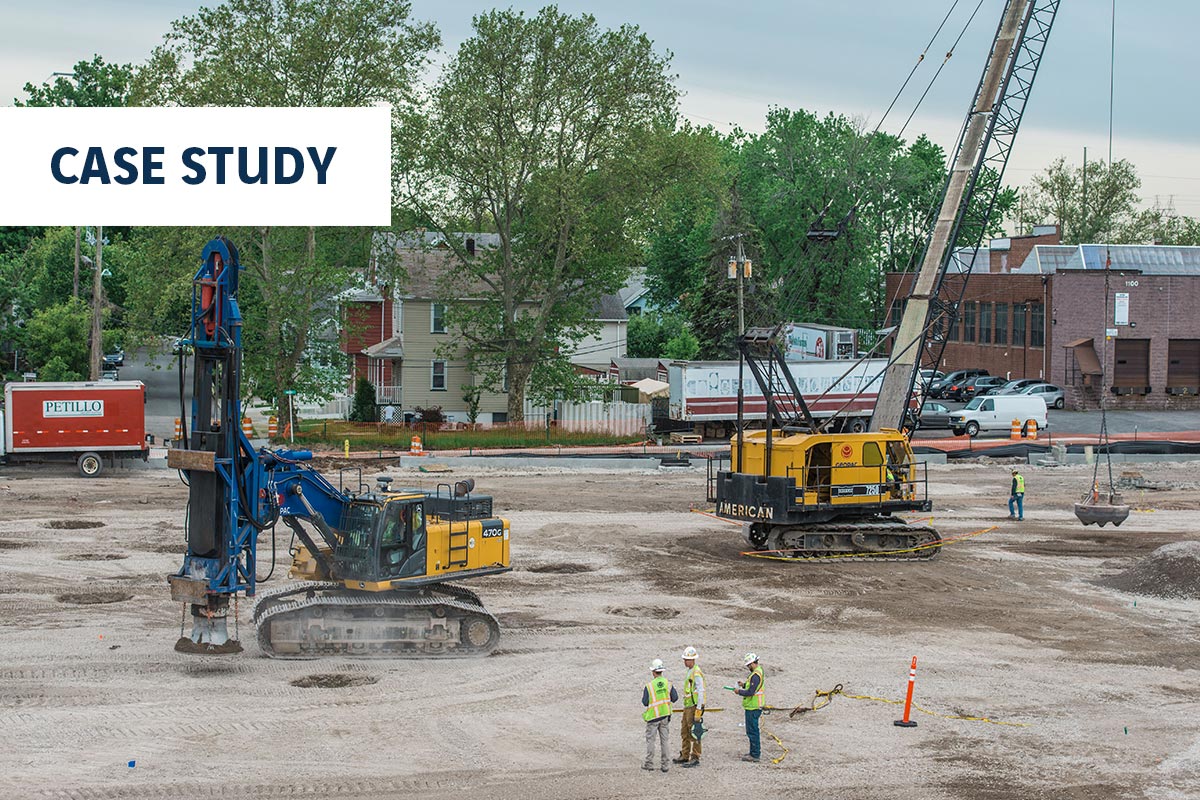
The technique involves dropping heavy weights—typically 10 to 30 tons—in virtual free fall from 30 to 80 feet. Each weight drop generates high‑energy shockwaves that propagate downward, compacting loose soils, densifying granular soils, and collapsing subsurface voids. These repeated weight impacts improve soil stiffness, increase density, and create a more uniform foundation layer suitable for construction.
During treatment, the crane moves across the site following the engineered grid layout to ensure consistent impact energy distribution. Multiple phases may be used, including primary energy passes followed by a surface “ironing pass” to compact the upper layers and improve final surface uniformity. Engineers monitor progress continuously, using field testing and settlement measurements to evaluate results, verify post‑treatment performance, and ensure required quality assurance standards are met.
WHY USE IT?
Dynamic compaction is widely used because it significantly increases the bearing capacity of loose soils, granular soils, and variable fill, creating stronger, more reliable ground for foundation support. By applying high‑energy impacts that collapse voids and densify soil particles, the technique delivers substantial improvement to both the strength and uniformity of the treated ground. This makes it an effective choice for projects requiring enhanced performance of shallow foundations or the elimination of deep foundation systems.
Dynamic compaction also helps mitigate the potential for soil liquefaction in seismic environments. By densifying sands and other liquefaction-susceptible materials, the technique enhances the soil’s ability to resist sudden strength loss during seismic events, providing an added degree of safety and resilience for critical structures.
Beyond performance benefits, dynamic compaction is highly cost‑effective for large areas because it does not require importing material, removing unsuitable soils, or installing deep foundations. The process is straightforward, environmentally efficient, and produces minimal spoil, while offering faster schedules than many alternative improvement methods.
Advantages of Dynamic Compaction
Dynamic compaction provides powerful benefits for large projects, major infrastructure development, and sites requiring deep ground improvement across a wide area. The technique offers economic, environmental, and performance‑based advantages that support fast‑paced, large‑scale construction projects while ensuring long‑term ground stability. Key advantages include:
Download our dynamic compaction technique sheet:
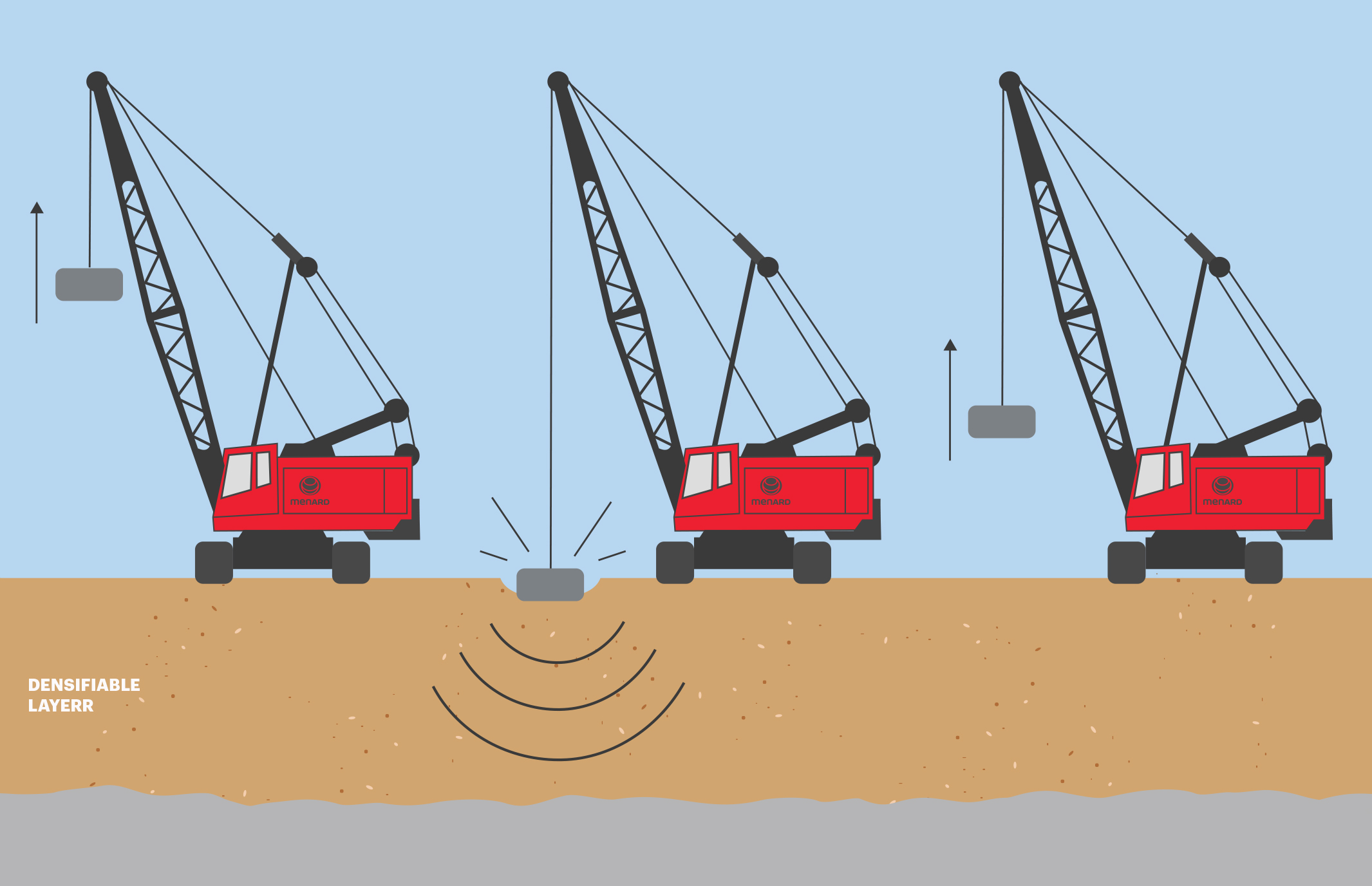
Dynamic compaction is performed by repeatedly dropping heavy weights on the ground in a predetermined grid pattern.
Applications for Dynamic Compaction
Dynamic compaction is widely used across a broad range of projects requiring ground improvement, increased bearing capacity, or mitigation of settlement in loose soils, uncontrolled fill, and variable site conditions. The technique is especially effective for large areas where high‑energy densification is required to meet demanding construction and performance criteria.
Dynamic compaction is highly adaptable and can be tailored to the site, soil conditions, and depth of required improvement, making it a versatile solution for a wide range of markets and projects.
Frequently Asked Questions About Dynamic Compaction
Yes. Dynamic compaction is highly effective on granular soils, where energy transfer allows soil particles to rearrange into a denser state. It is also commonly used to improve mixed fills, rubble fills, and uncontrolled fill materials. In some cases, dynamic compaction is evaluated alongside other high‑energy ground improvement methods, such as rapid impact compaction, depending on the required depth and soil conditions.
Absolutely. Dynamic compaction is one of the most cost‑effective ground improvement options for large areas, especially compared to deep foundations or removal‑and‑replacement. Because the technique does not require imported material and generates no spoil, it reduces hauling, disposal, and construction effort while delivering substantial improvement across wide sites.
The time a dynamic compaction project will take depends on several factors:
- Size of the area
- Required depth and degree of improvement
- Number of drops per point and grid spacing
- Soil conditions and variability
- Weather and site access
A “typical” project may last from a few days for small pads to several months for large‑scale sites. Production rates are generally high because the method delivers a significant amount of energy in a short duration.
Dynamic compaction typically uses:
- A crawler crane capable of safely lifting and dropping heavy weights repeatedly
- Steel pounders or heavy weights (10 to 30 tons) designed to withstand repeated impact
- Survey and monitoring equipment for crater measurement, settlement tracking, and quality control
This combination allows the crew to apply consistent impact energy and maintain tight control over the improvement process.
Contact Us
Whether you’re evaluating dynamic compaction for a new project or looking for guidance on the most effective ground improvement techniques in general, our team is here to help. Menard USA specializes in delivering safe, efficient, and cost‑effective solutions tailored to your site conditions, performance requirements, and overall project goals.
Our engineers can support you from early feasibility studies through full design‑build delivery. If you’d like to discuss your site, request a proposal, or learn more about how dynamic compaction can benefit your next project, we’re ready to partner with you.
Get in touch with our team today.
We’ll help you determine the right approach — and get your project moving forward with confidence.