Controlled Modulus Column (CMC)® Rigid Inclusions
Controlled Modulus Columns (CMC)® rigid inclusions, often referred to simply as rigid inclusions, are vertical grouted elements typically installed using displacement drilling to reinforce weak or compressible soils. CMCs were developed by Menard’s French affiliate, Menard Soltraitement, in 1994 and were patented in the United States in 1999. Menard completed its first U.S. CMC rigid inclusion project while supporting a Lowe’s Home Improvement Store in South Burlington, Vermont. Since then, with broad industry acceptance, rigid inclusions have become a trusted ground improvement solution for improving bearing capacity, reducing settlement, and supporting a wide range of structures on problematic soils.
WHAT ARE CMCs?
Controlled Modulus Columns (CMC)® rigid inclusions, often referred to simply as rigid inclusions, are vertical grouted elements typically installed using displacement drilling to reinforce weak or compressible soils. CMCs were developed by Menard’s French affiliate, Menard Soltraitement, in 1994 and were patented in the United States in 1999. Menard completed its first U.S. CMC rigid inclusion project while supporting a Lowe’s Home Improvement Store in South Burlington, Vermont. Since then, with broad industry acceptance, rigid inclusions have become a trusted ground improvement solution for improving bearing capacity, reducing settlement, and supporting a wide range of structures on problematic soils.
HOW DO CMCs WORK?
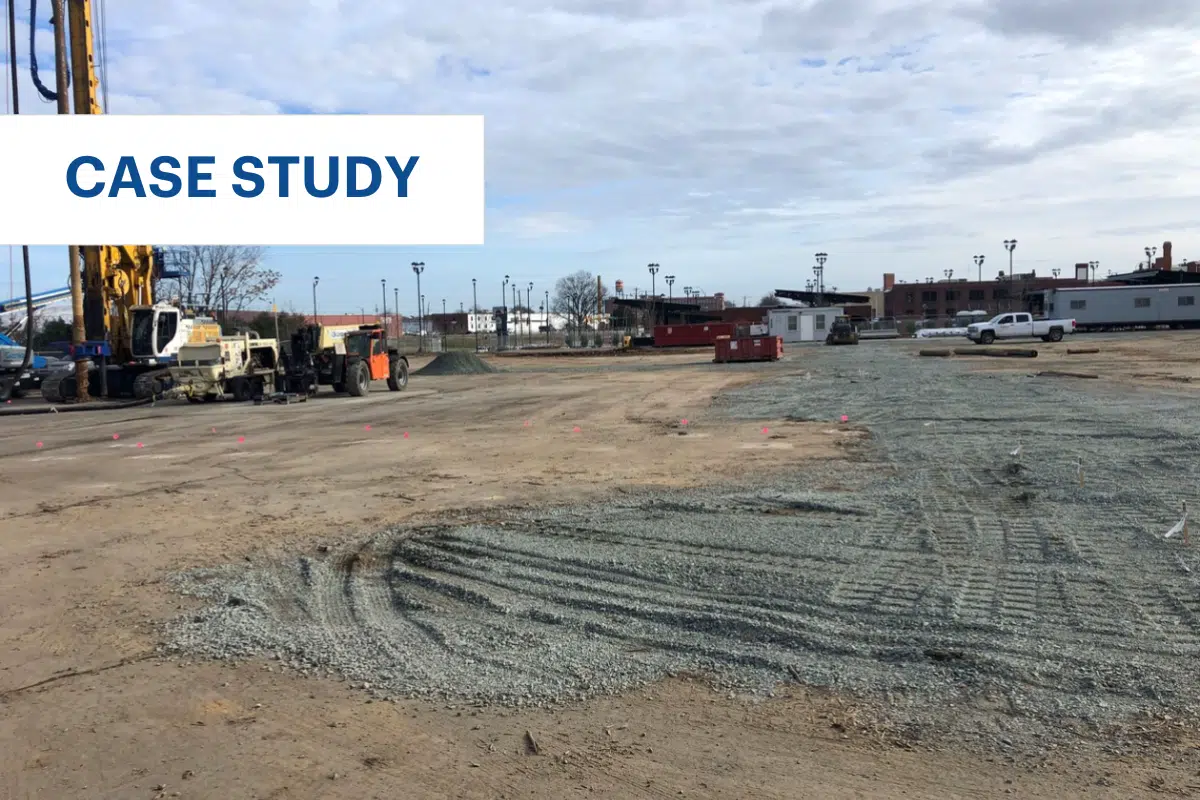
This ground improvment method functions as part of a composite ground system where loads are shared between the rigid columns and the surrounding soils, resulting in increased system stiffness. Once installed, a load transfer platform typically made of compacted granular material is constructed above the top of the columns. This platform helps transfer loads through soft soils and into a competent bearing layer, ensuring reliable structural performance even when near‑surface soils are weak or variable.
WHY USE CMCs?
CMCs are often selected as a foundation solution because they significantly improve bearing capacity and reduce settlement in challenging soil conditions. They perform exceptionally well in soft soils, where traditional methods may be less efficient or more costly. The displacement installation process also generates minimal spoil, making rigid inclusions especially suitable for sites with contamination, since less material needs to be handled, treated, or disposed of. These combined benefits make rigid inclusions a dependable and efficient approach for improving ground performance beneath a wide range of structures.
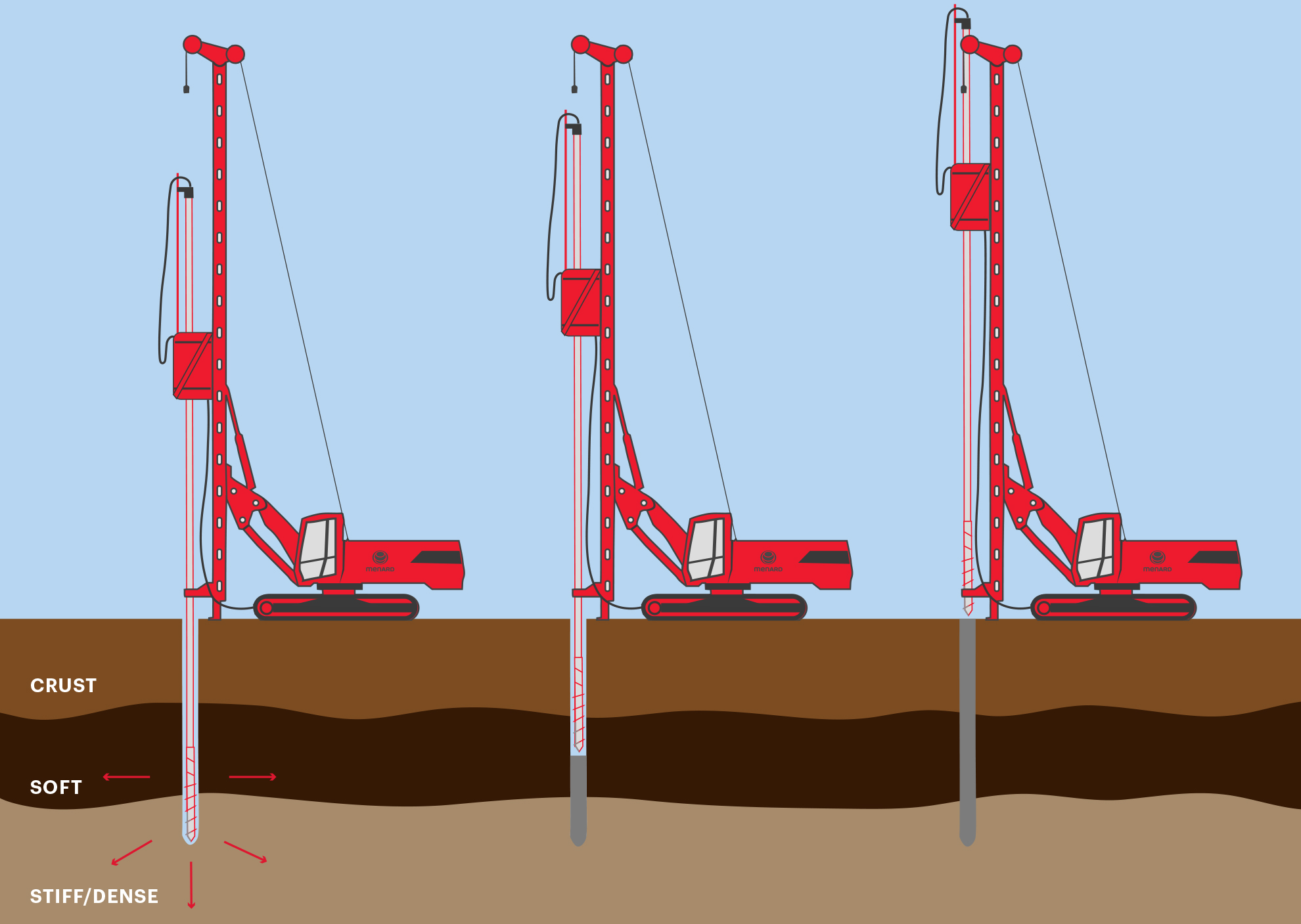
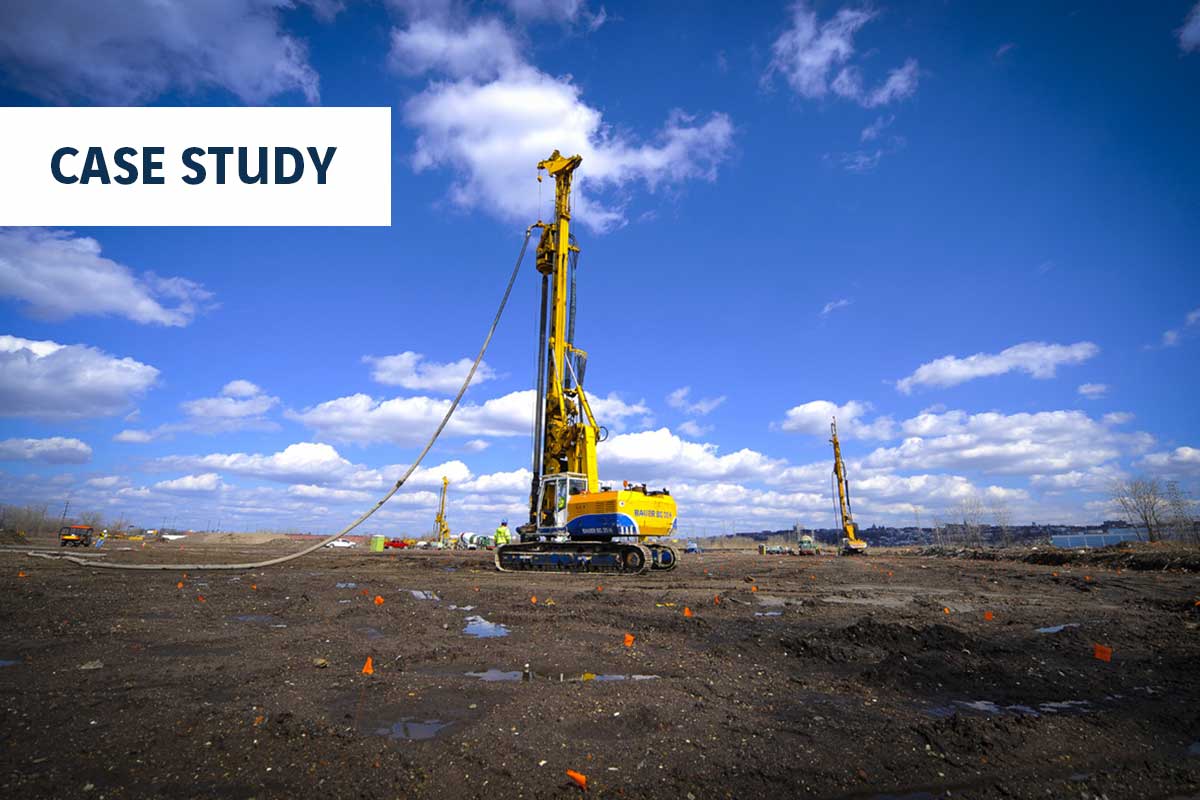
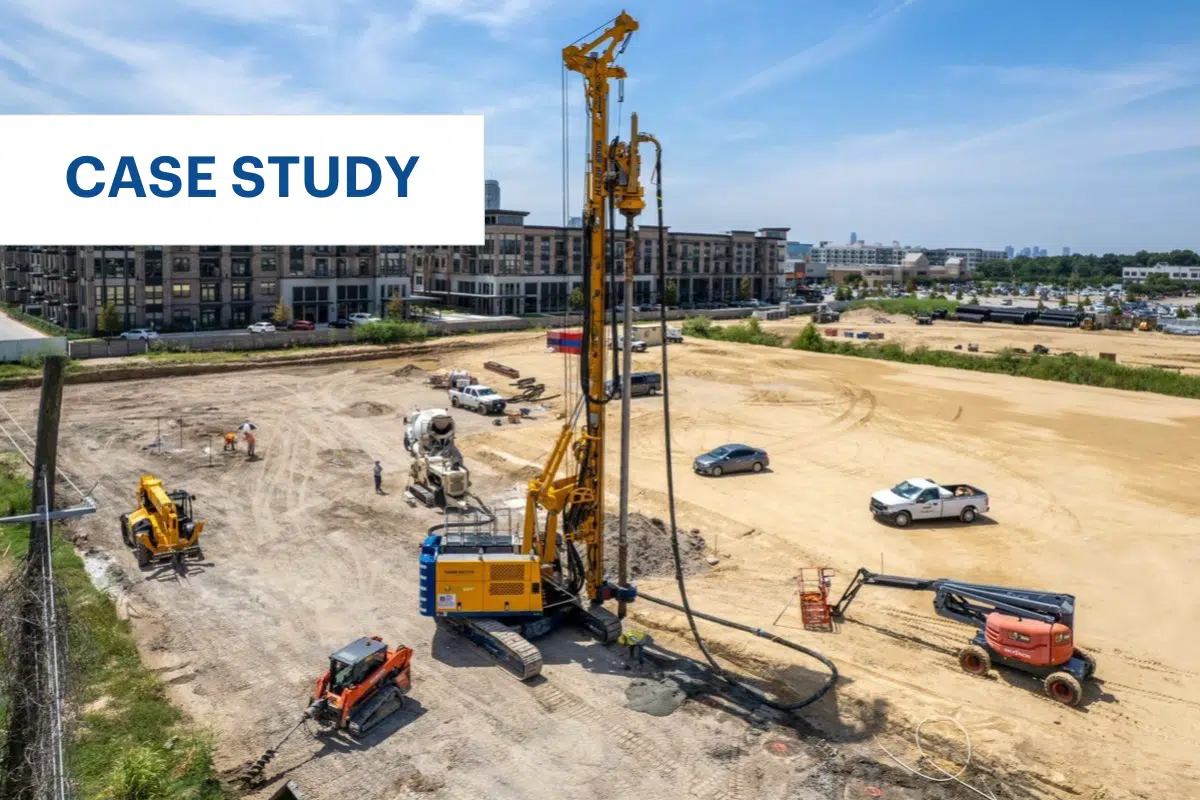
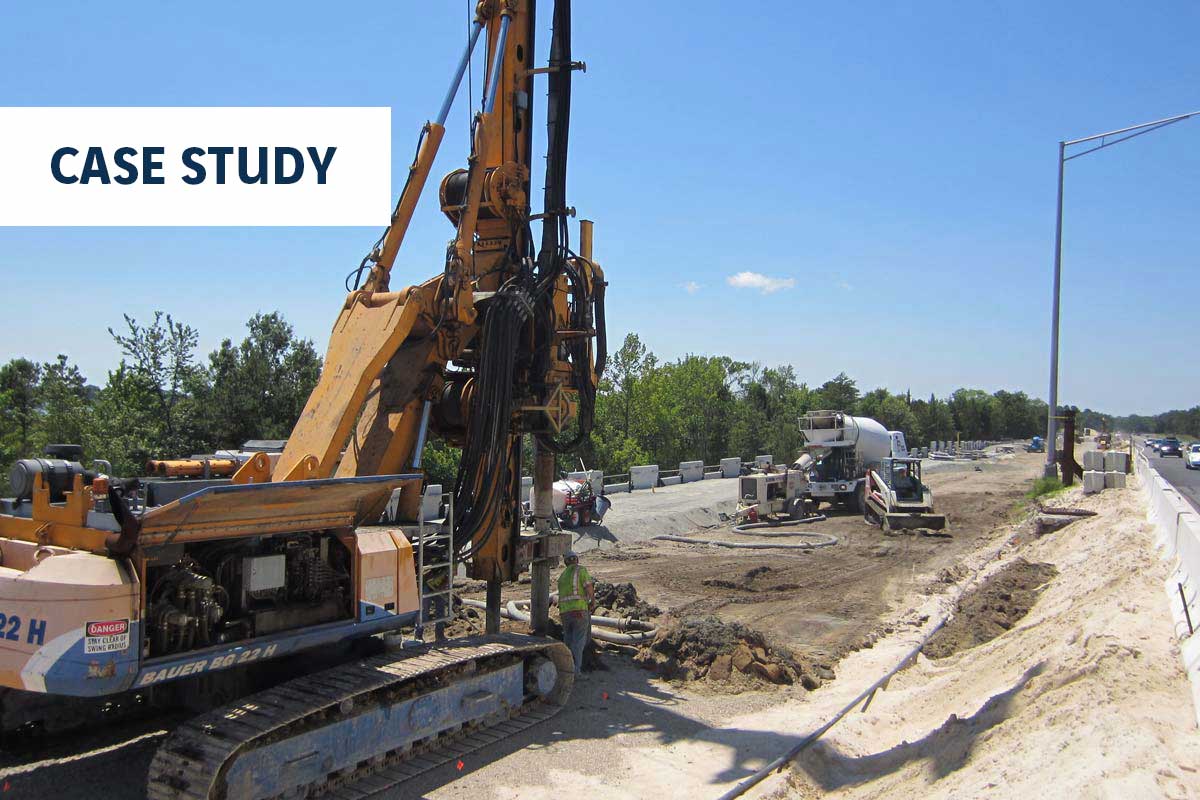
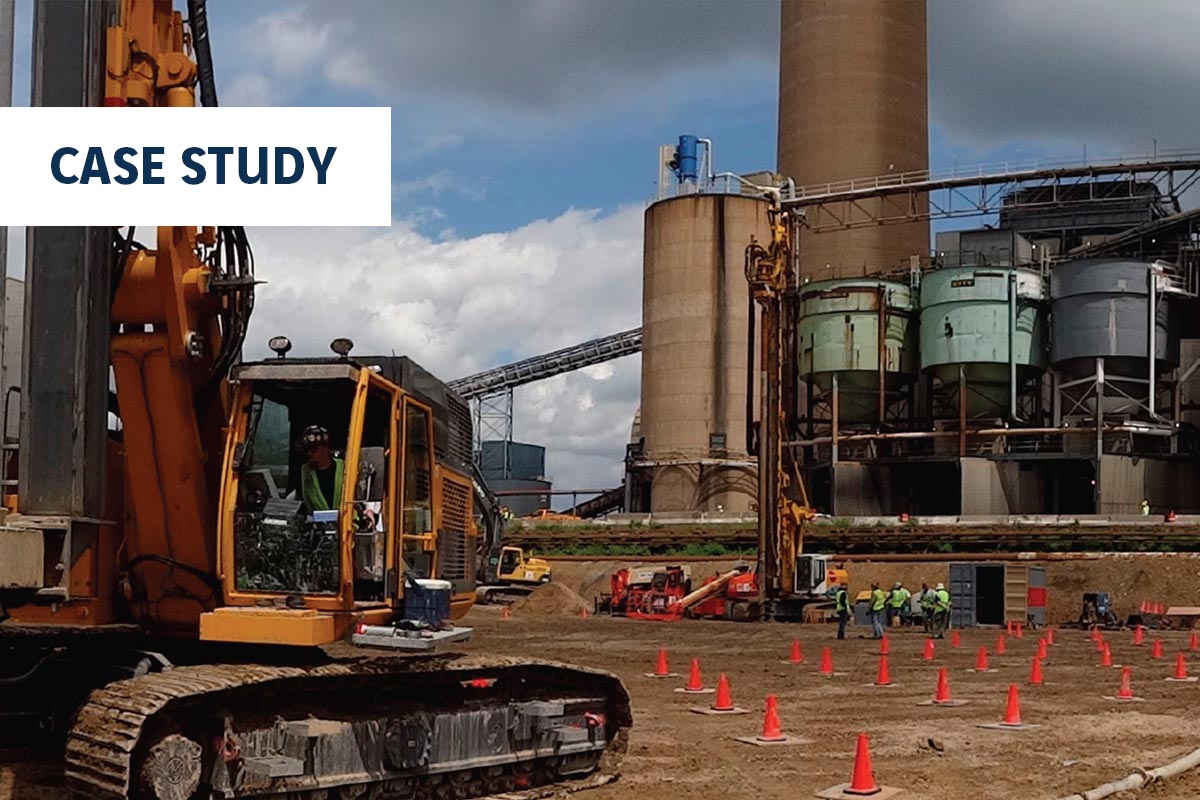
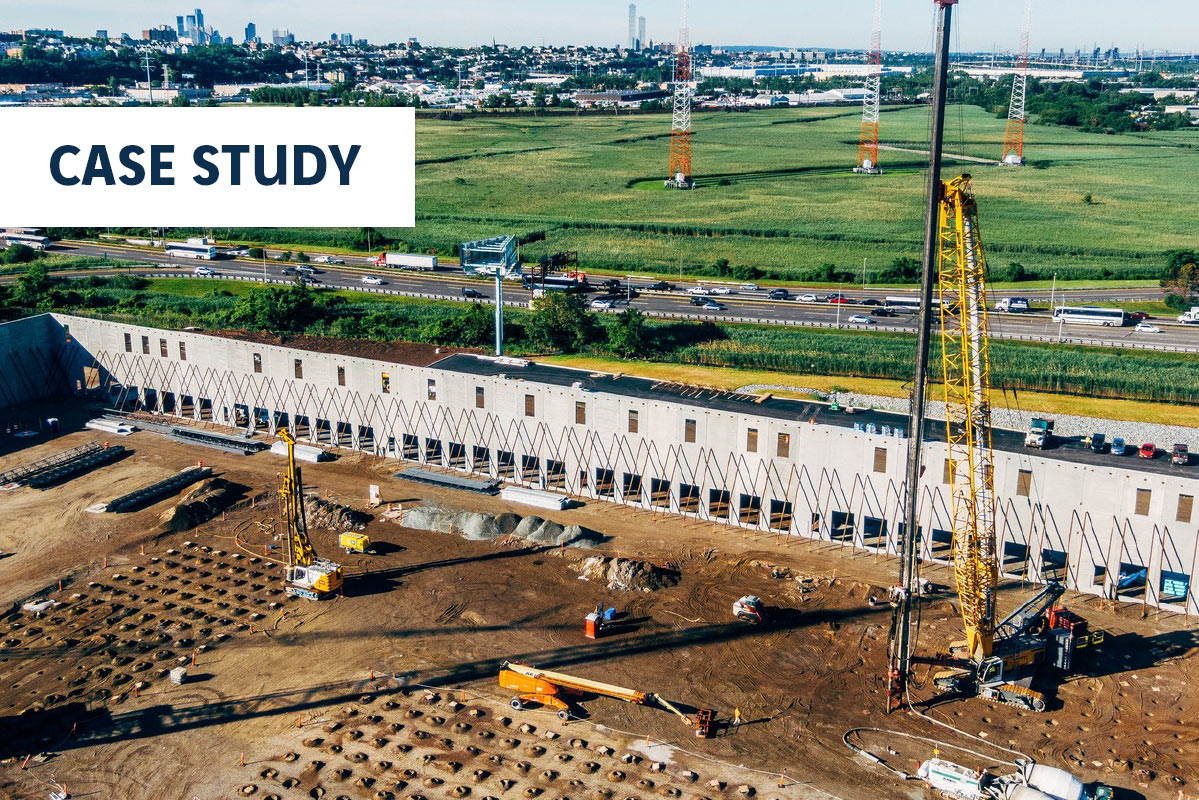
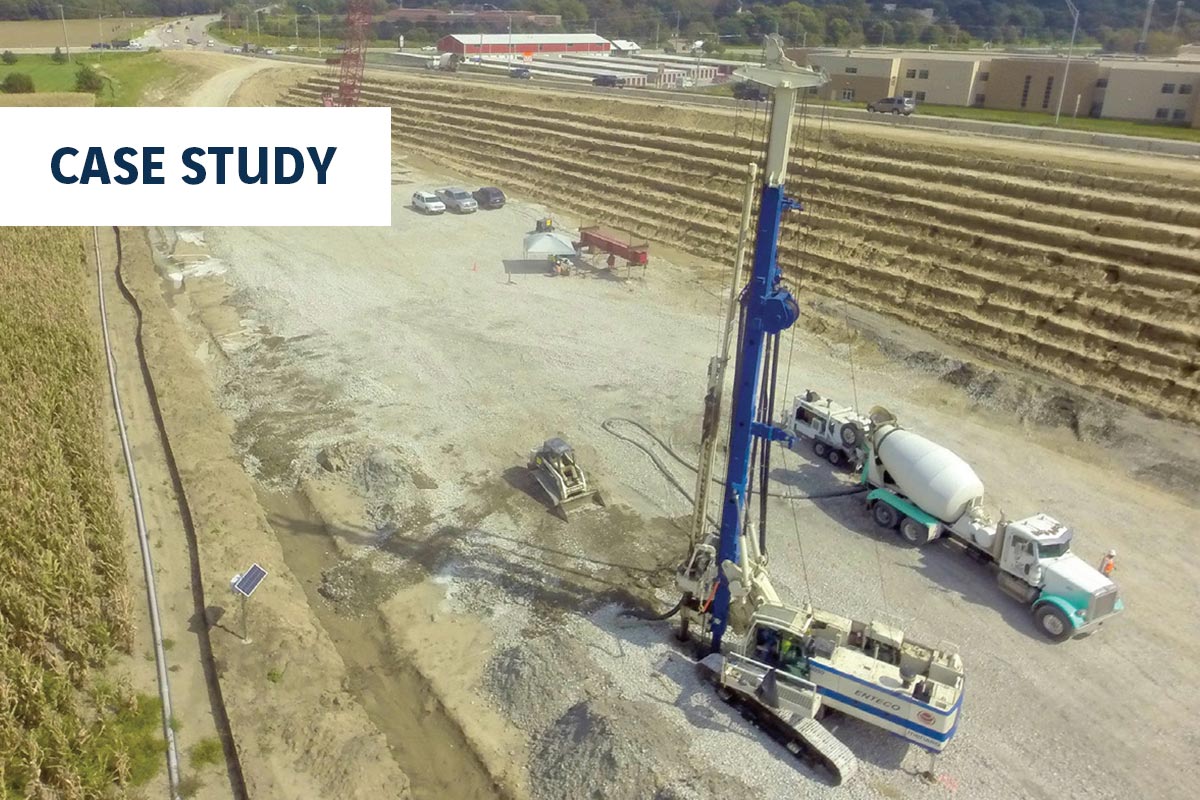
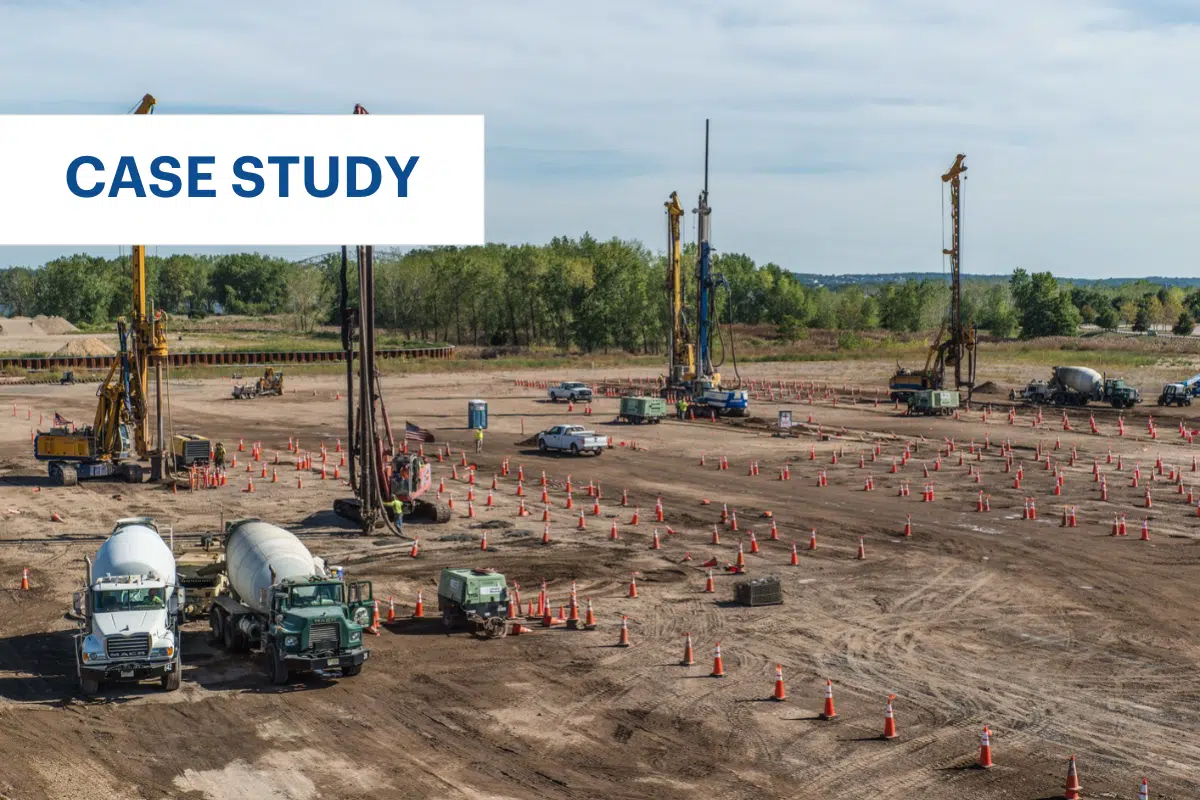
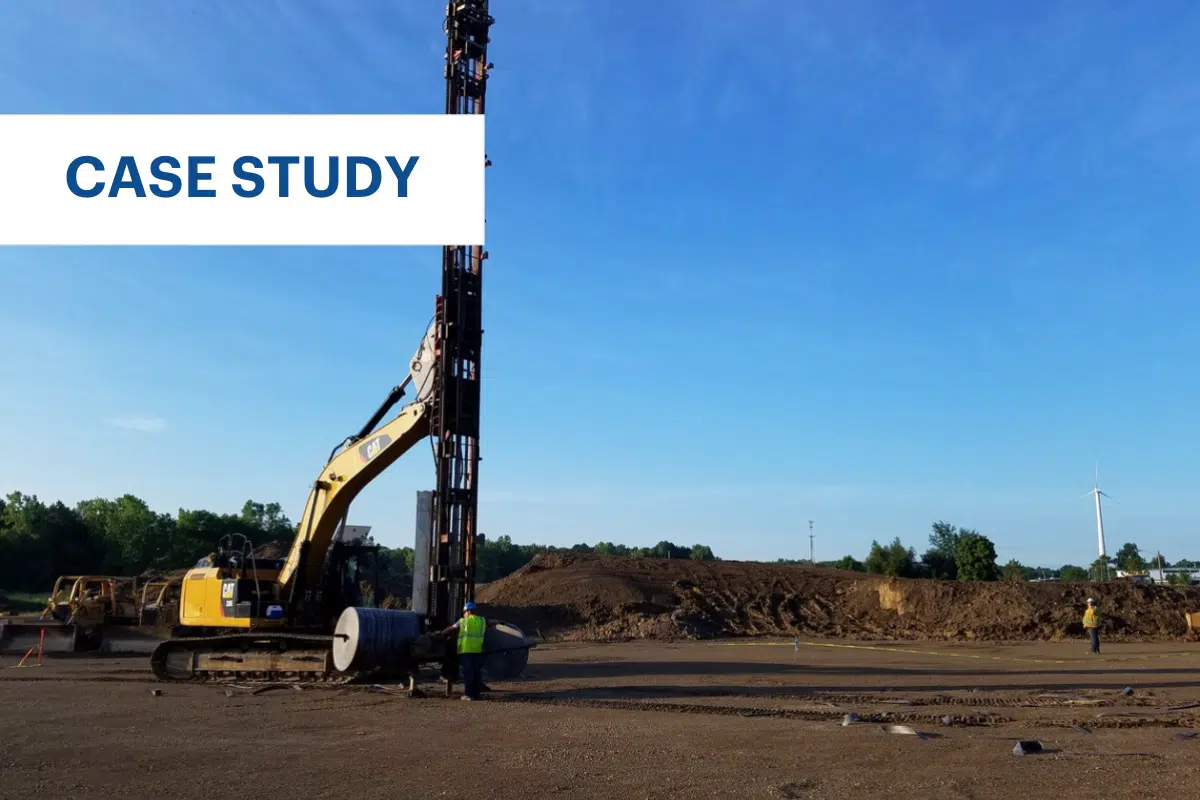
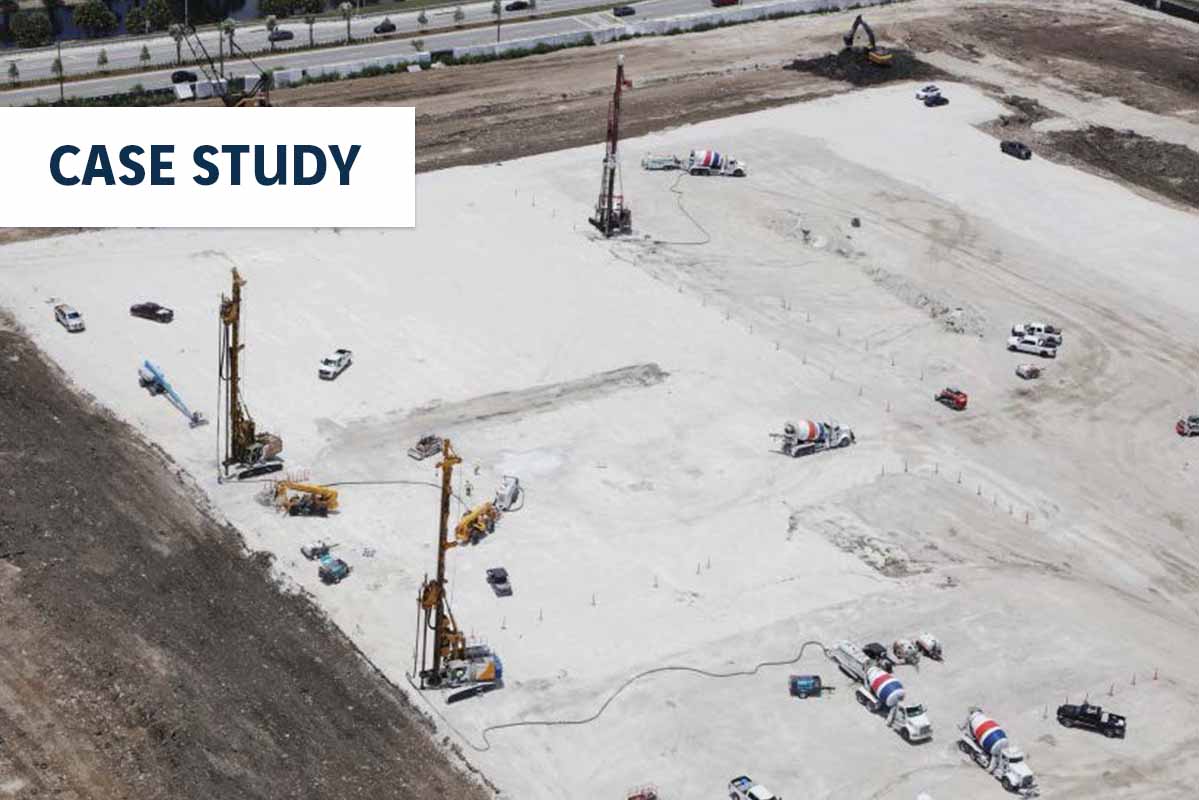
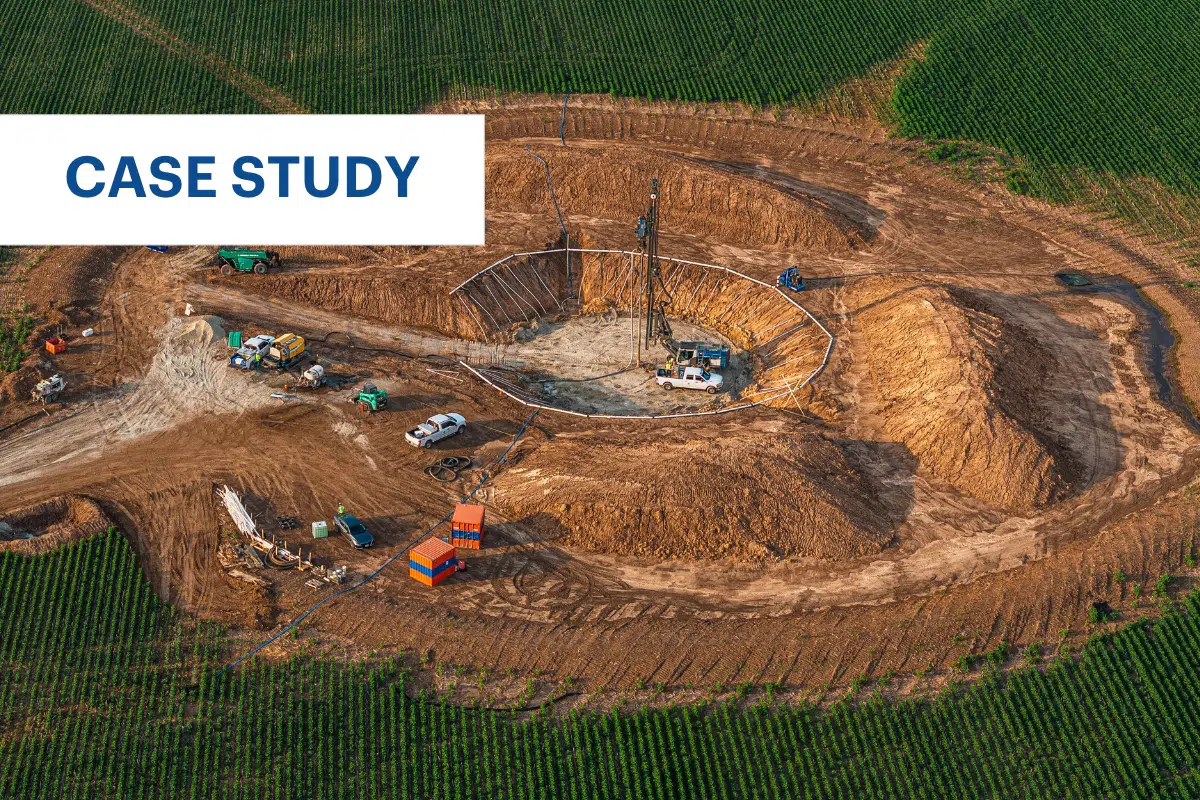
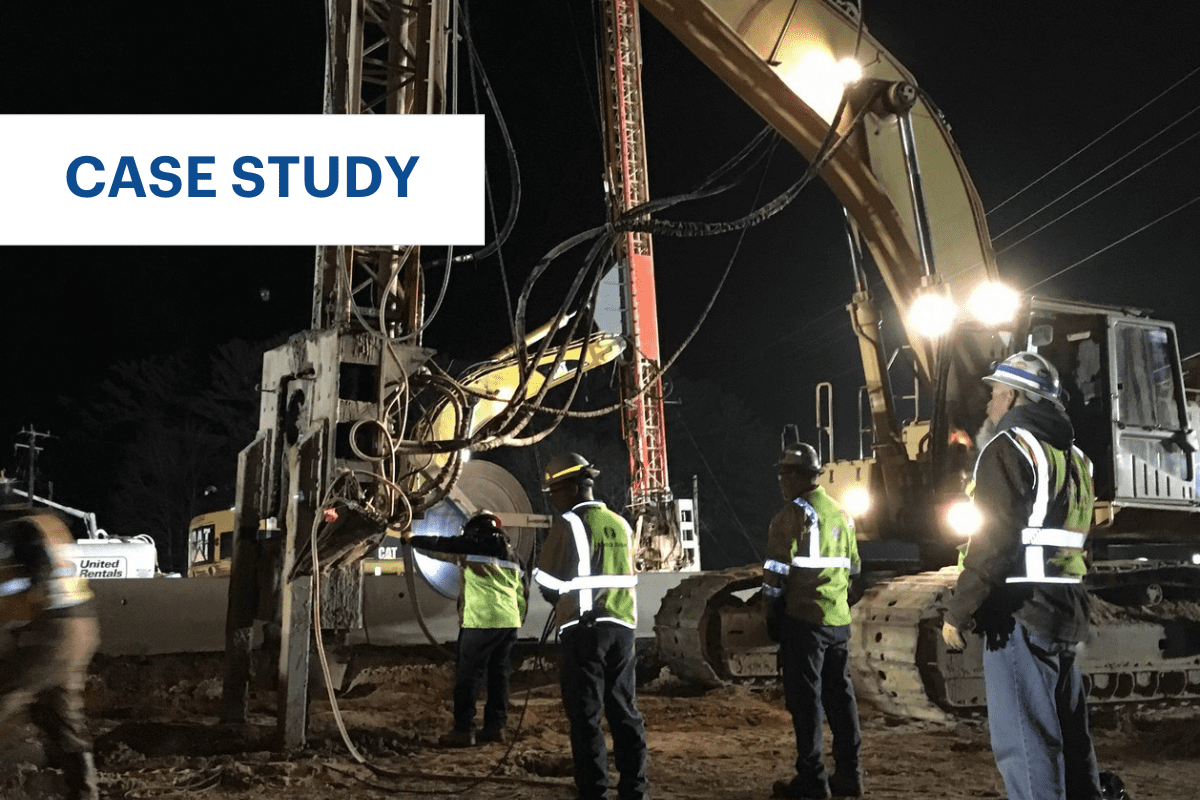
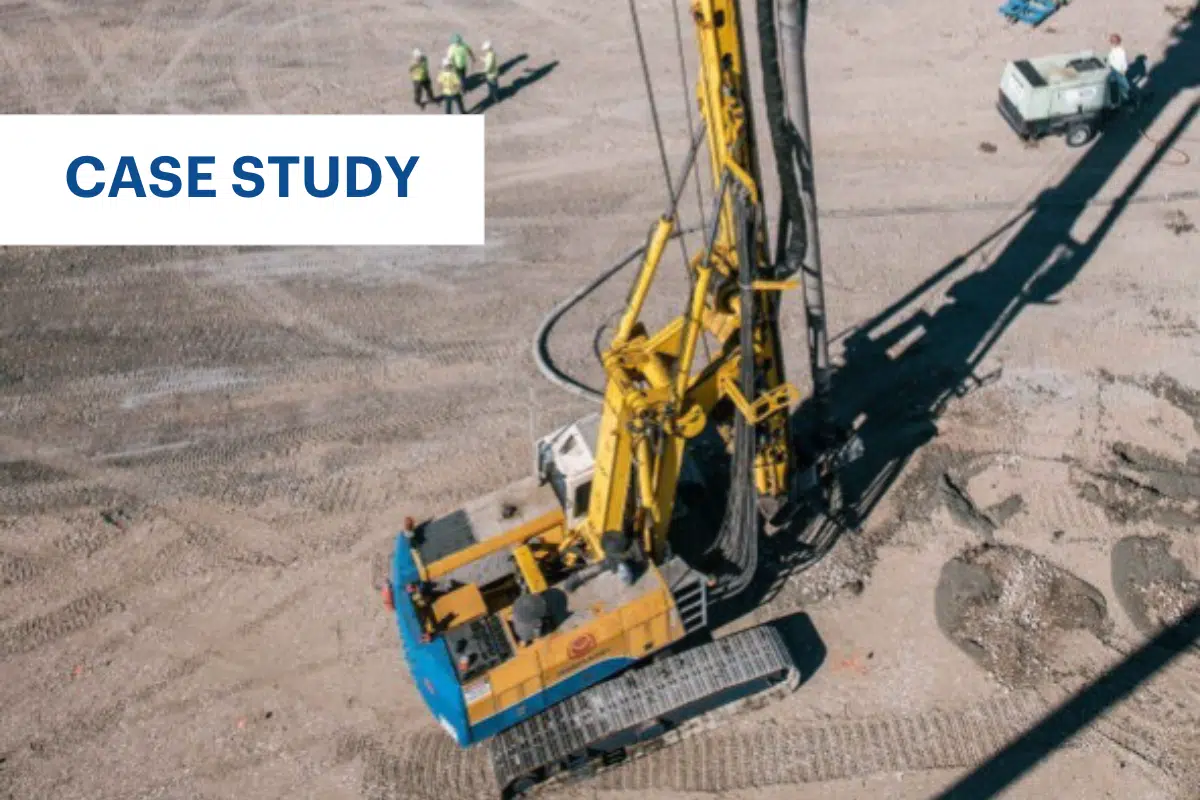
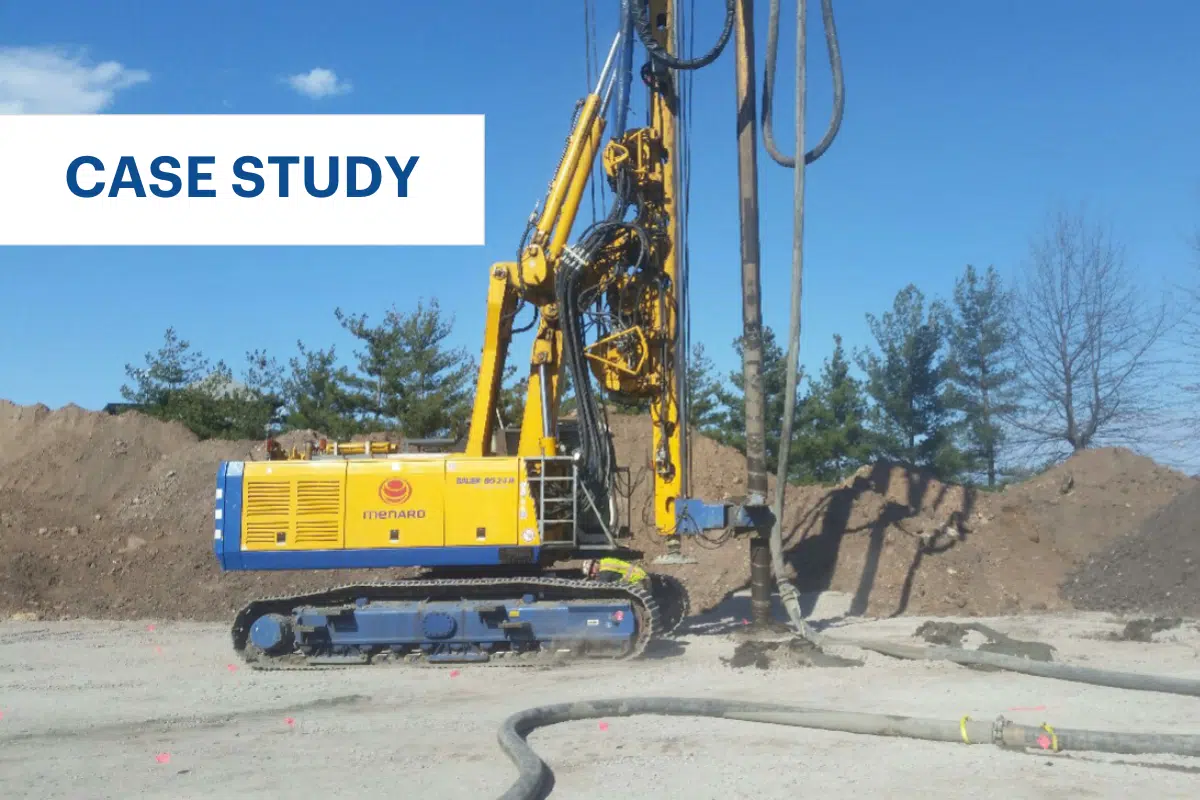
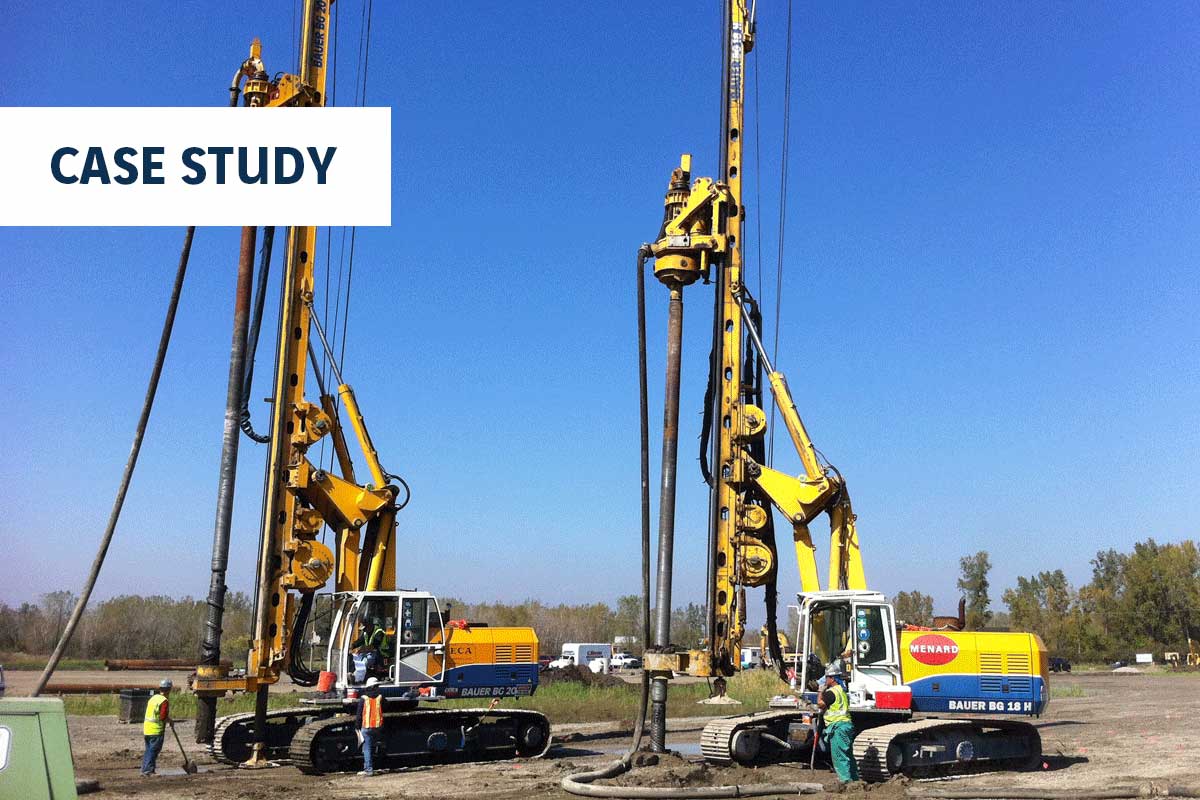
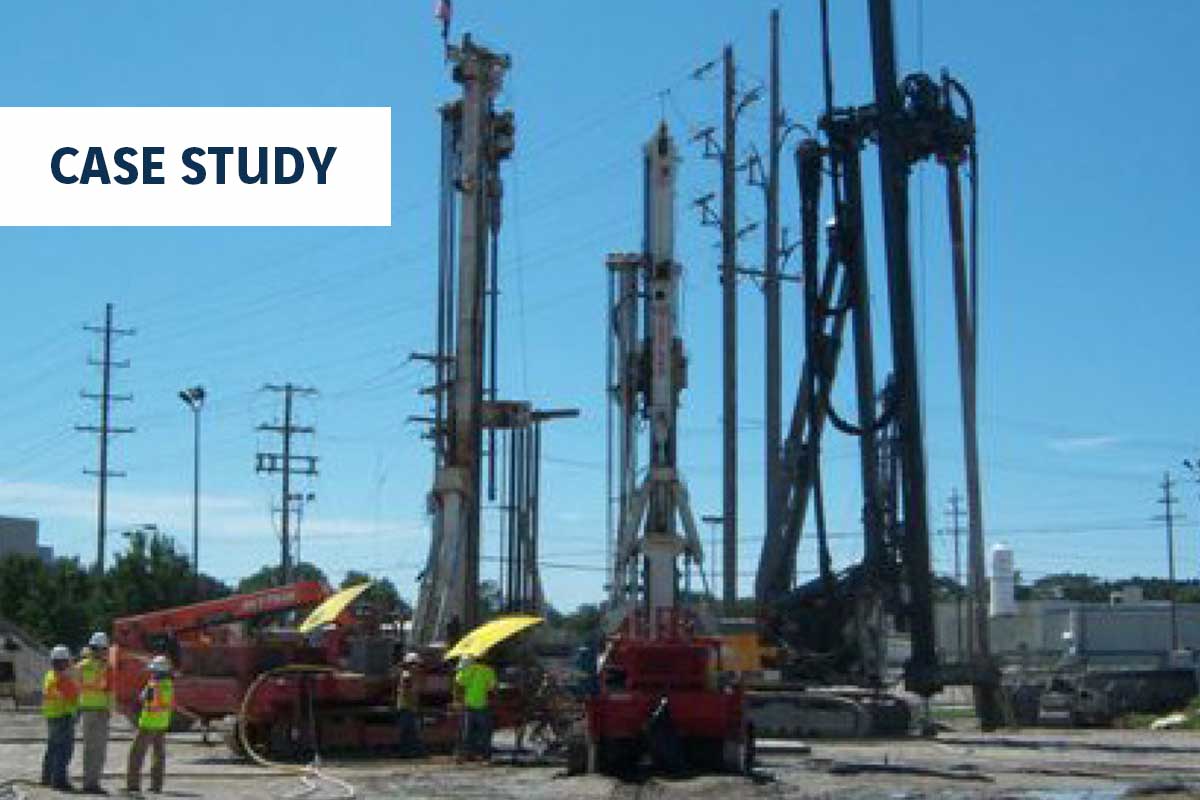
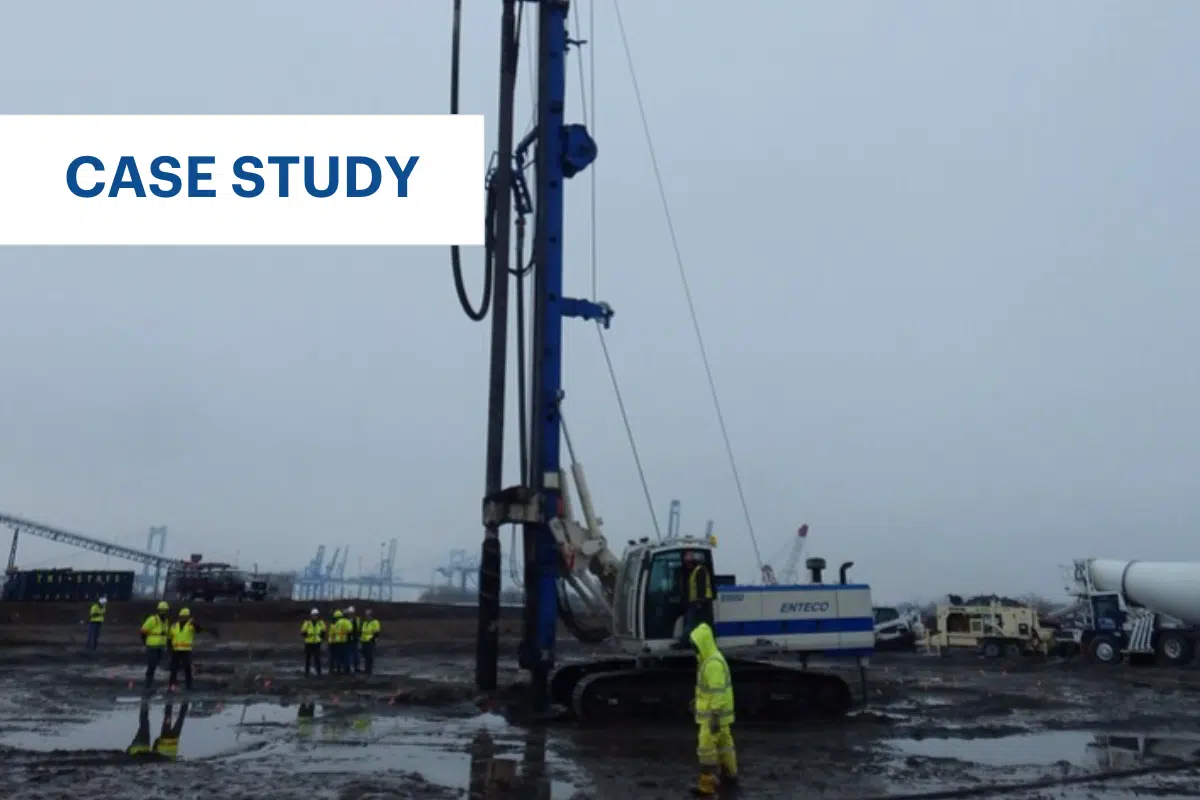
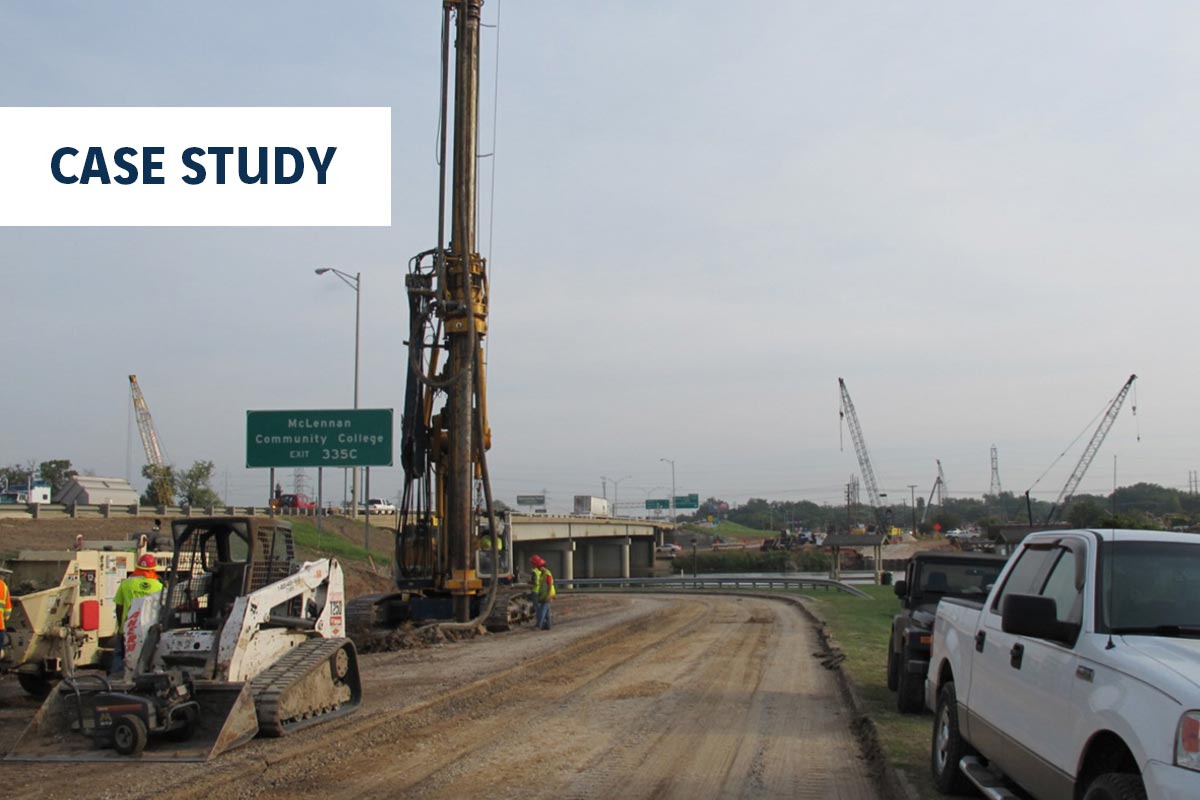
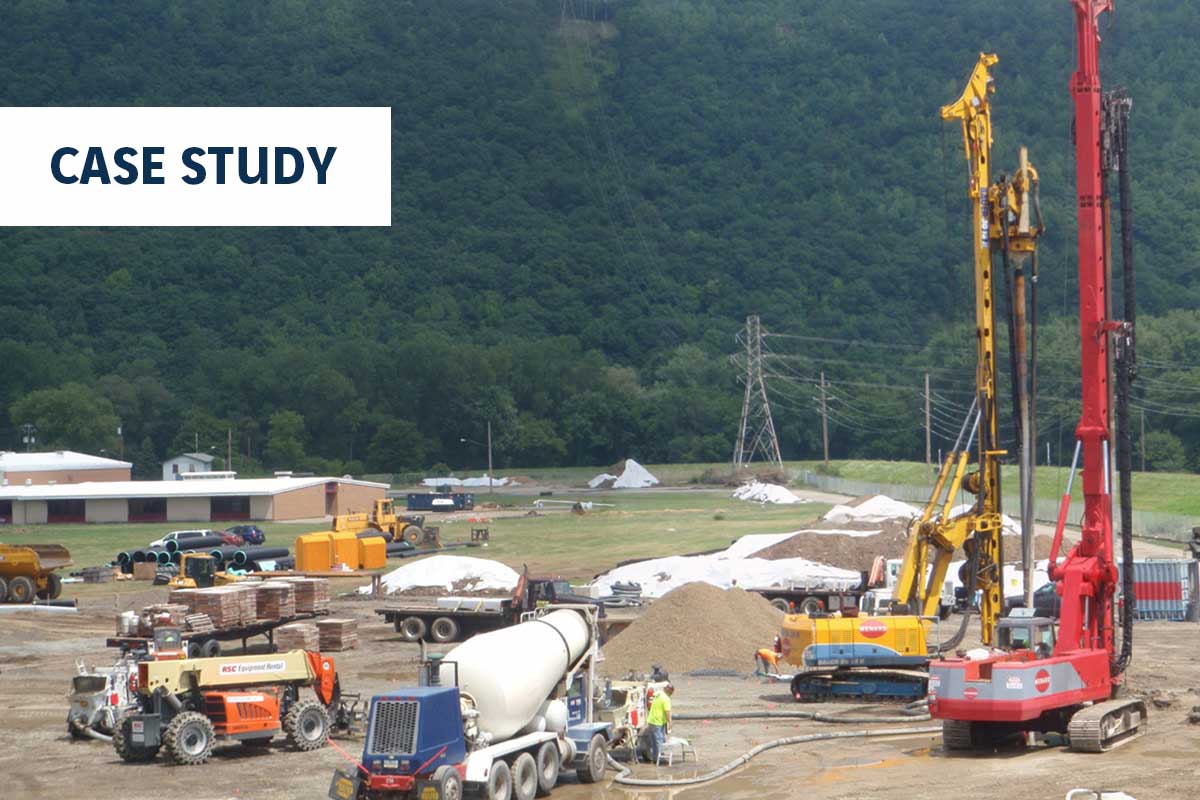
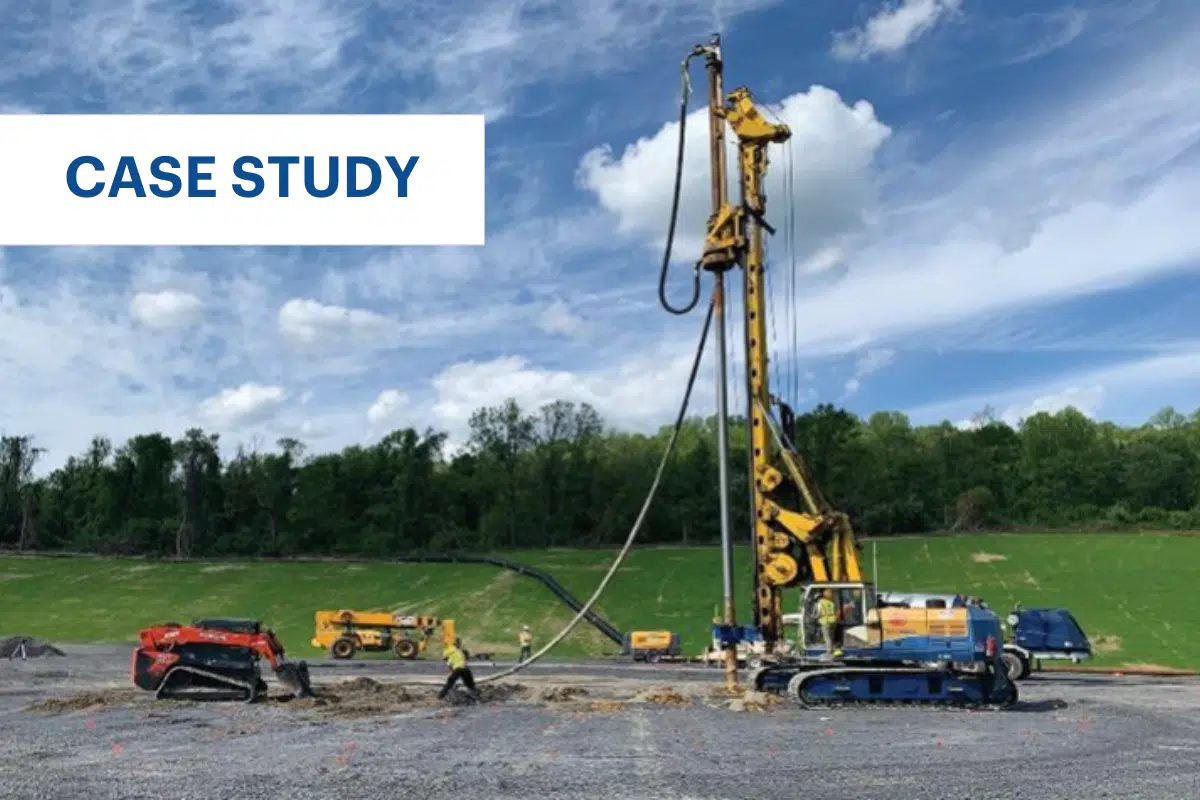
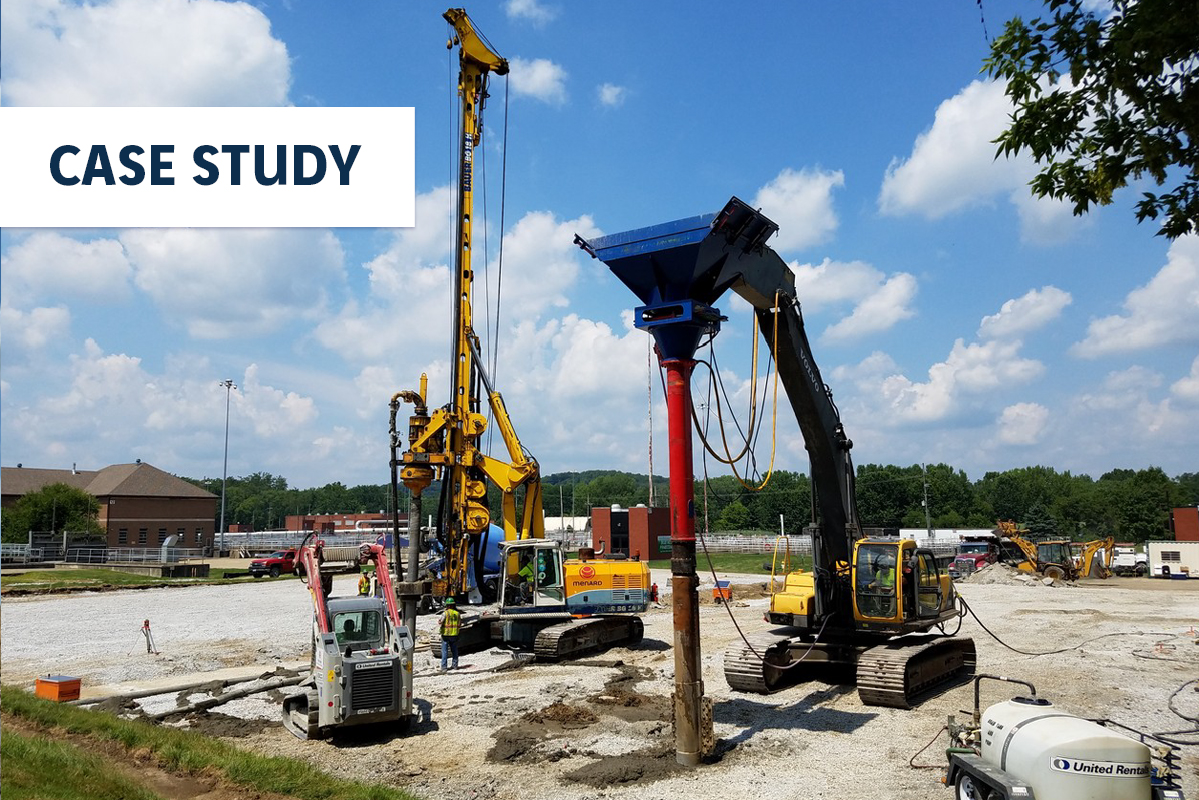
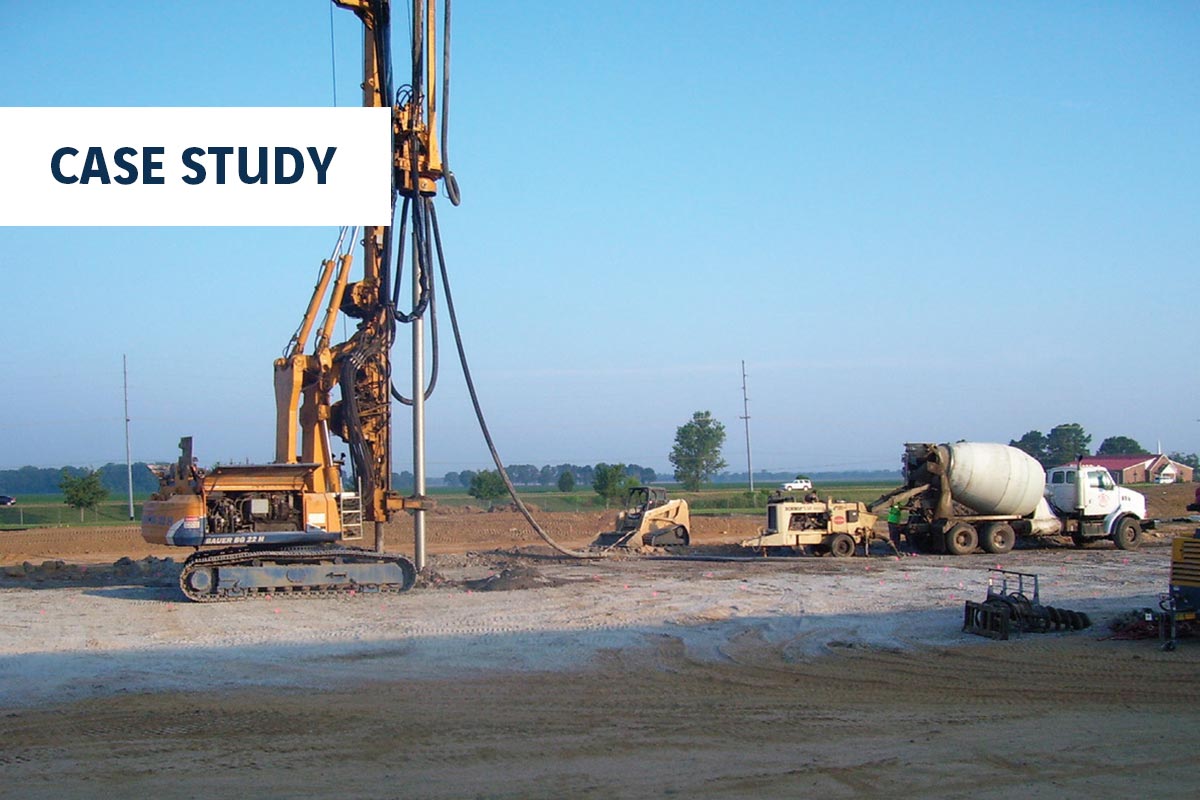
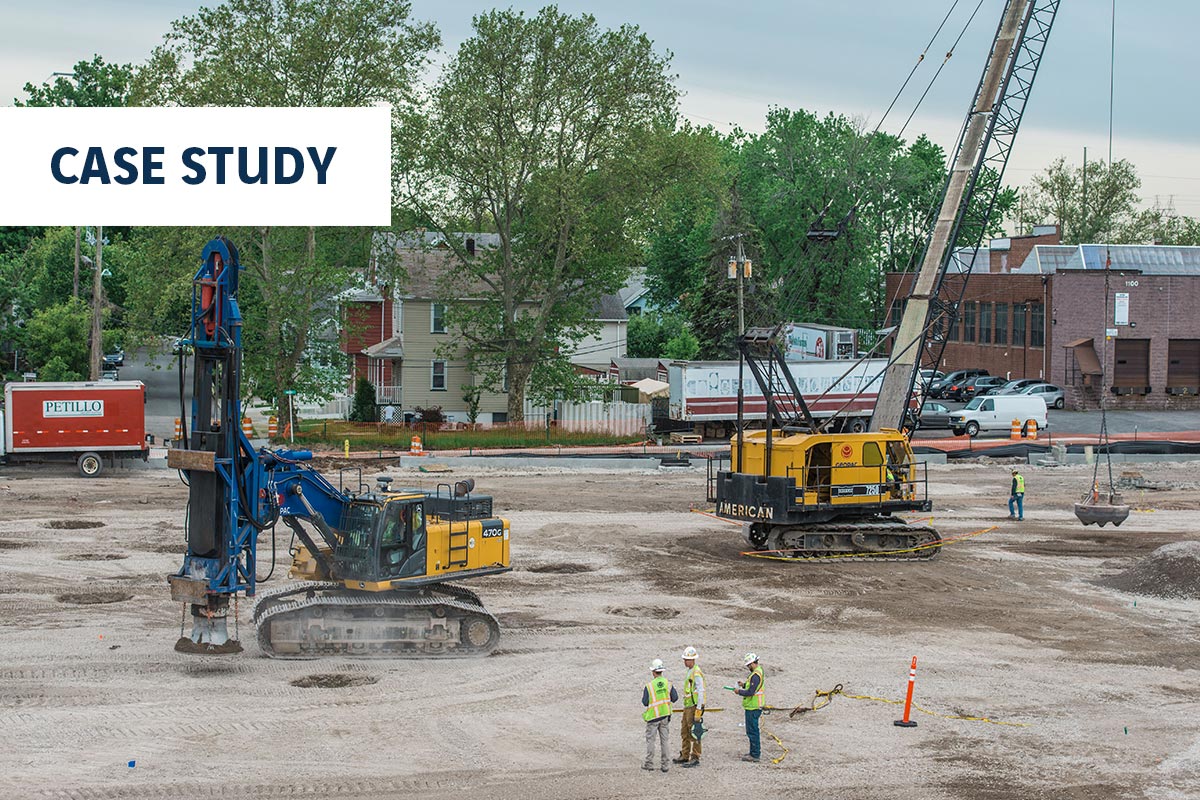
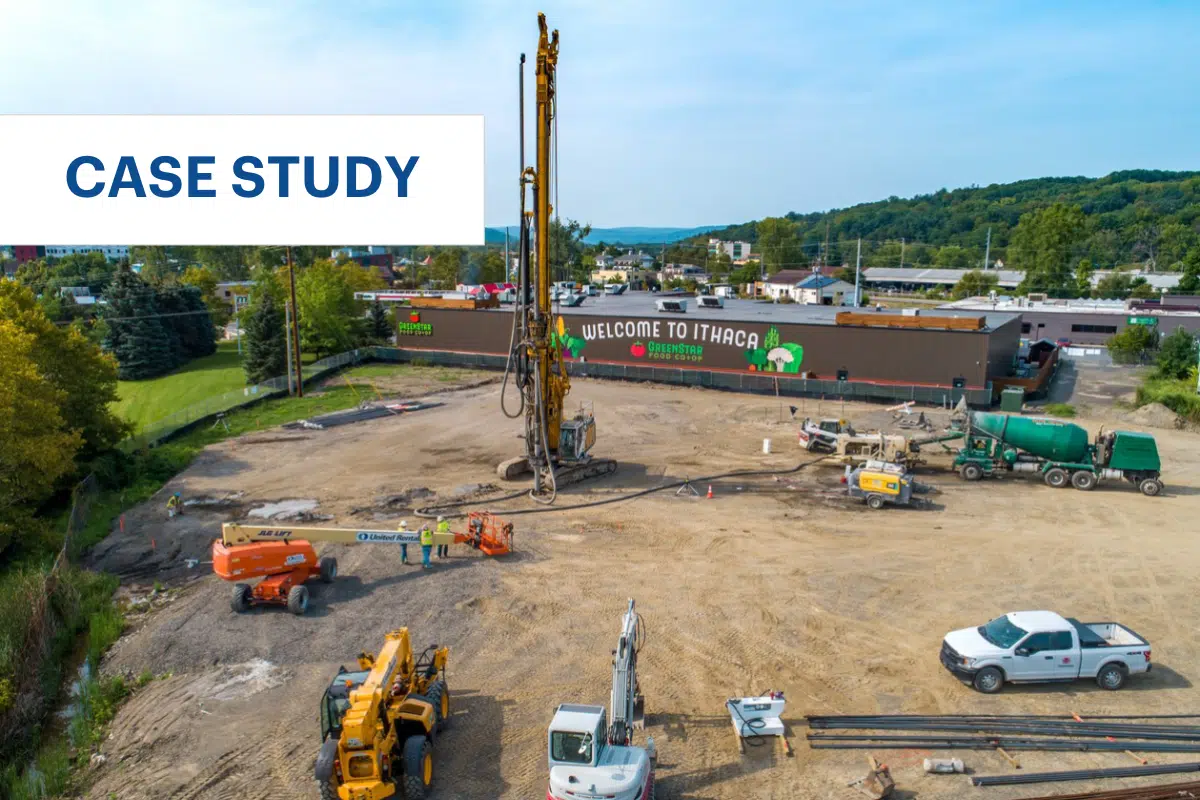
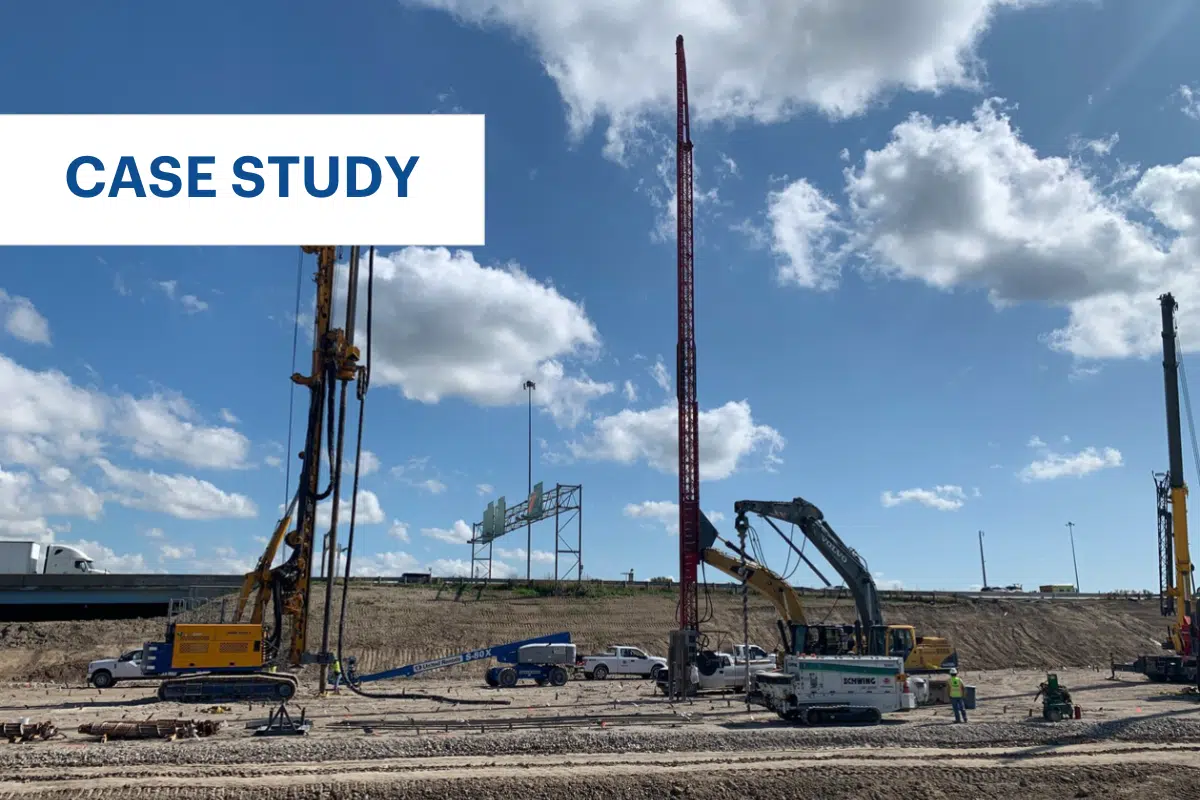
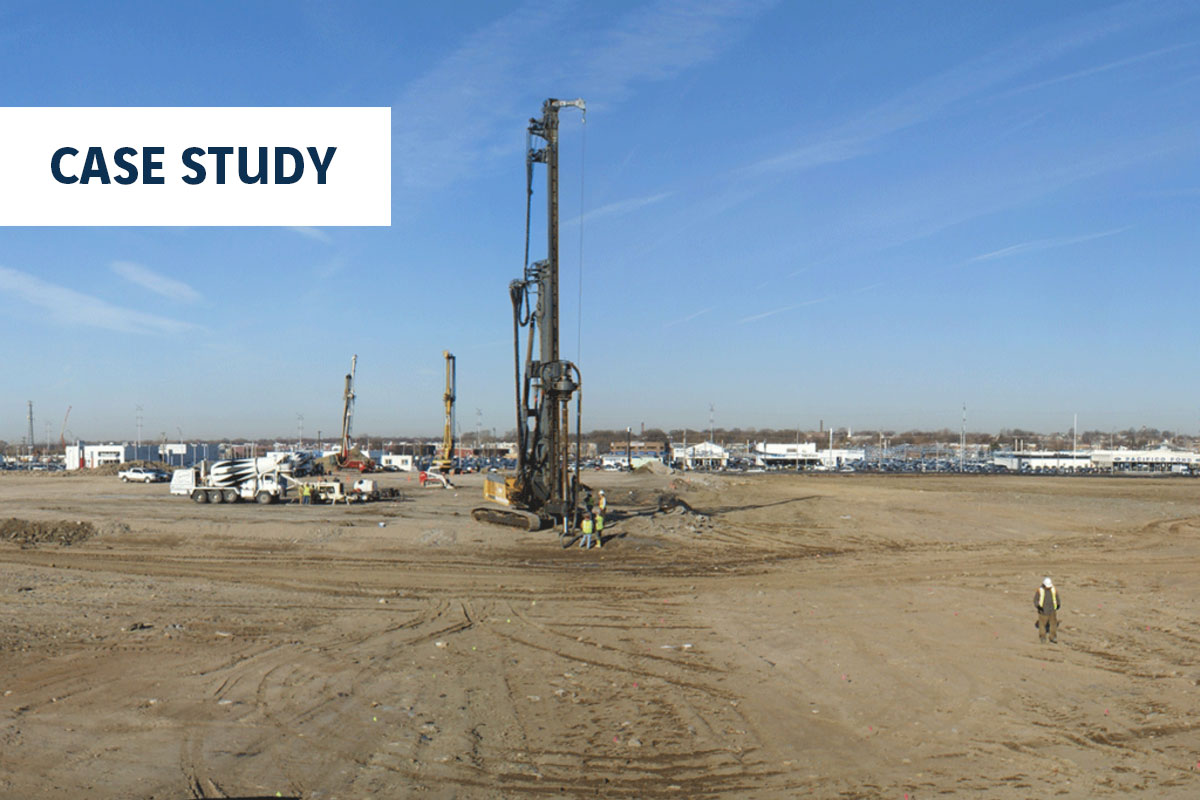
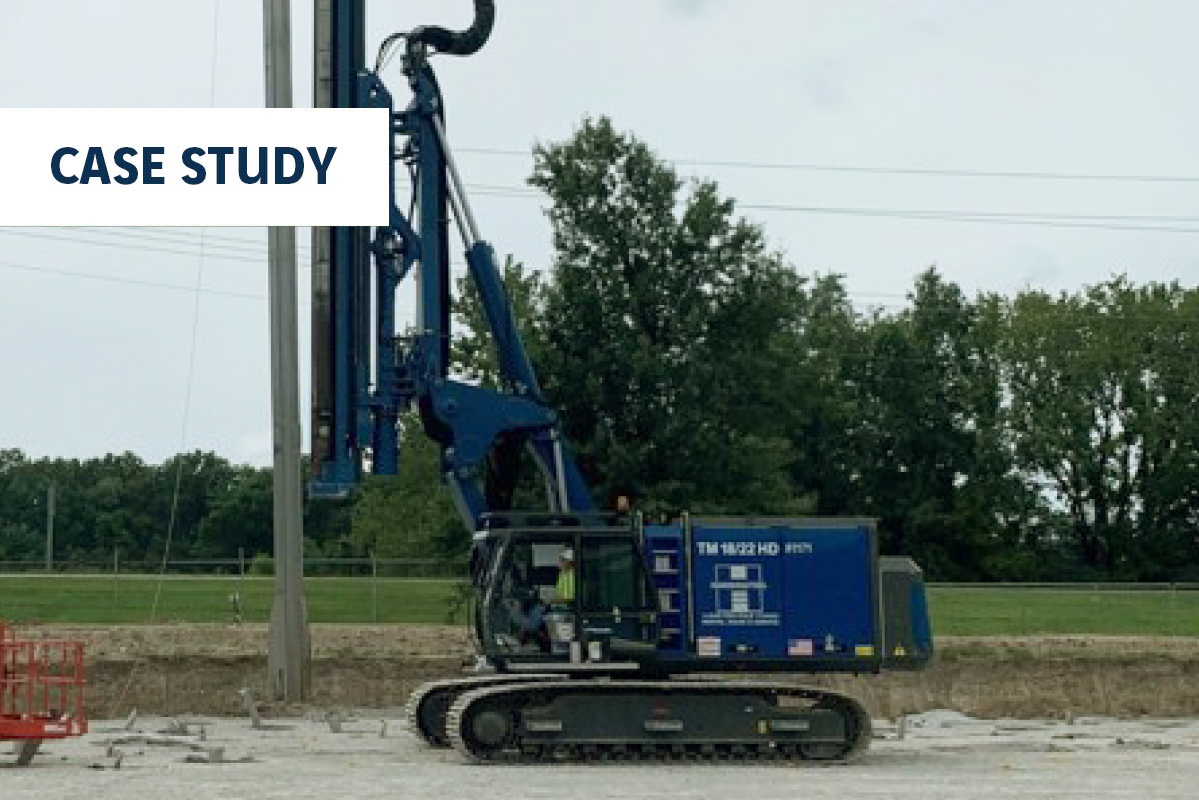
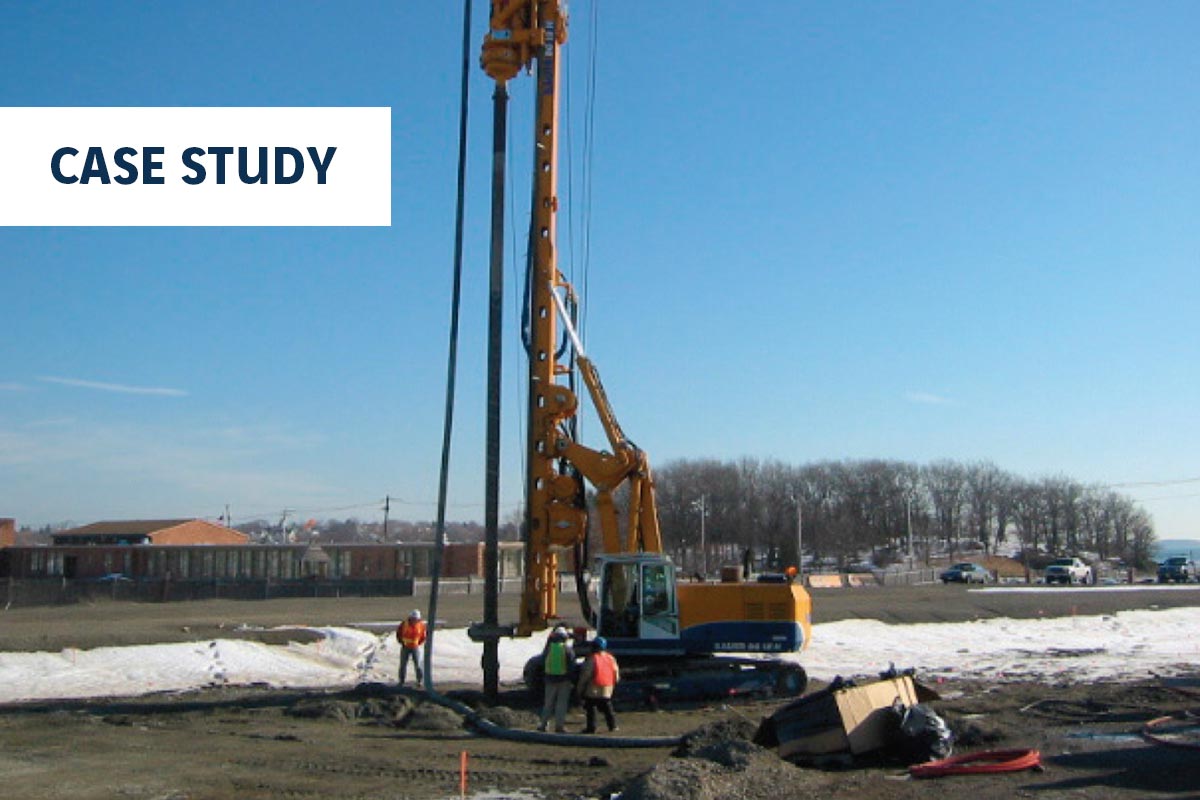
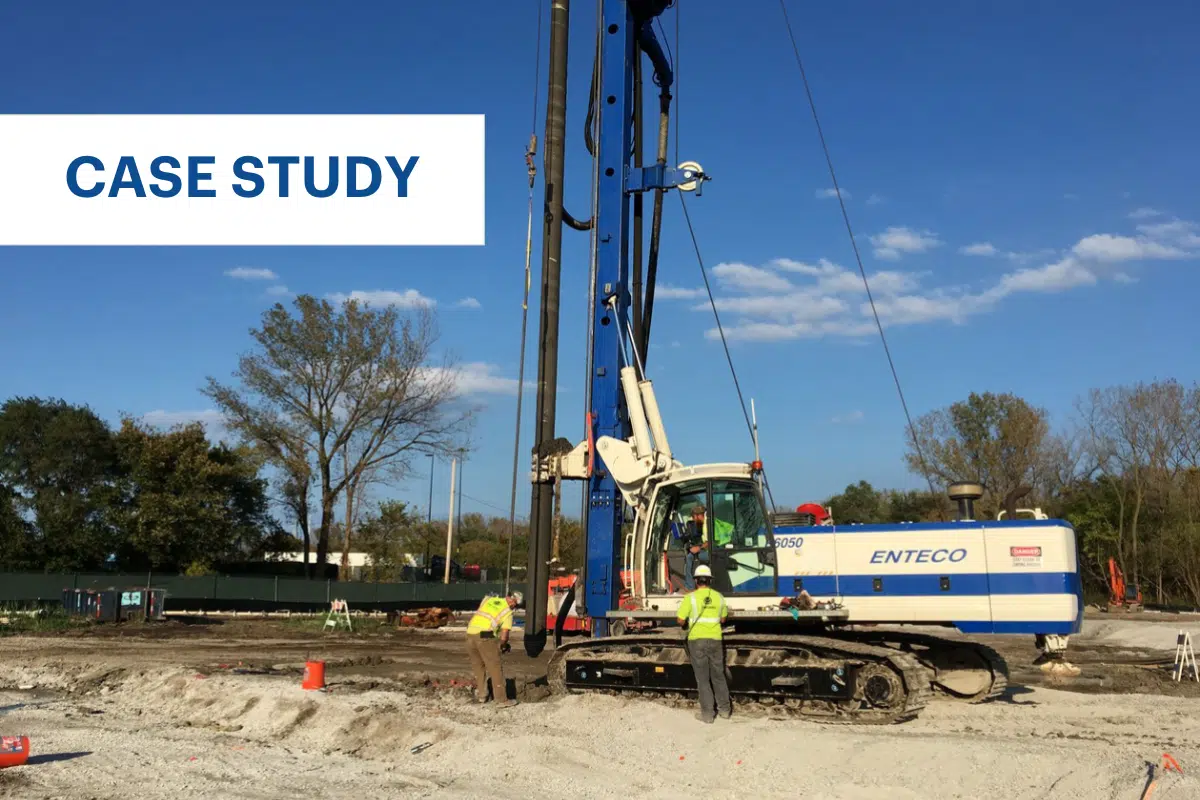
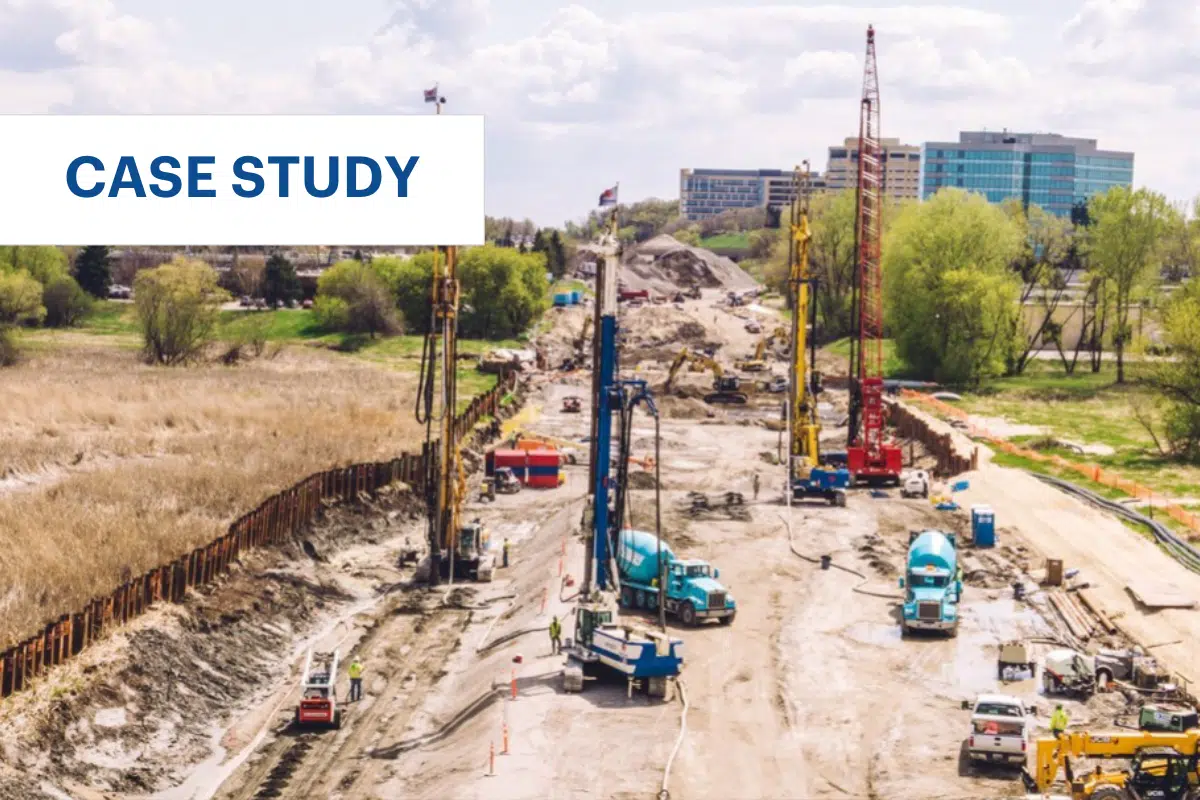
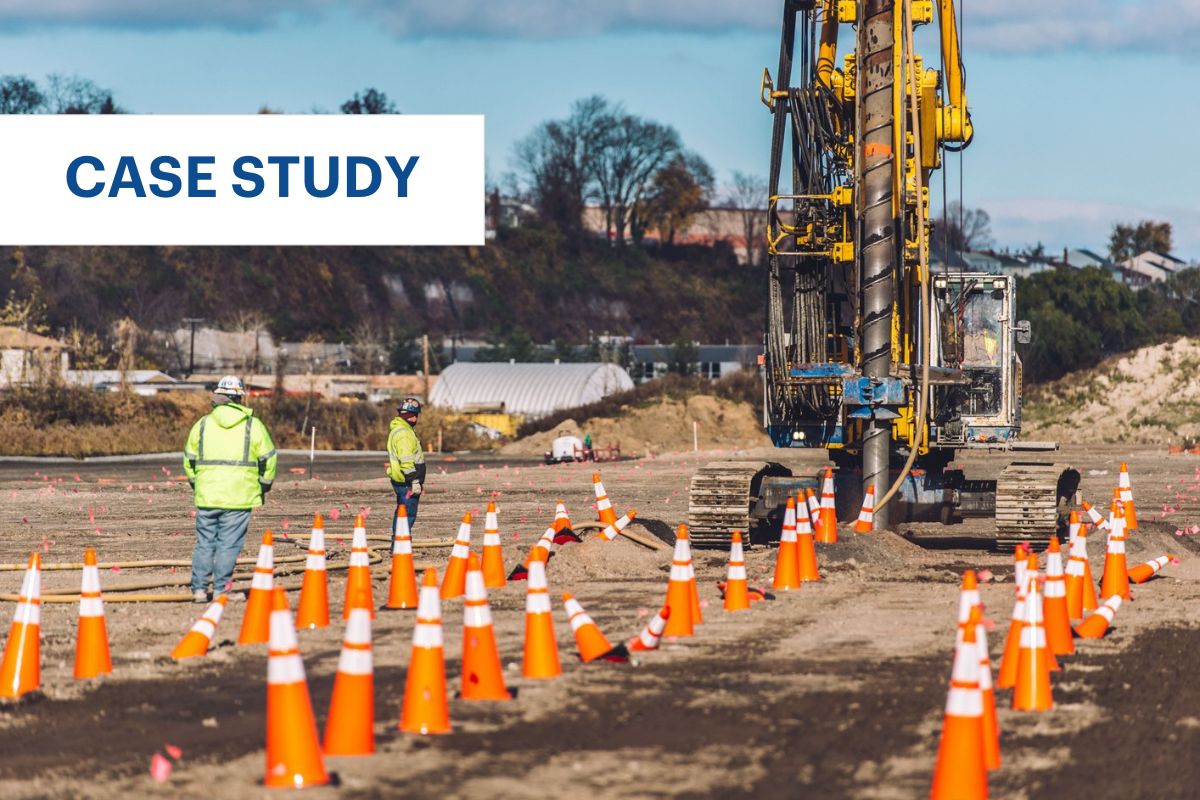
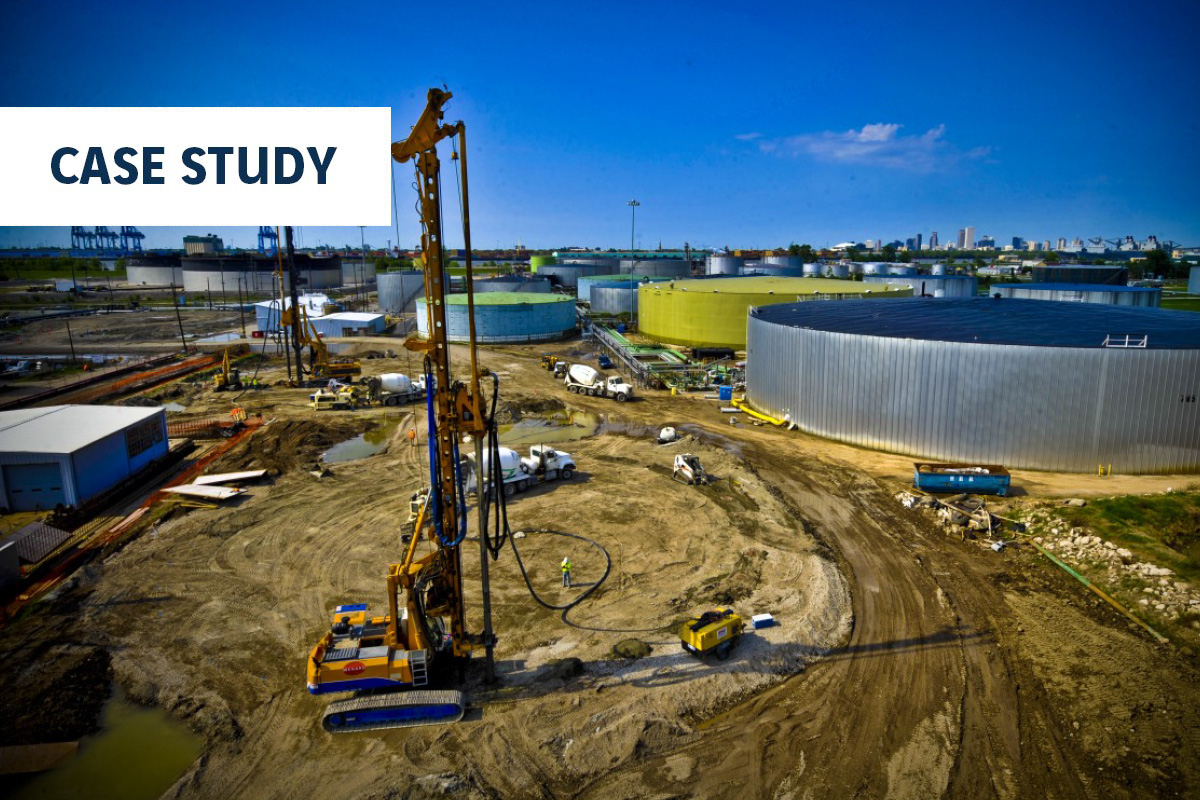
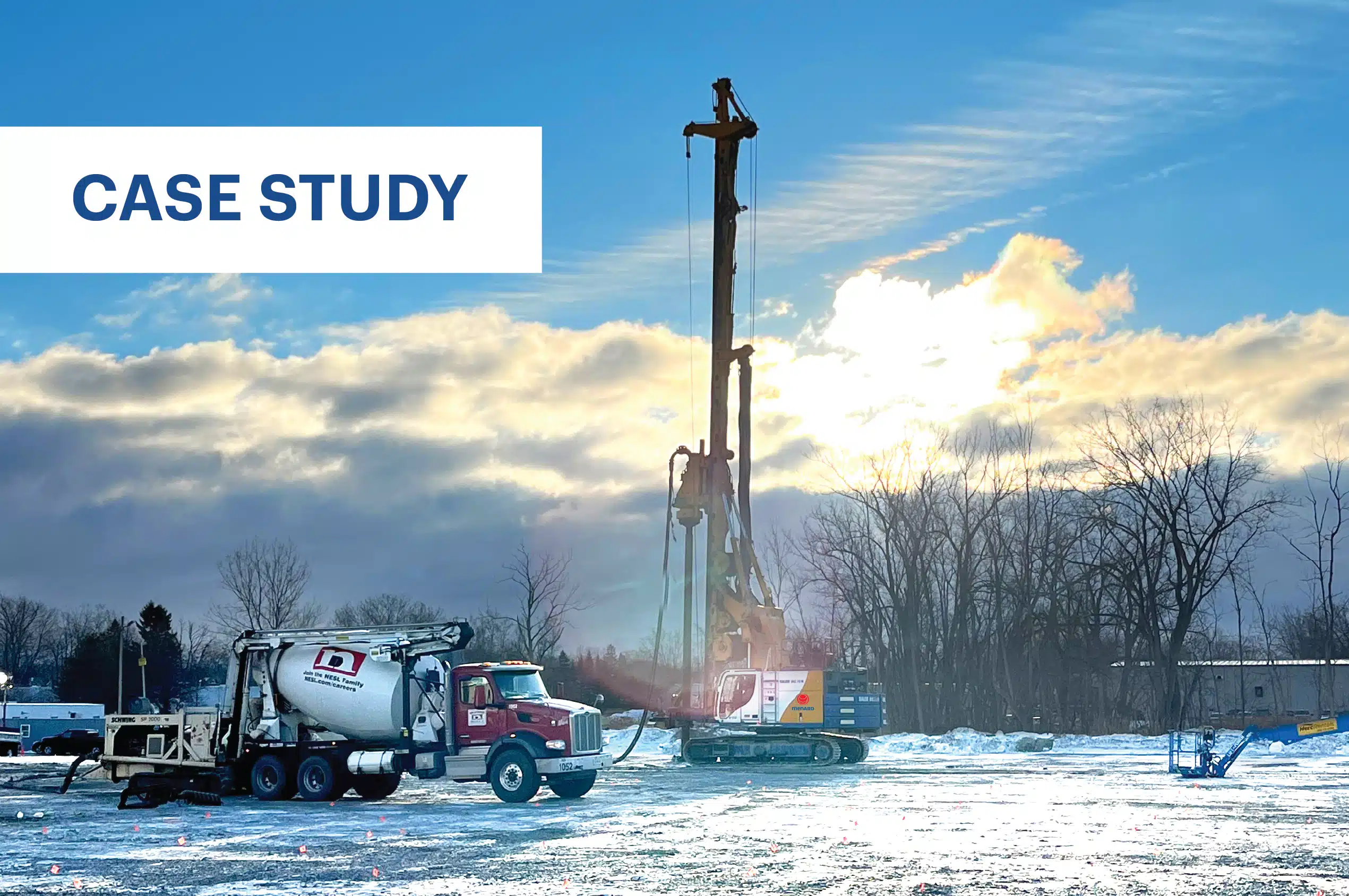
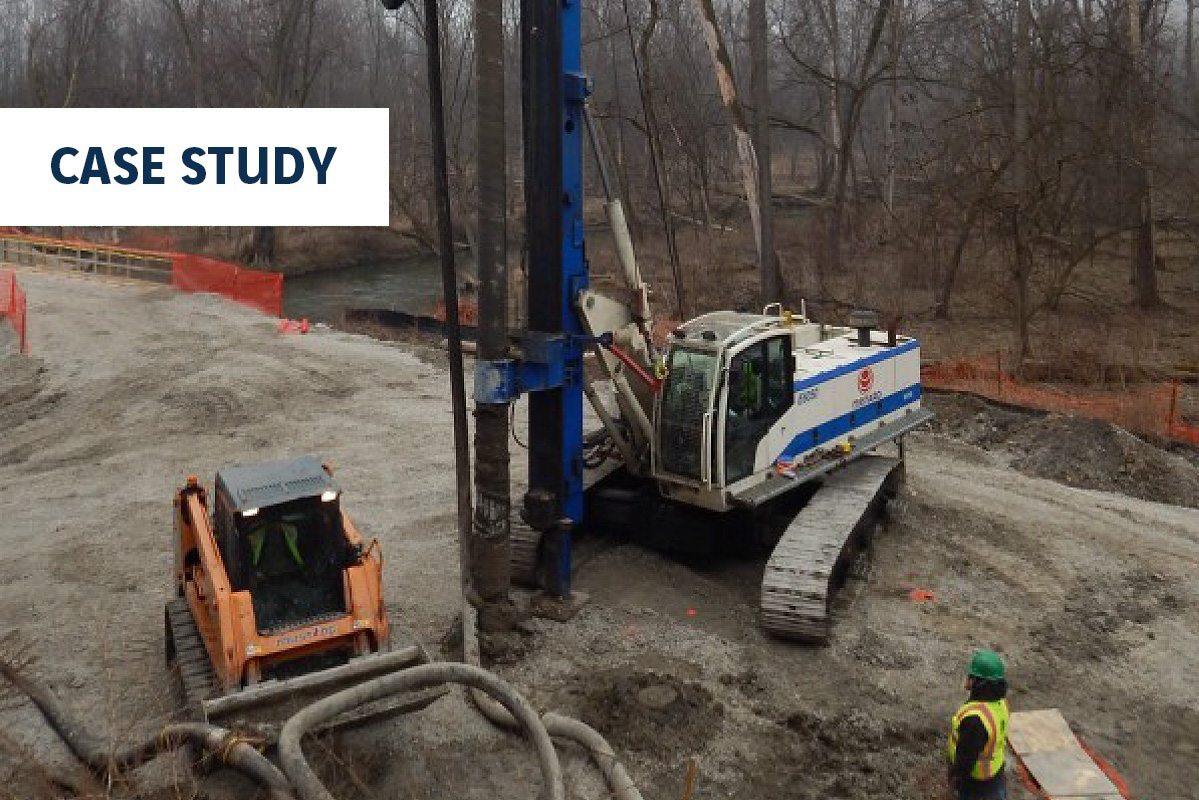
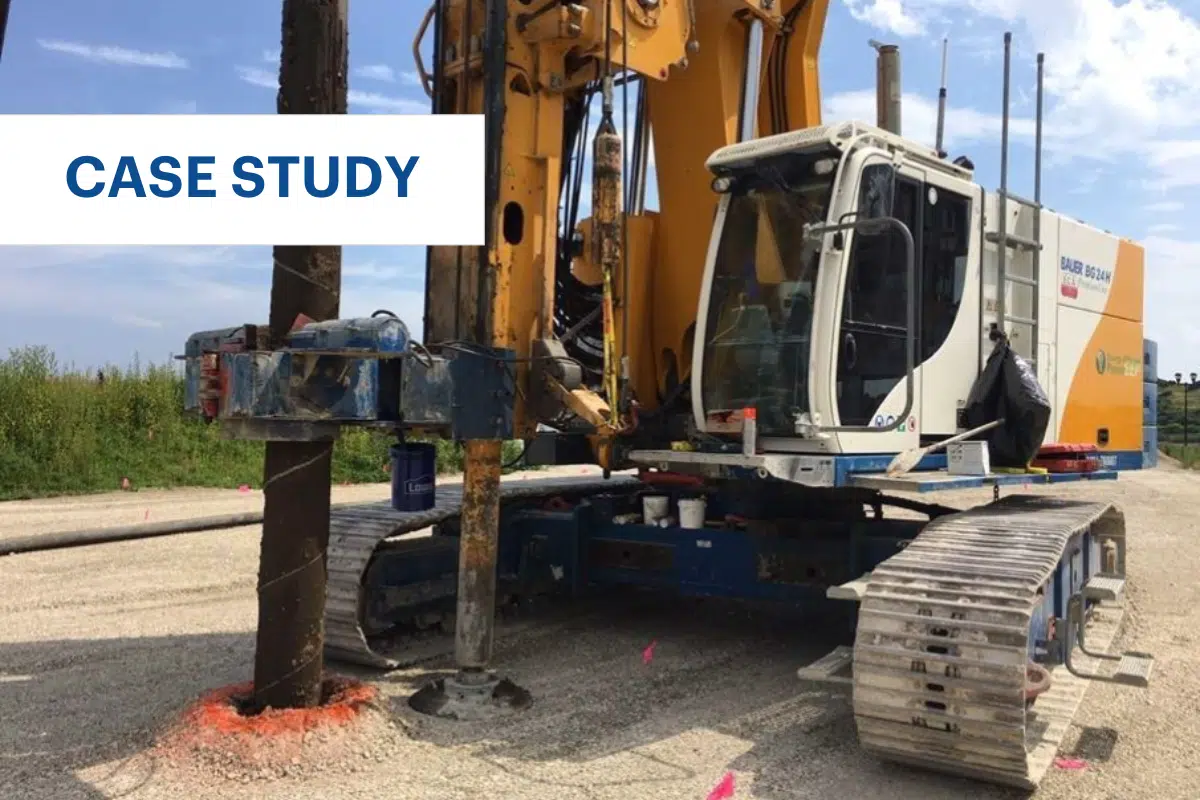
Controlled Modulus Columns (CMC)® rigid inclusions are grouted columns formed using specially-designed tooling that displaces soil laterally, producing very little spoil. As the auger is extracted, a column of cement-based grout is formed.
Advantages Include:
- Deliver strong performance in very soft soils due to significant increases in system bearing capacity and column stiffness.
- Allow for deep installation, enabling treatment of thick, weak soil profiles and increasing load capacity where needed.
- Provide high load capacity, supporting substantial structural loads once integrated into the ground system.
- Generate minimal spoils during installation, resulting in reduced disturbance to the site and minimal spoils management.
- Do not create pathways for groundwater migration, supporting long‑term settlement control and environmental protection.
Download our rigid inclusion technique sheet:
Comparison of Rigid Inclusions with Other Foundation Support Systems
Stone Columns/Aggregate Piers
In certain conditions, engineers may opt for stone columns/aggregate piers instead of CMCs. Stone columns/aggregate piers are most suitable when soils have moderate stiffness and load requirements are lower and are also preferred when site soils are primarily granular and are densifiable. Rigid inclusions are preferred for deeper weak zones, when higher structural loads must be supported, when significant contamination is present, and when there is potential for karstic sinkholes.
Deep Foundations
When comparing rigid inclusions to traditional deep foundation systems, several distinctions emerge in terms of method, performance, and cost. Rigid inclusions are a ground improvement system that reinforce the soil and work in composite action with it, whereas deep foundations such as drilled shafts, augercast piles and driven piles transfer loads directly to deeper, high‑strength bearing layers. Rigid inclusions are typically faster and less costly to construct, especially where supporting moderate loads and settlement control is the main objective. By contrast, deep foundations are designed assuming a foundation must bypass weak soils entirely and carry the entirety of the loads.
There are clear differences between CMC rigid inclusions and deep foundations. CMCs are typically constructed using displacement drilling that minimizes spoil, while some deep foundation elements, such as drilled shafts and auger-cast piles, require drilling techniques that generate more material removal. Load sharing and transfer mechanisms also differ: CMCs work with the improved soil to distribute loads, while deep foundation elements act as standalone elements carrying loads directly to deep bearing strata. With rigid inclusions, it is possible to design shallow foundation systems, but with piles, pile caps, grade beams, and structural slabs are typically required. Because of these distinctions, deep foundations are used in applications with very high loads or large structural demands, while rigid inclusions are ideal when settlement control and soil reinforcement are the primary goals.
Applications
Commercial and Industrial Buildings
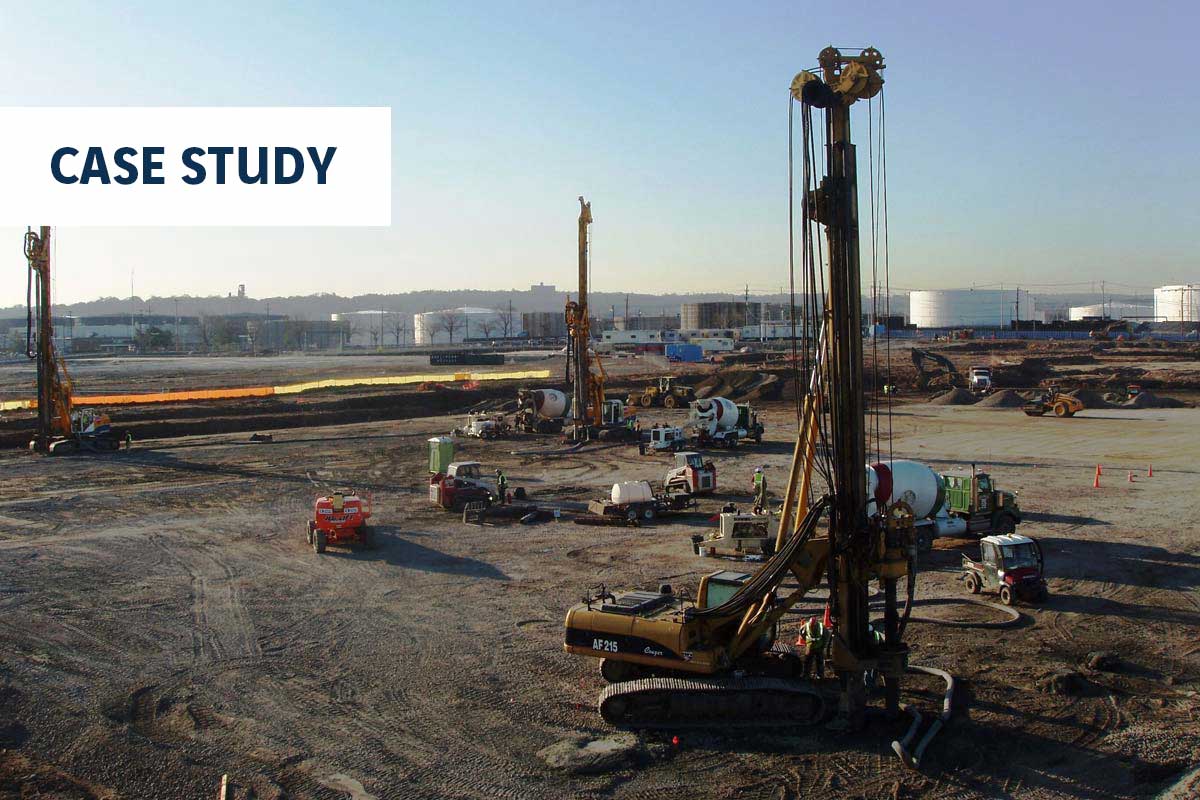
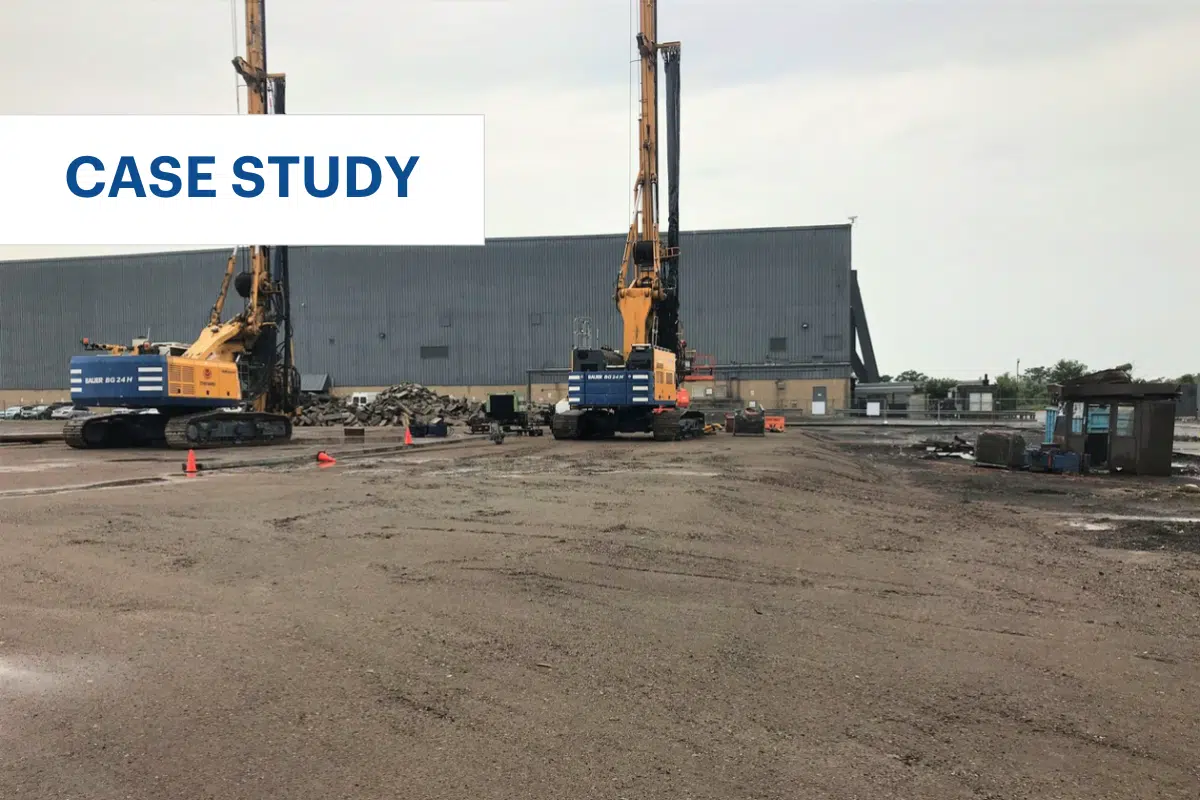
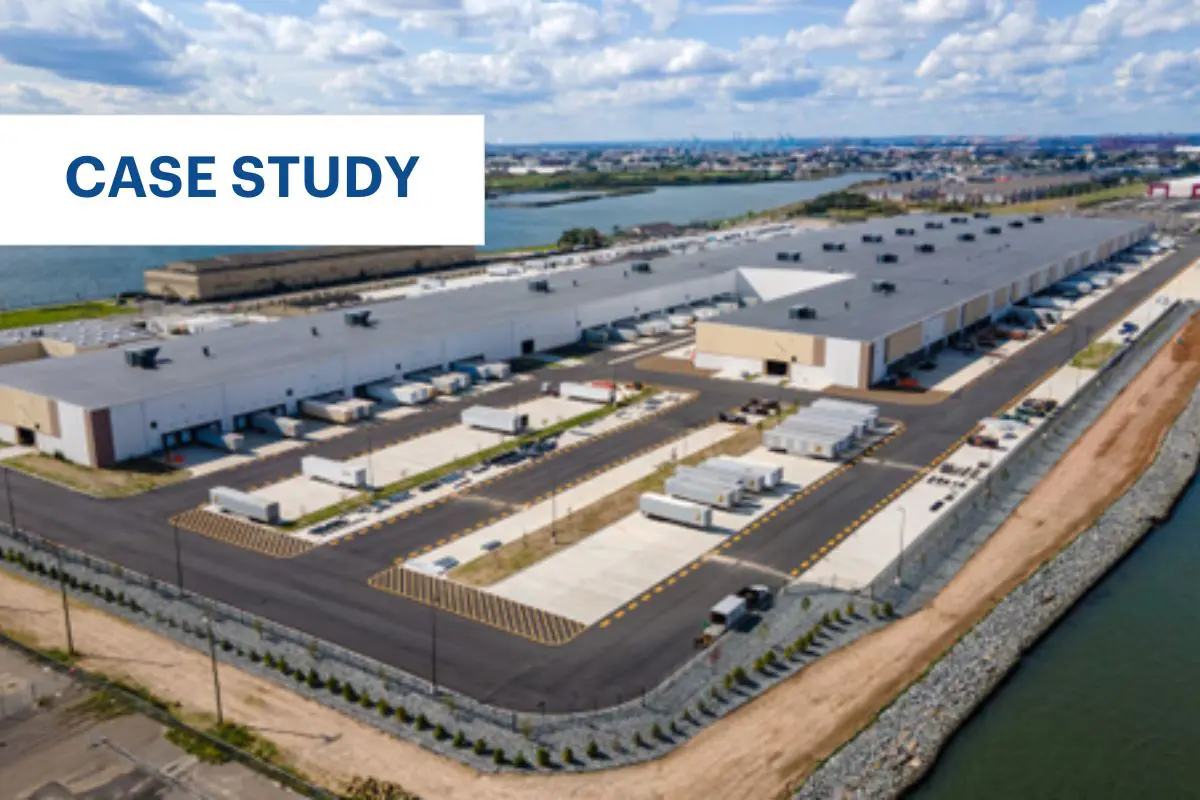
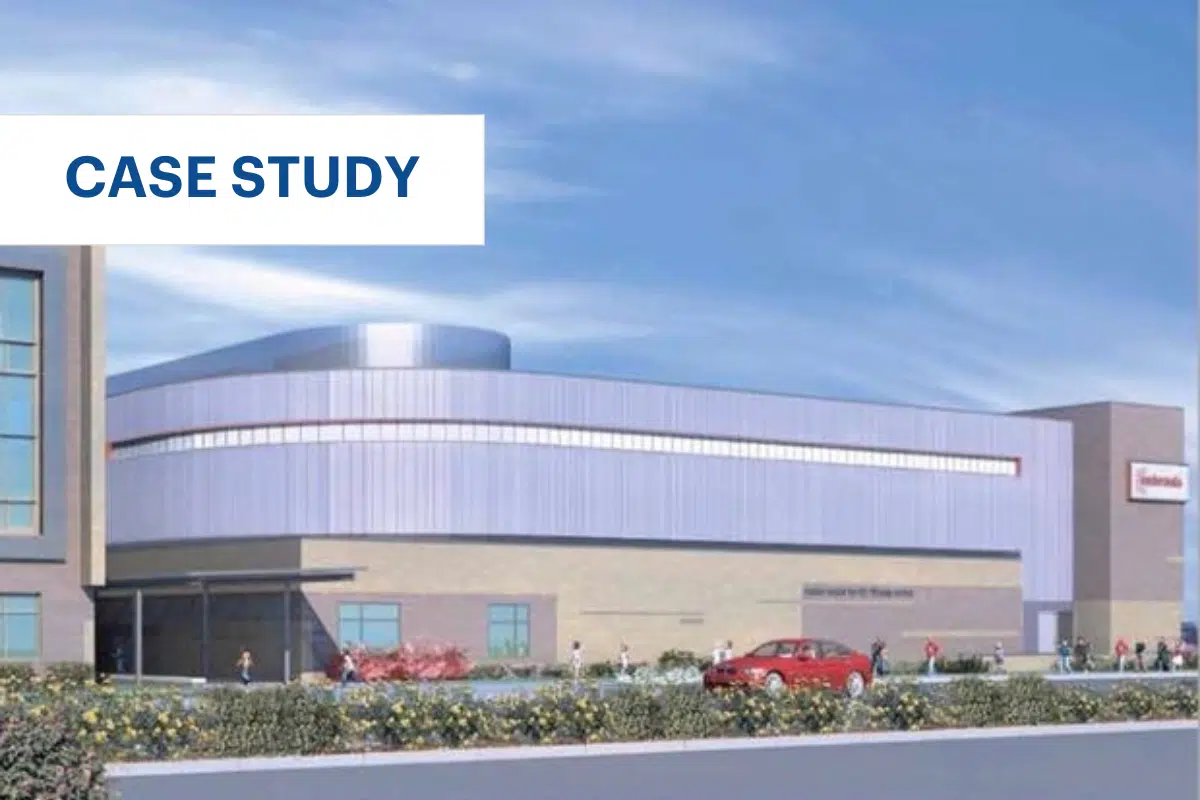
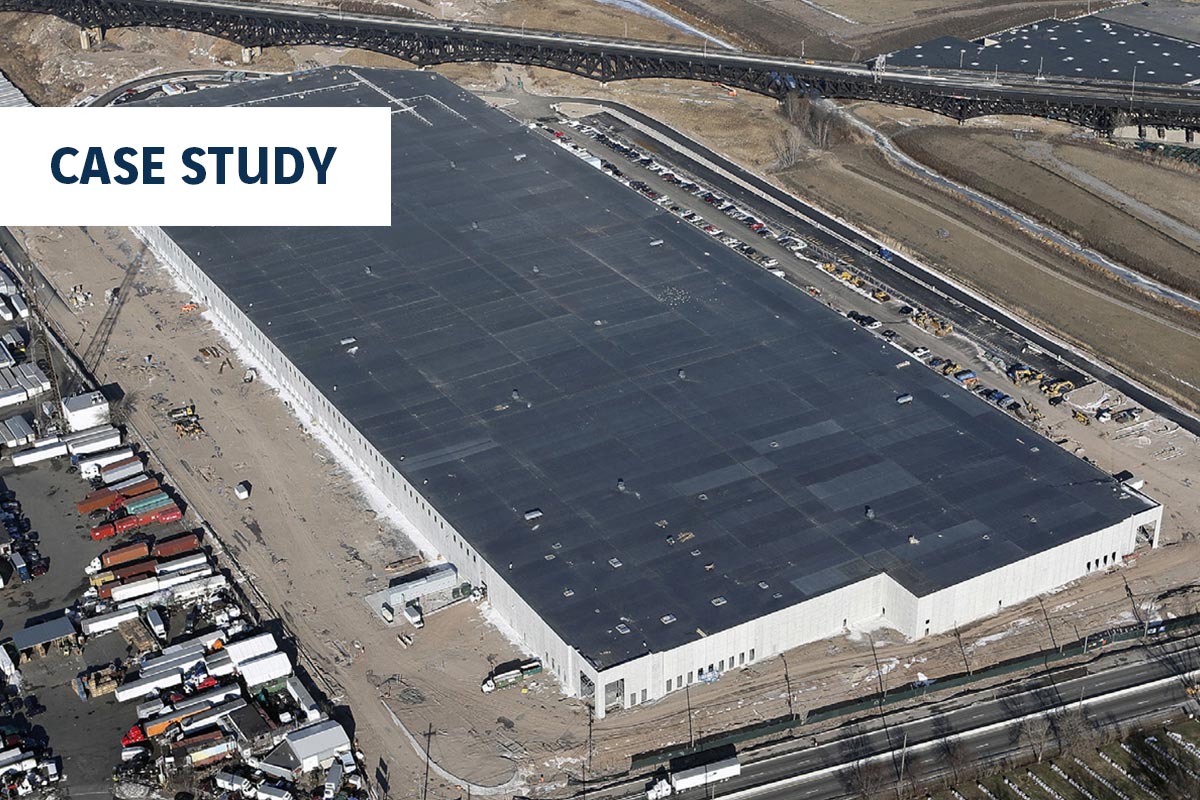
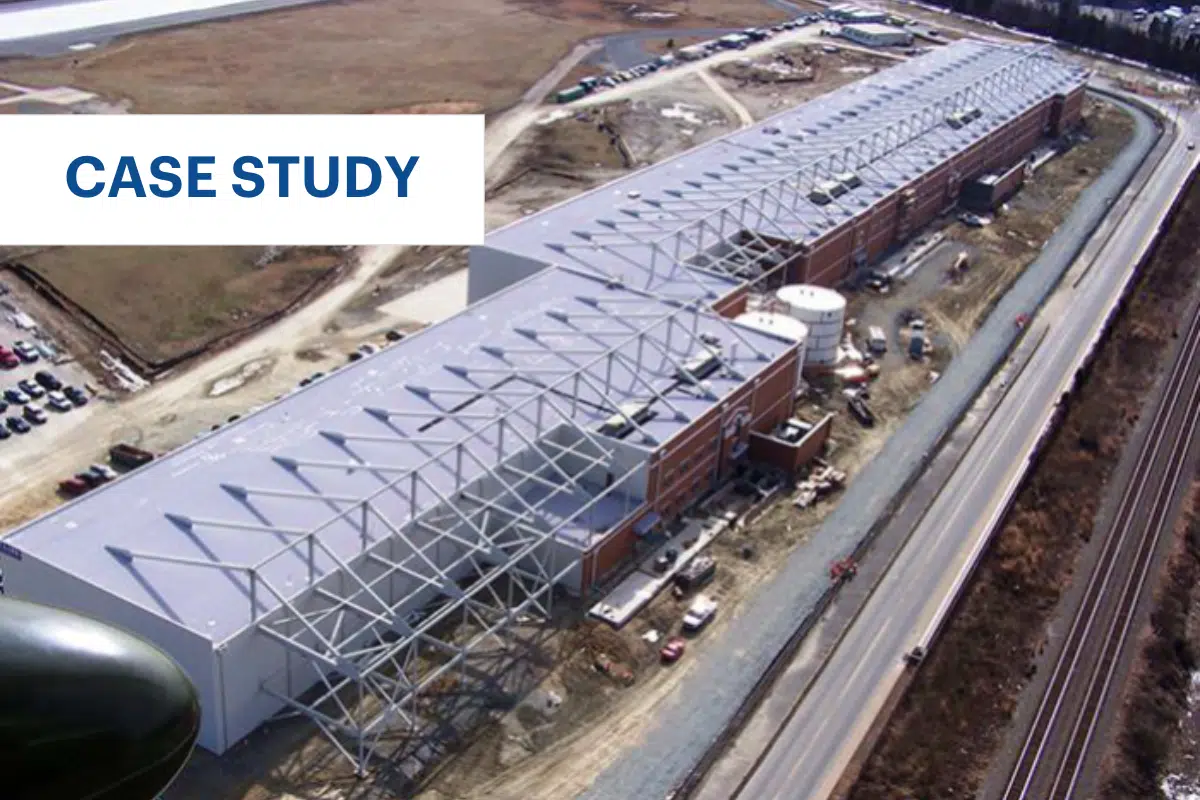
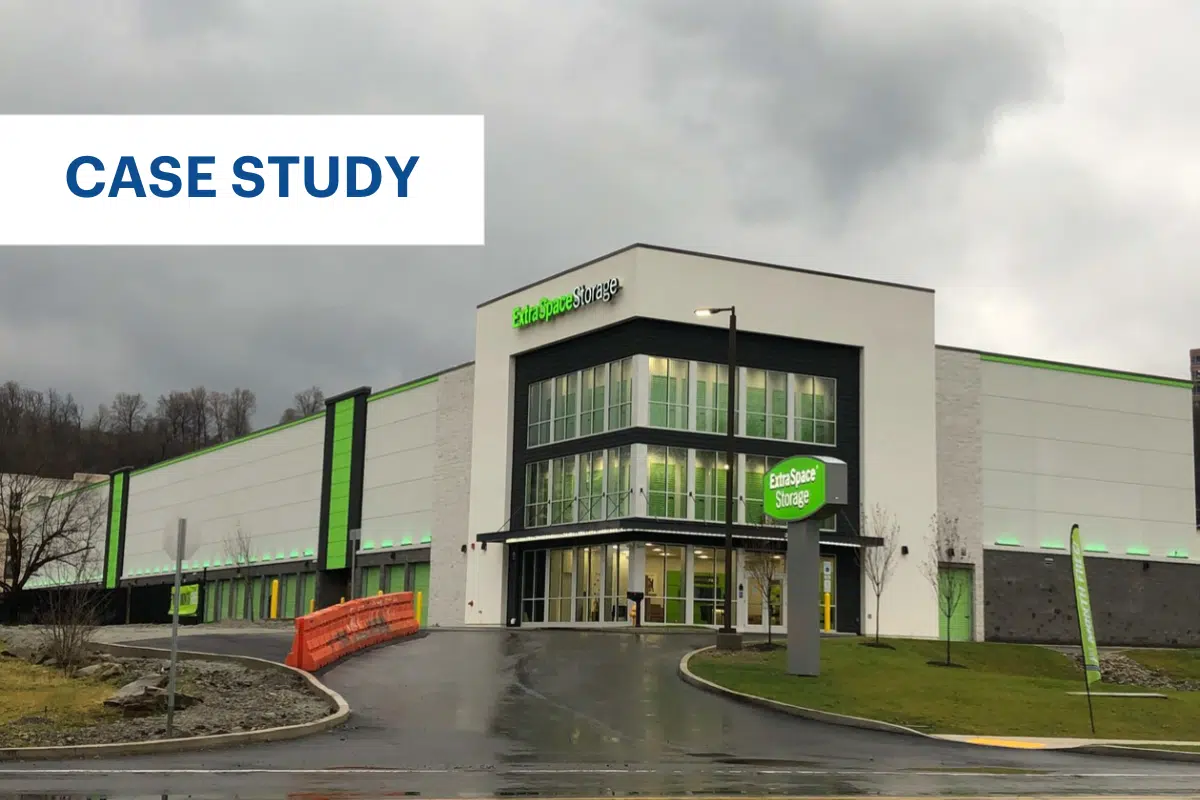
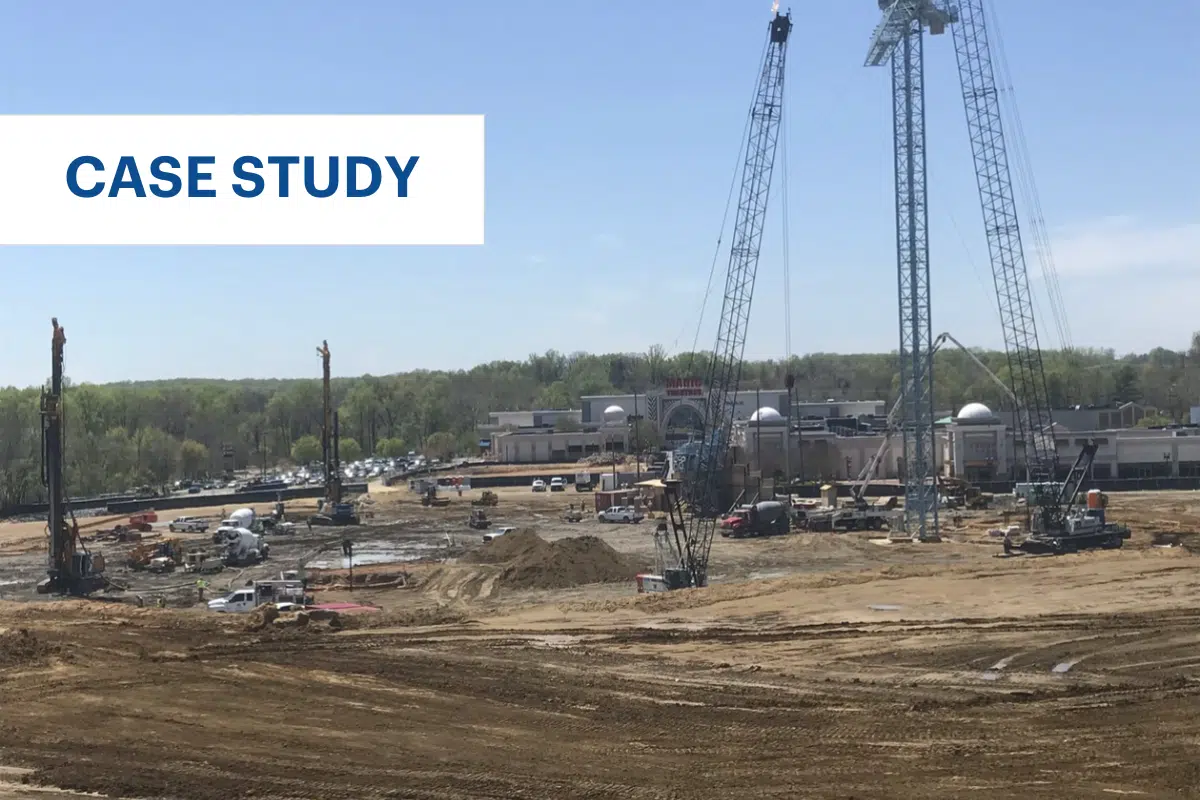
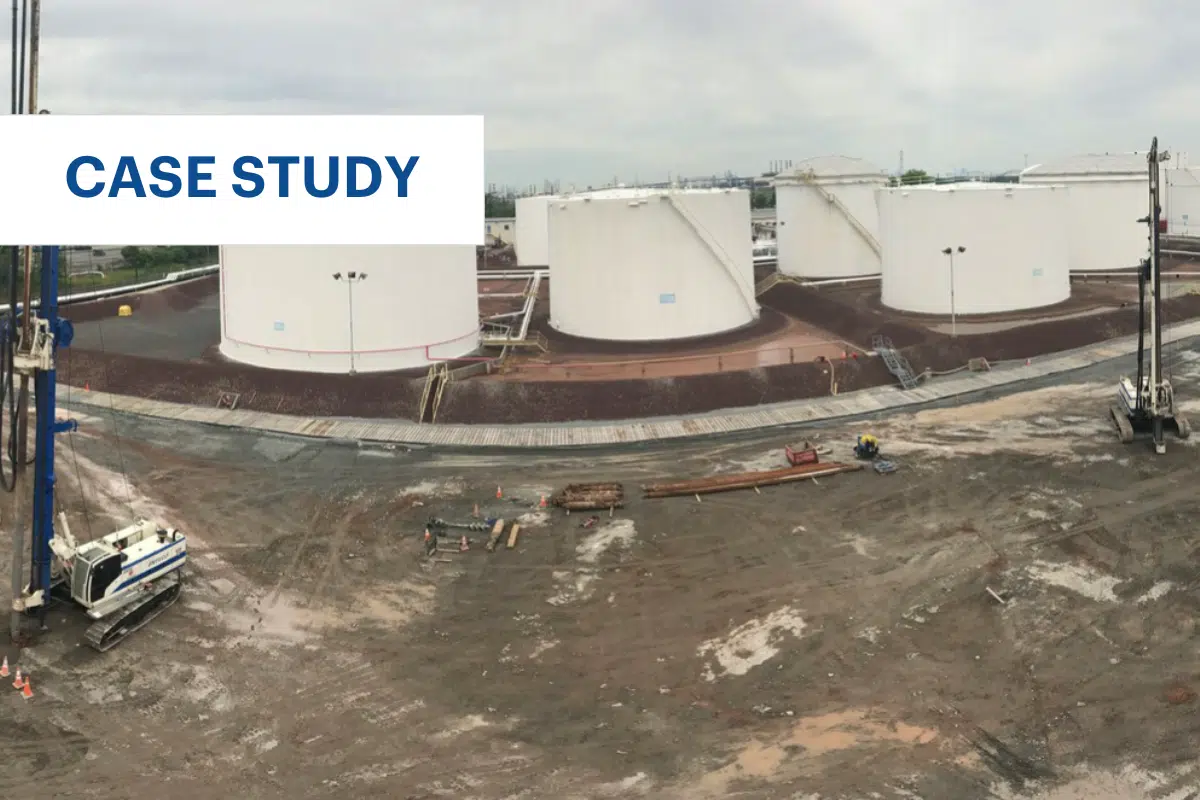
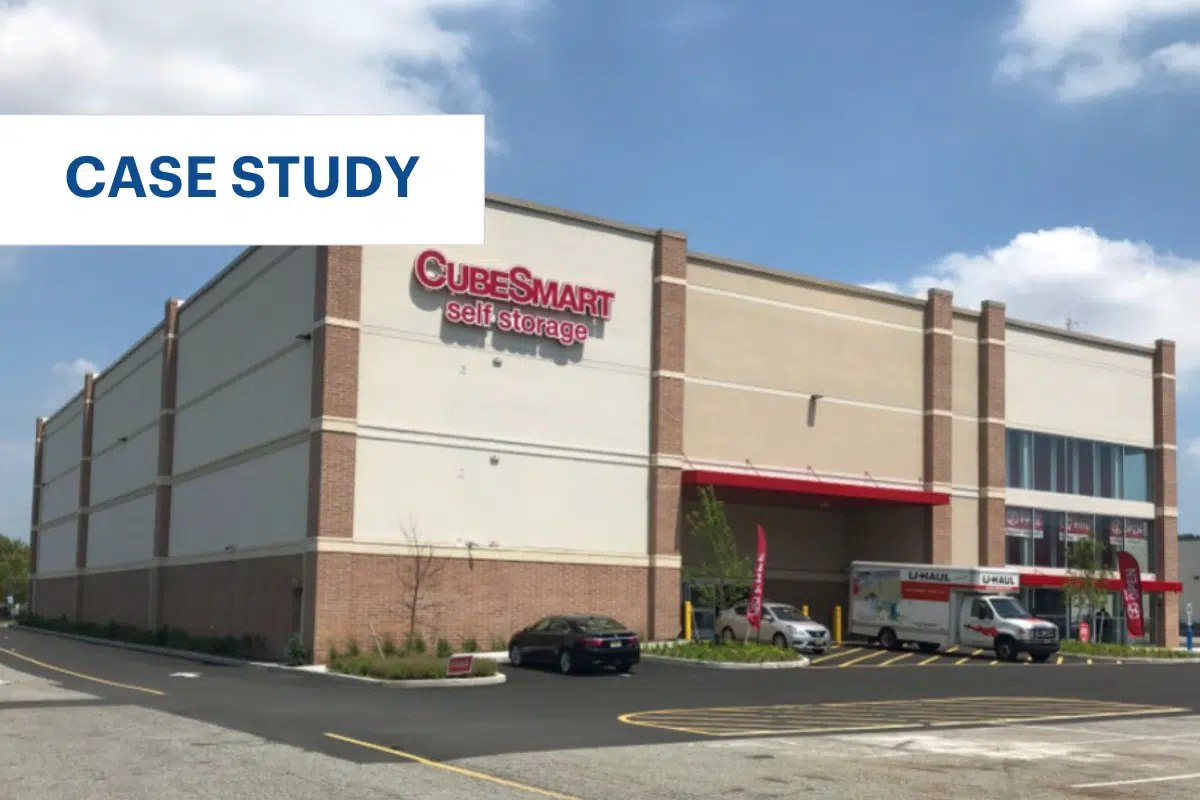
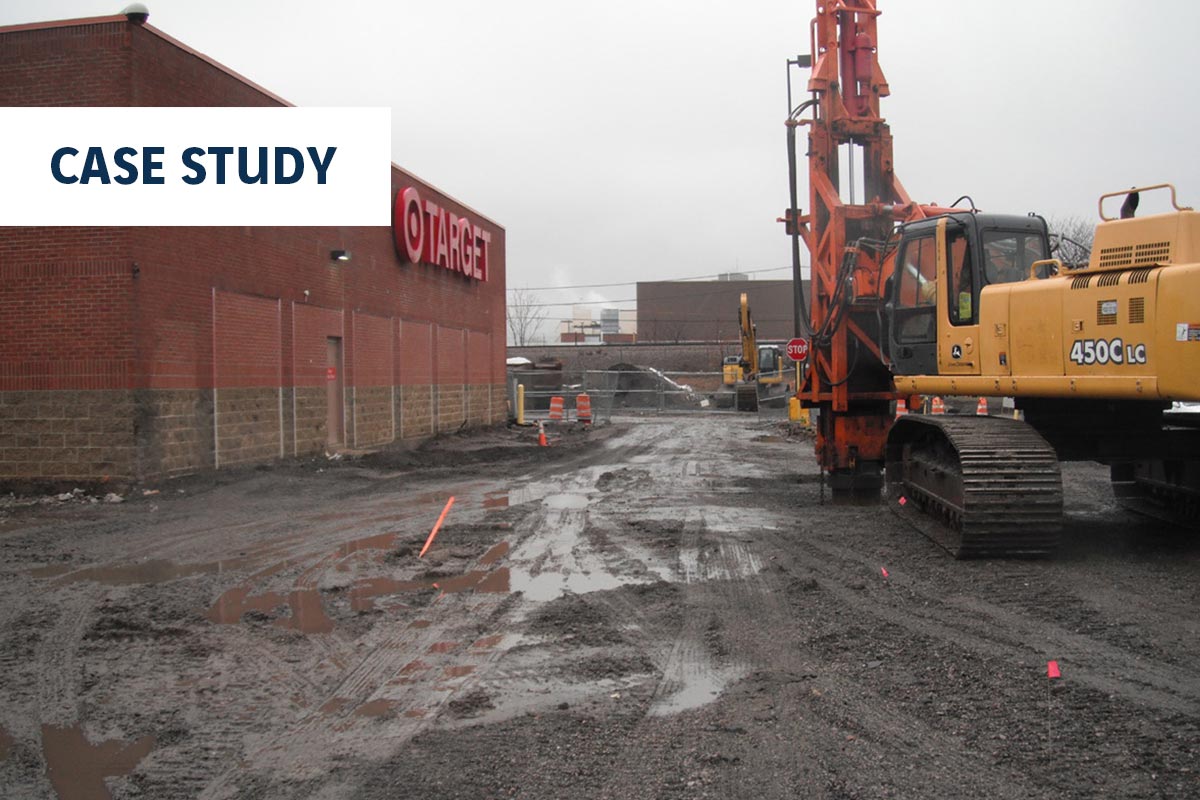
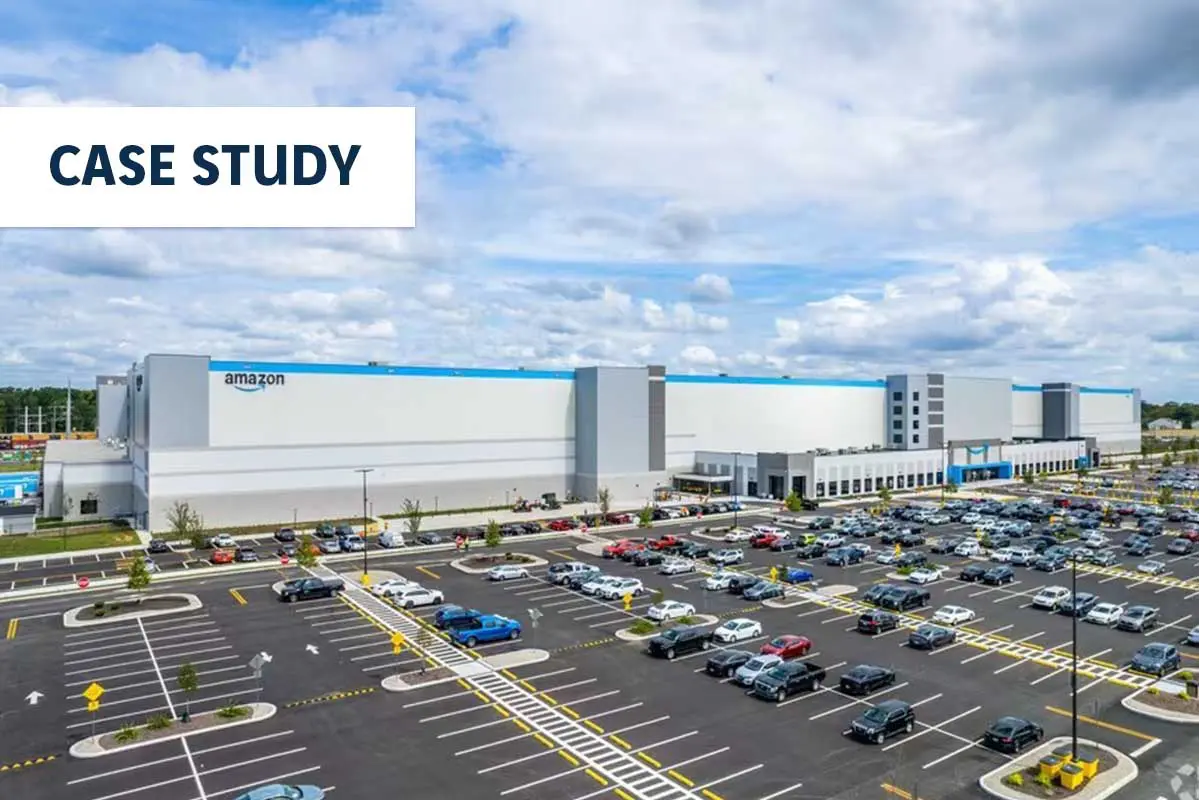
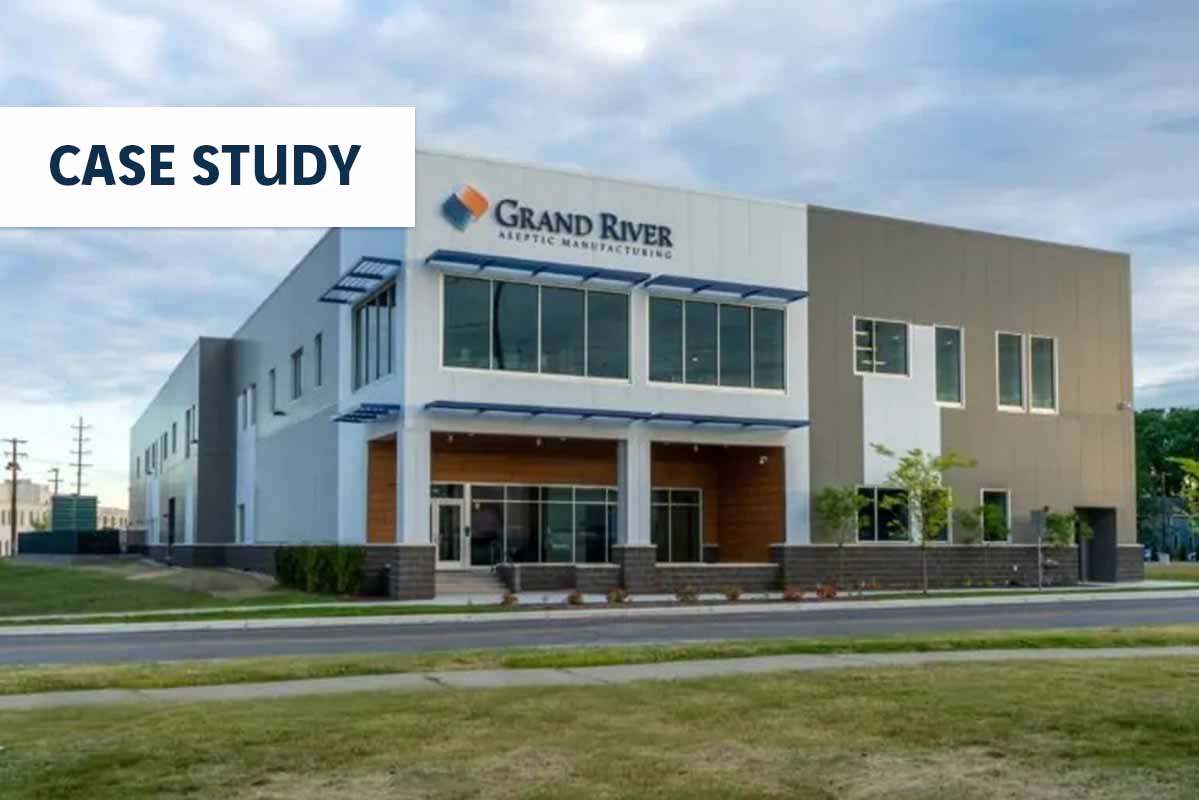
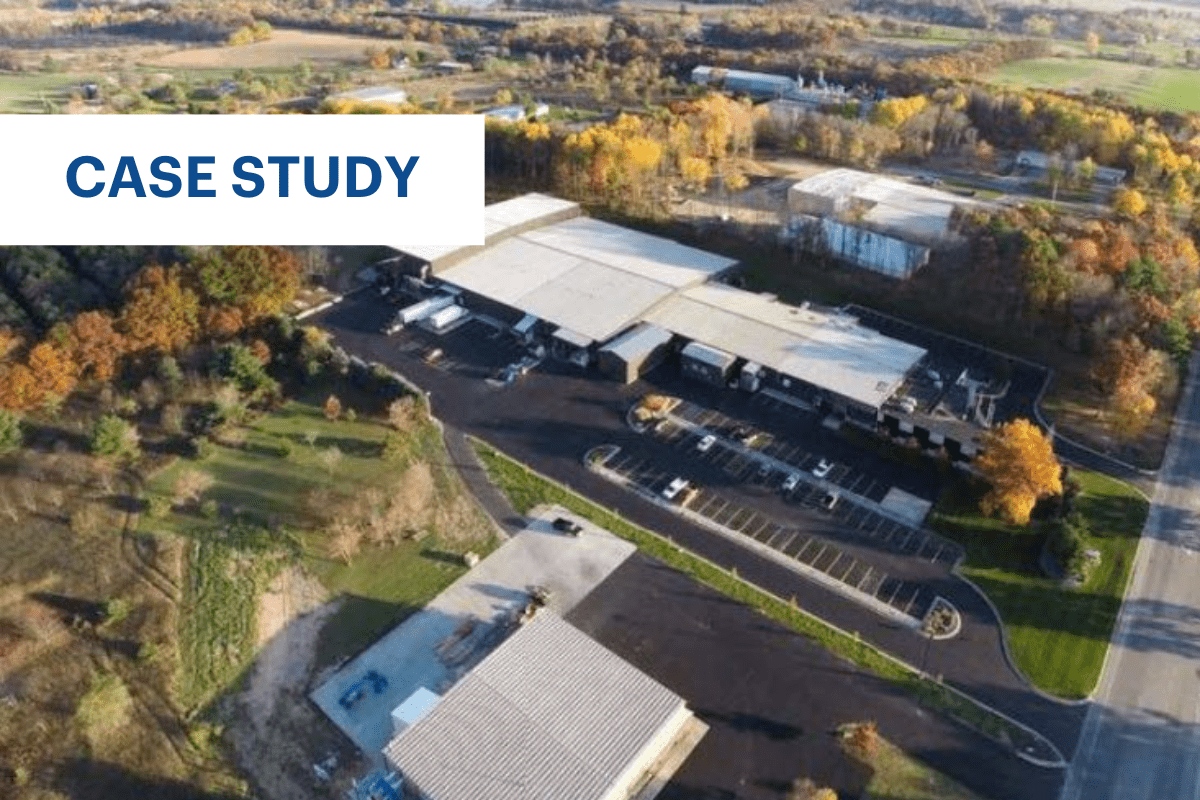
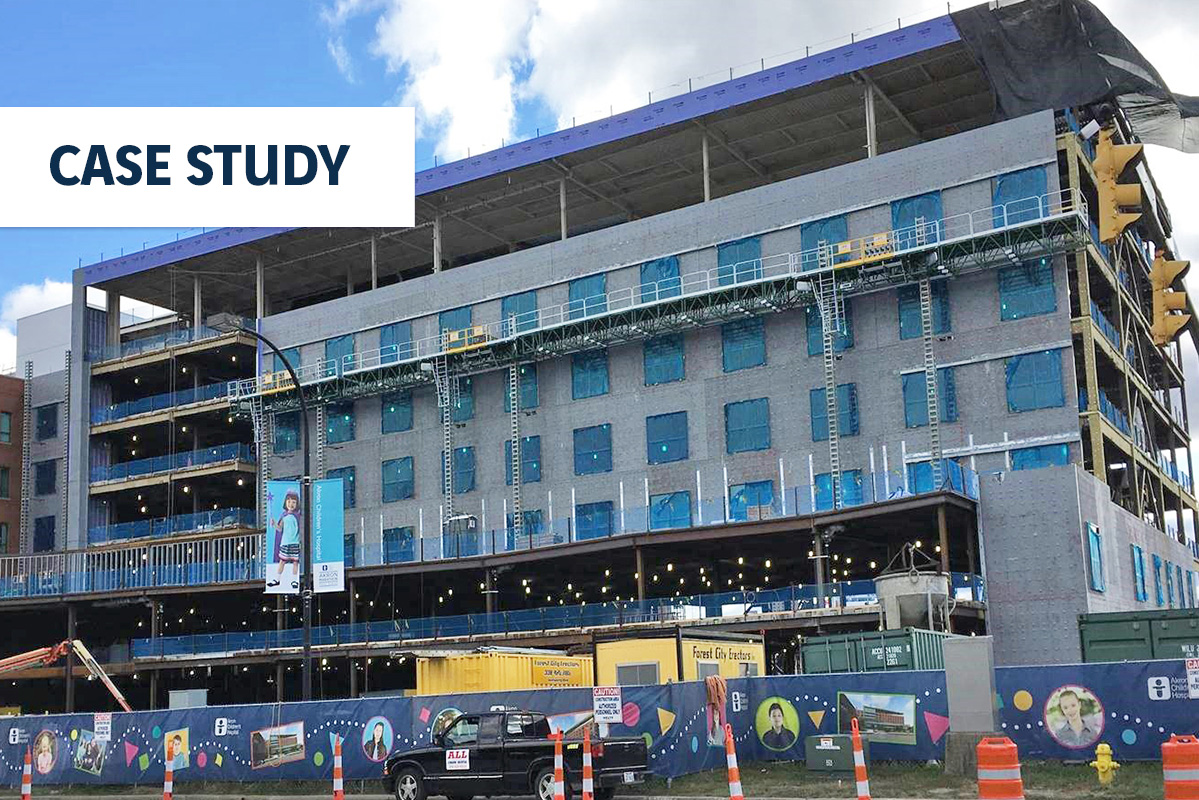
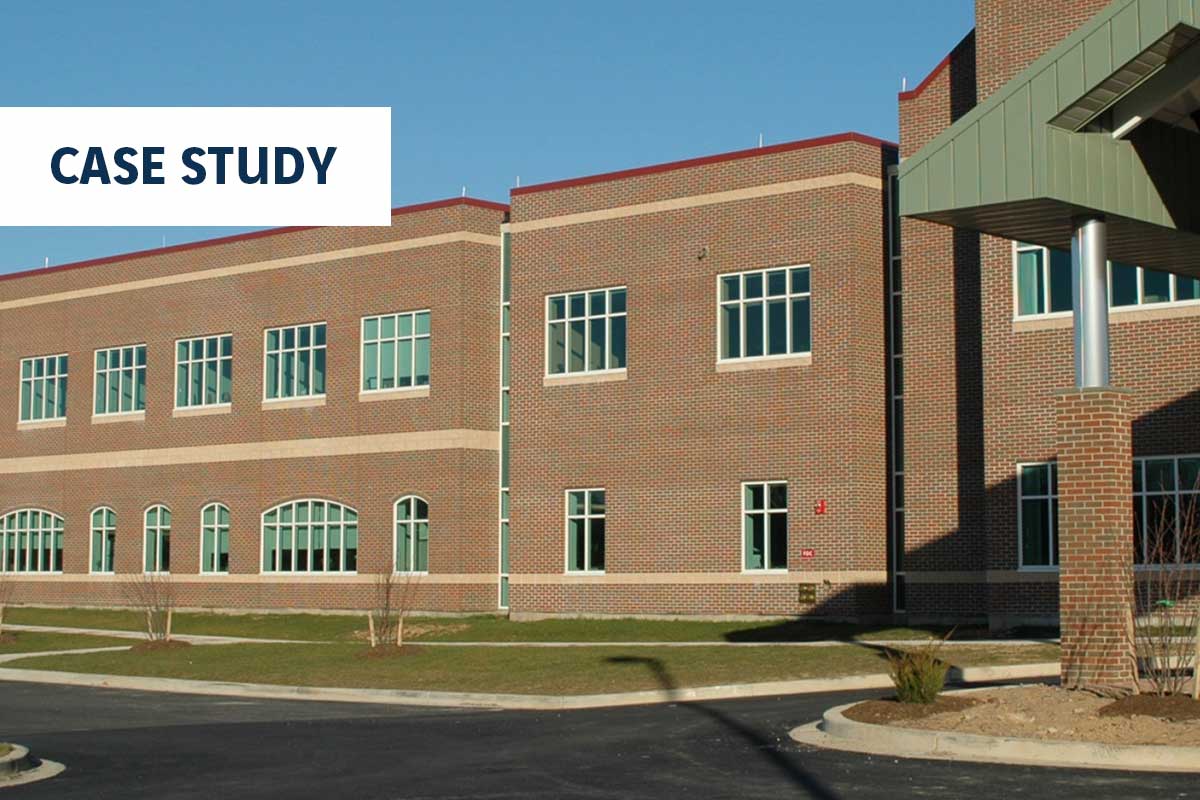
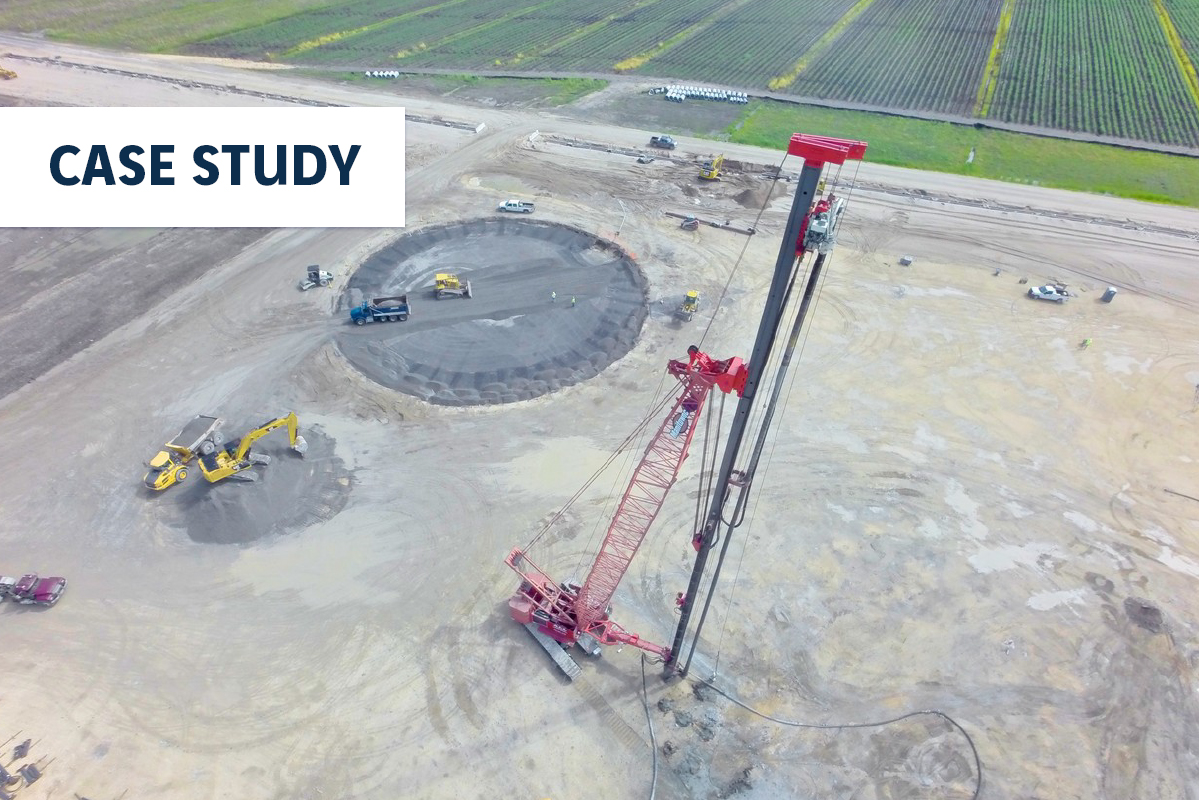
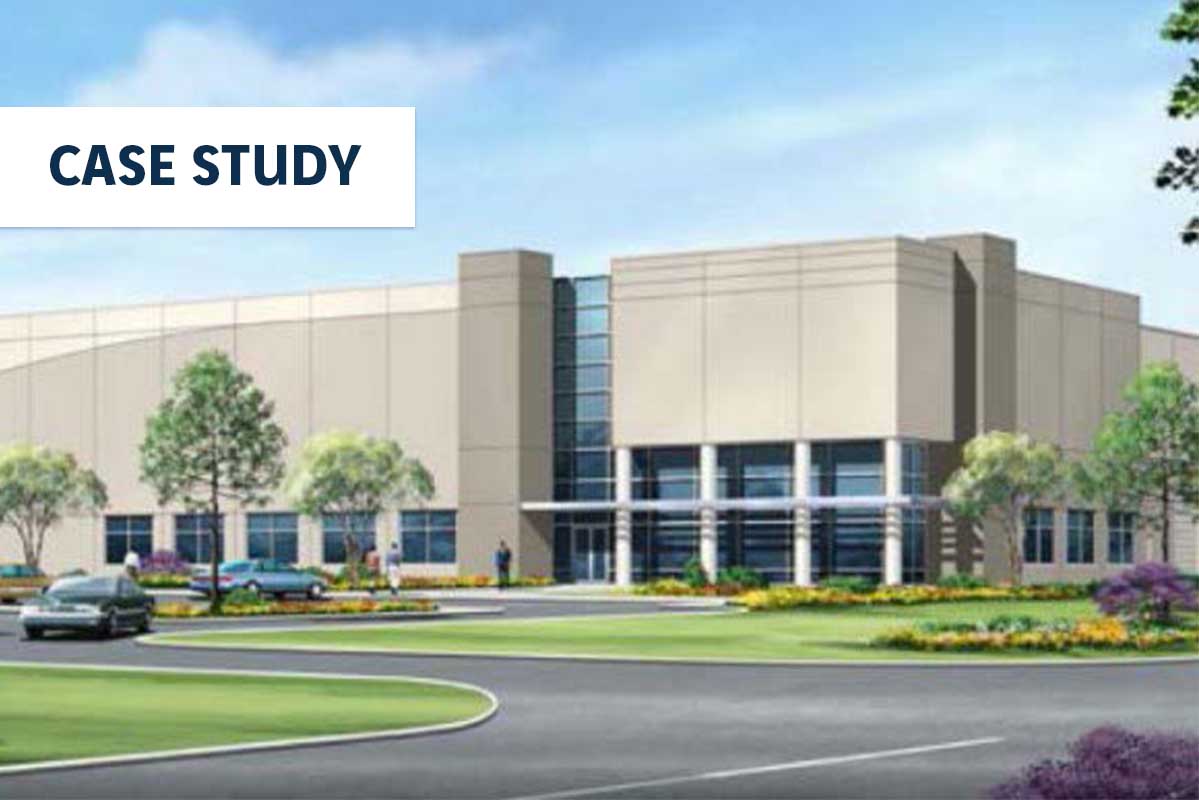
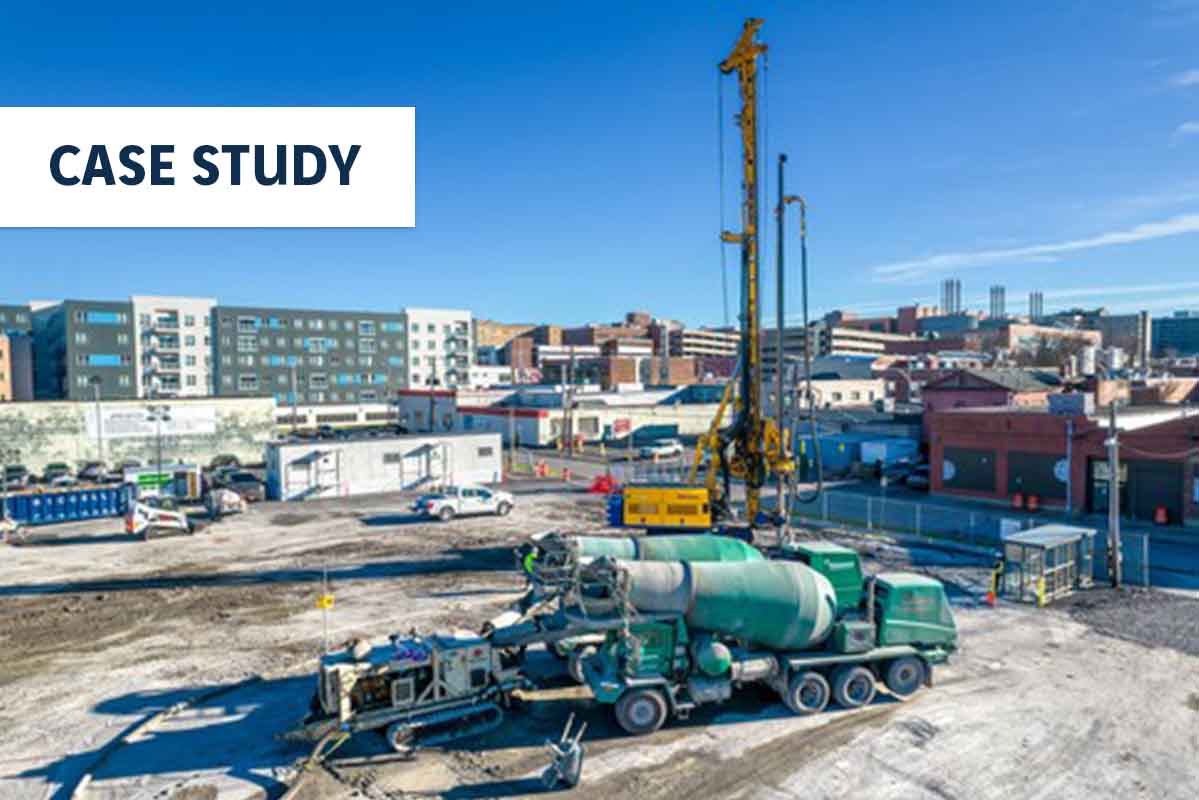
Rigid inclusions are widely used to support commercial and industrial buildings, particularly those requiring strong and consistent foundation performance. By reinforcing weak soils beneath a building, rigid inclusions increase stability, reduce settlement, and enhance slab and structure support. This makes them ideal for warehouses, manufacturing facilities, large retail stores, data centers, and distribution centers where heavy loads and expansive footprints demand reliable ground performance.
Infrastructure and Transportation Projects
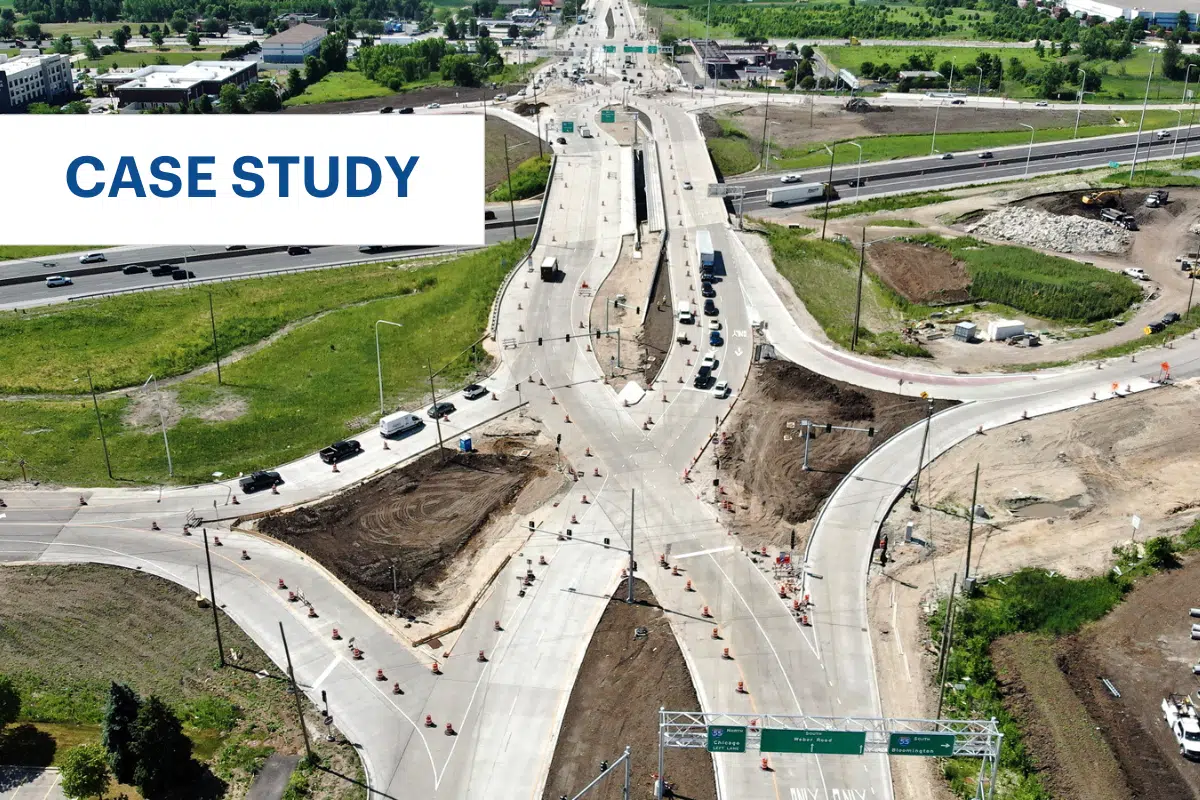
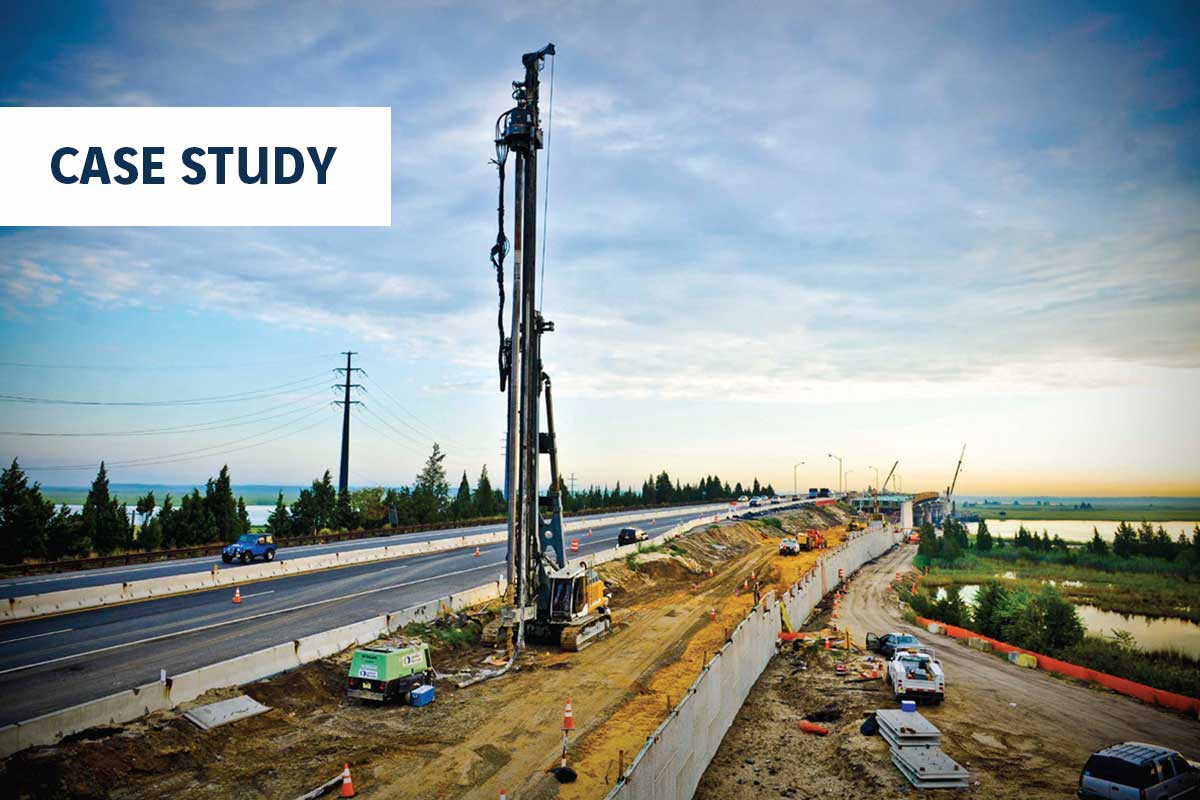
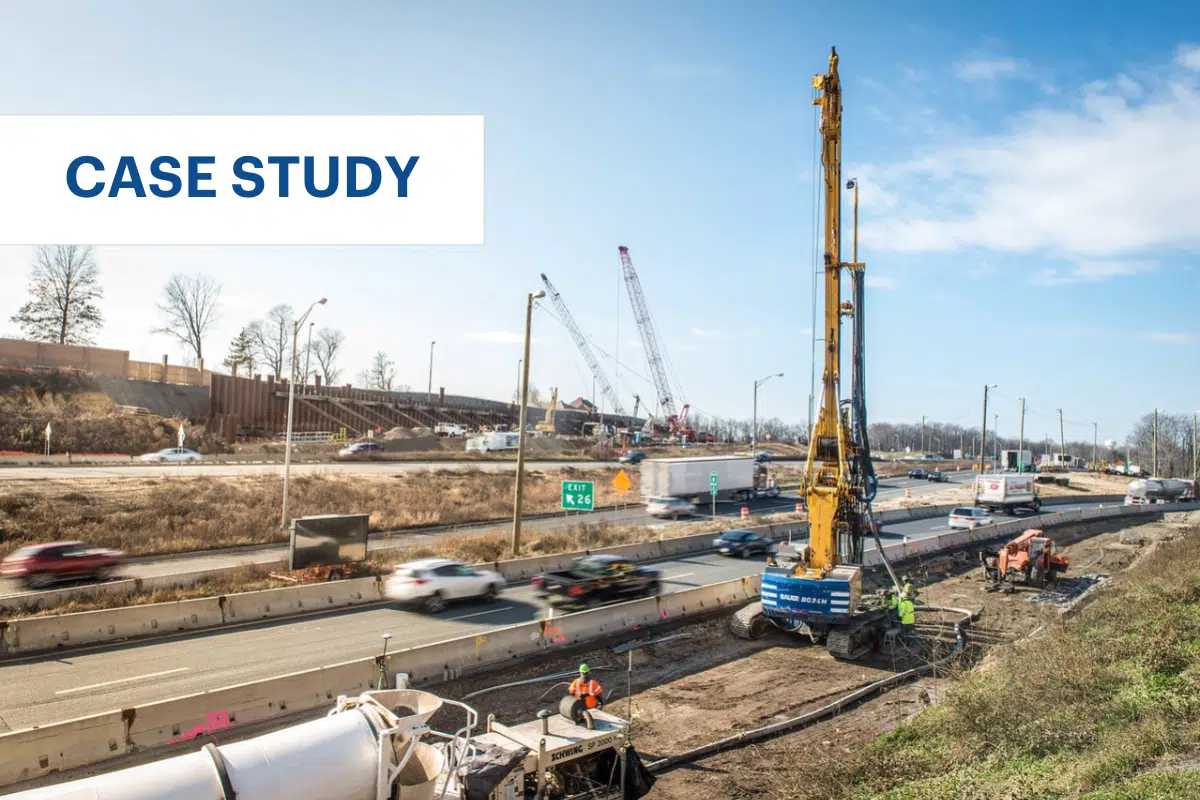
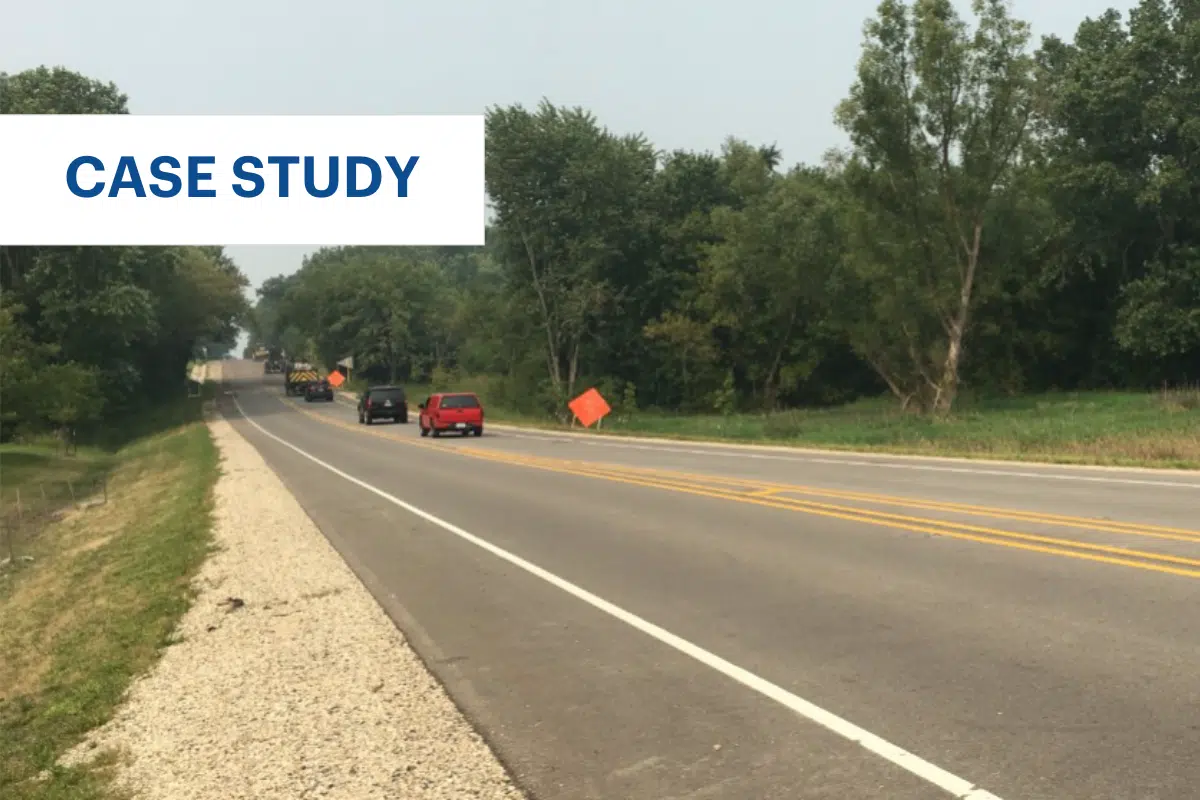
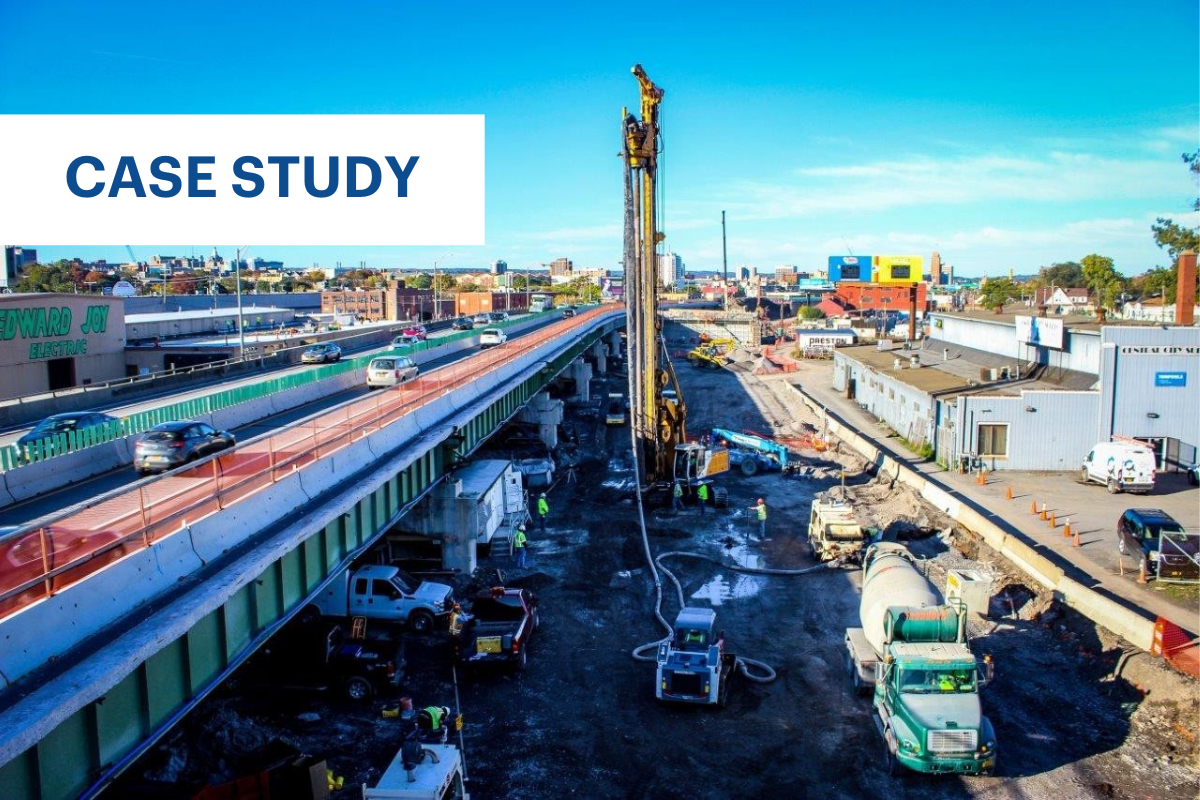
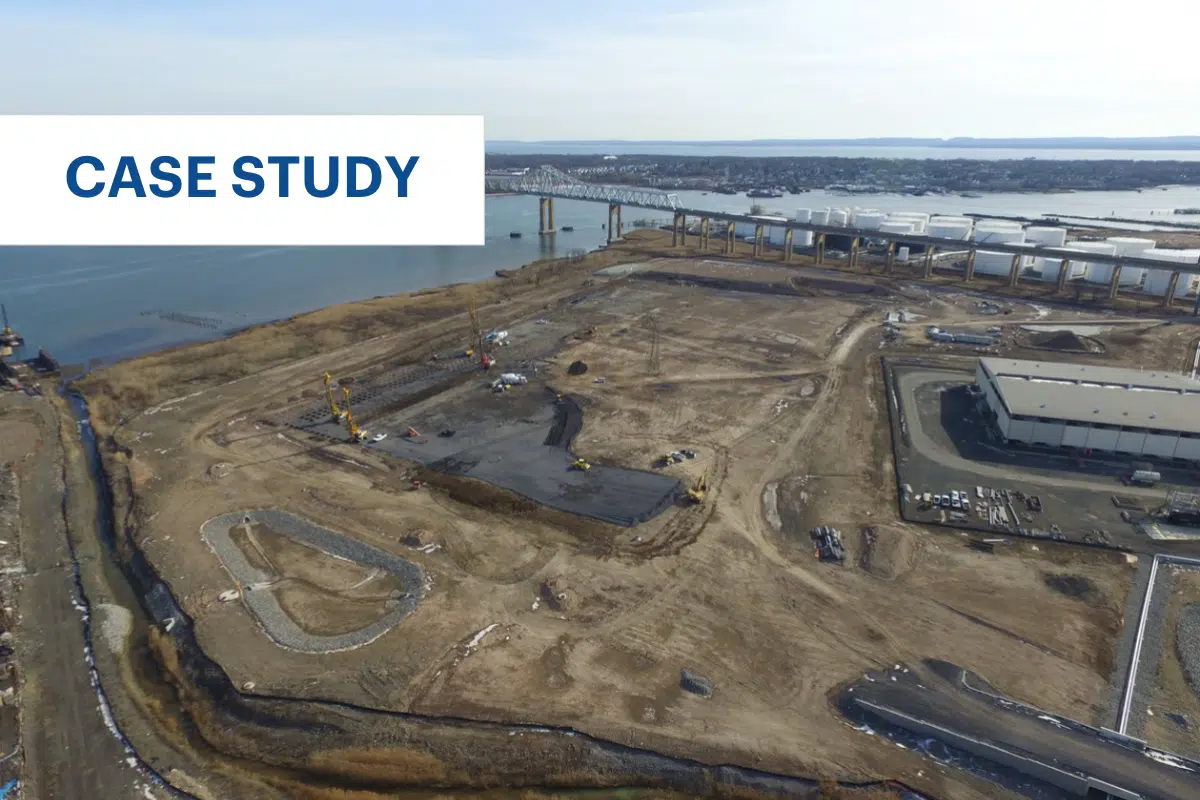
Rigid inclusions play a key role in infrastructure and transportation projects, providing foundational support for roads, bridges, rail systems, and airports. These inclusions improve stability in weak or variable soils and help manage load requirements for new construction projects. Their ability to limit settlement makes them an effective solution for embankments, approach fills, and other transportation‑related applications where long‑term performance is essential.
Residential Developments
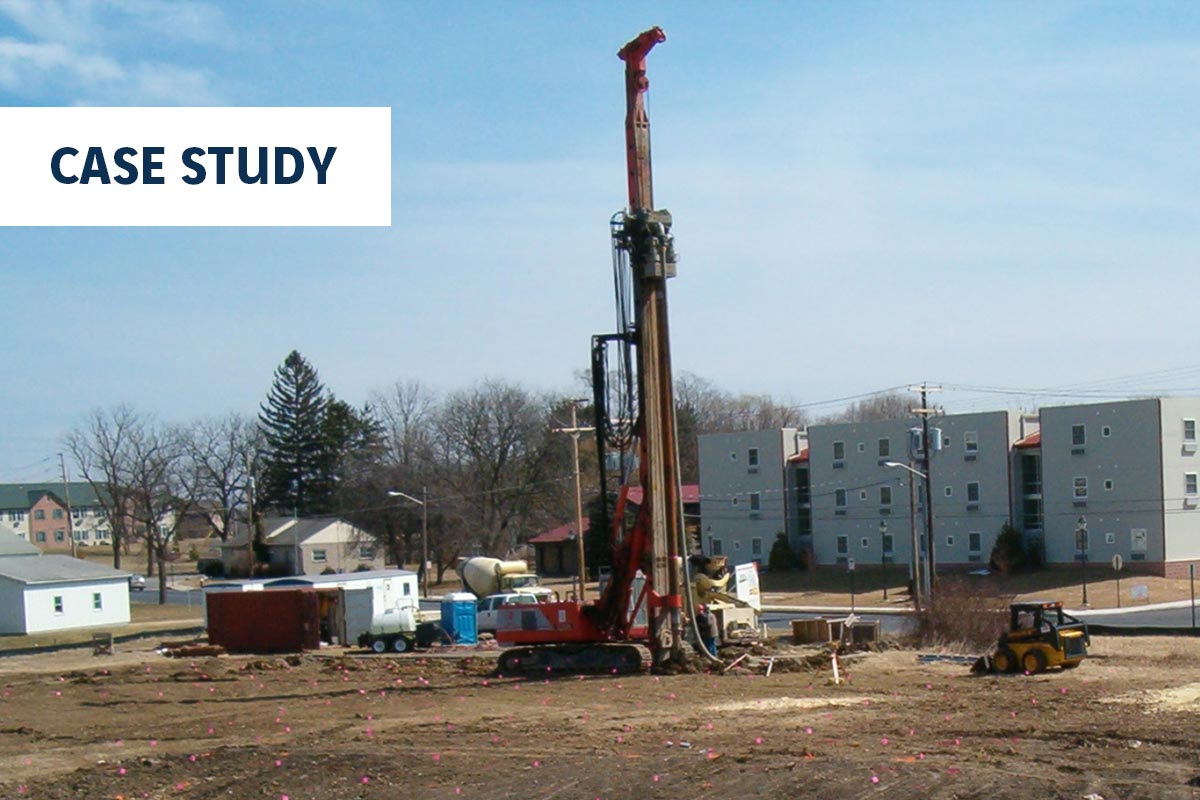
Rigid inclusions are frequently used in residential developments, especially in areas with soft, compressible, or inconsistent soils. They improve foundation performance for townhomes, multi‑family buildings, apartments, and community facilities. Because rigid inclusions can be installed beneath a variety of structure types, they help reduce differential settlement and ensure long‑term stability across neighborhoods and residential sites built on challenging ground conditions.
Retaining Structures and Embankments
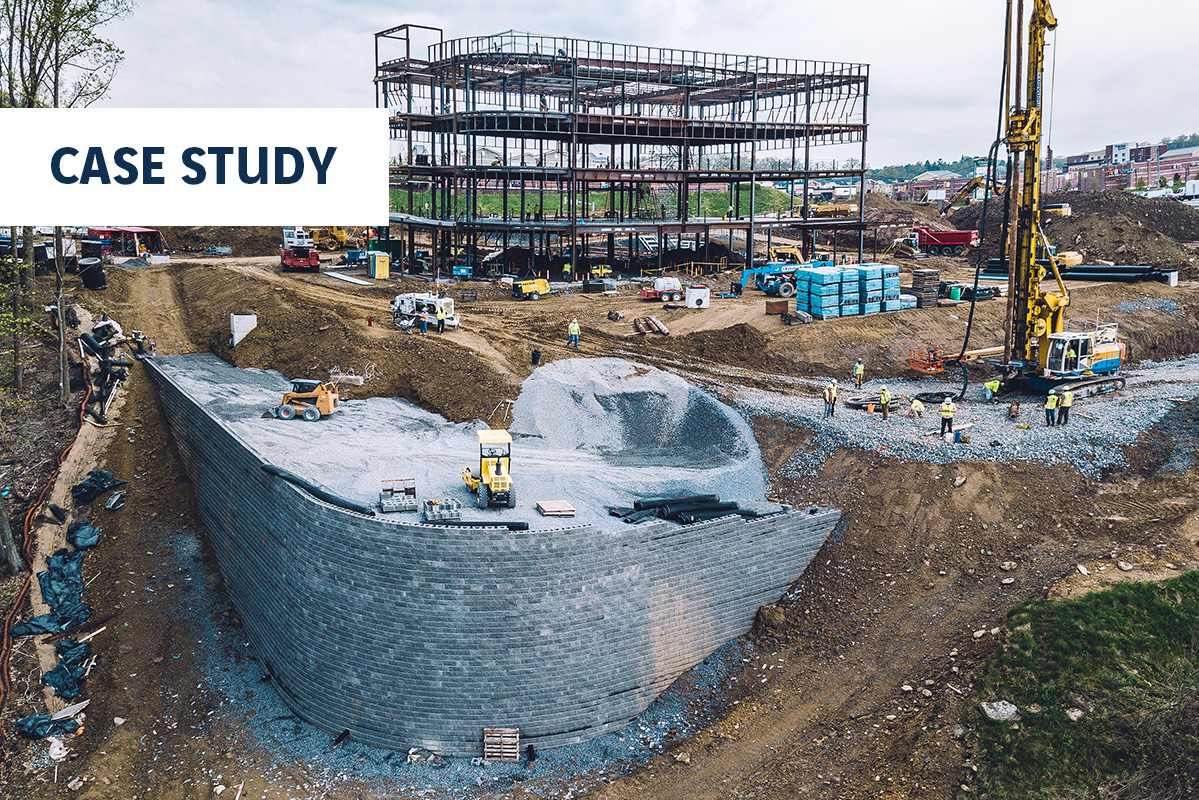
Rigid inclusions enhance the performance of retaining structures and embankments by providing vertical reinforcement in weak soils. They help improve slope stability, reduce settlement, and support the surrounding soil mass. This makes them effective for roadway embankments, retaining walls, berms, and other earth‑supported systems where controlling deformation and maintaining long‑term support are critical.
Watch how CMCs are installed in this 3D animation!
Learn more! Watch Controlled Modulus Columns (CMC)® in action!
Frequently Asked Questions About Rigid Inclusions
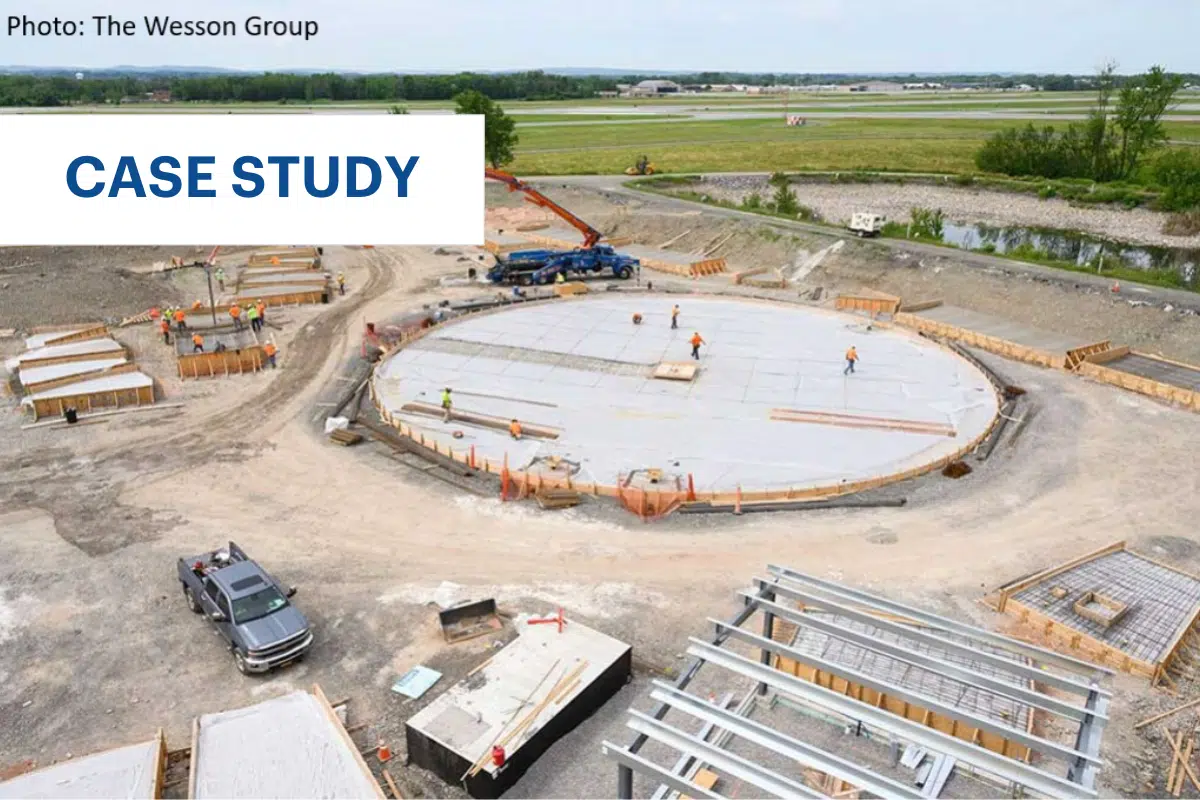
Yes. Rigid inclusions can support heavy load demands for a wide variety of structures. Their increased stiffness and load‑sharing behavior make them well-suited for structural applications such as industrial buildings, warehouses, tanks, bridge approaches, and other facilities requiring strong and consistent ground support. Design considerations typically include load magnitude, settlement criteria, soil conditions, and required system stiffness.
Several types of testing are used to ensure proper installation and verify performance. These may include grout monitoring to document volumes and pressures, modulus or load testing to evaluate stiffness, and inspection of equipment logs to ensure construction parameters meet design requirements. Together, these quality checks help confirm that each rigid inclusion meets project specifications.
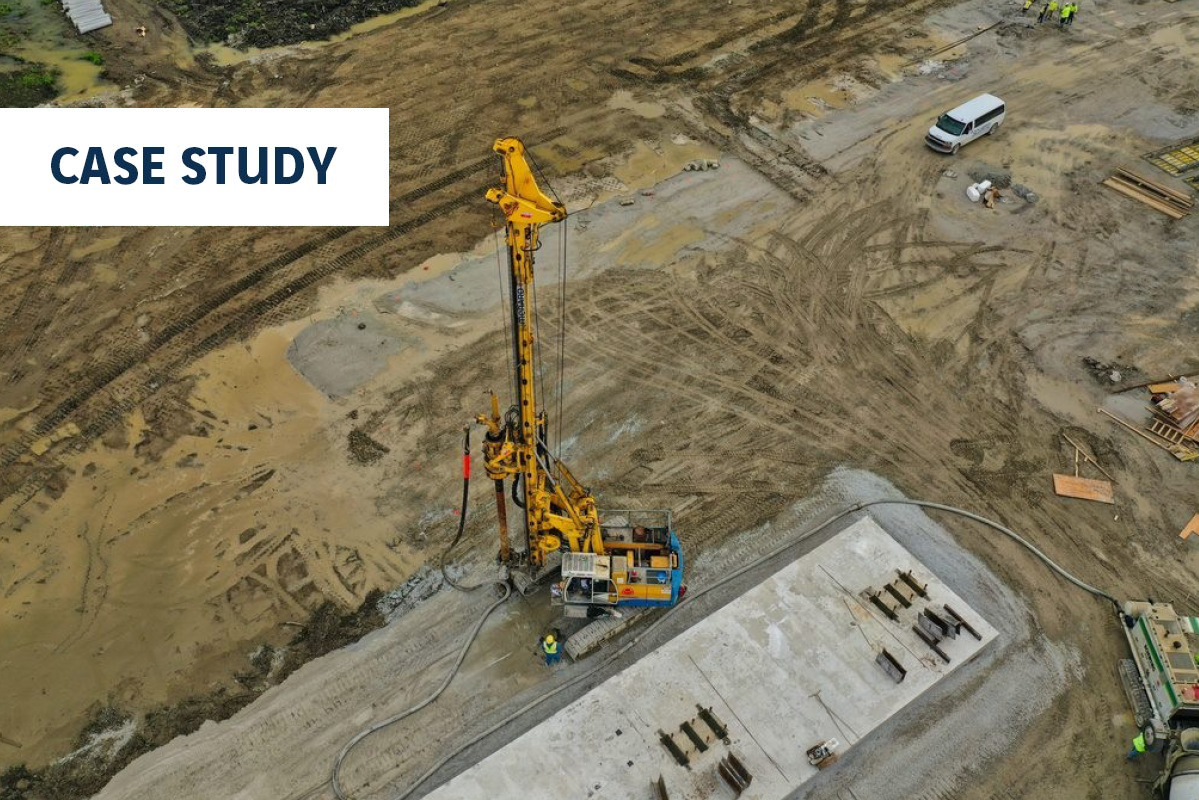
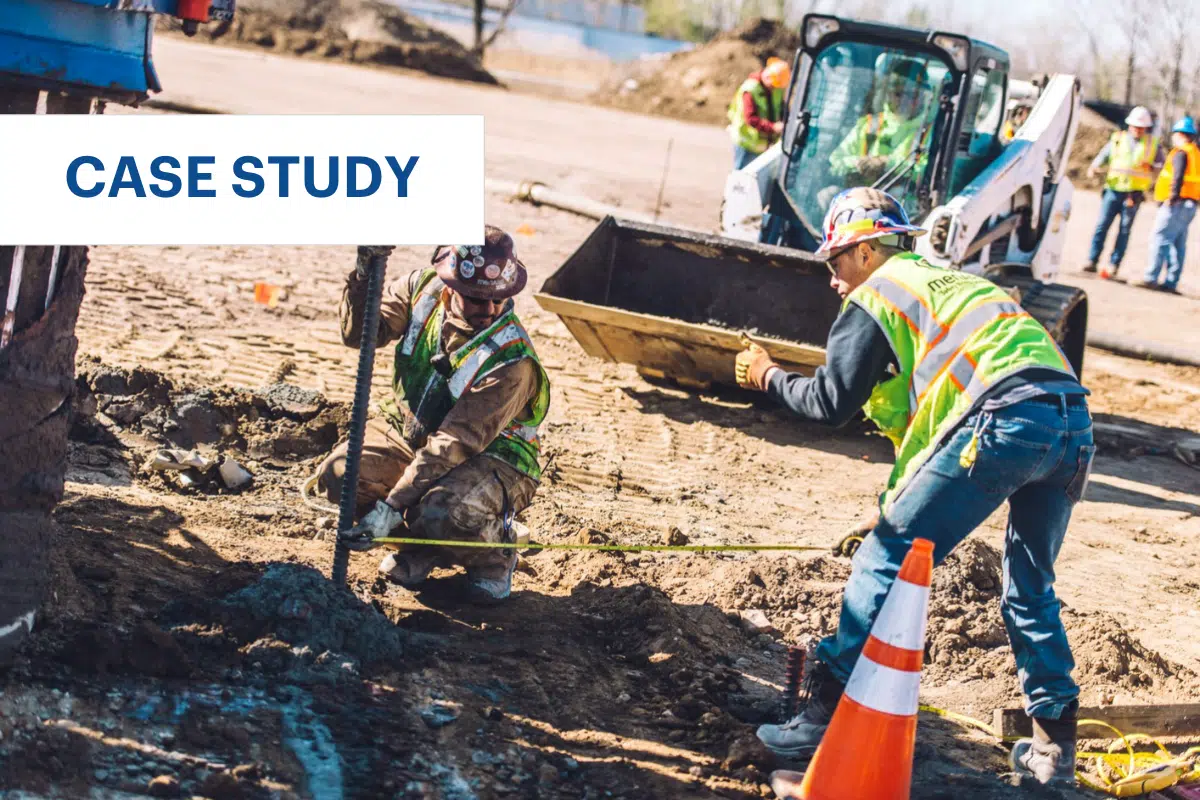
The typical installation process for rigid inclusions begins with site preparation and layout of the column grid. Rigid inclusions are typically installed using displacement drilling techniques, where specialized tooling is advanced to the required depth and grout is pumped during withdrawal to form the column. This displacement‑based approach generates minimal spoil and creates consistent, high‑quality inclusions. After all inclusions are installed using the planned pattern, crews complete the process by placing a load transfer layer and foundation system above the improved ground.
The typical installation process for rigid inclusions begins with site preparation and layout of the column grid. Rigid inclusions are typically installed using displacement drilling techniques, where specialized tooling is advanced to the required depth, and grout is pumped during withdrawal to form the column. This displacement‑based approach generates minimal spoil and creates consistent, high‑quality inclusions. After all inclusions are installed using the planned pattern, crews complete the process by placing a load transfer layer and foundation system above the improved ground.
Why Choose Menard?
Menard USA delivers expert rigid inclusion solutions designed to meet the unique demands of your site and structure. As a recognized leader in the design and installation of rigid inclusions, we bring decades of specialized experience to projects requiring improved soil performance, enhanced foundation support, and reliable settlement control. Our team applies advanced displacement drilling techniques and rigorous quality standards to ensure every system performs as intended and integrates seamlessly into your project requirements.
Contact us today to learn how rigid inclusions can strengthen your foundation and improve ground performance.