
Cheniere CCL3 Campus
Cheniere CCL3 Campus
Project Details:
Owner/Direct Client: Cheniere Energy
Date of Work: June 2024 - August 20024
Engineer: Fugro
Approximate Key Quantities: Controlled Modulus Columns (CMC)® - 2,000 EA. and Shallow Soil Mixing 104,000 yd³
Description:
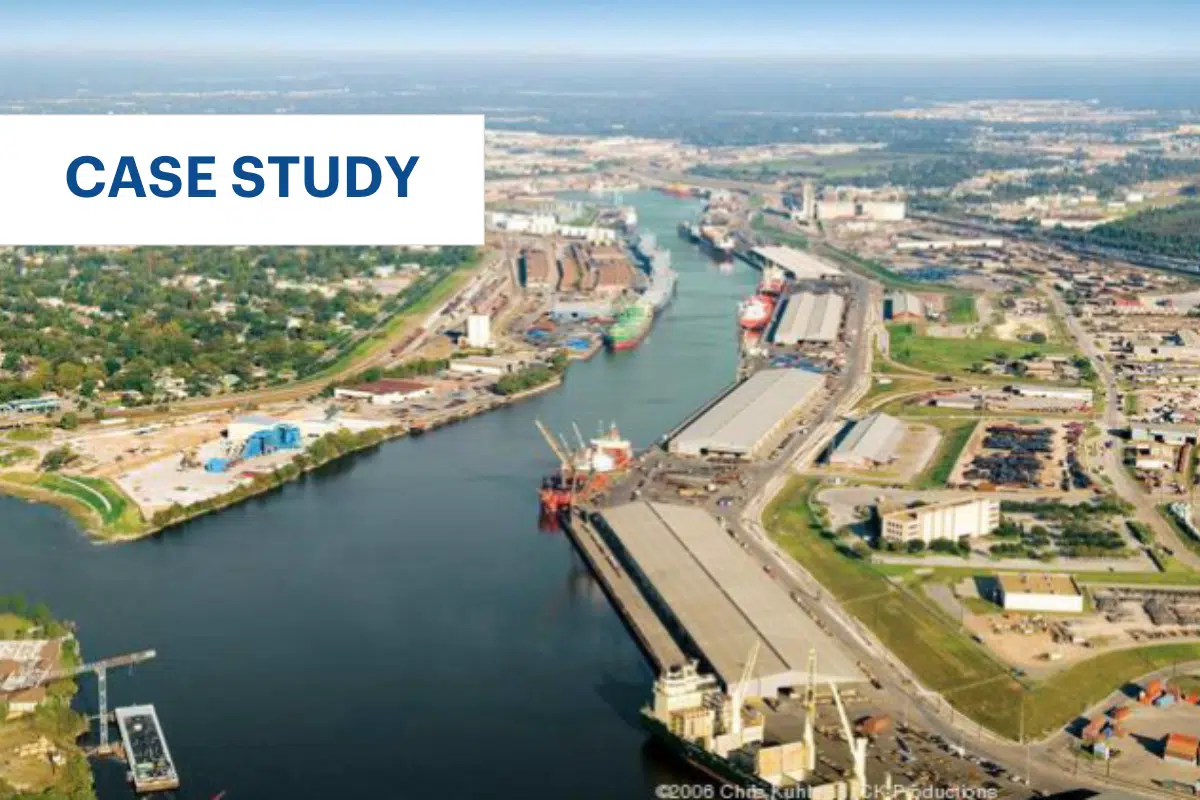
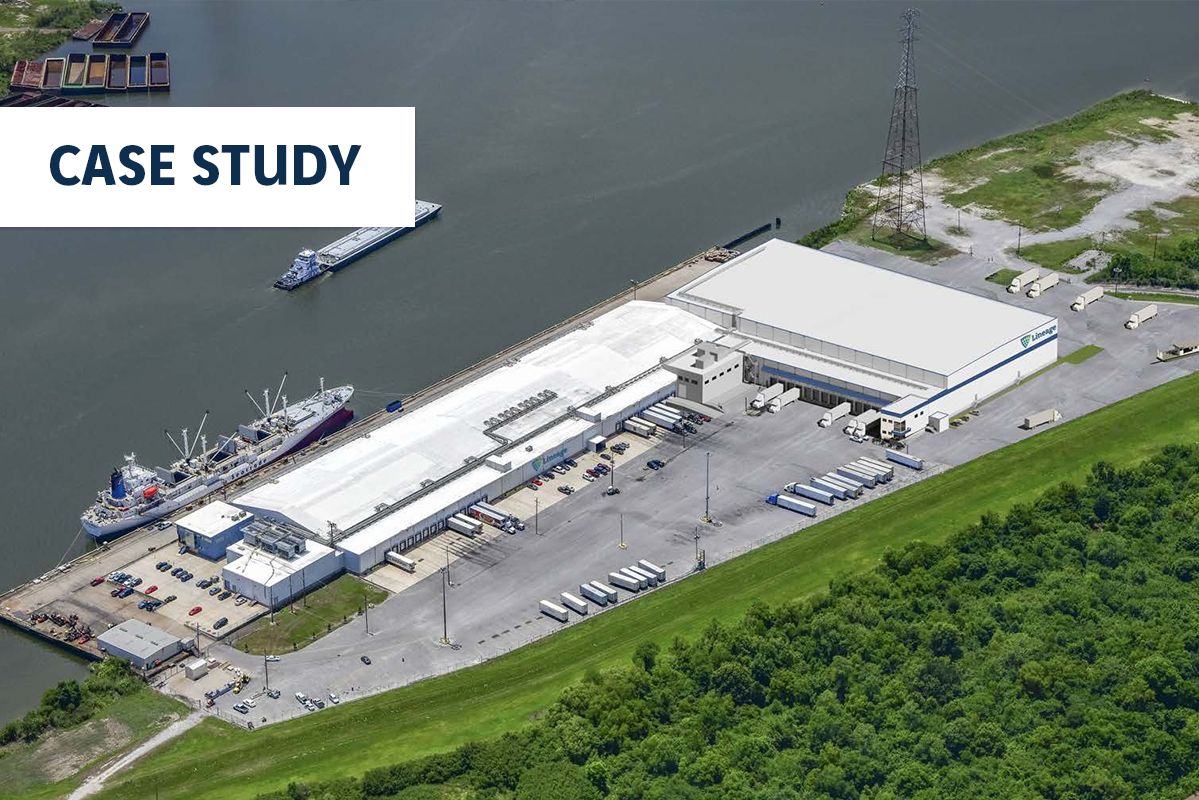
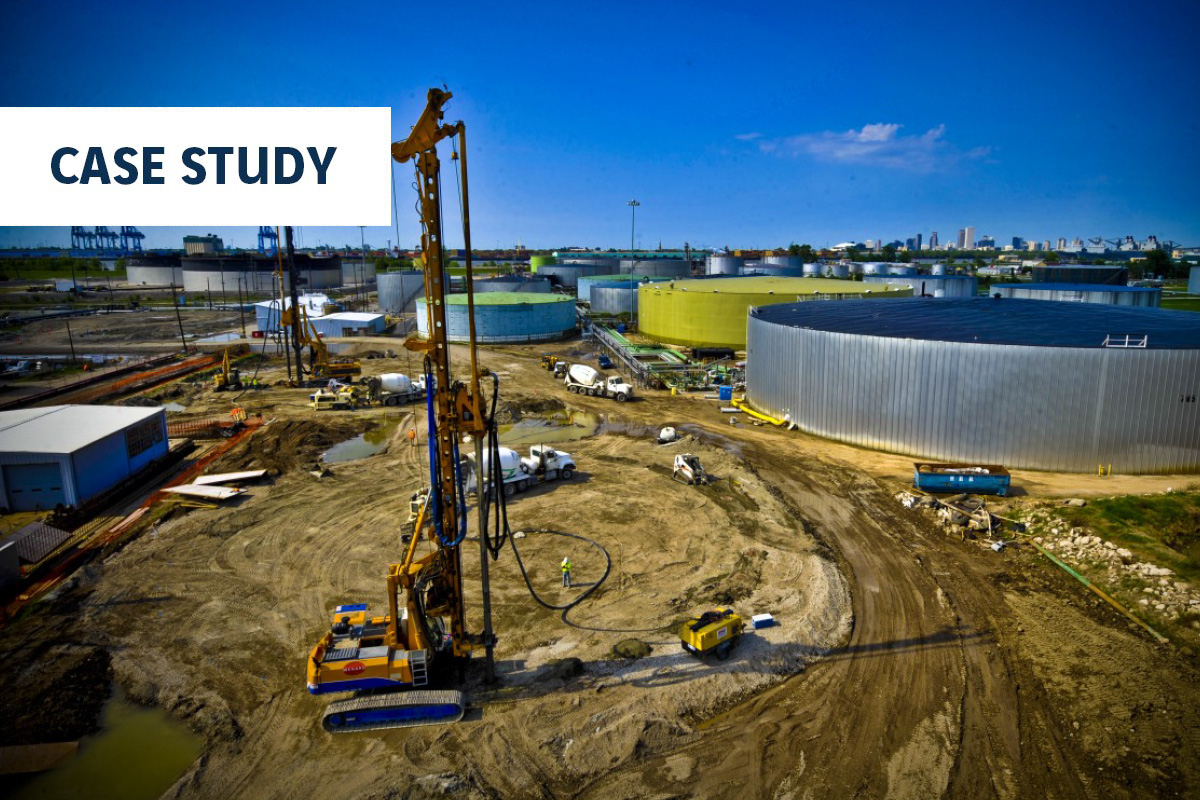
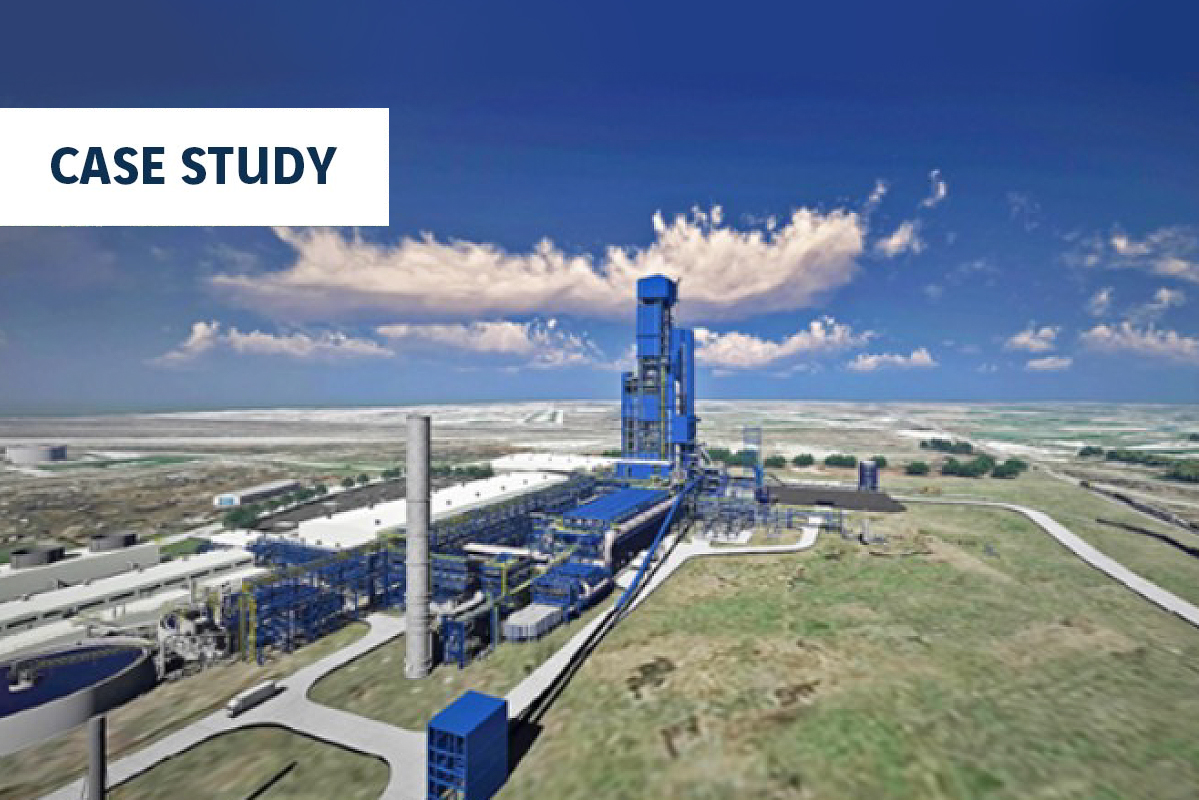
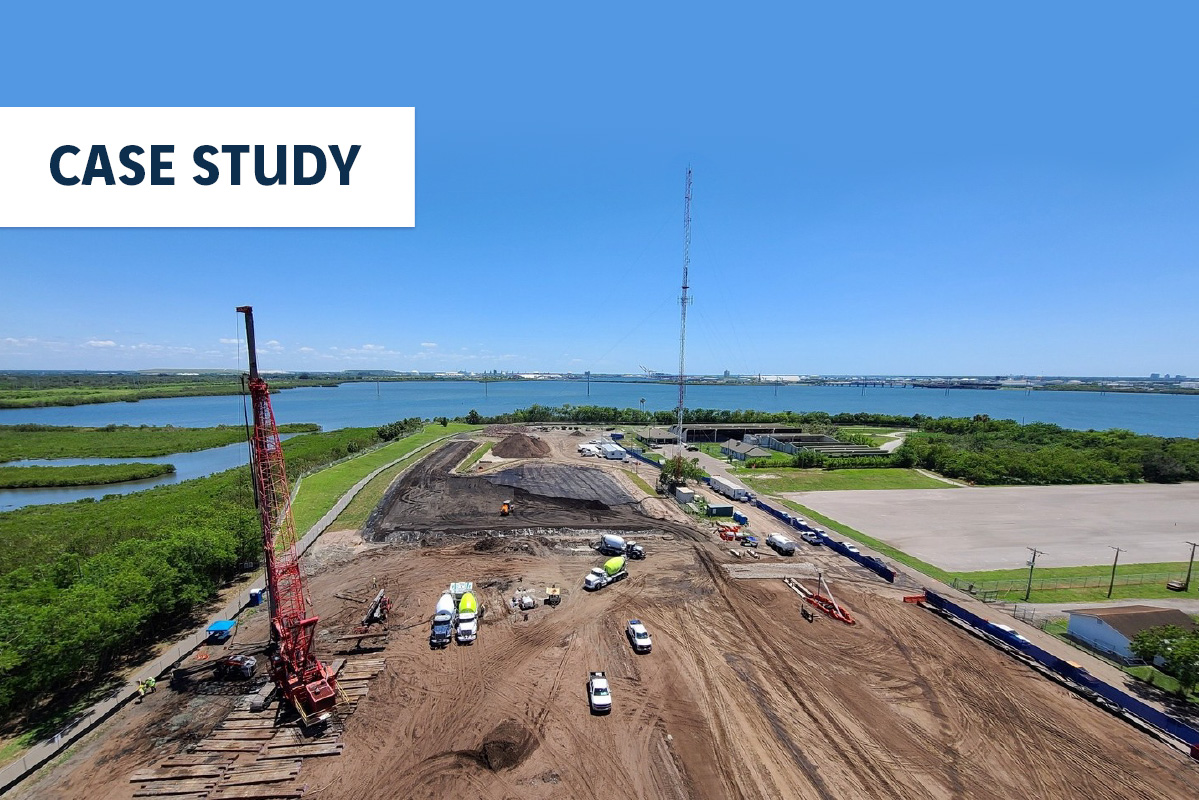
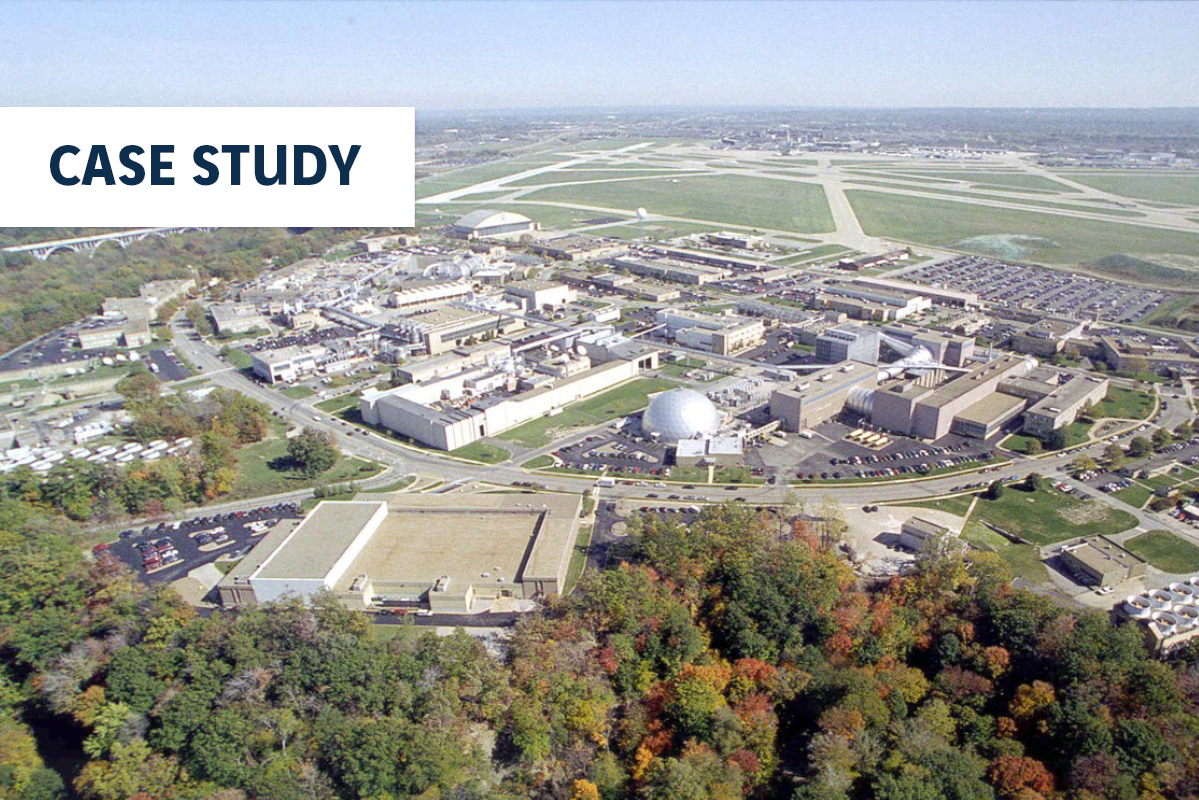
The Cheniere CCL Phase 3 Campus project supported the continued expansion of Cheniere Energy's Corpus Christi Liquefaction (CCL) facility in South Texas, one of the nation's premier LNG export hubs. Developed to accommodate the growing operational needs of the expanding complex, the campus provides critical office, maintenance, and operations support space for facility personnel.
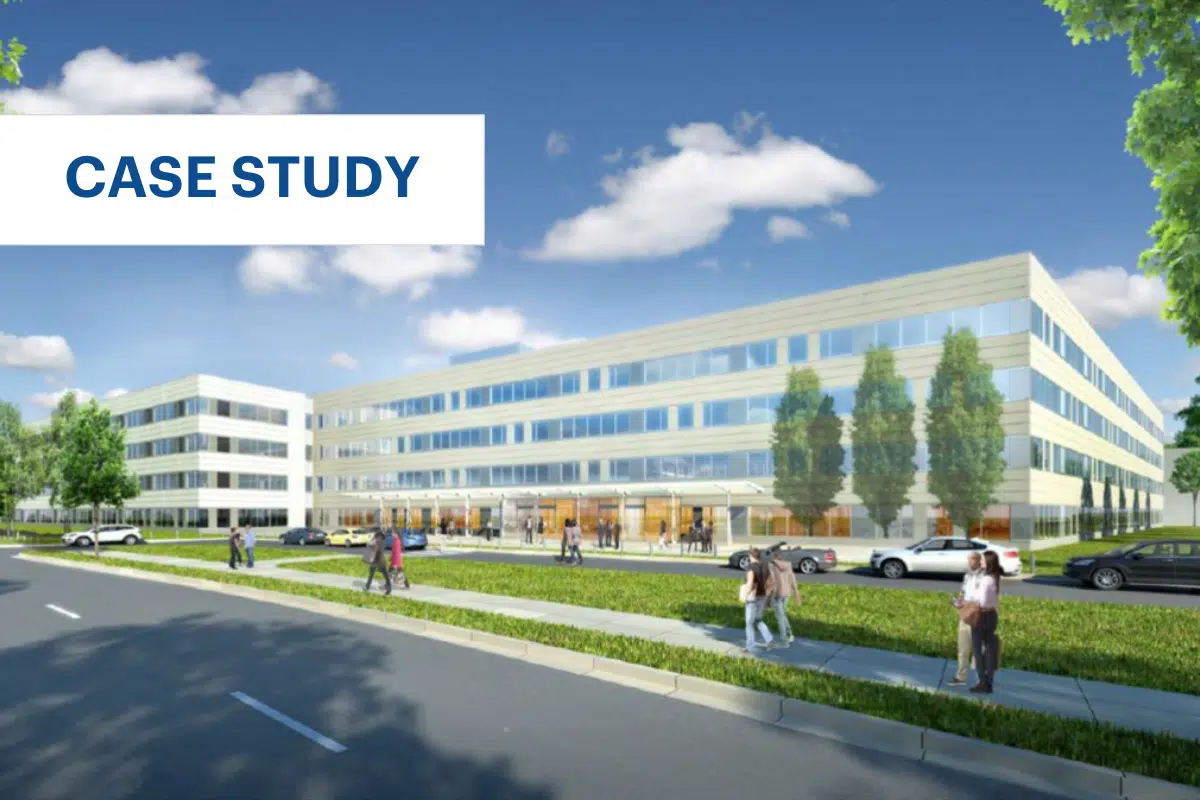
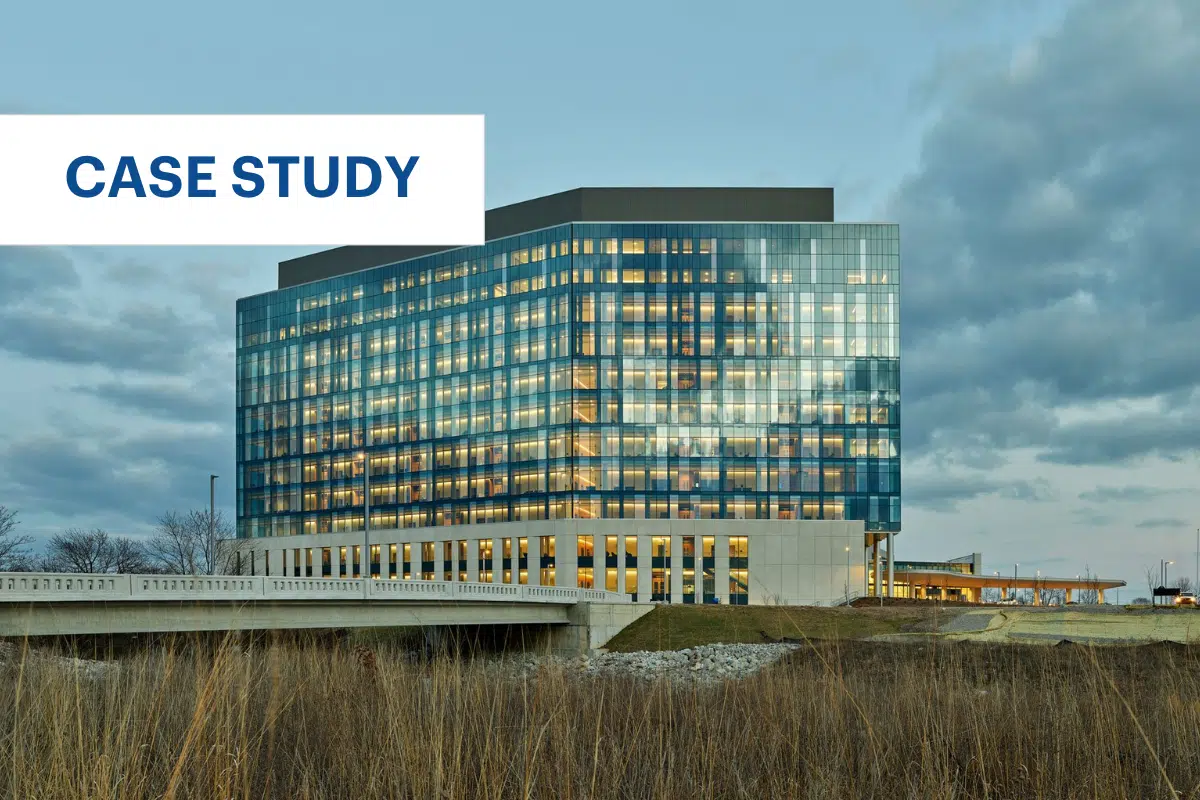
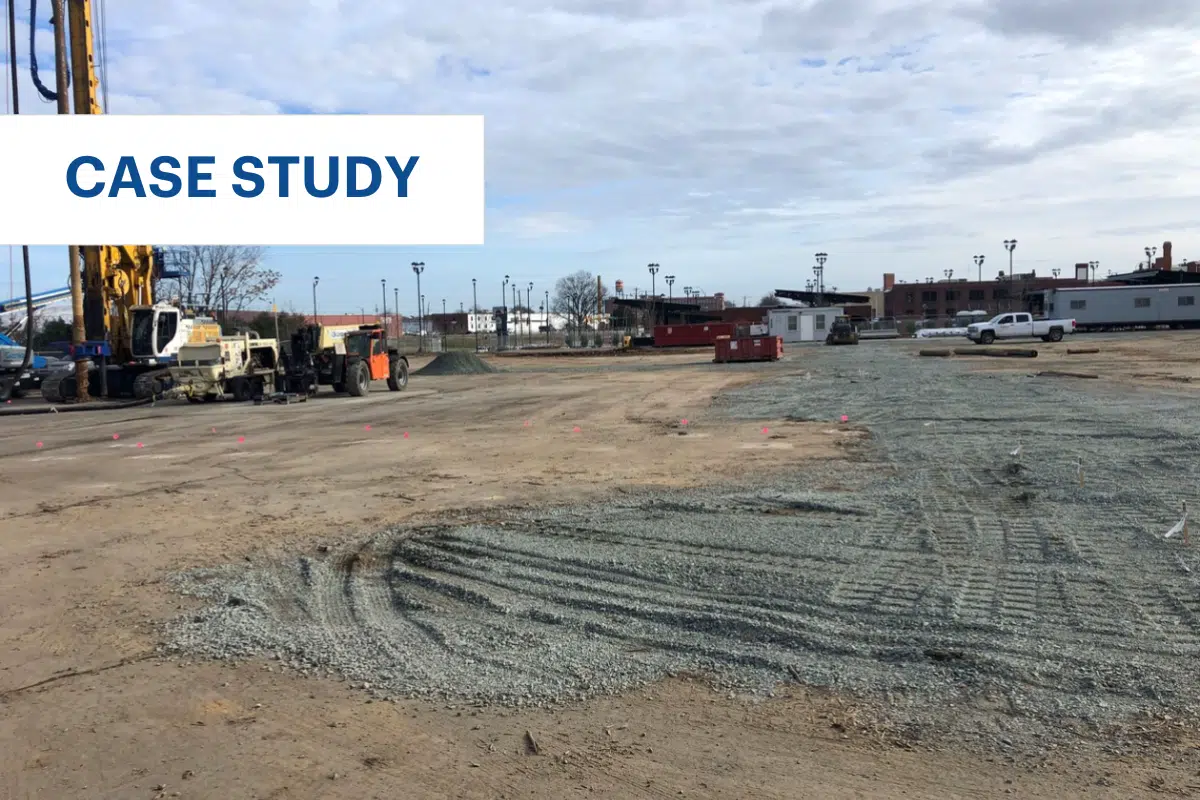
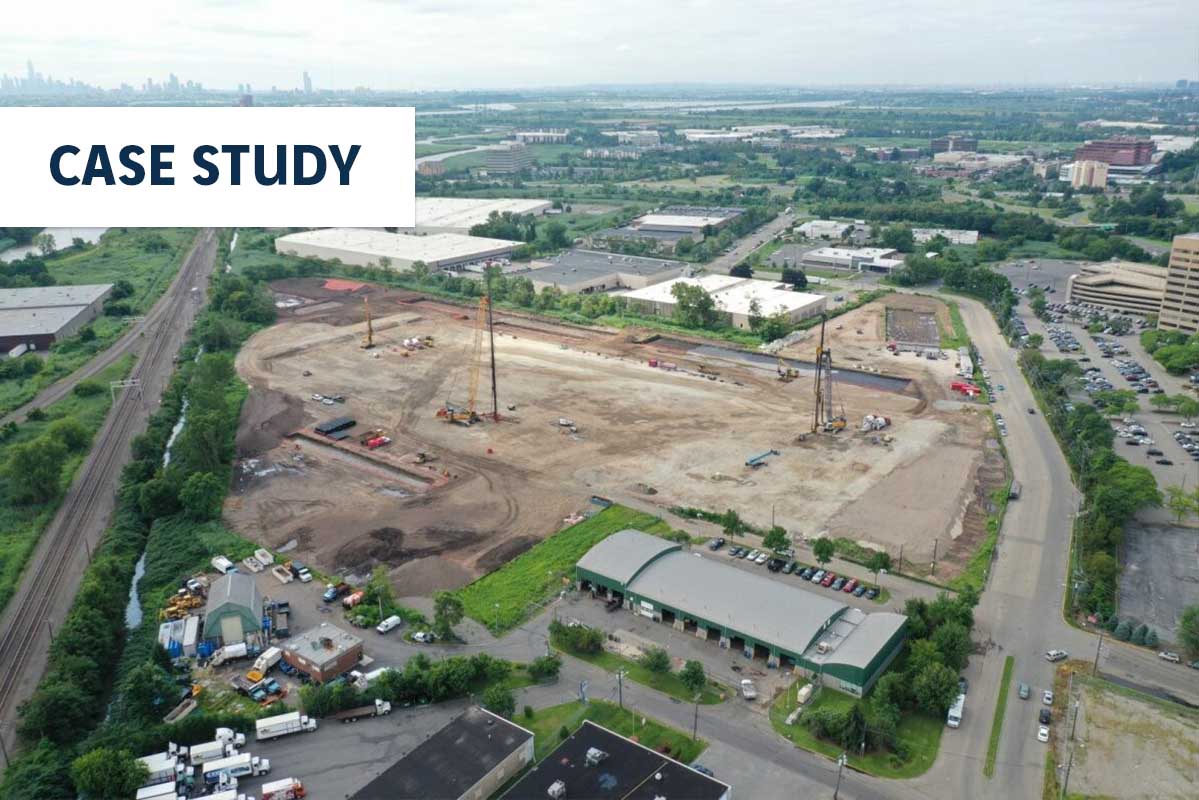
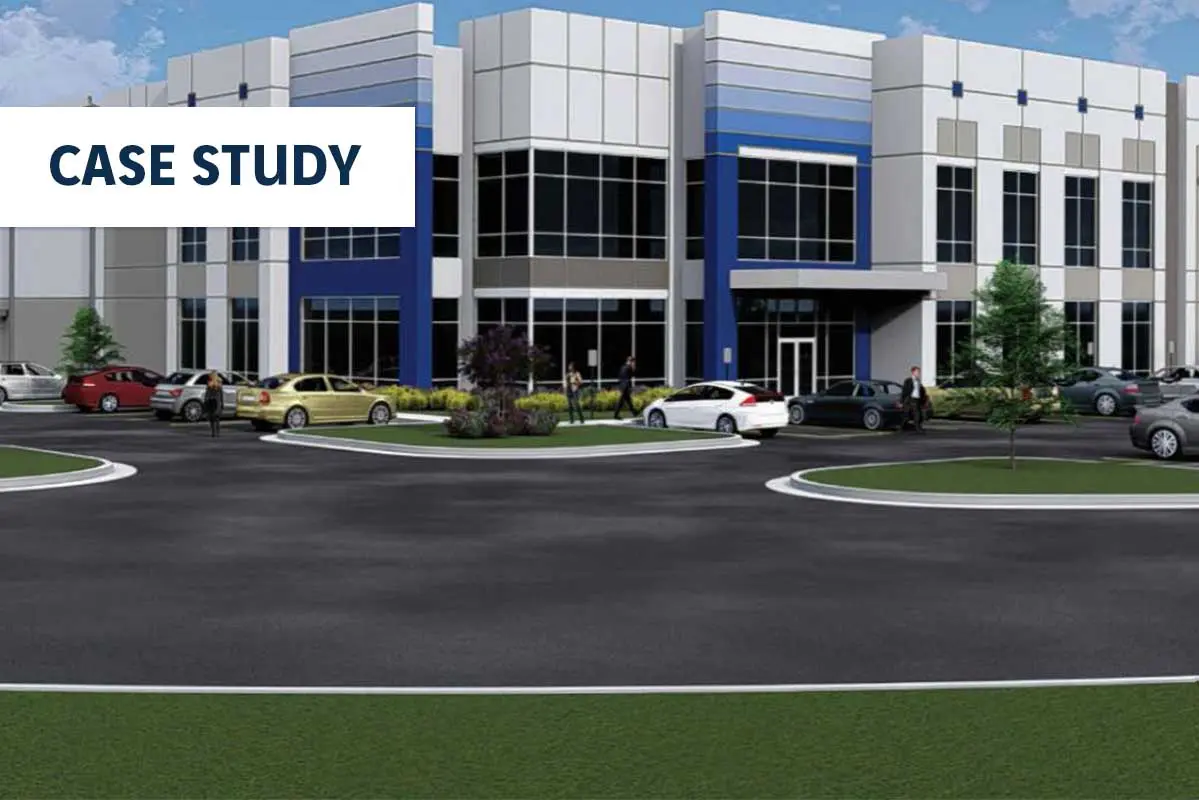
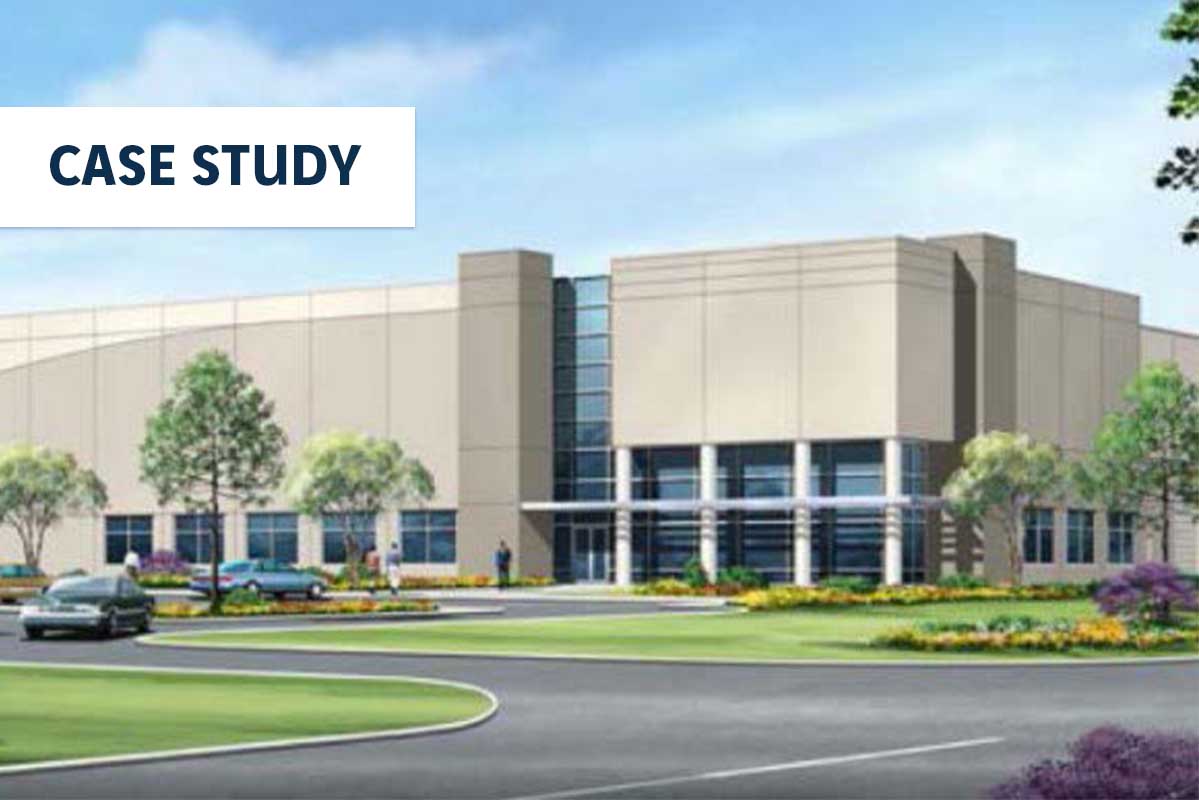
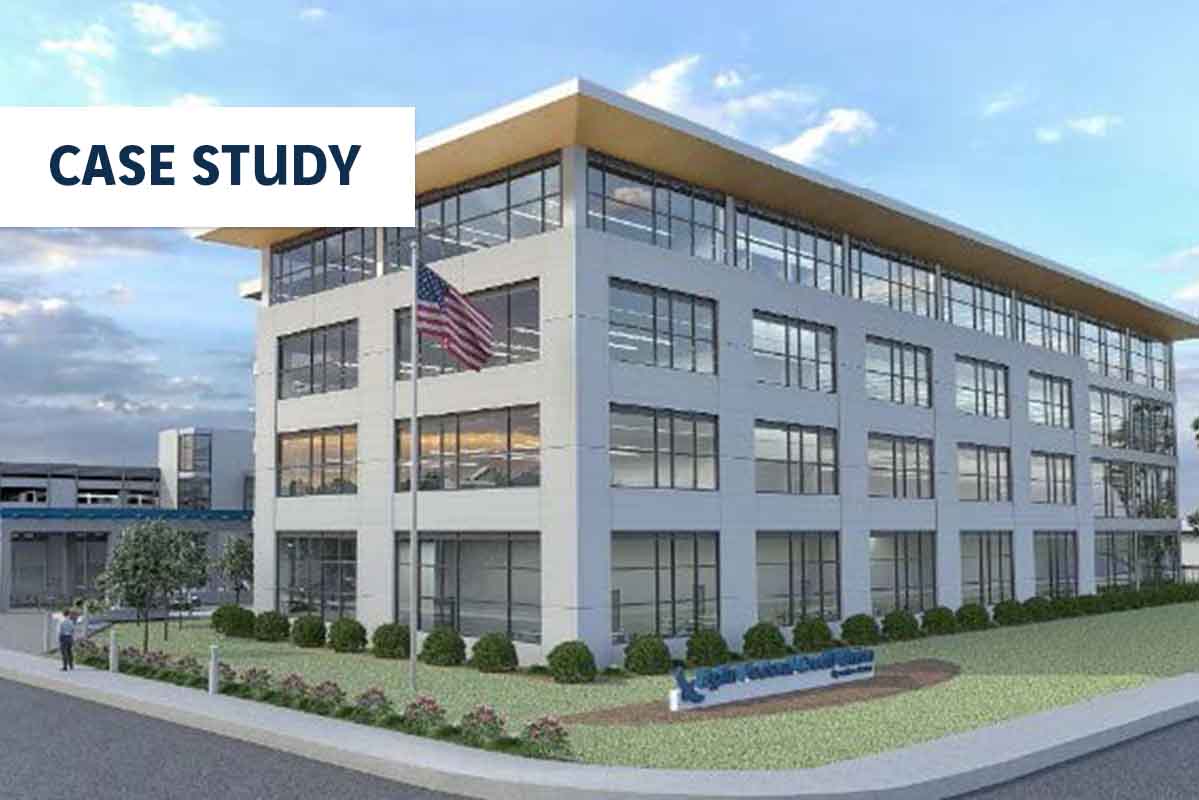
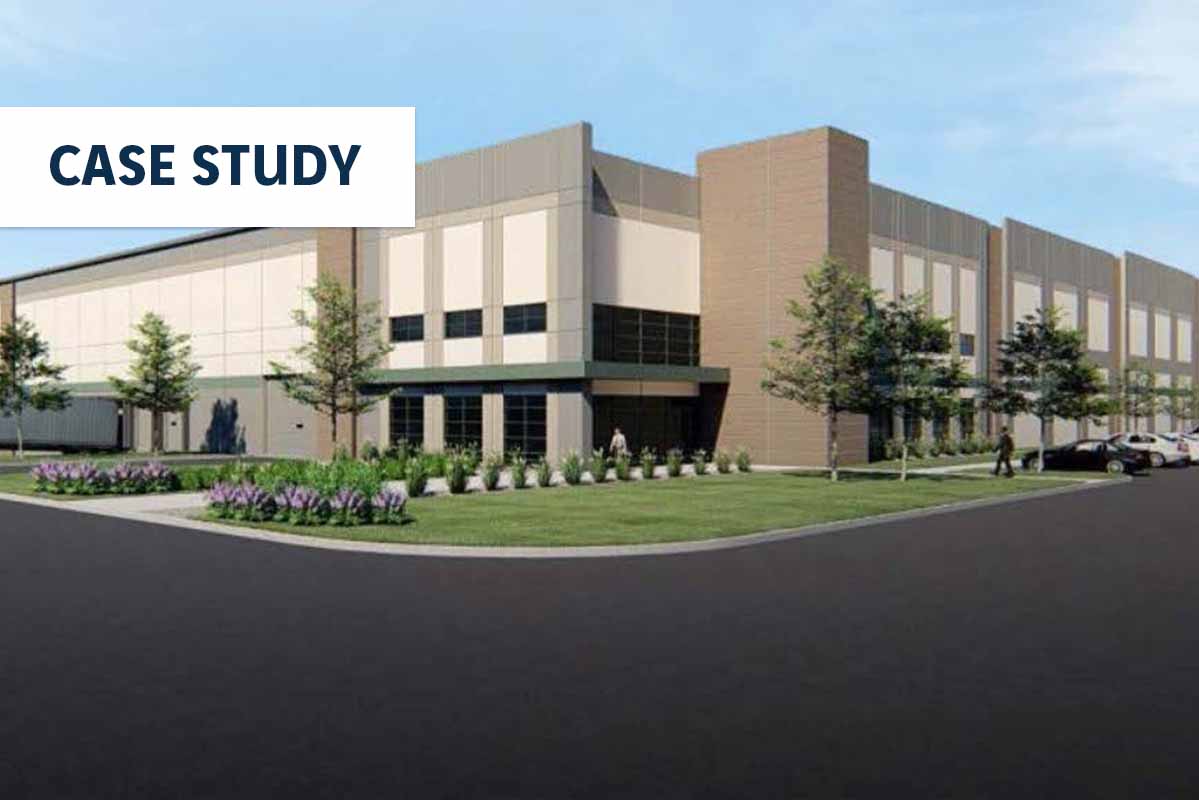
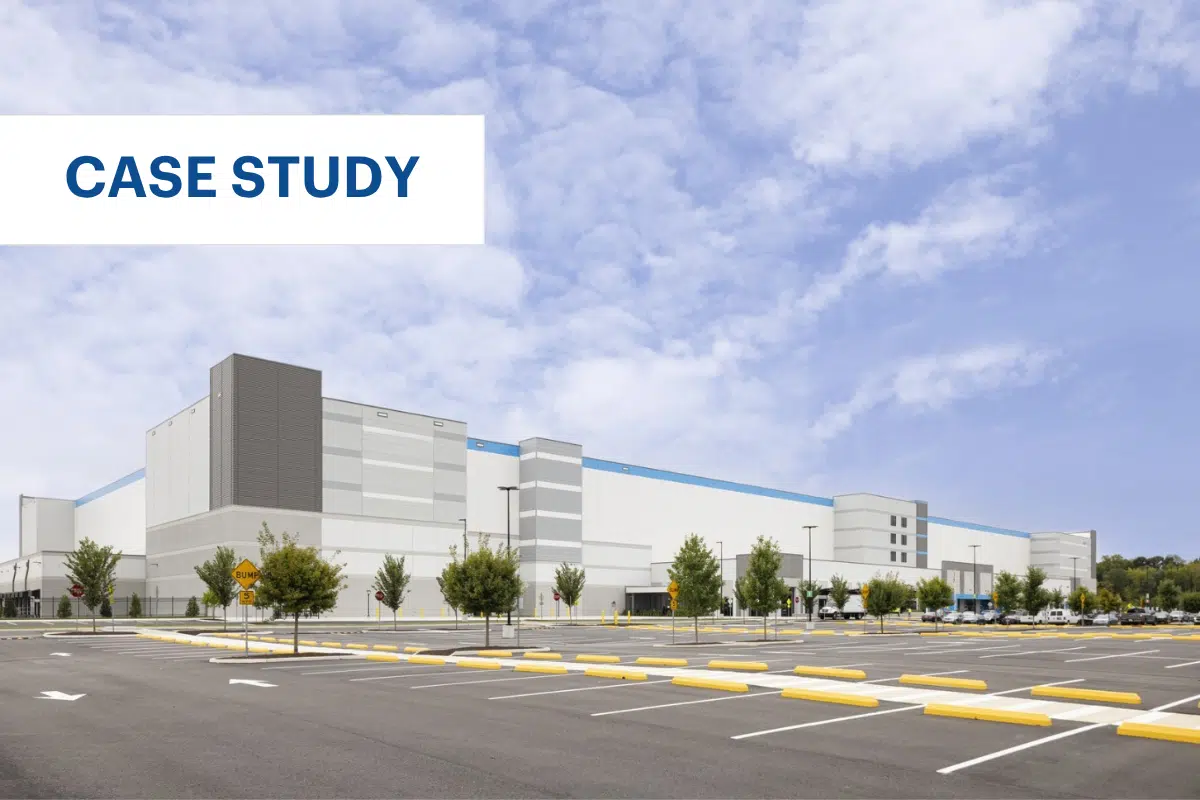
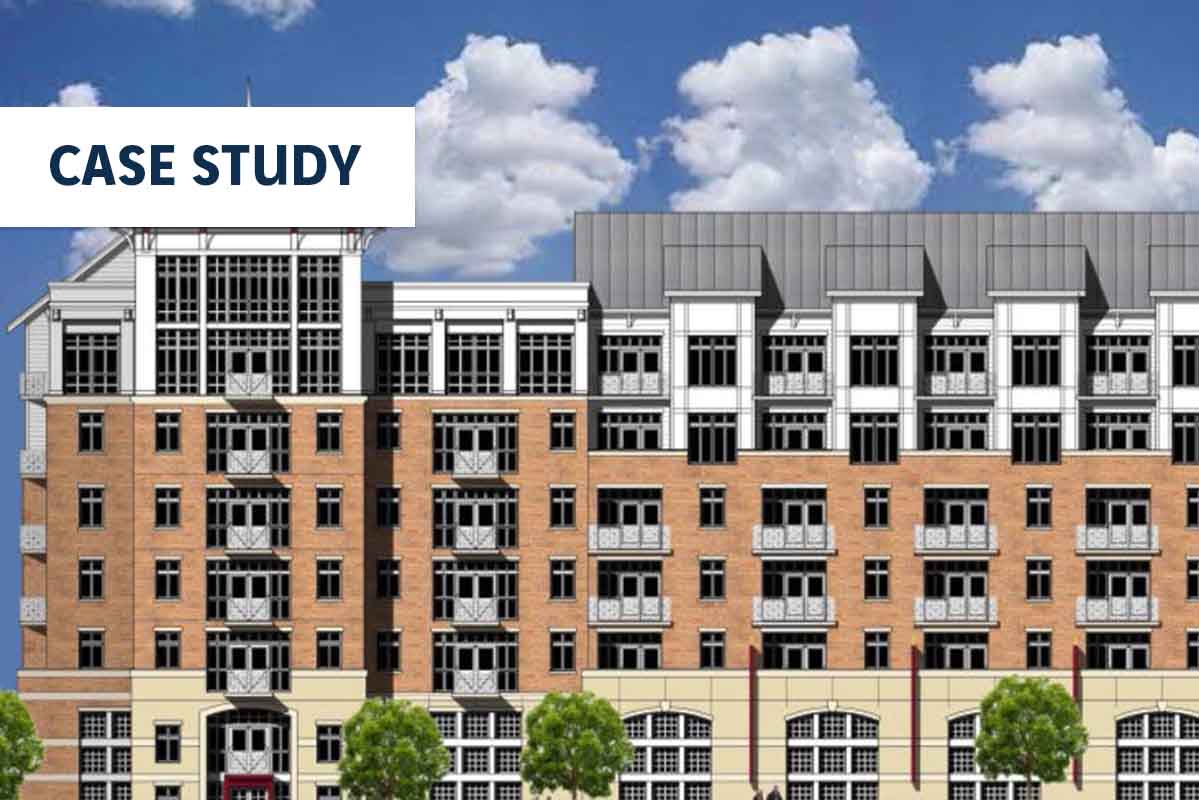
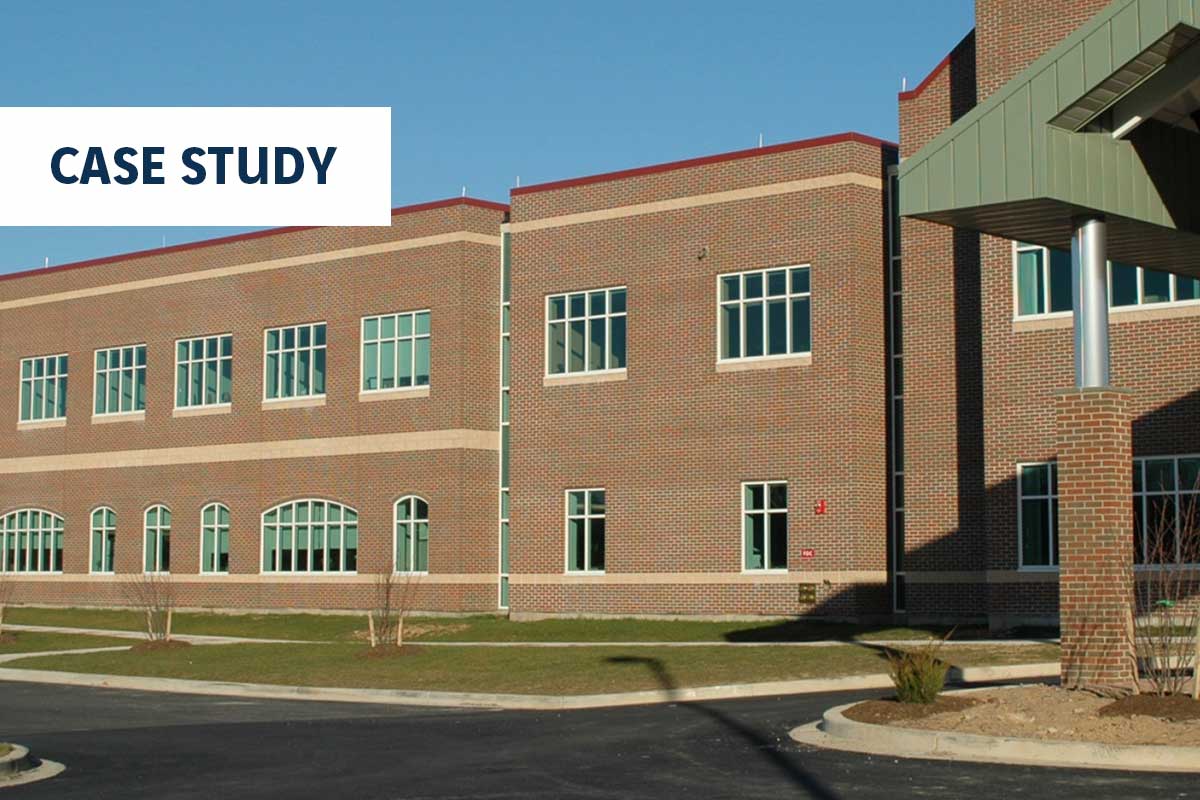
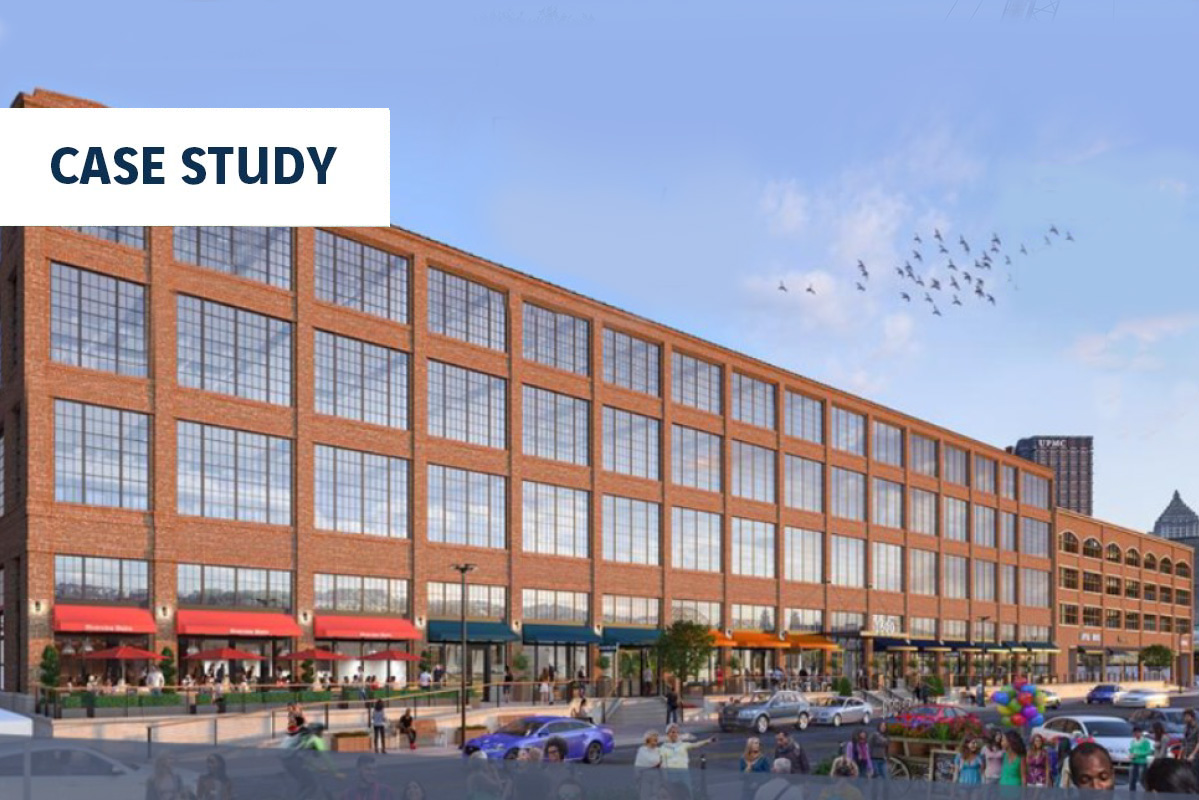
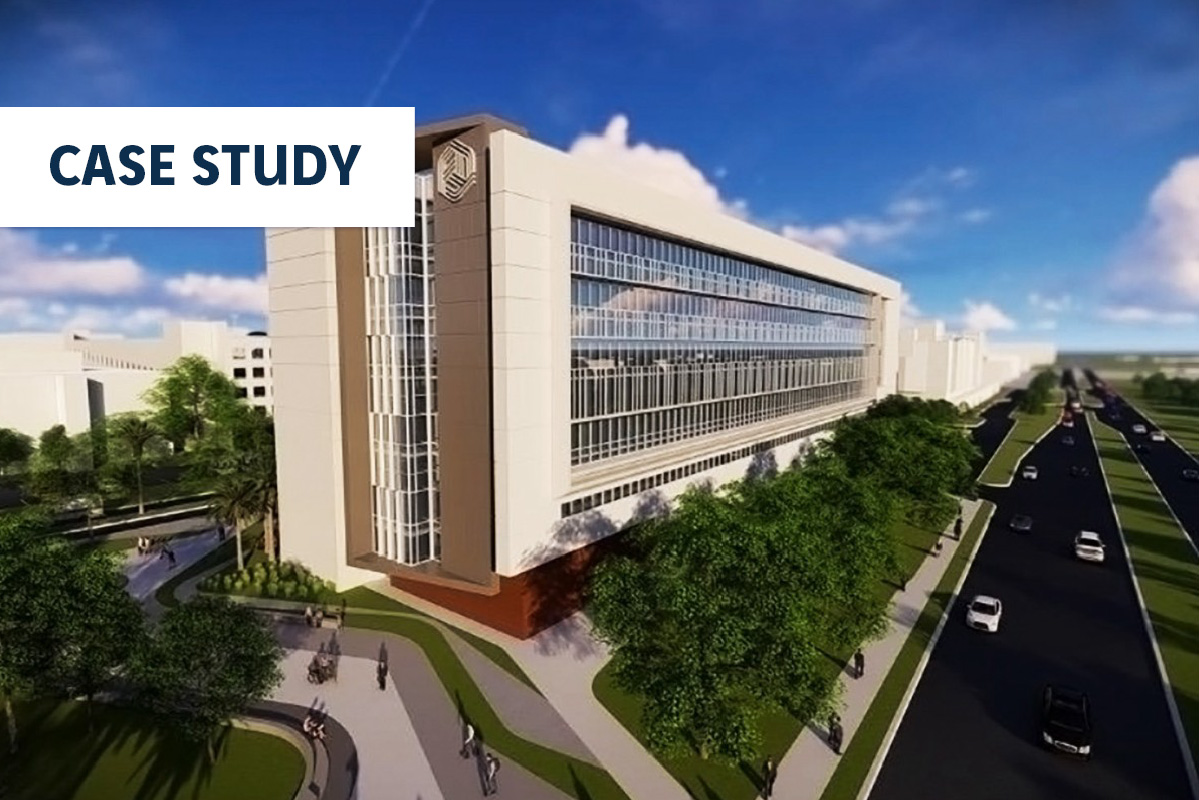
The development included a new interconnected one and four story office complex totaling approximately 73,000 square feet. Constructed on land previously used for bauxite spoil storage, the site presented challenging subsurface conditions that required innovative ground improvement solutions to support the planned development.
Ground Conditions:
Subsurface explorations encountered approximately 18 feet of very soft bauxite spoil fill overlying native lean and fat clays with interbedded sand layers. The fill material began just 2 to 3 feet below grade and exhibited low strength and high compressibility, creating concerns related to constructability, bearing capacity, and long term settlement. The combination of thick, soft fills, compressible native soils, and the structural demands of the multi story development required a ground improvement solution capable of controlling settlement while supporting the use of shallow foundations.
Solution:
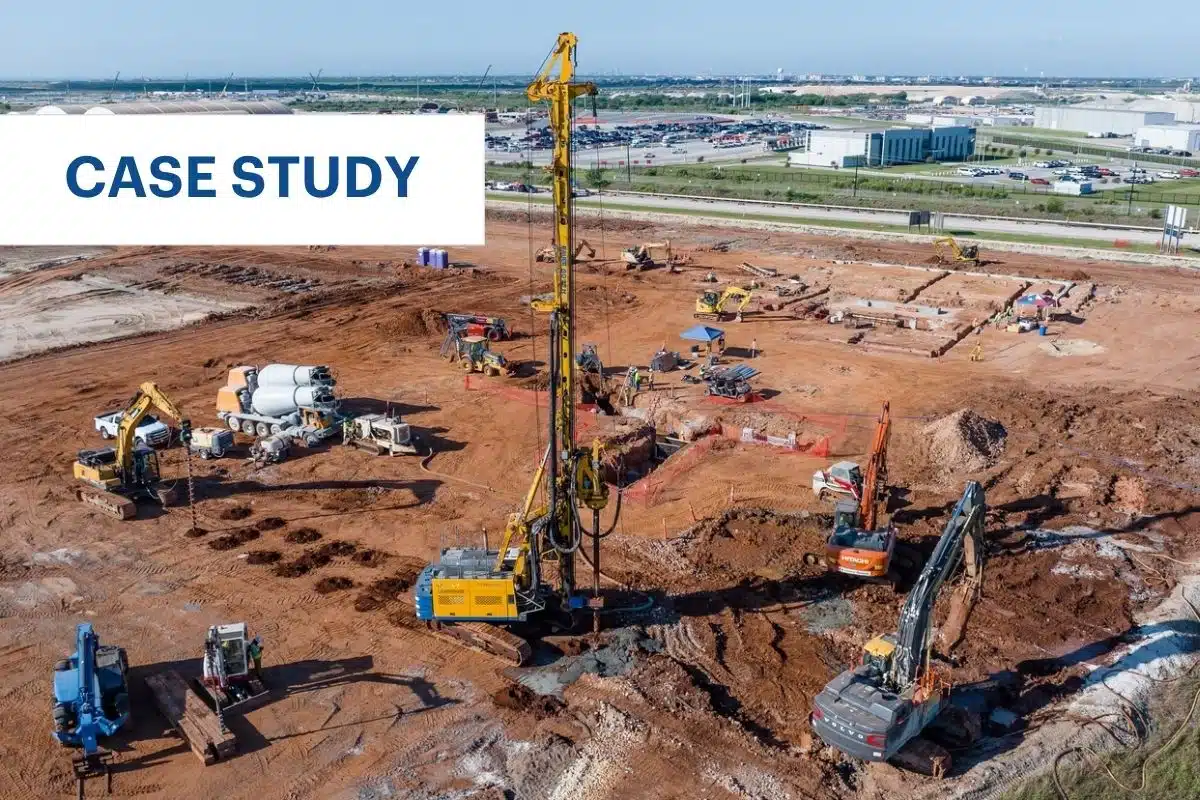
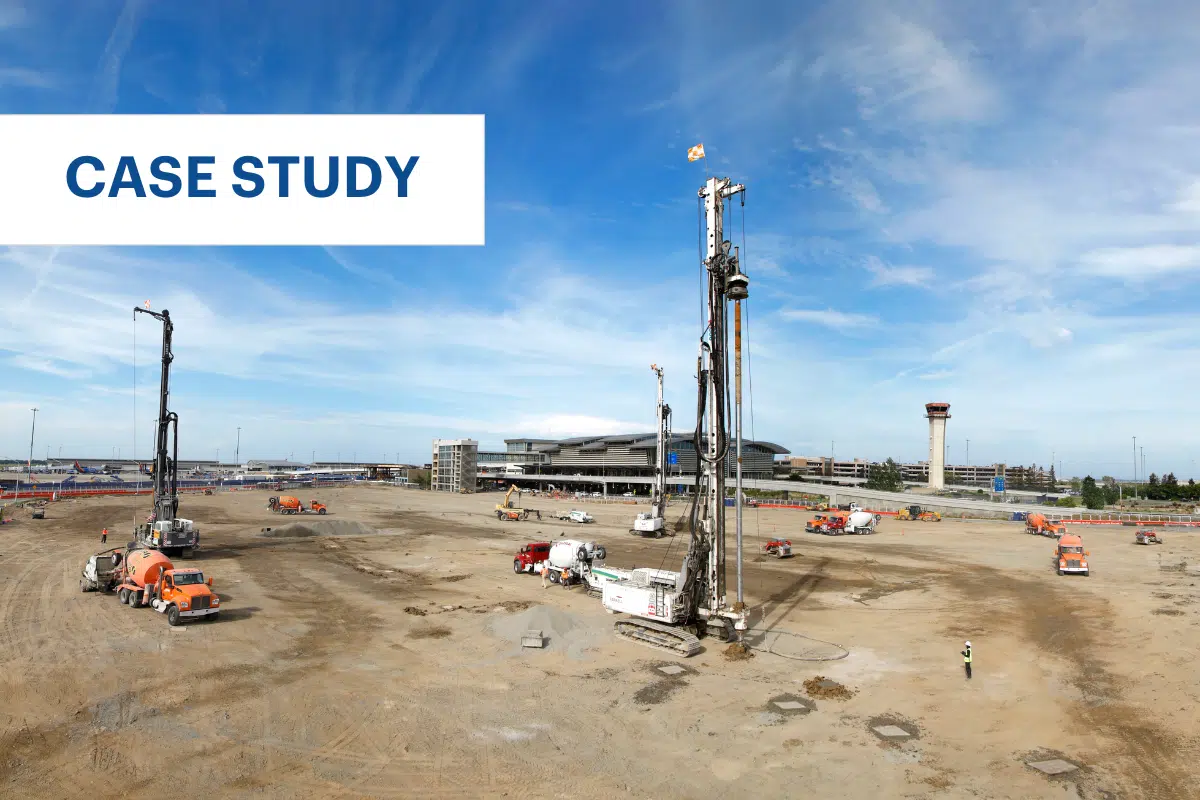
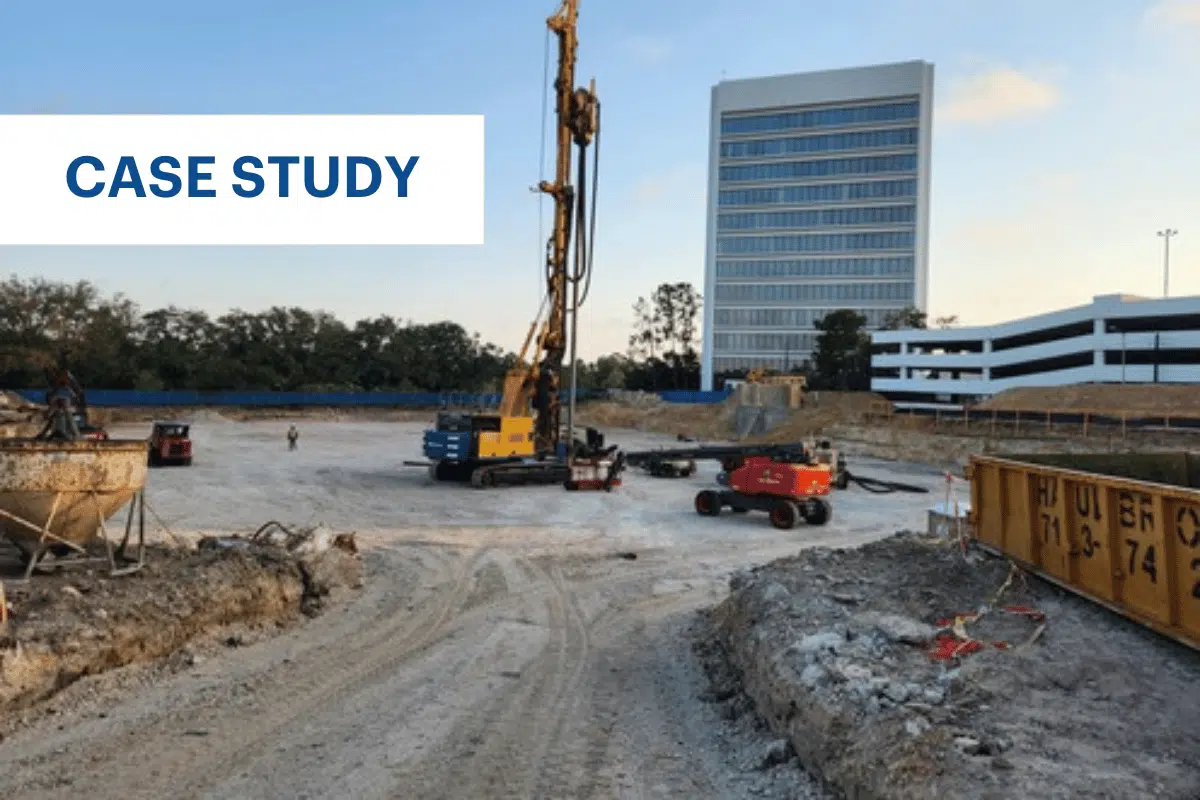
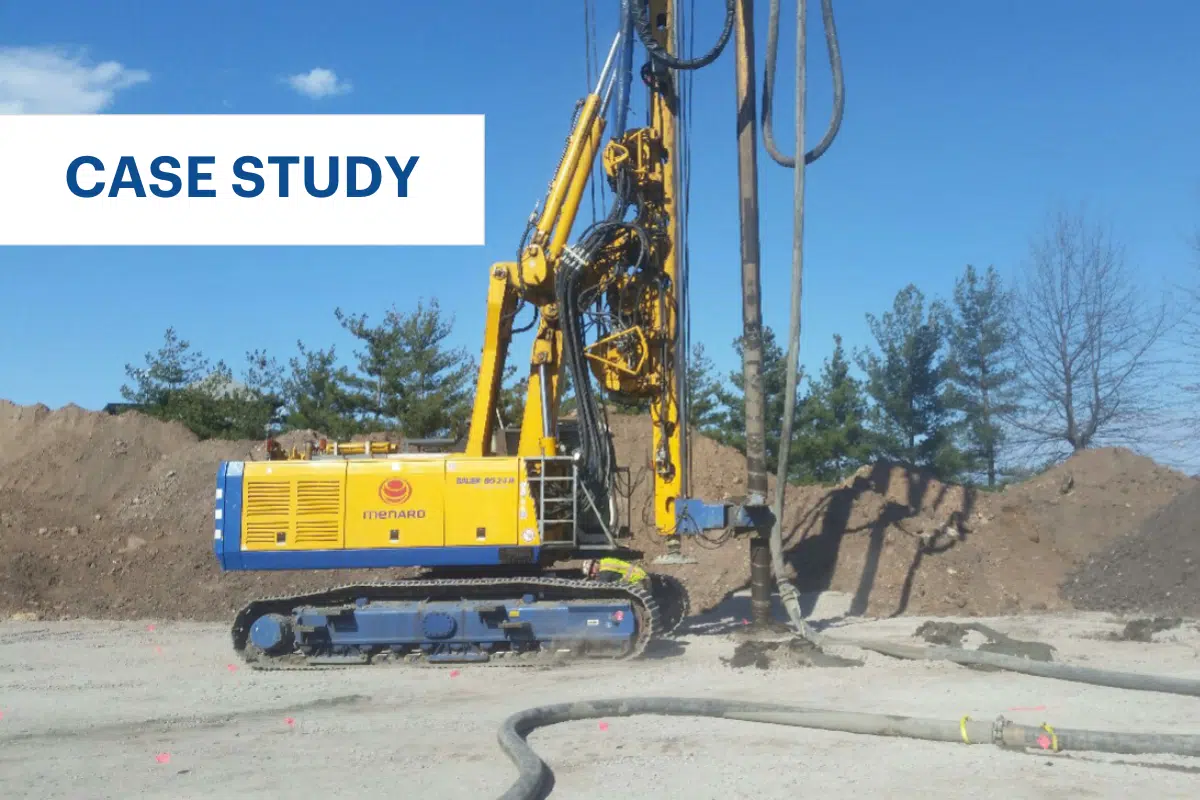
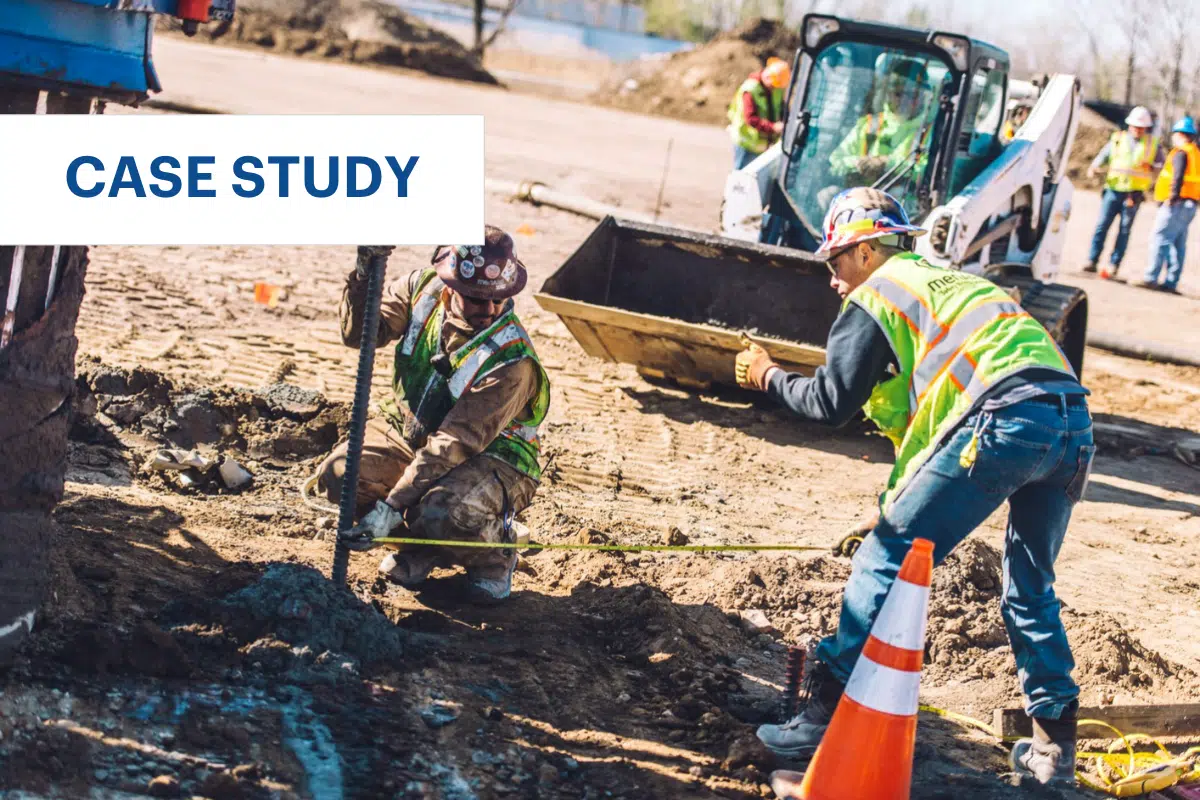
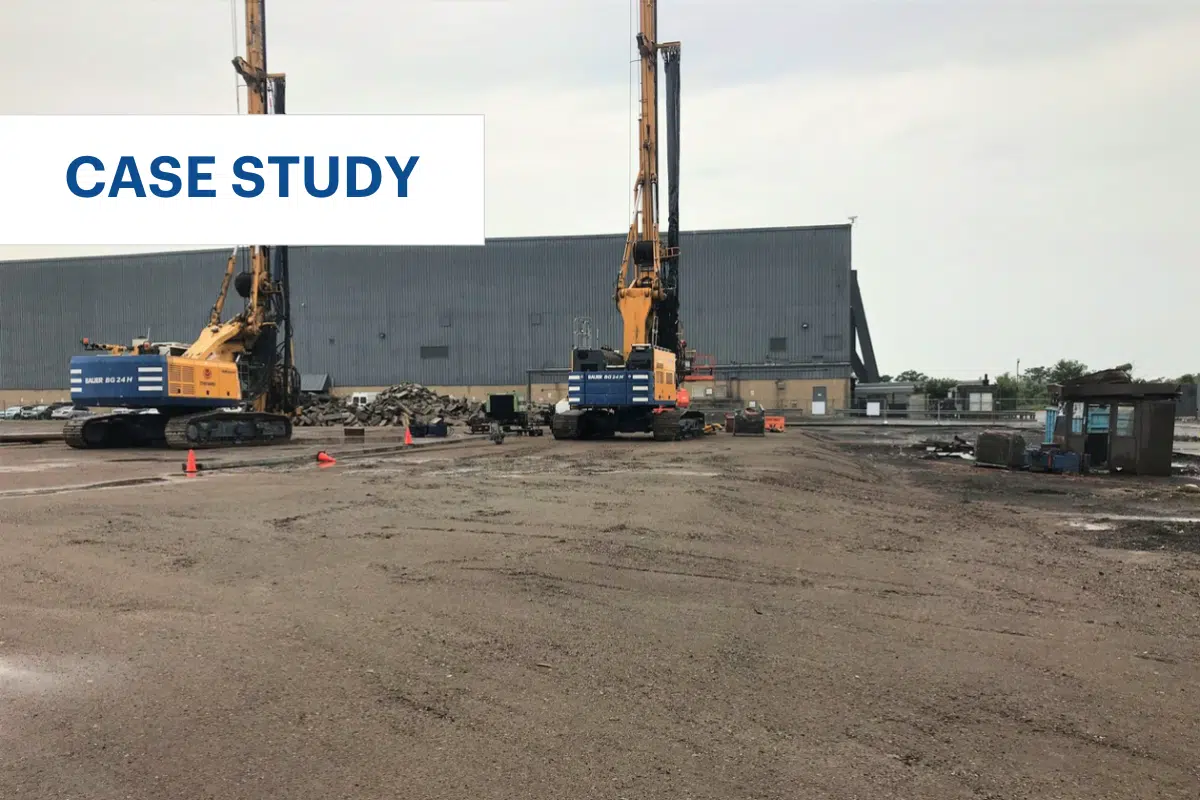
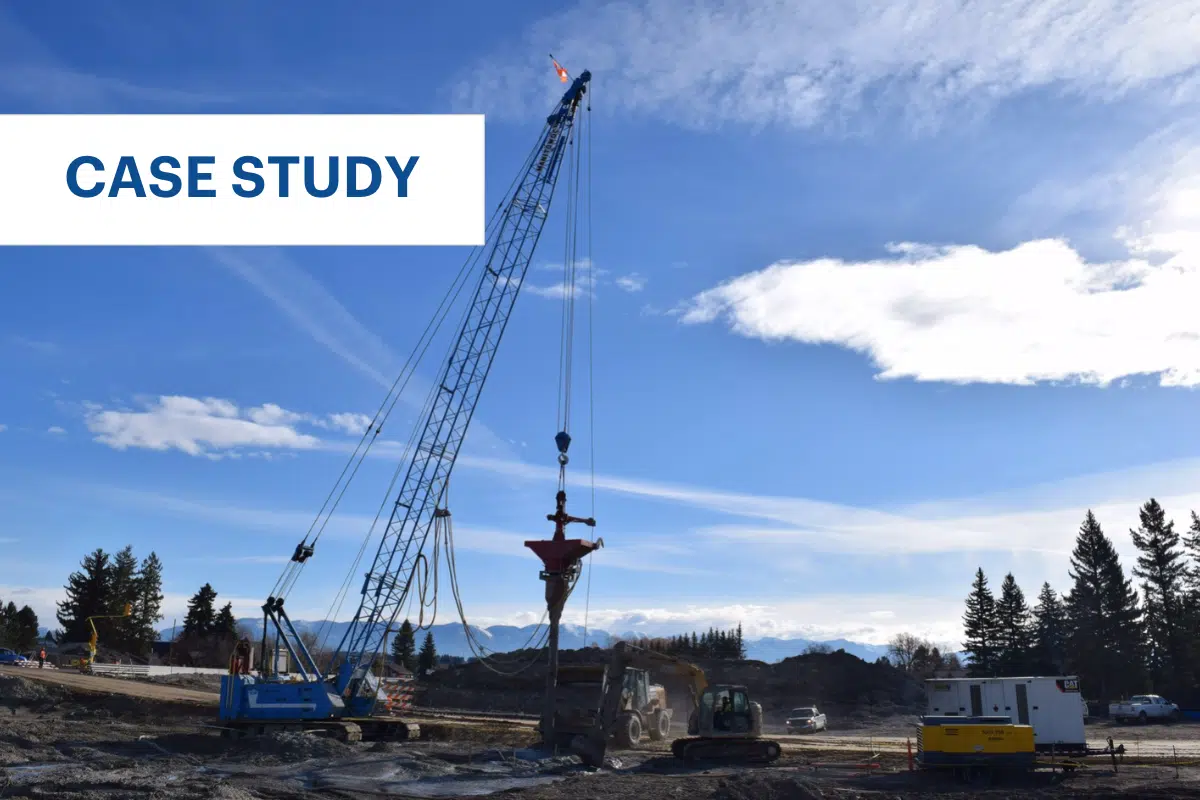
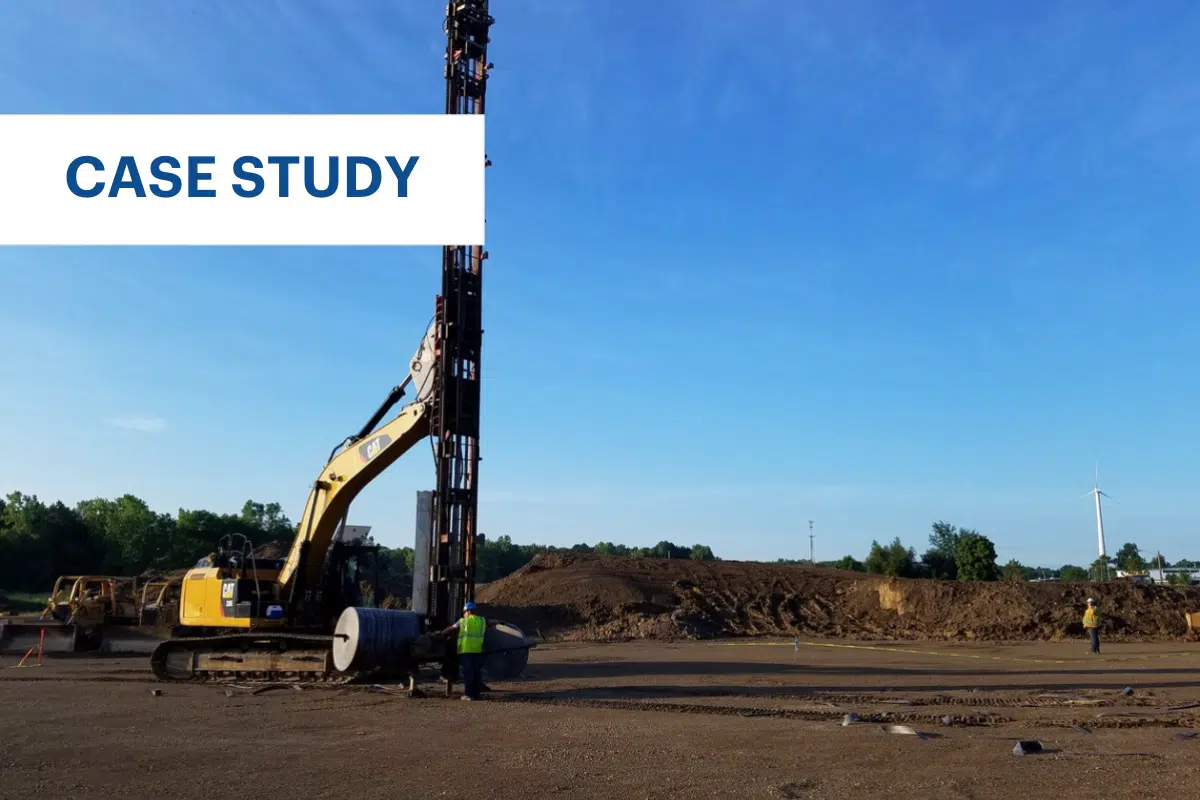
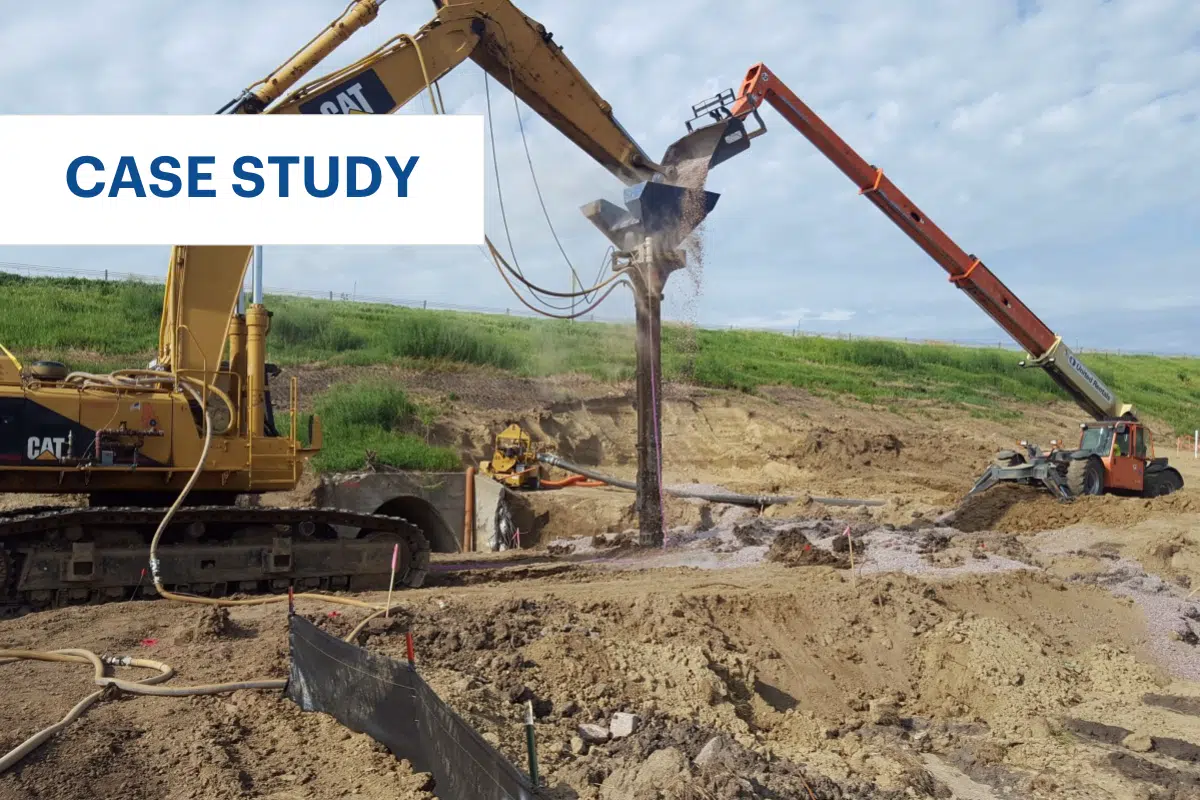
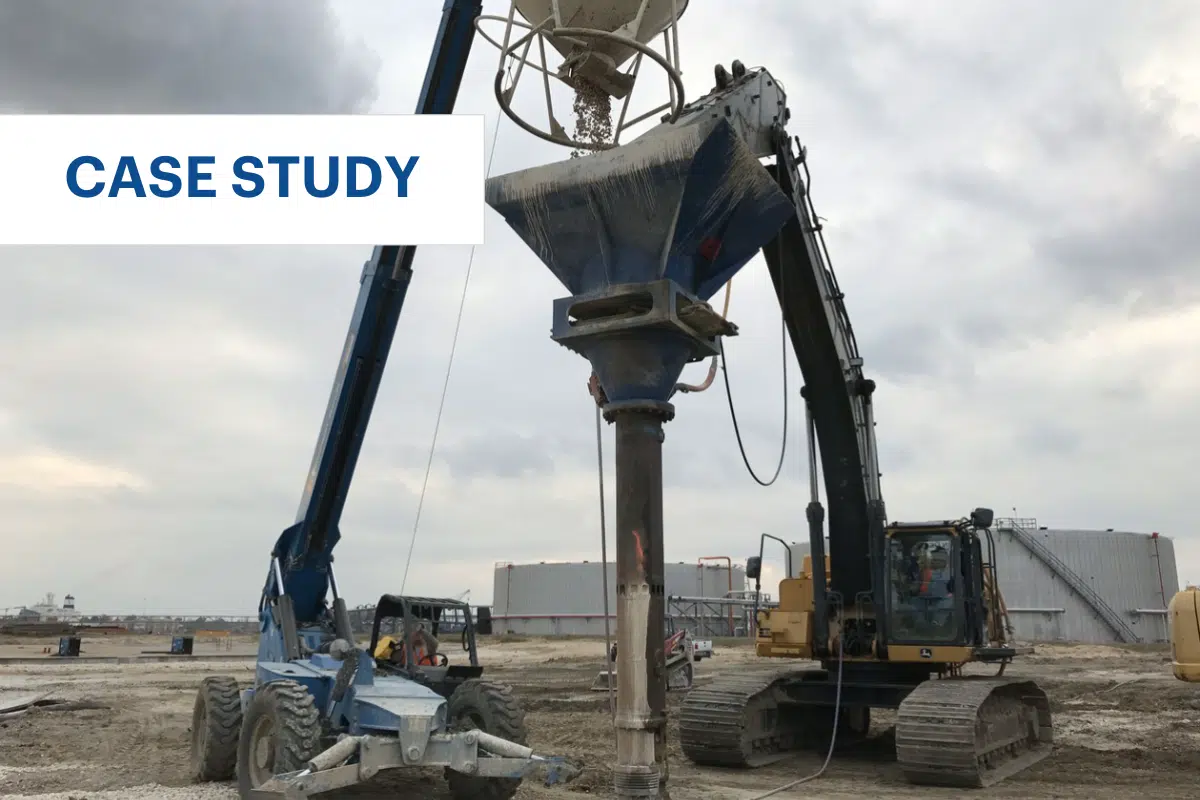
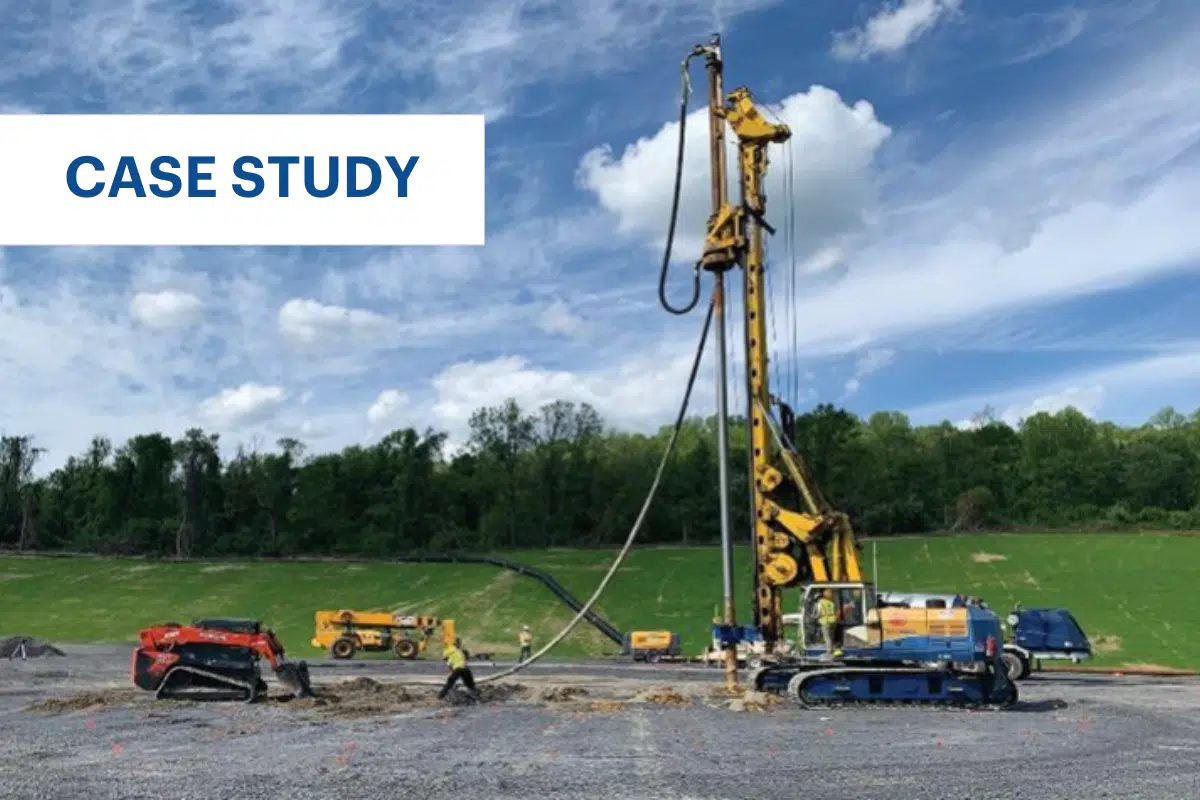
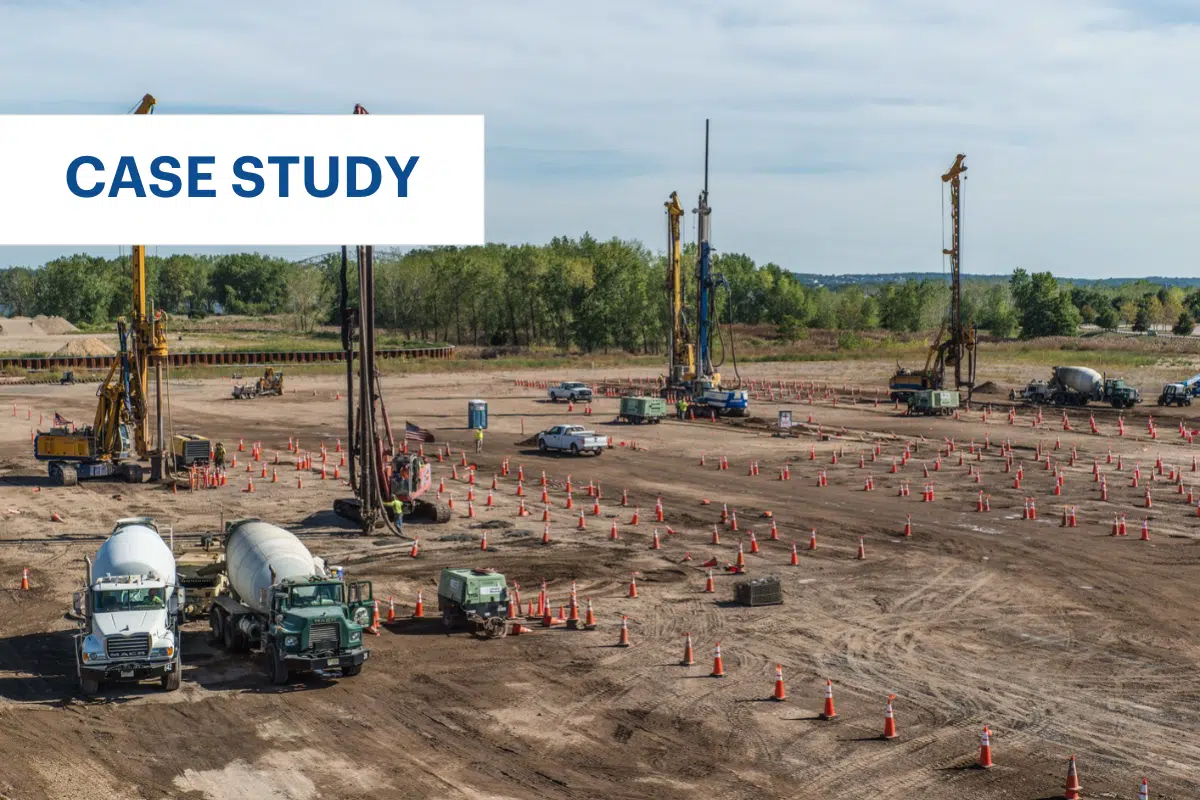
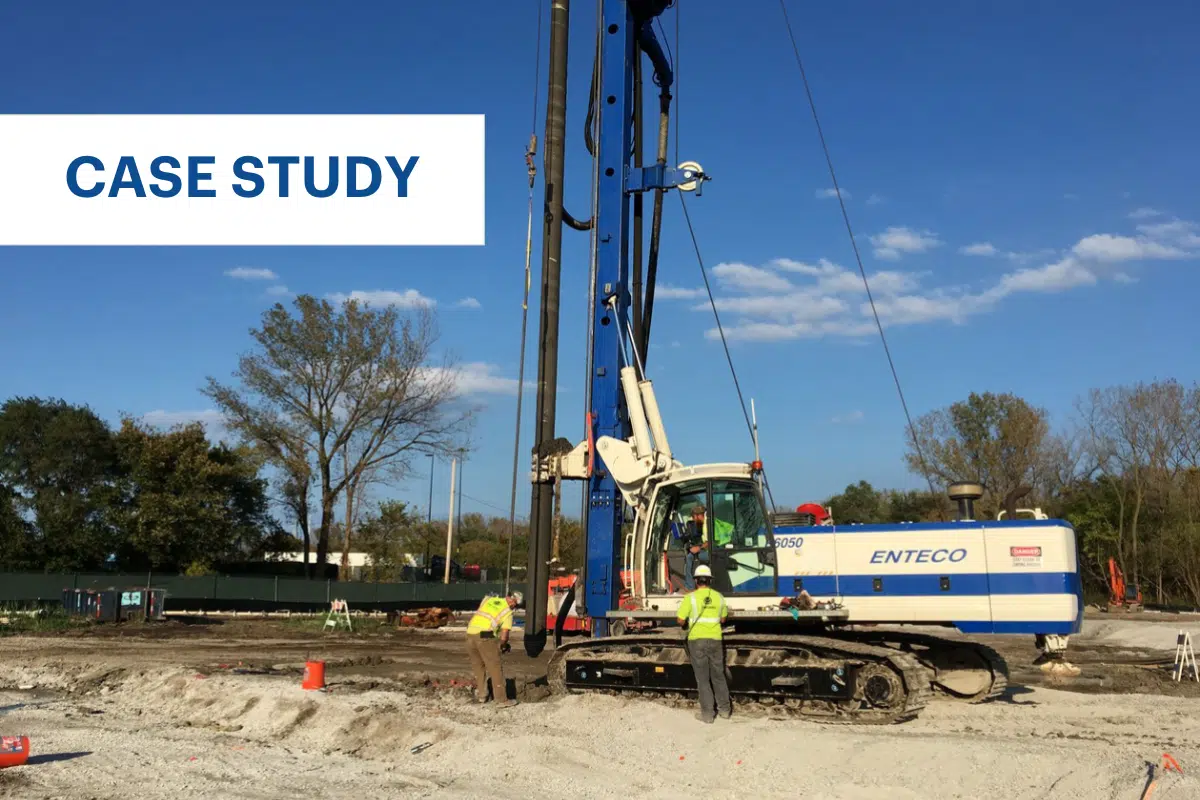
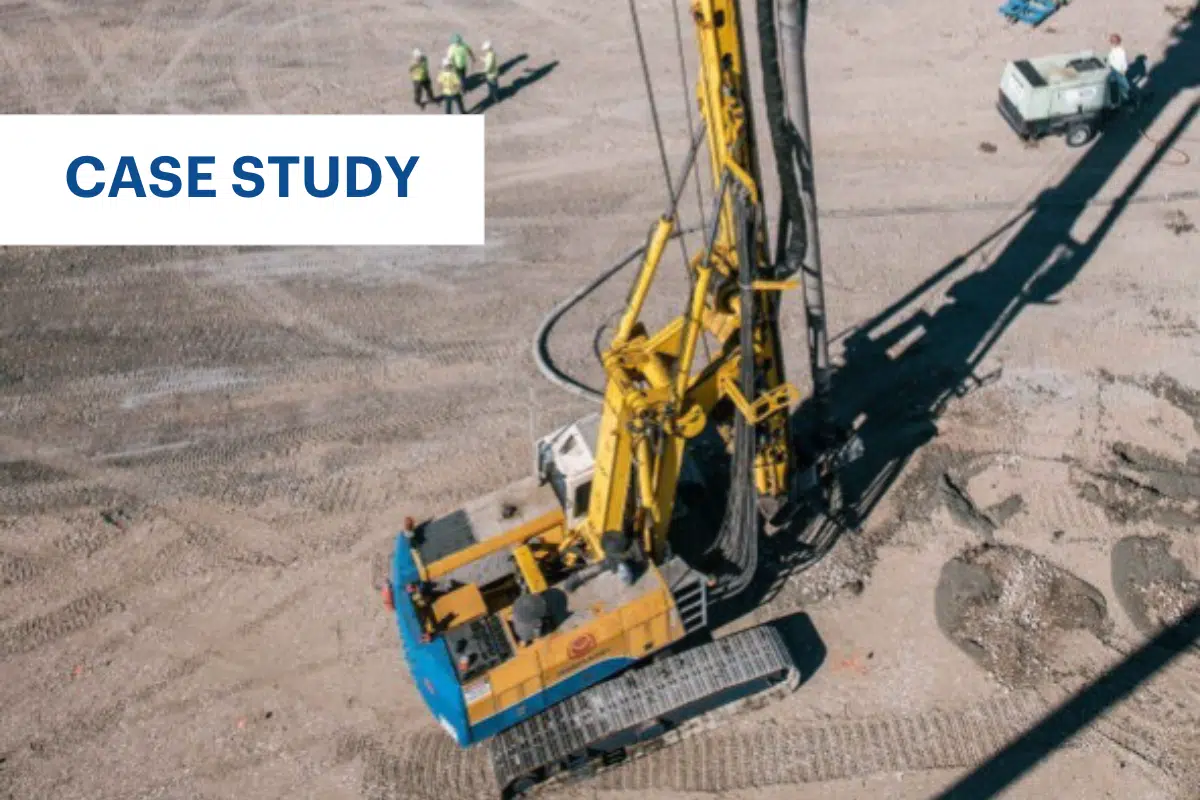
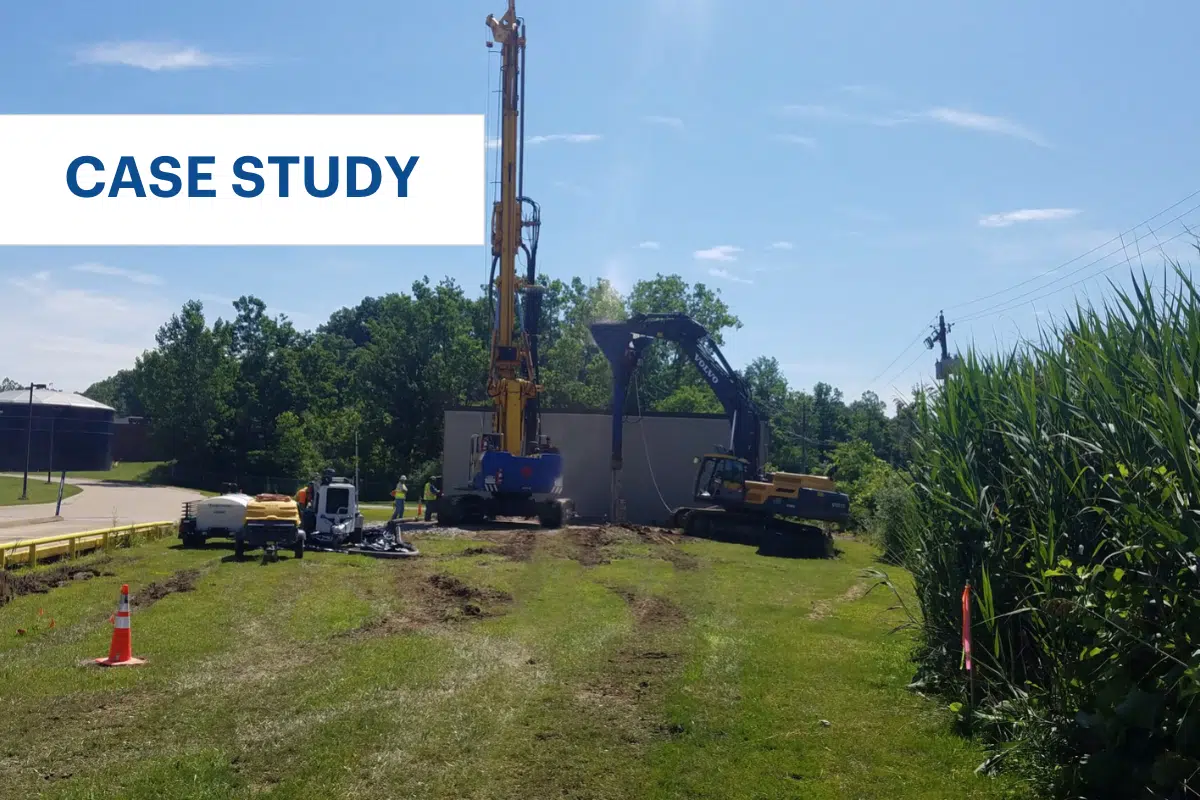
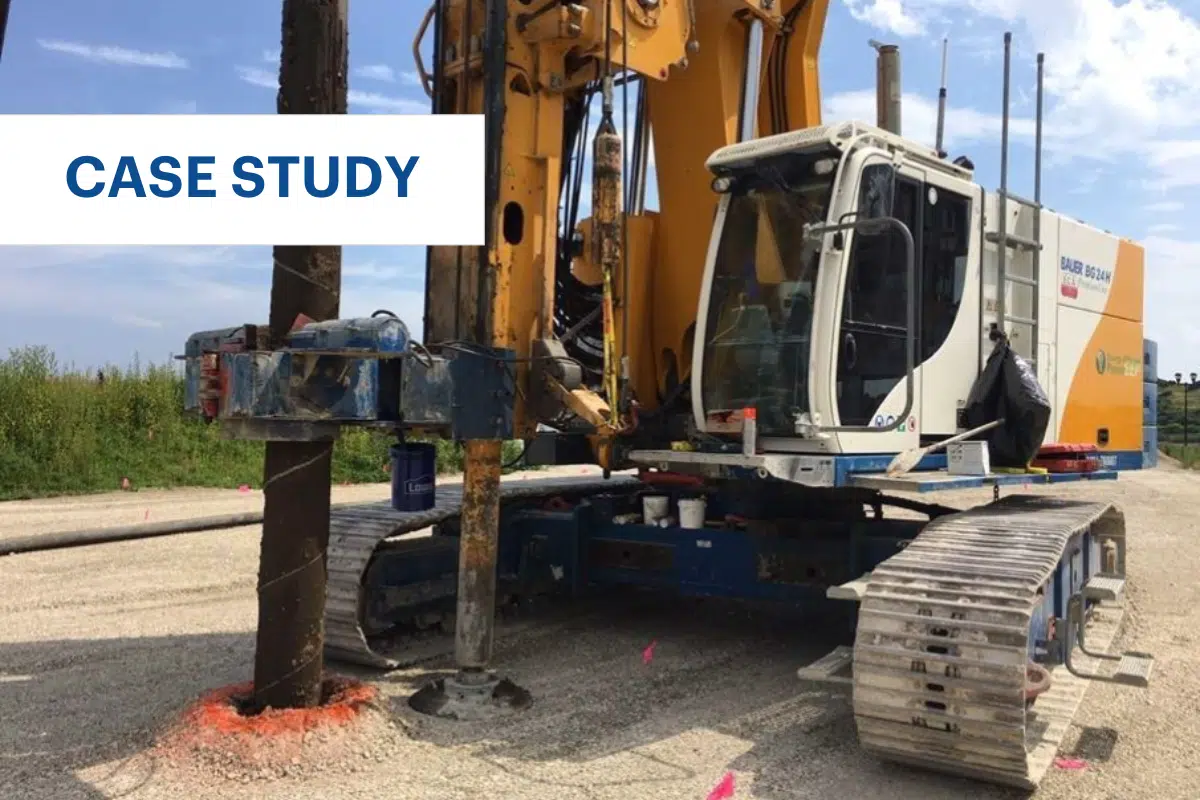
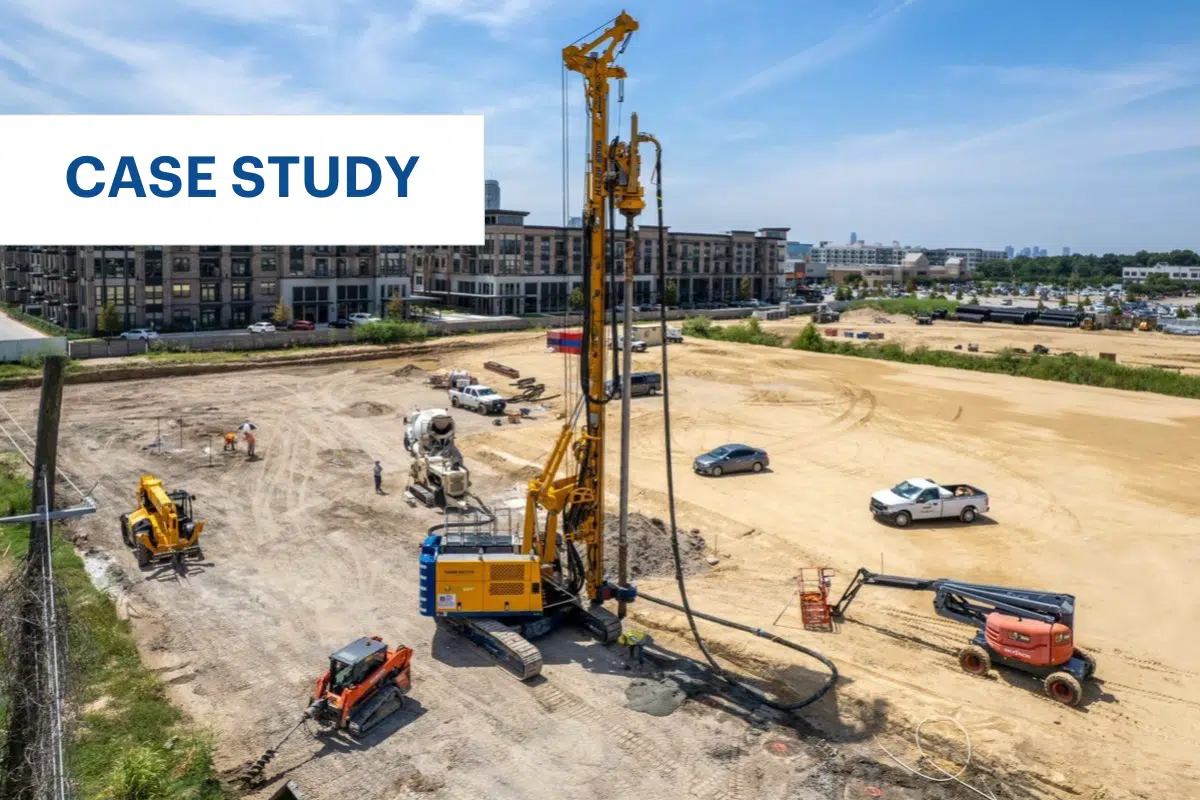
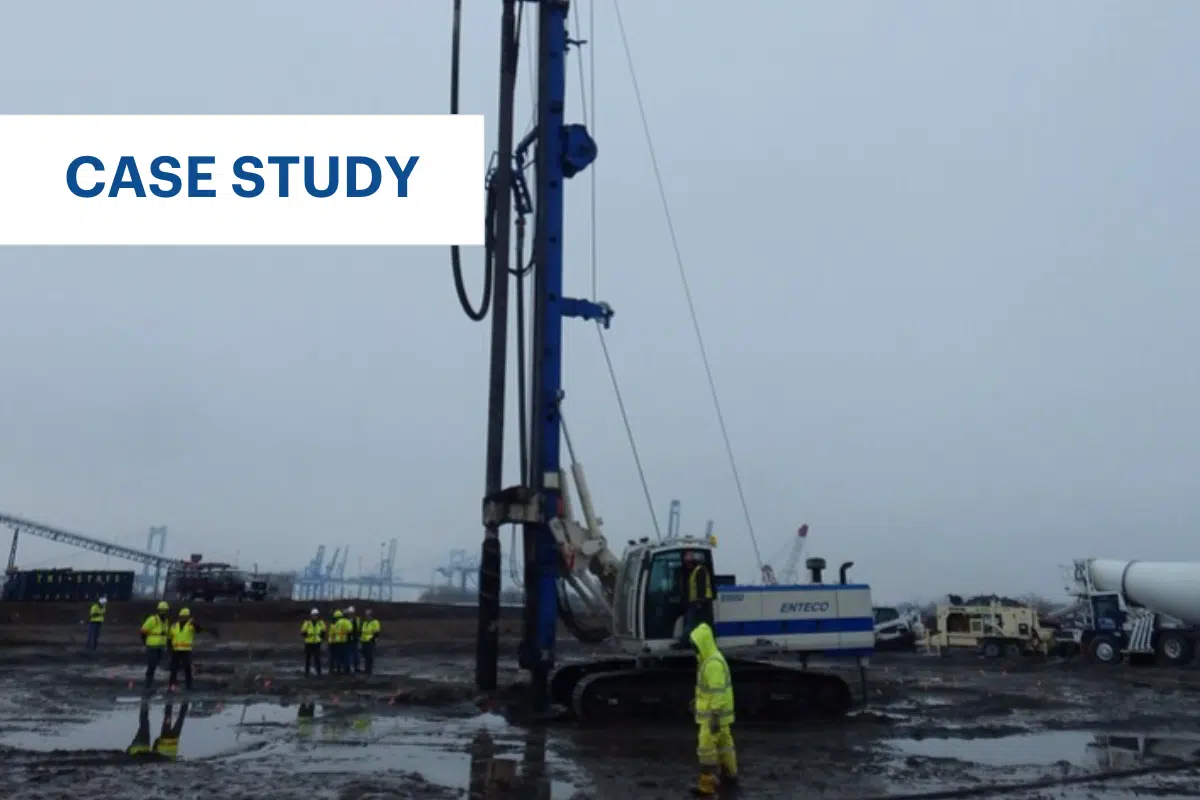
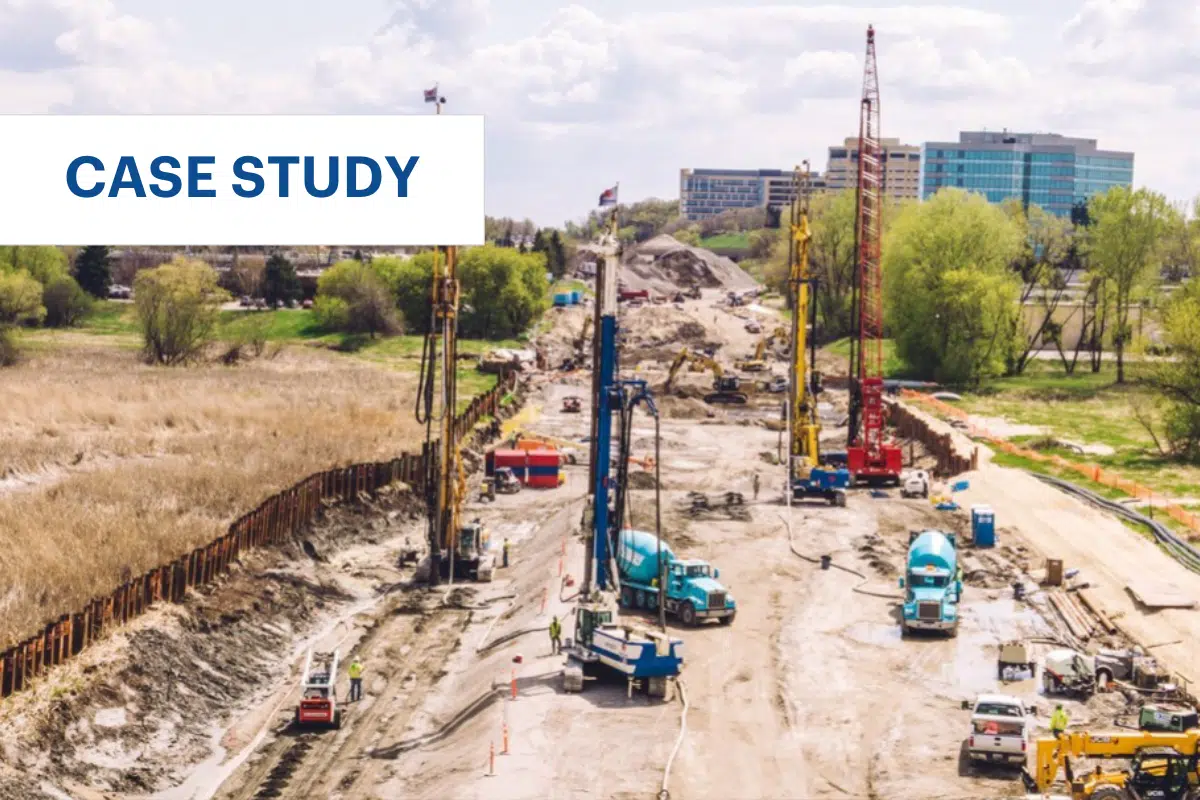
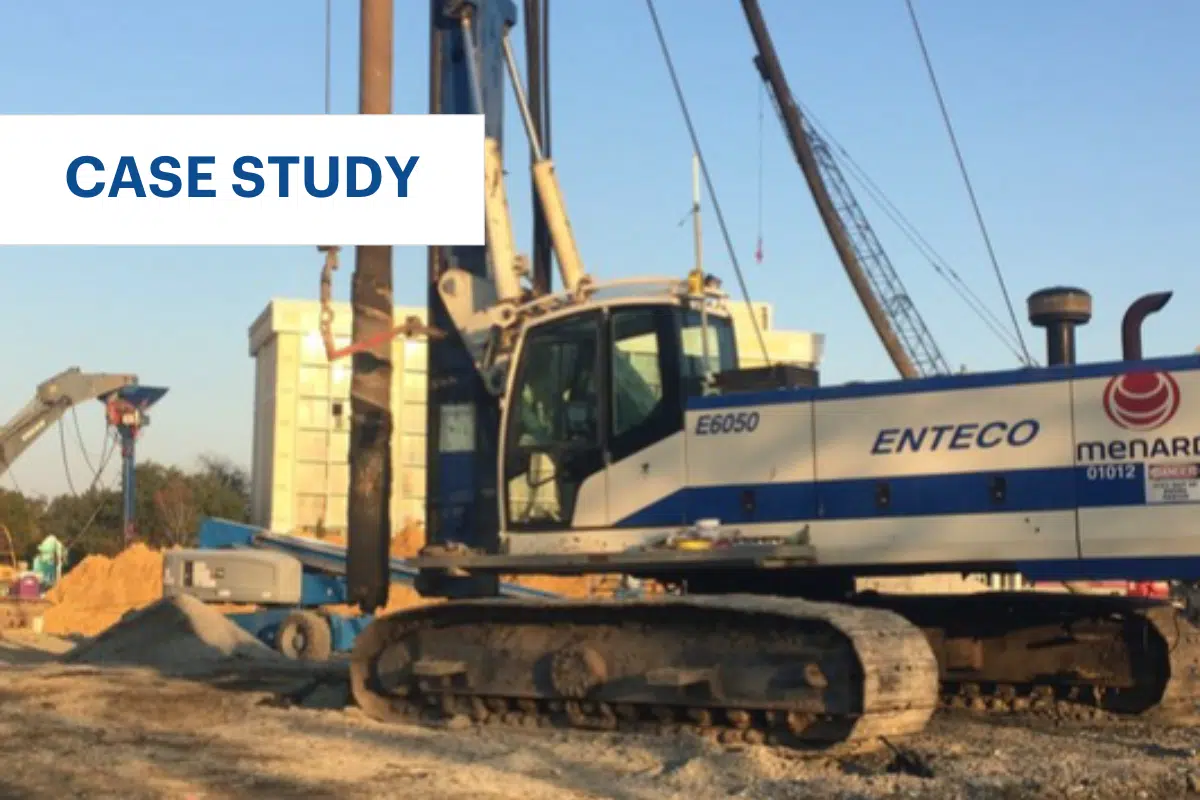
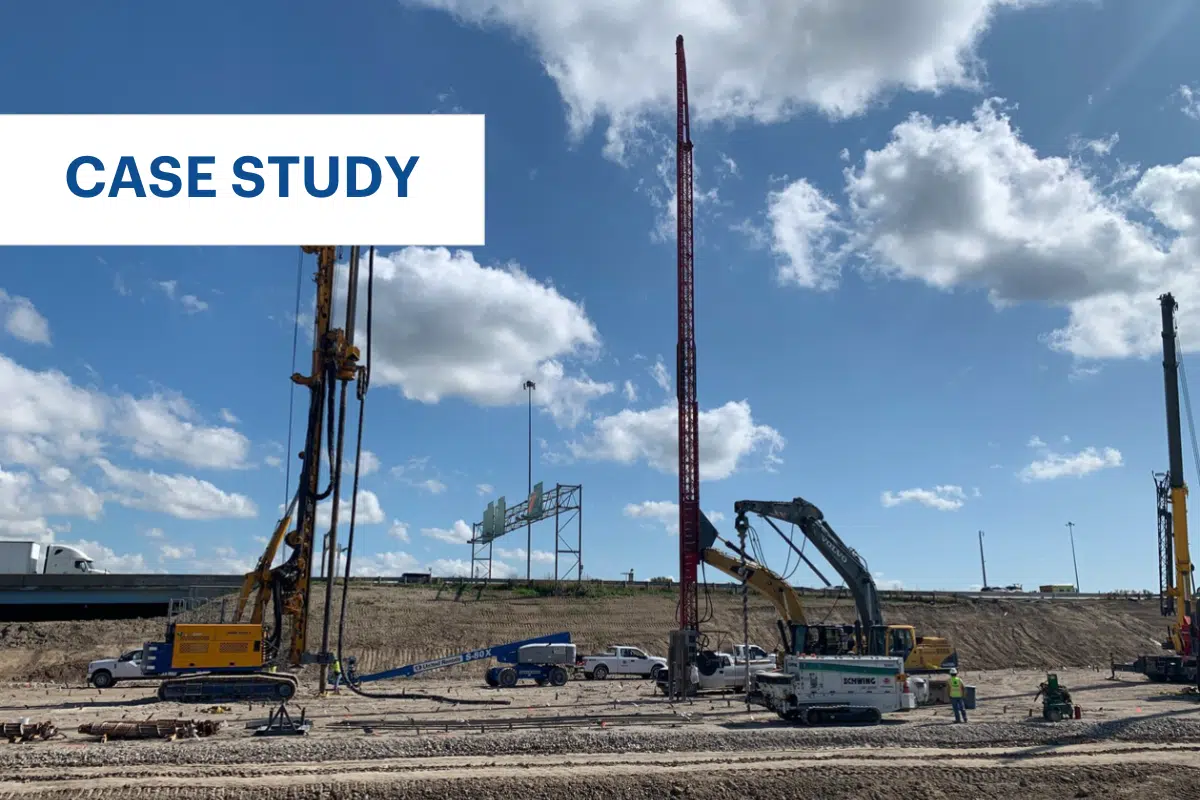
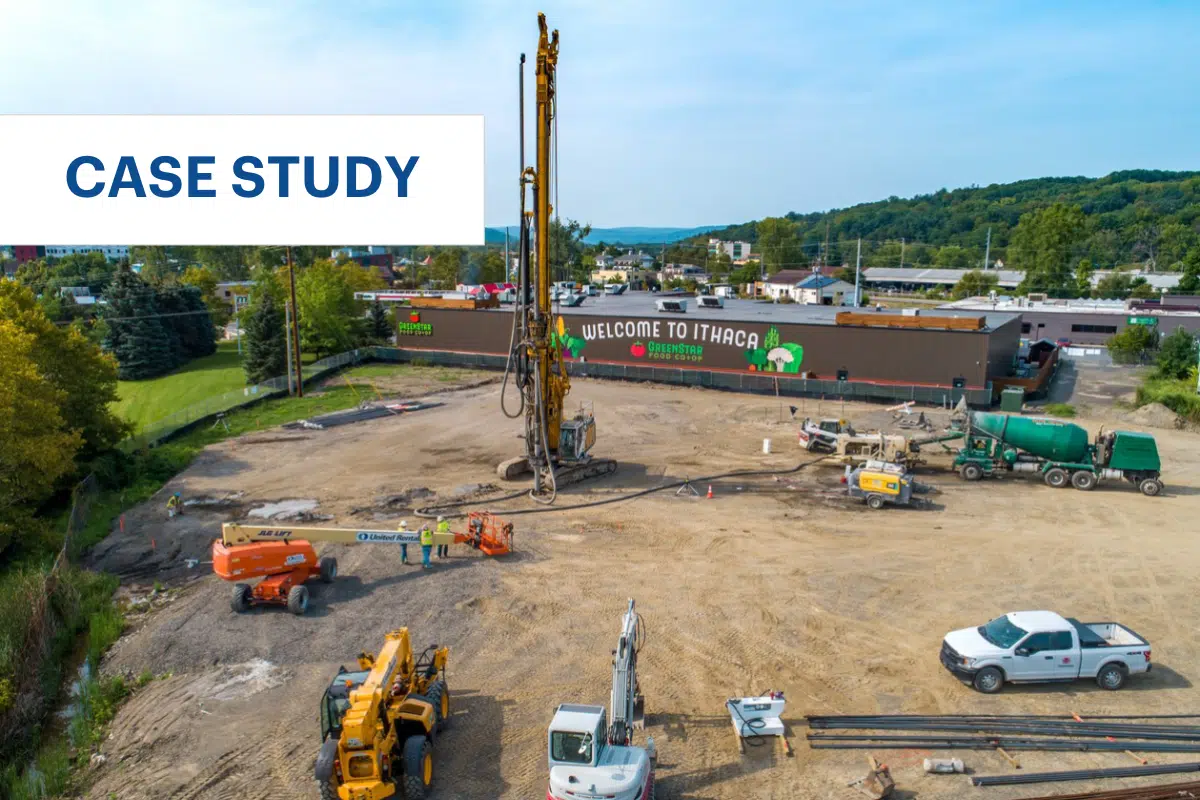
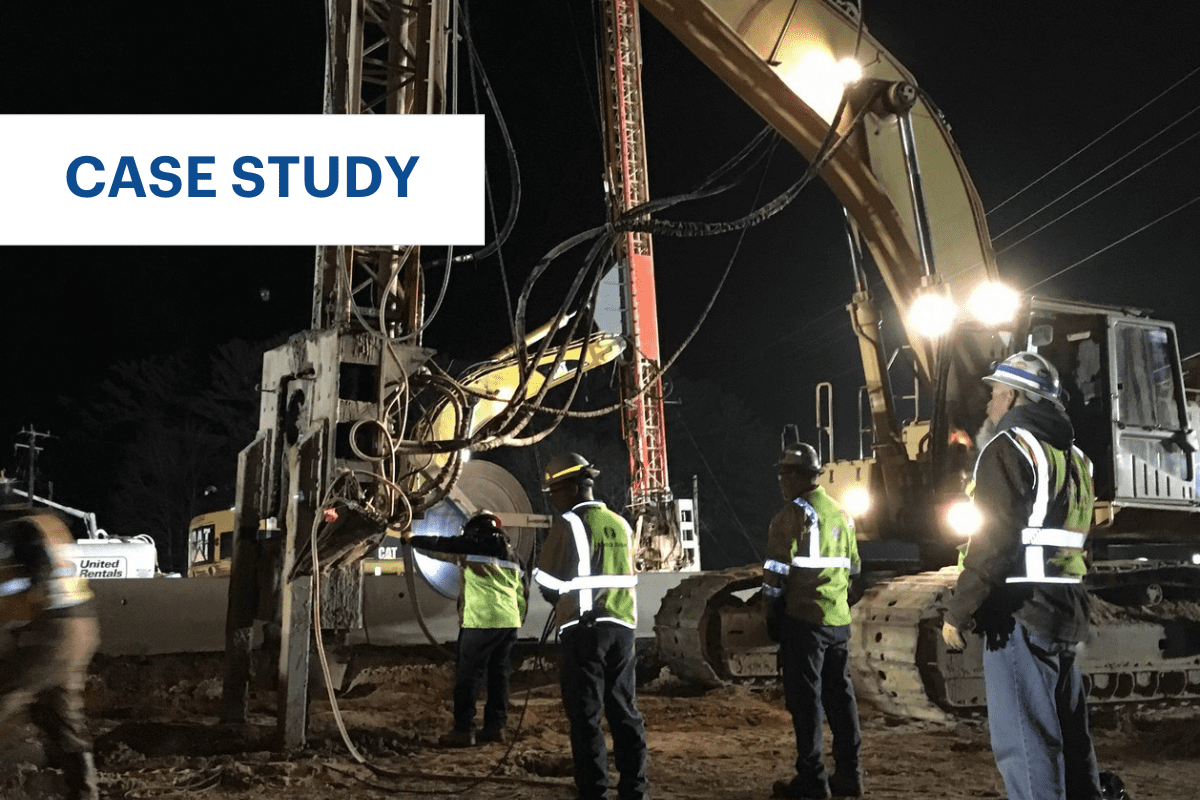
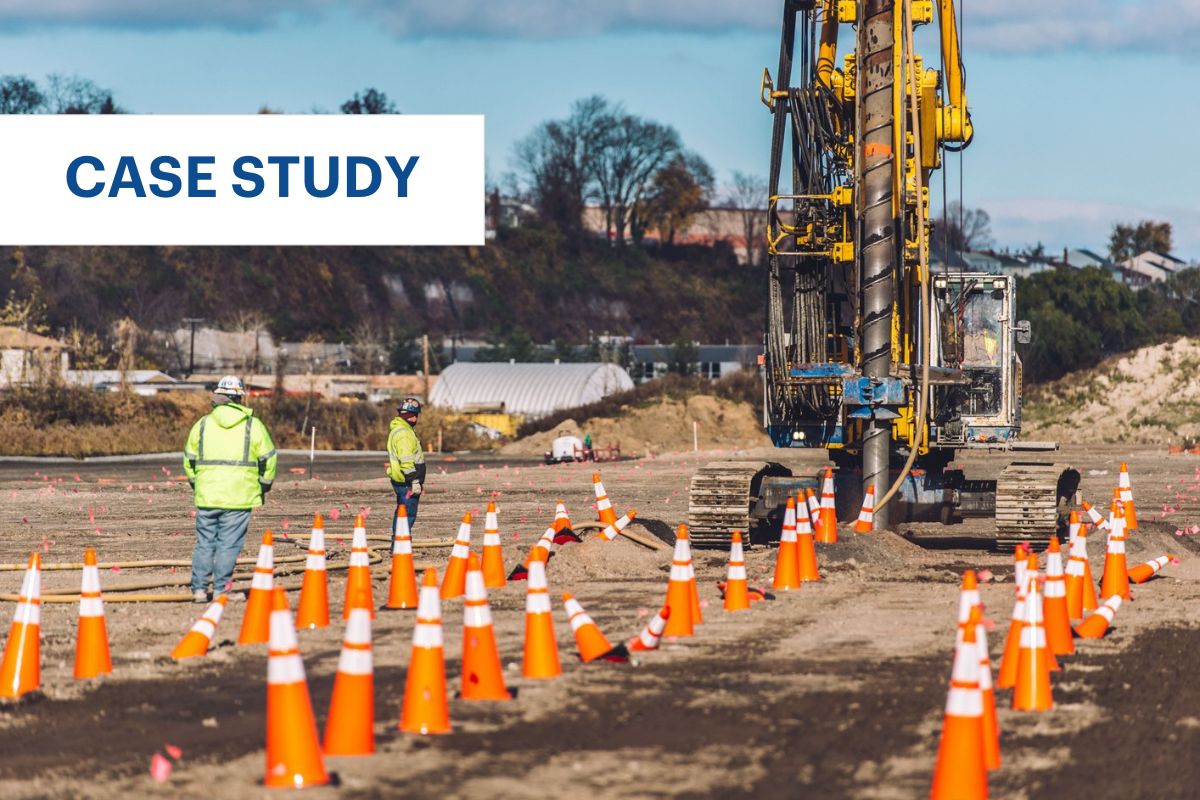
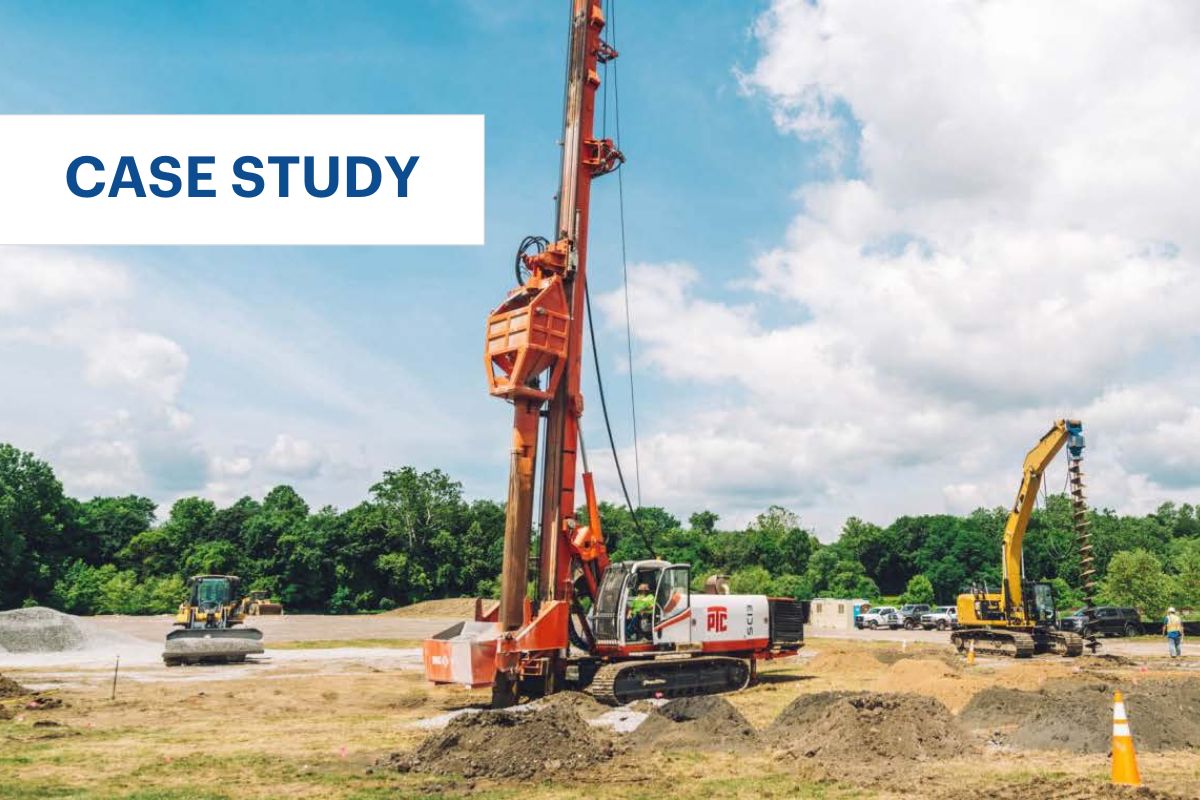
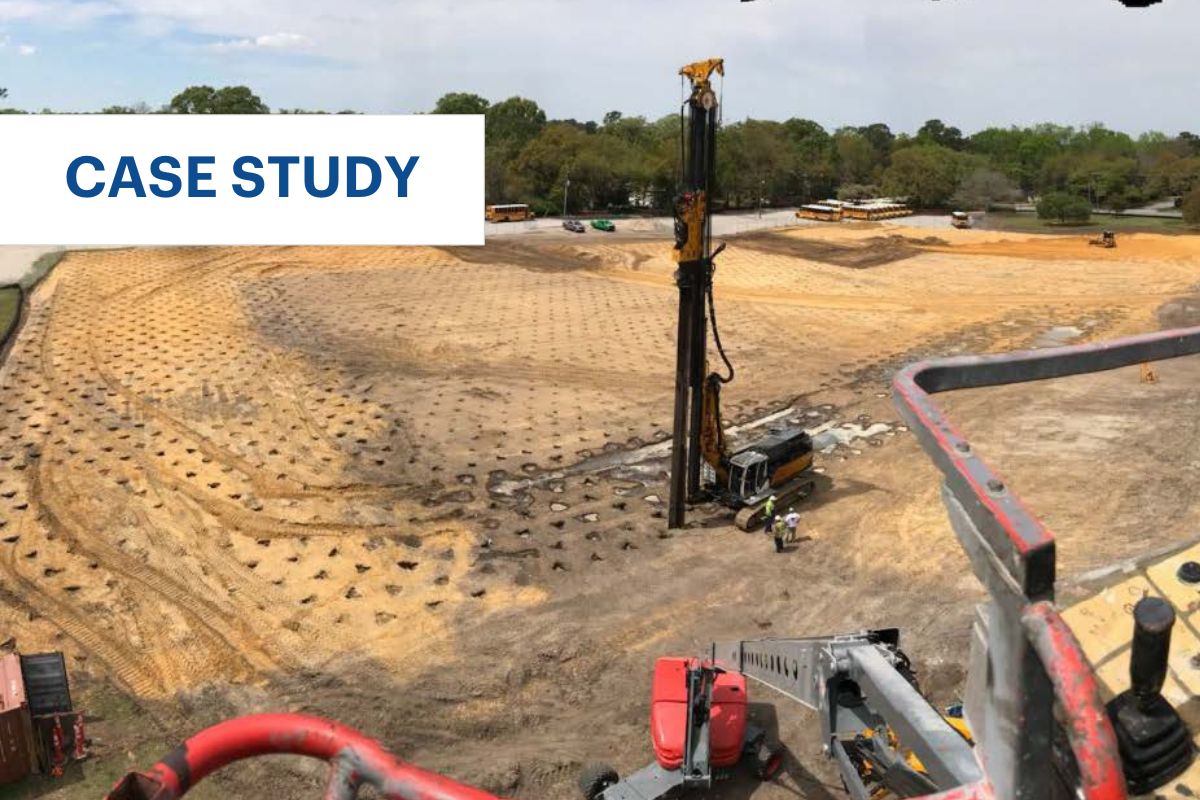
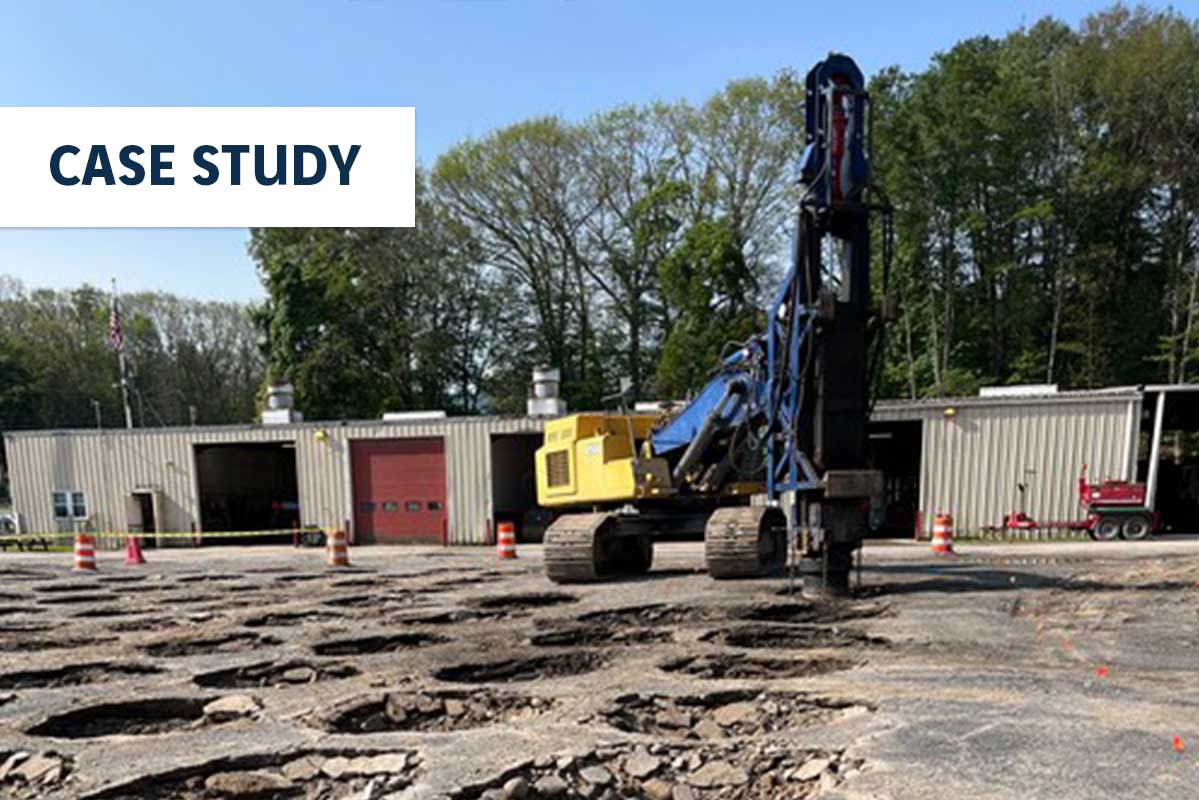
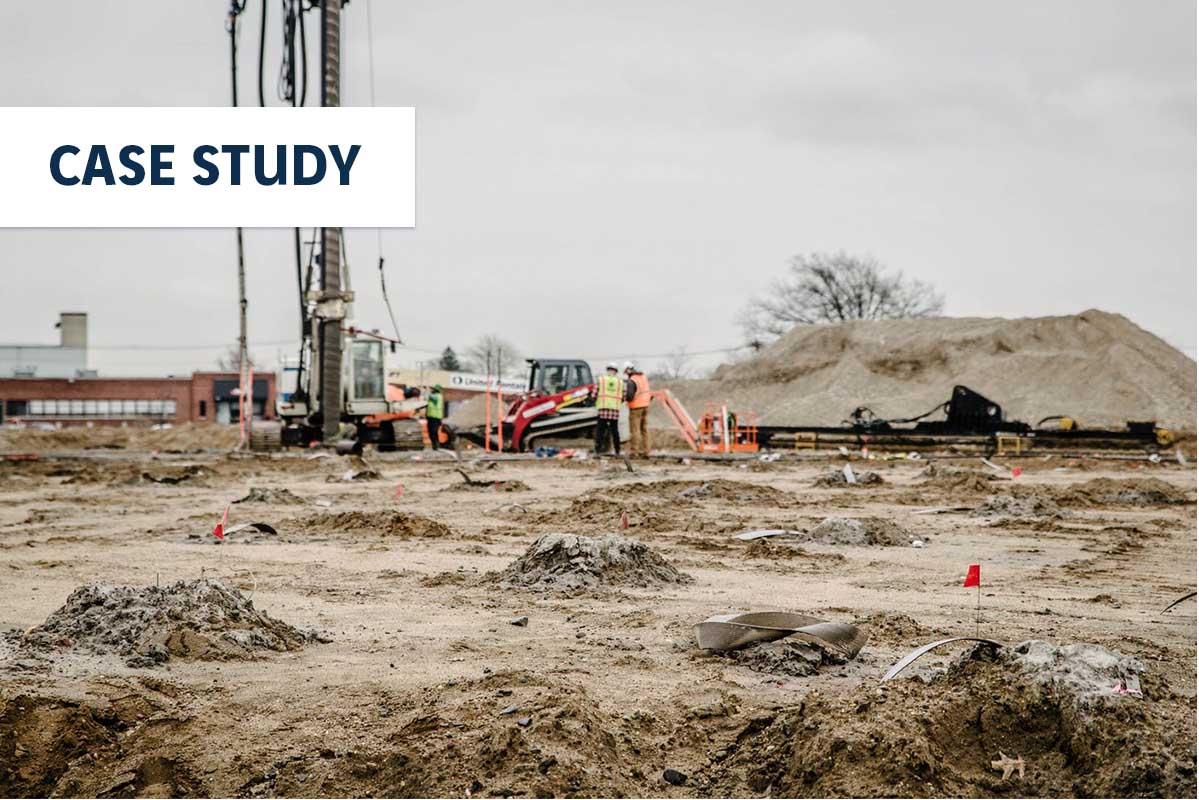
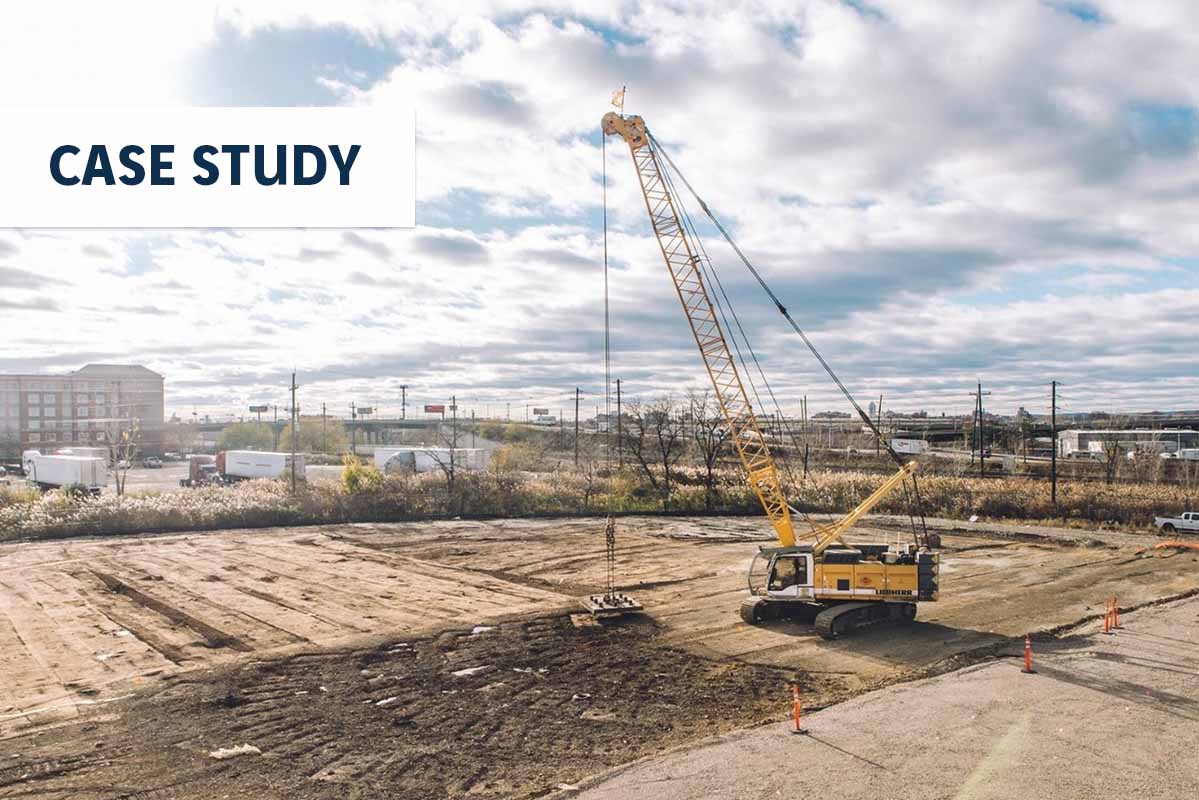
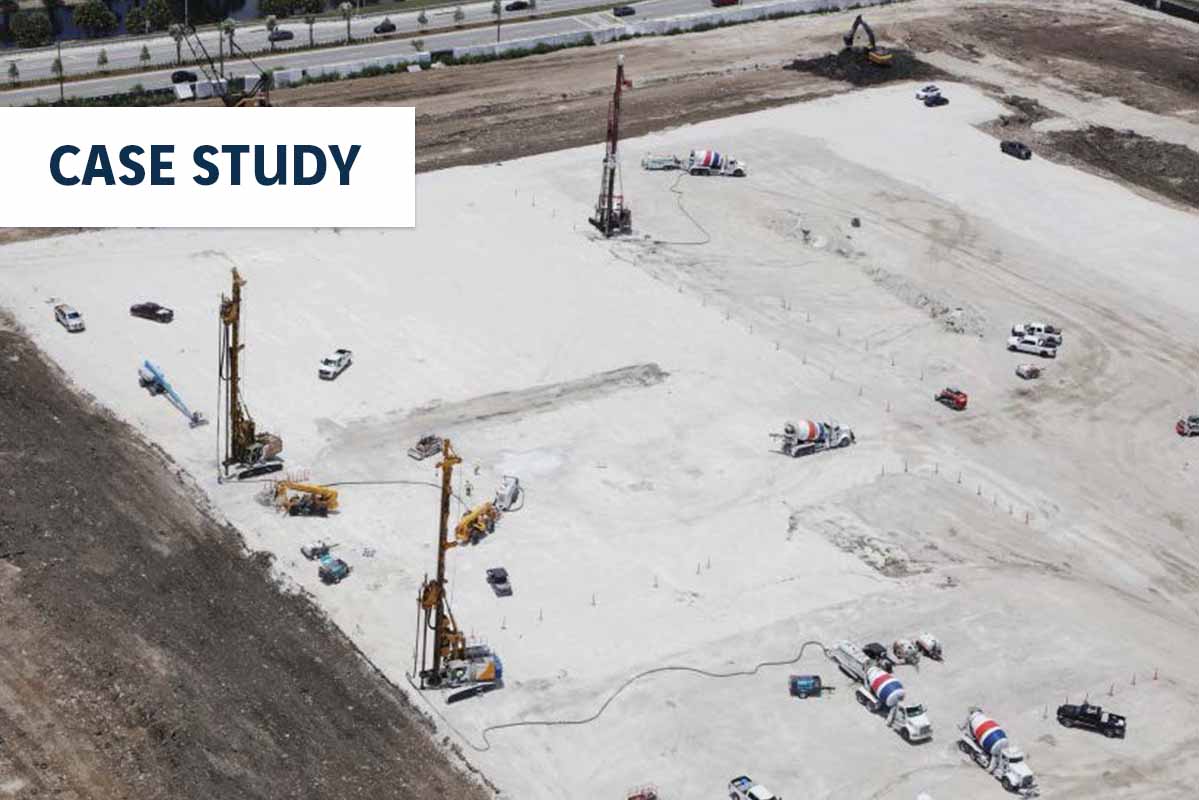
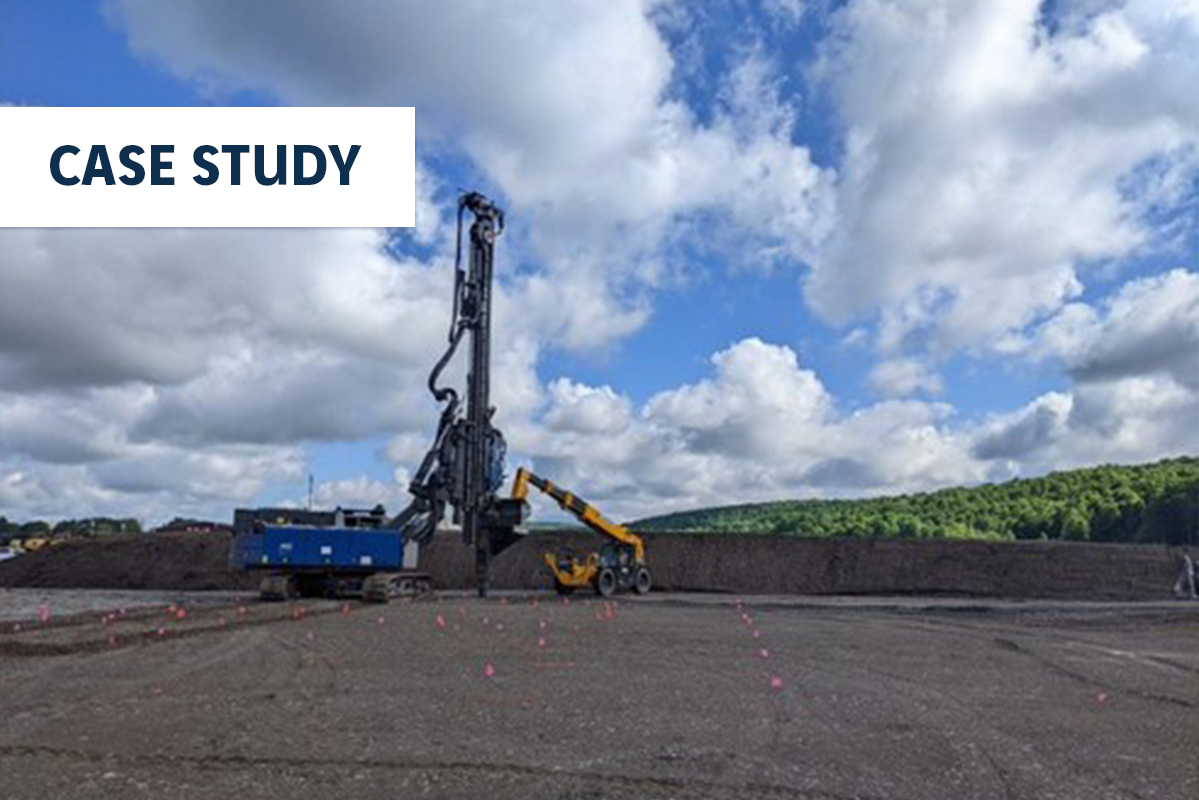
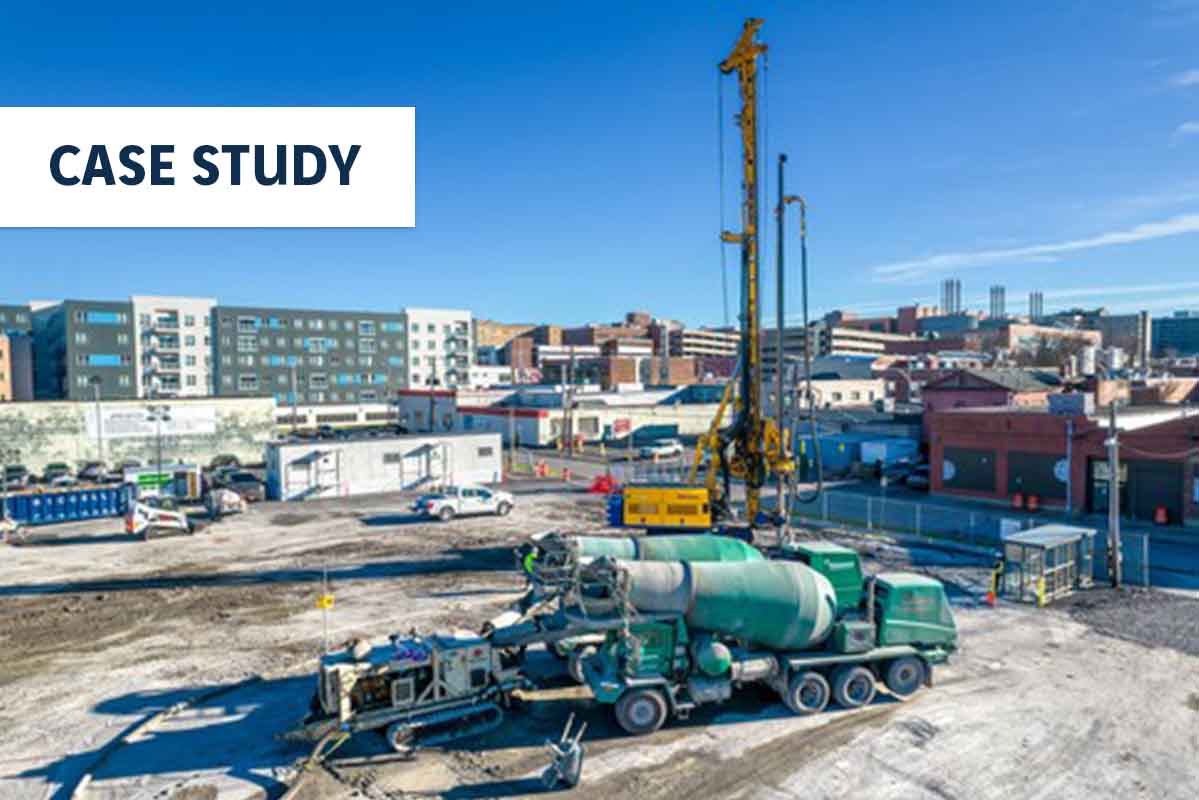
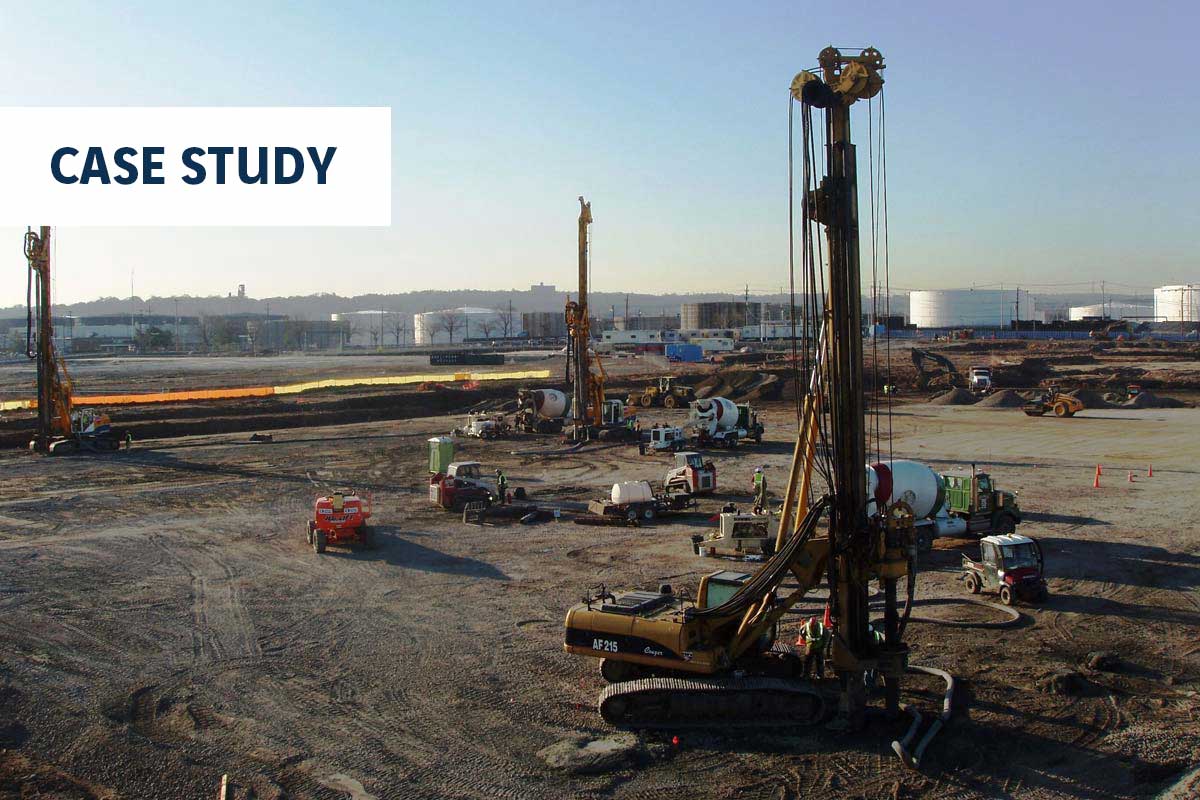
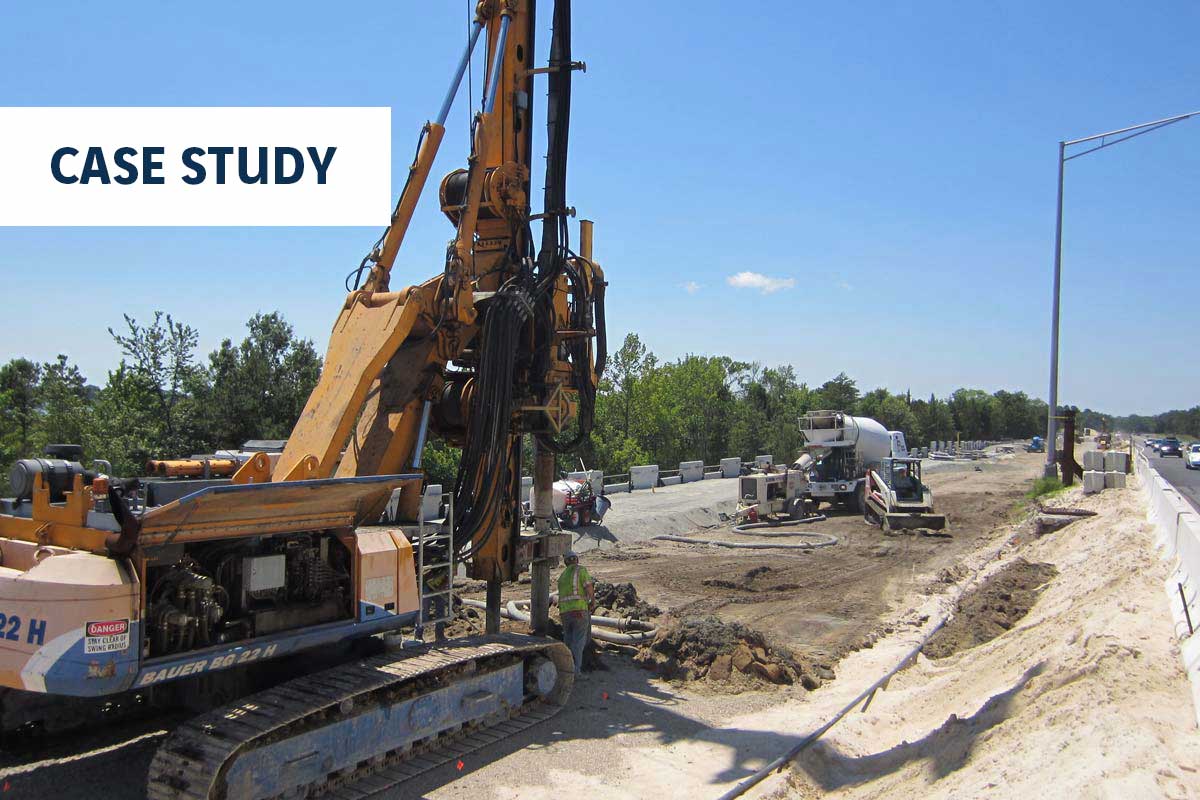
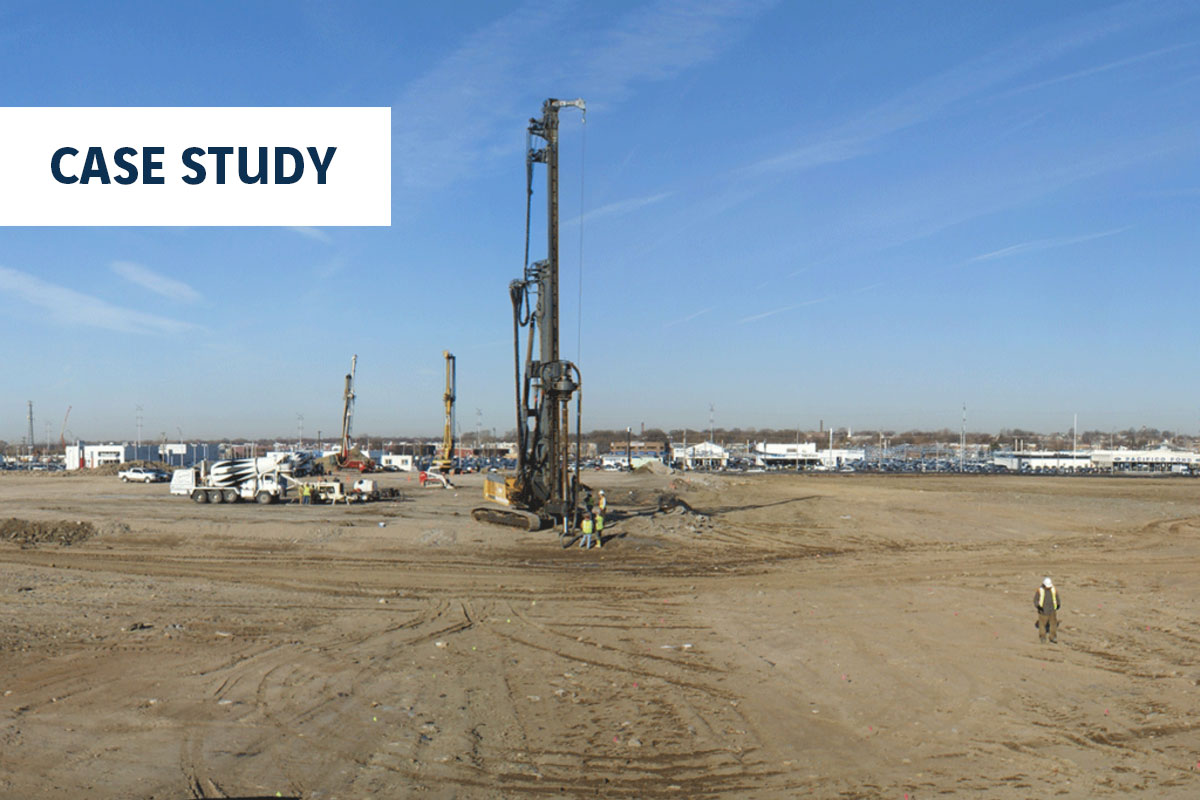
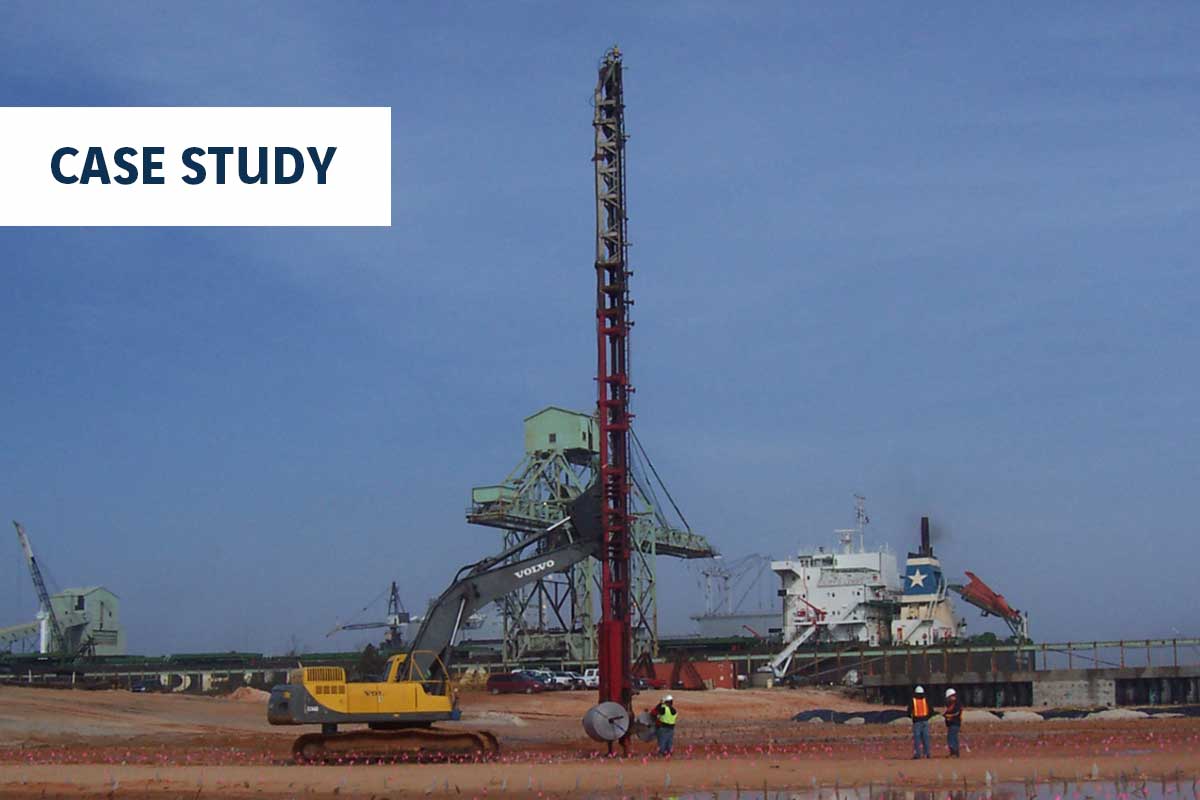
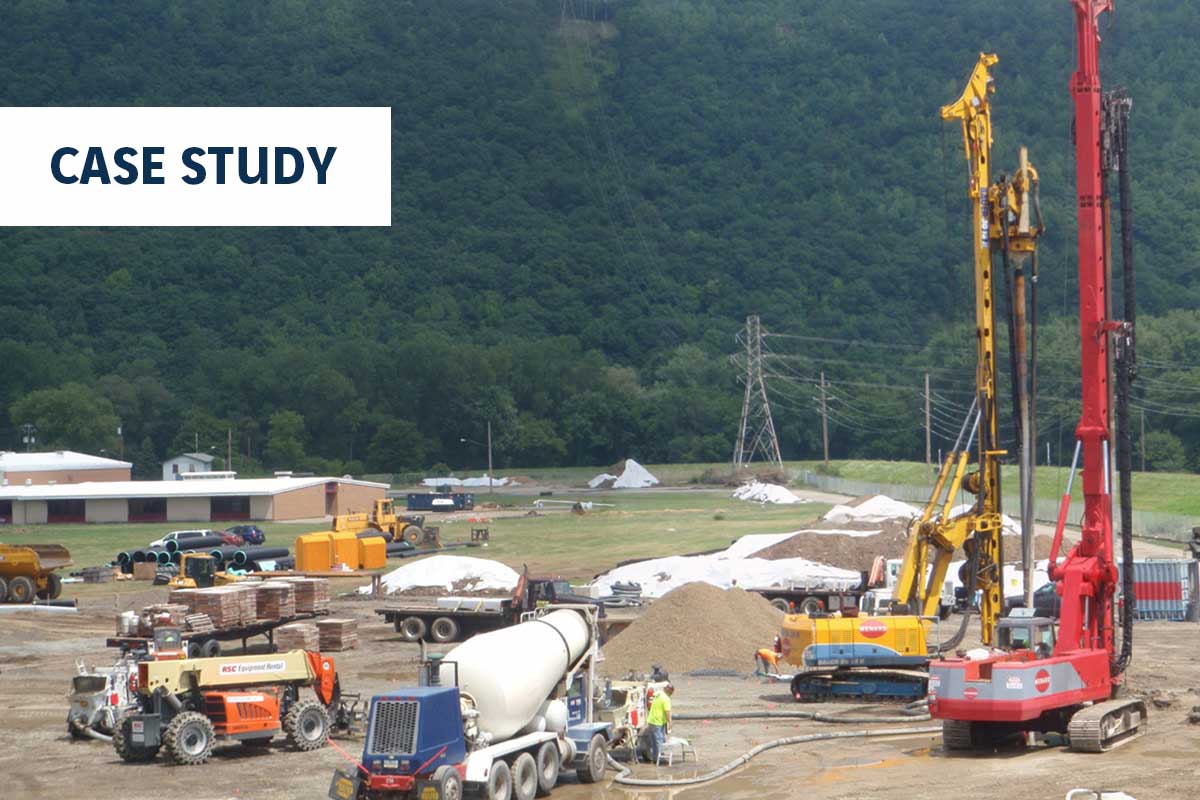
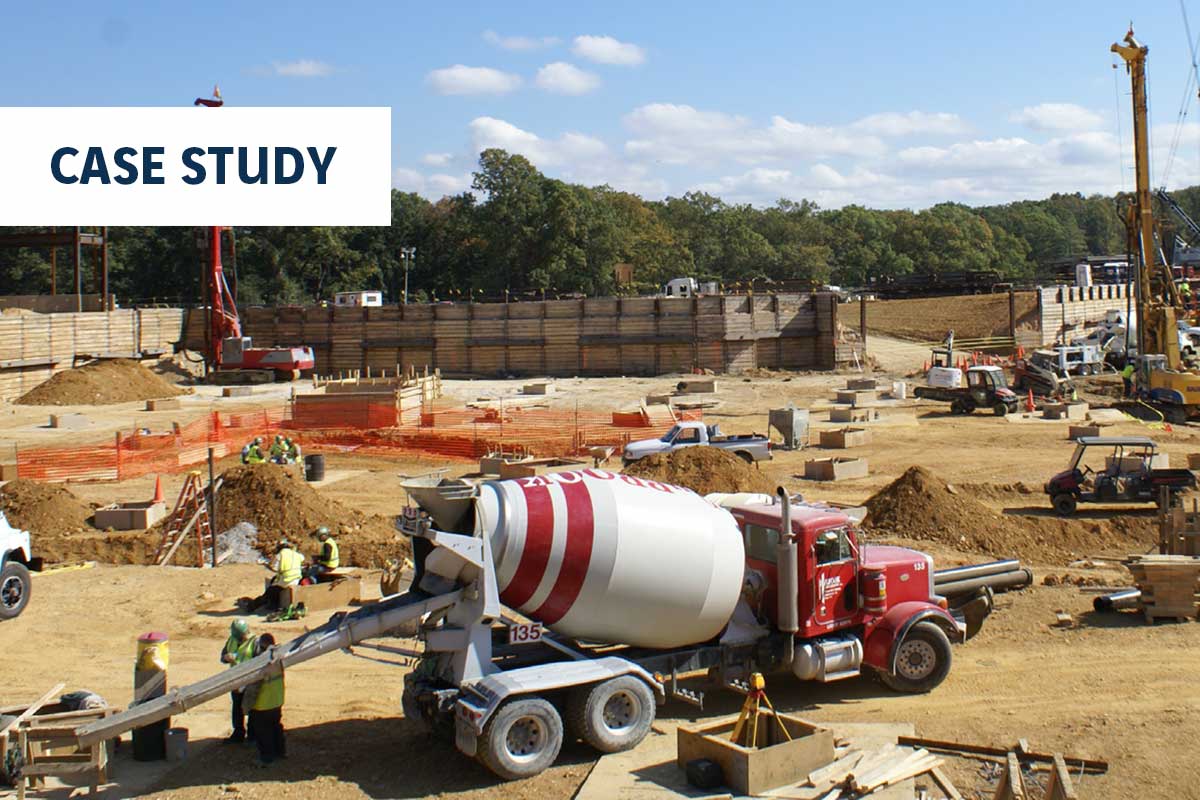
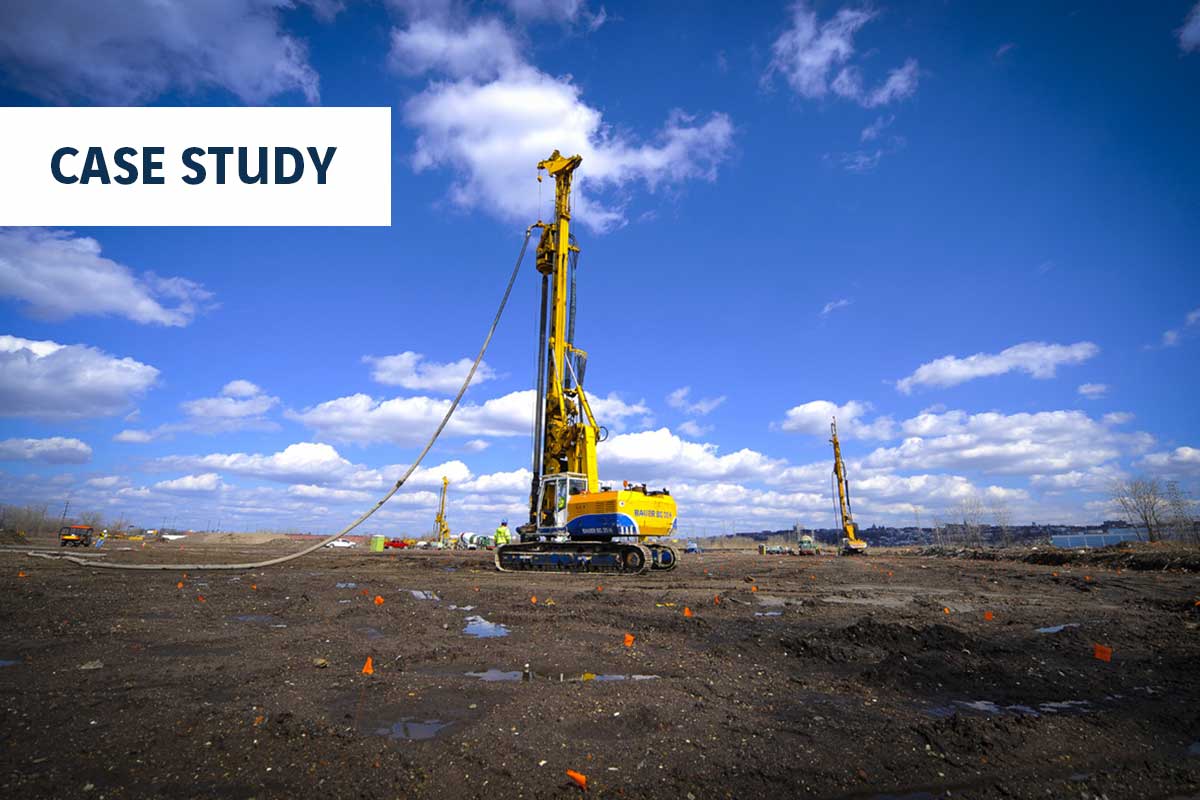
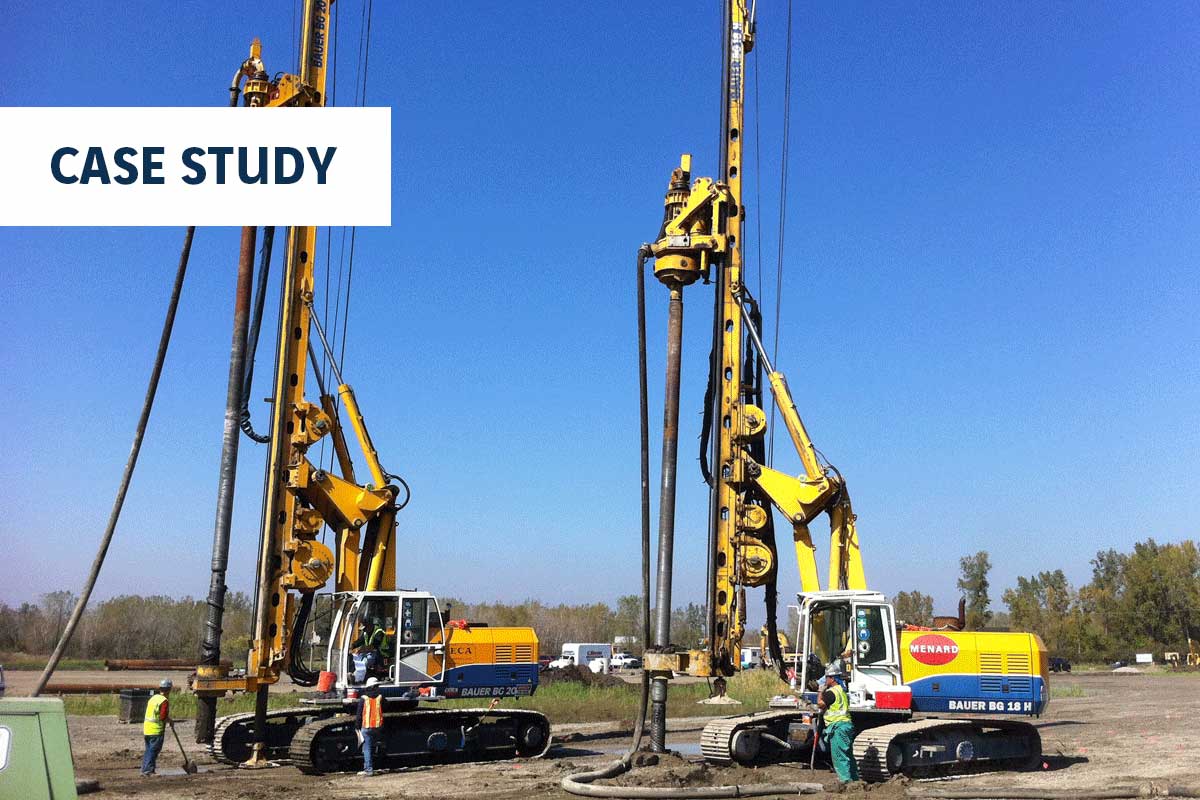
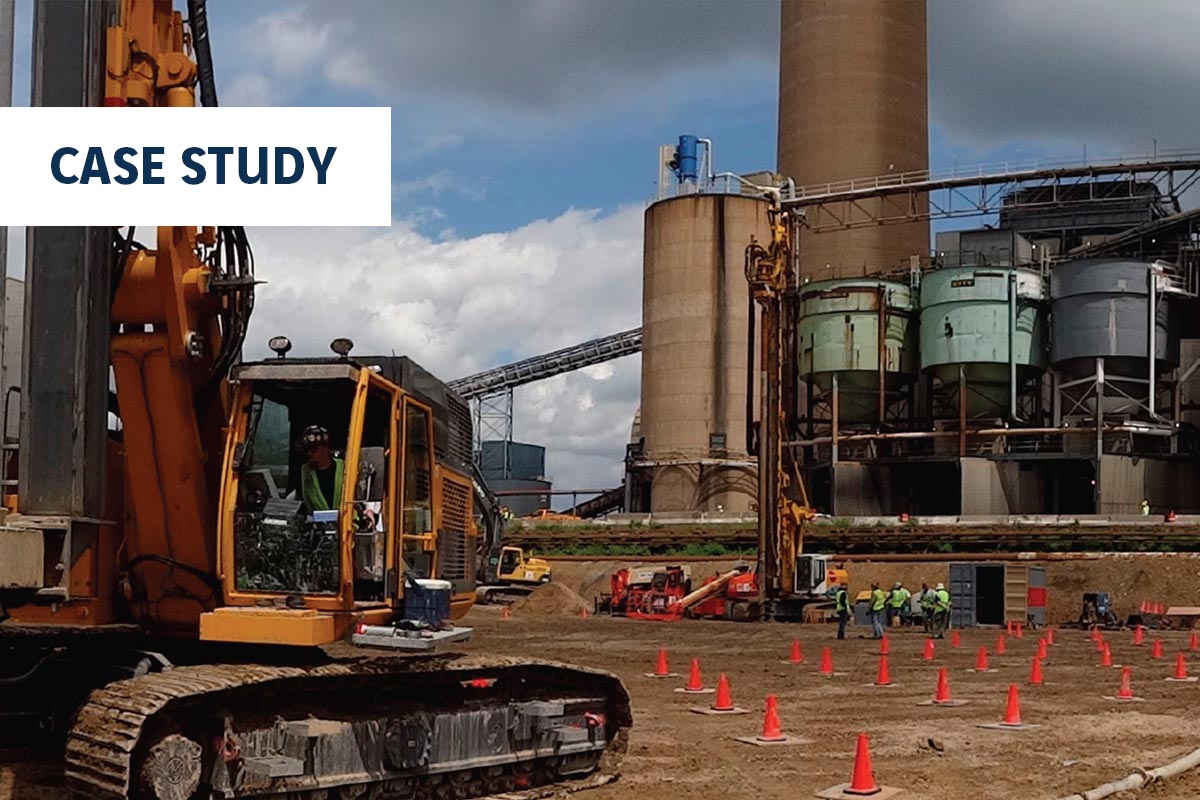
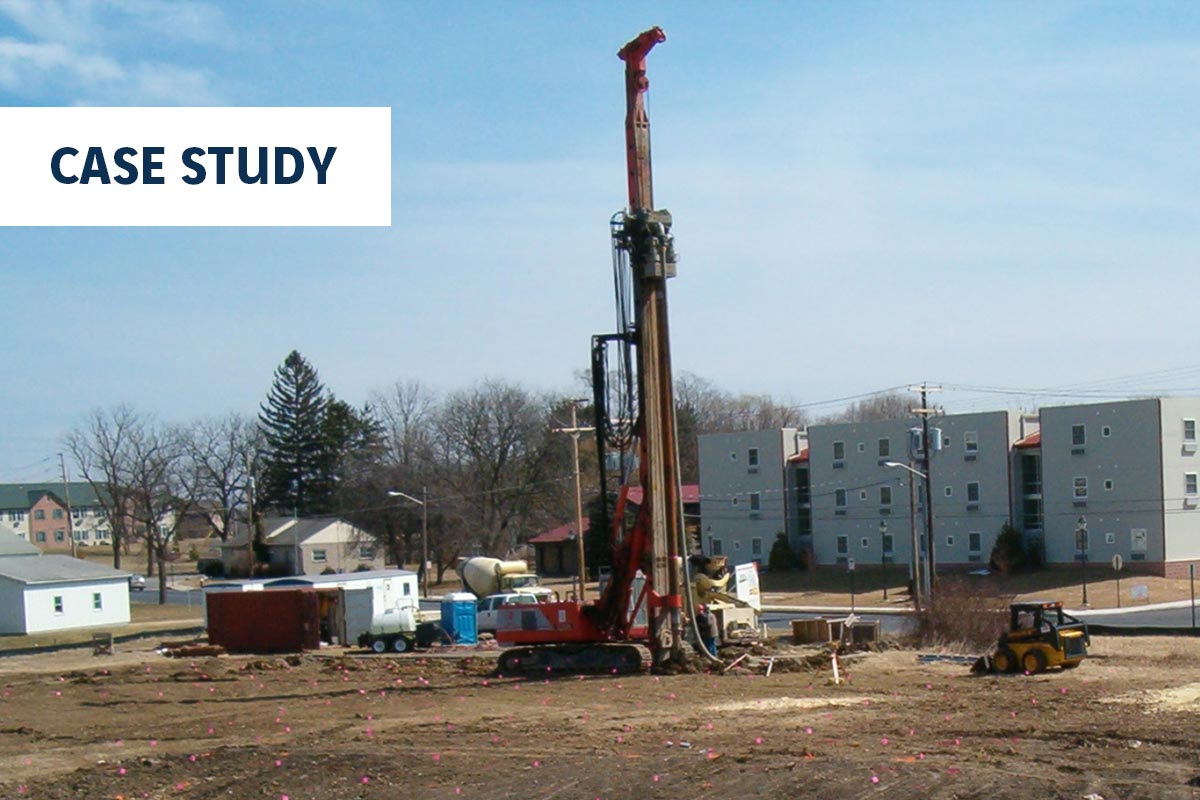
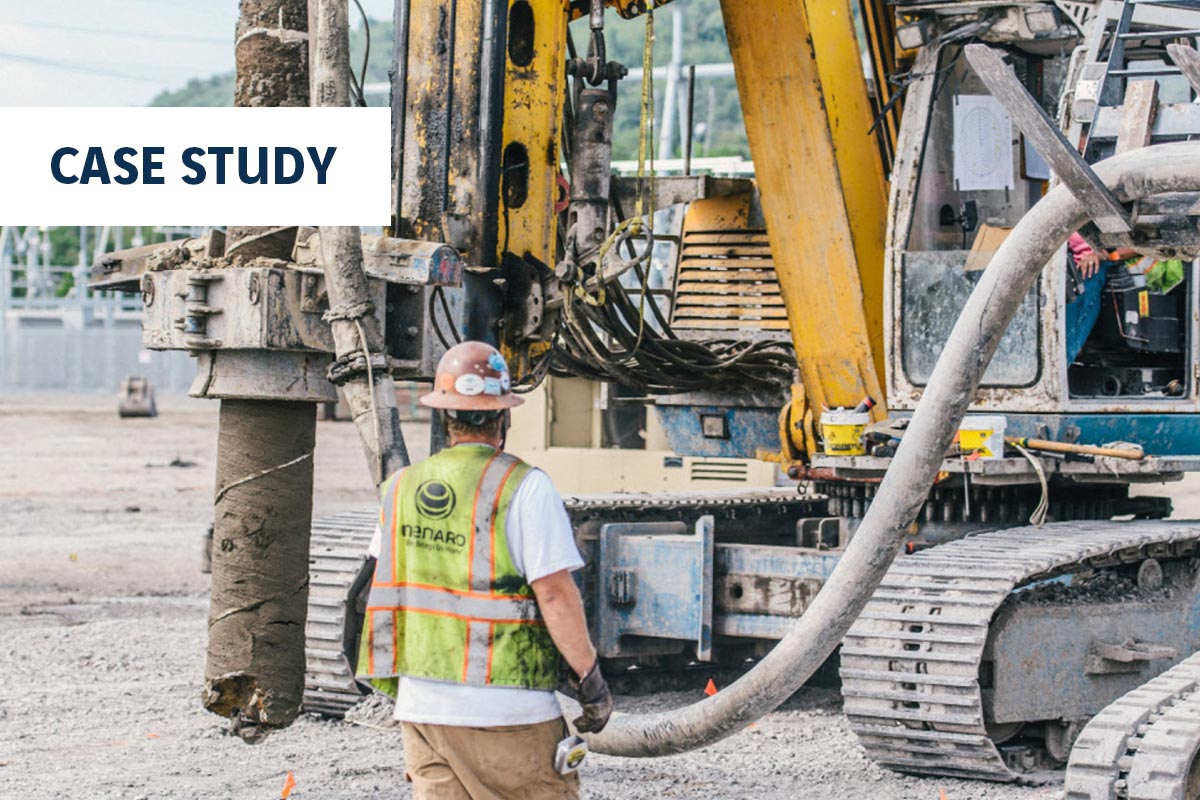
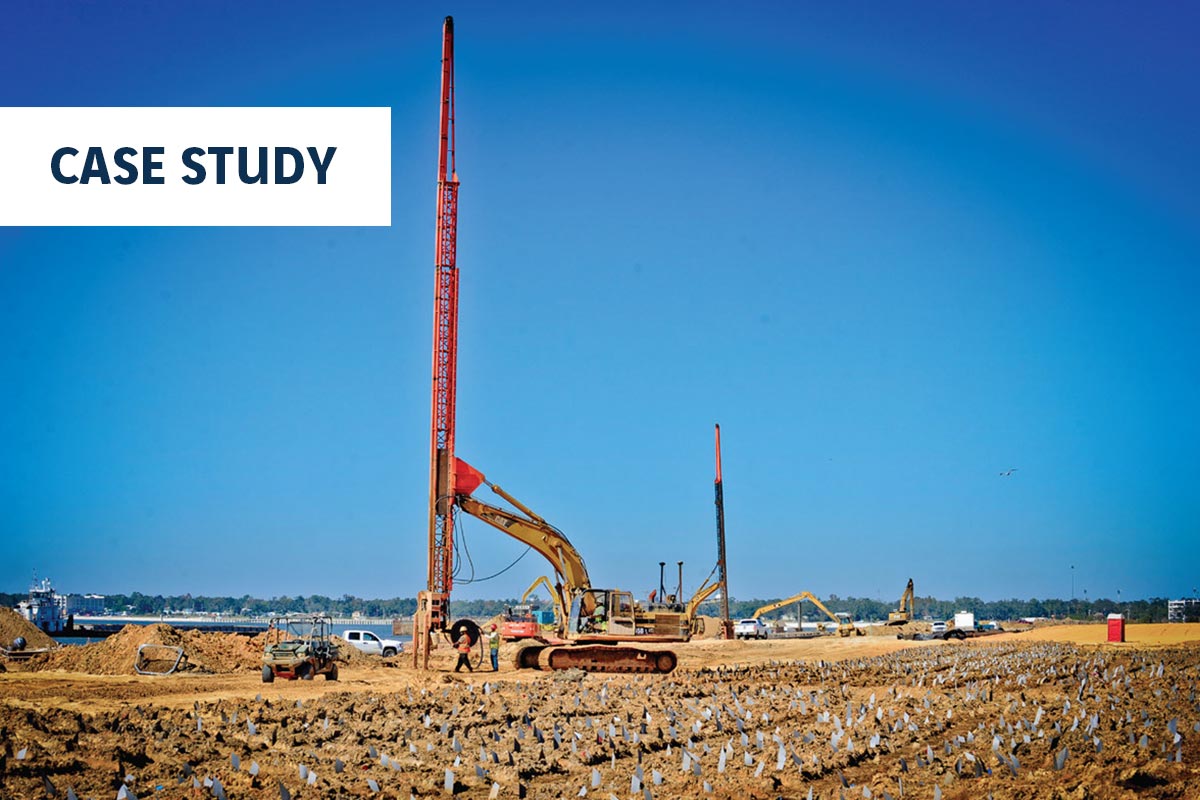
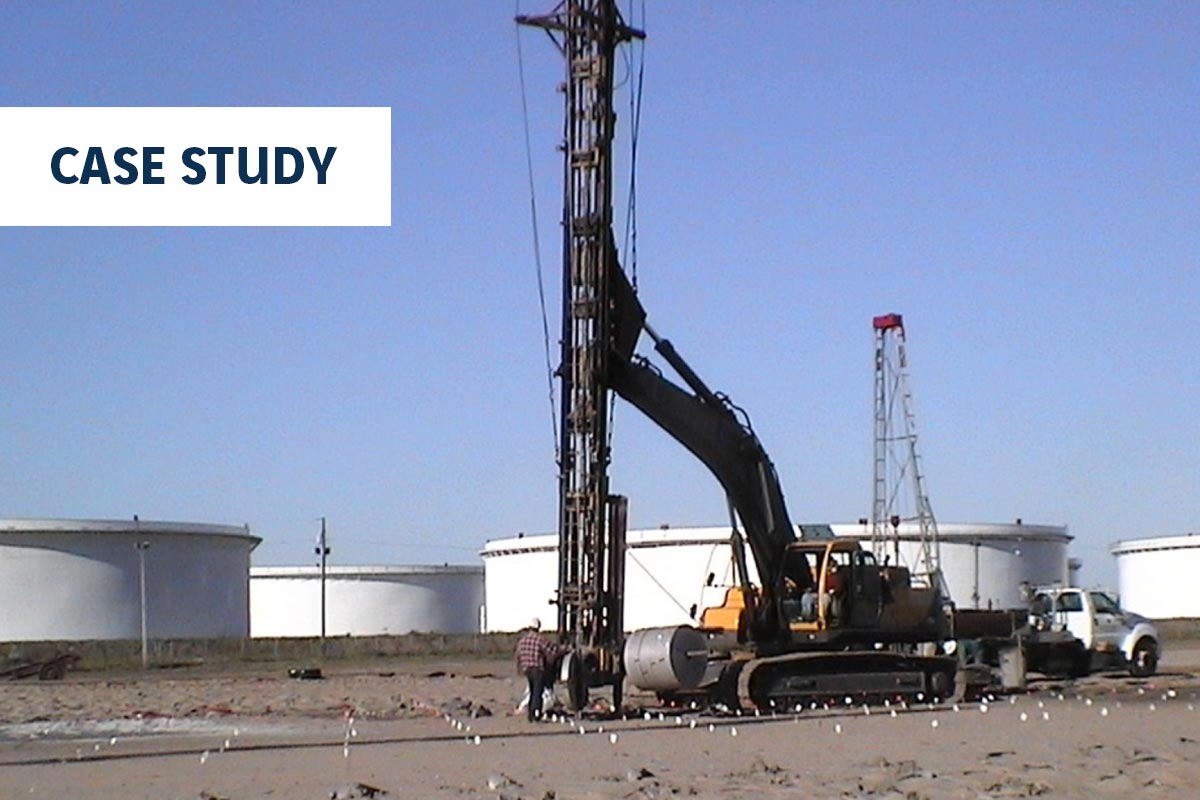
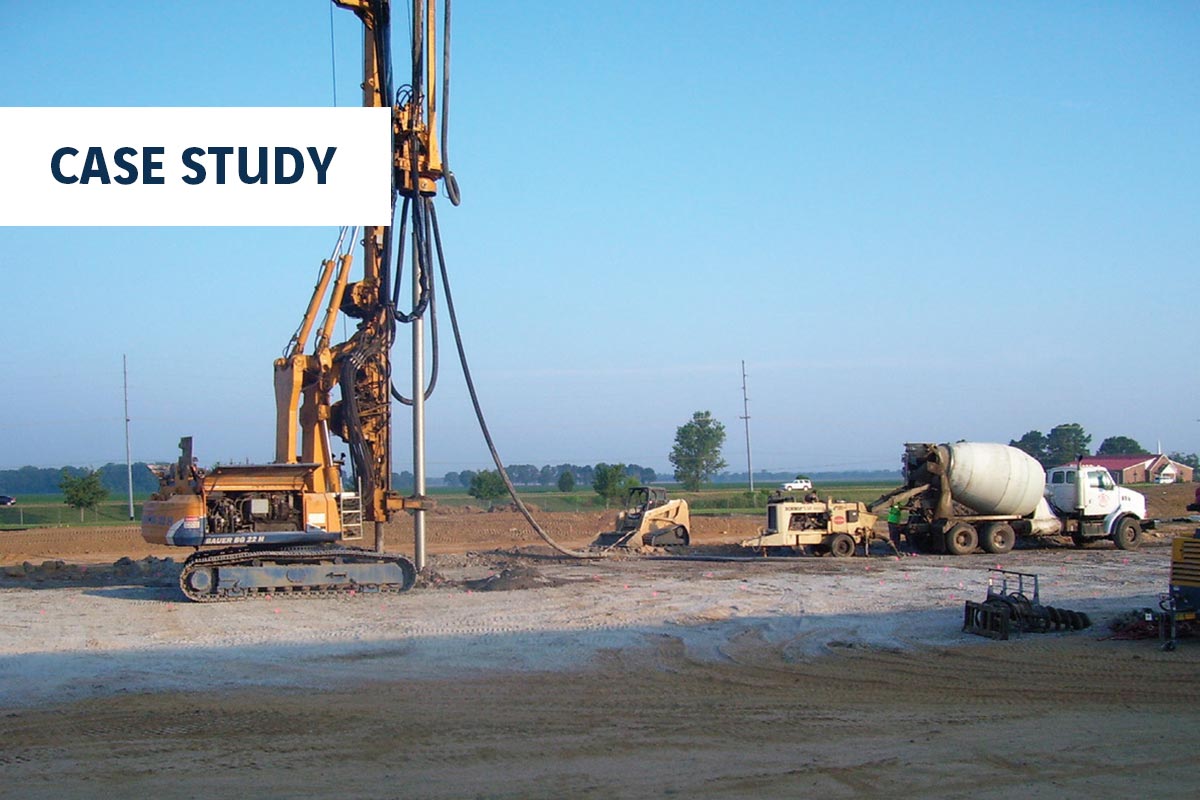
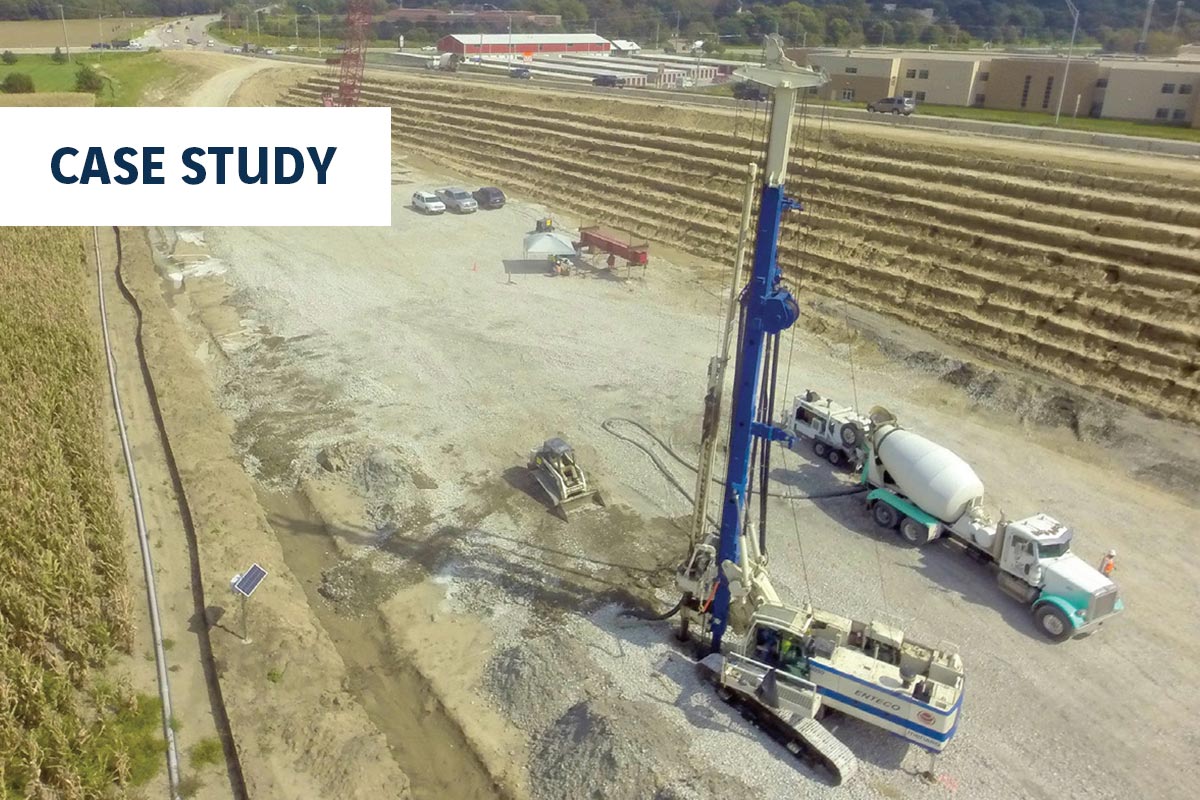
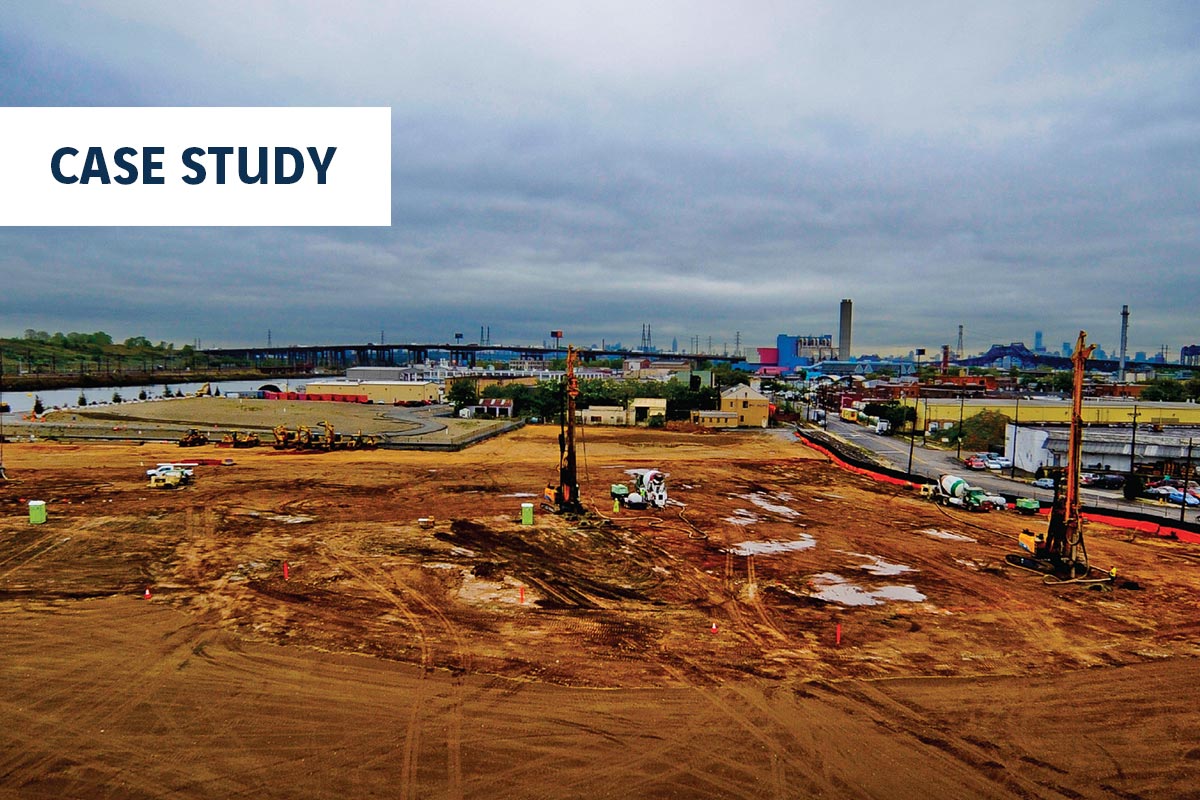
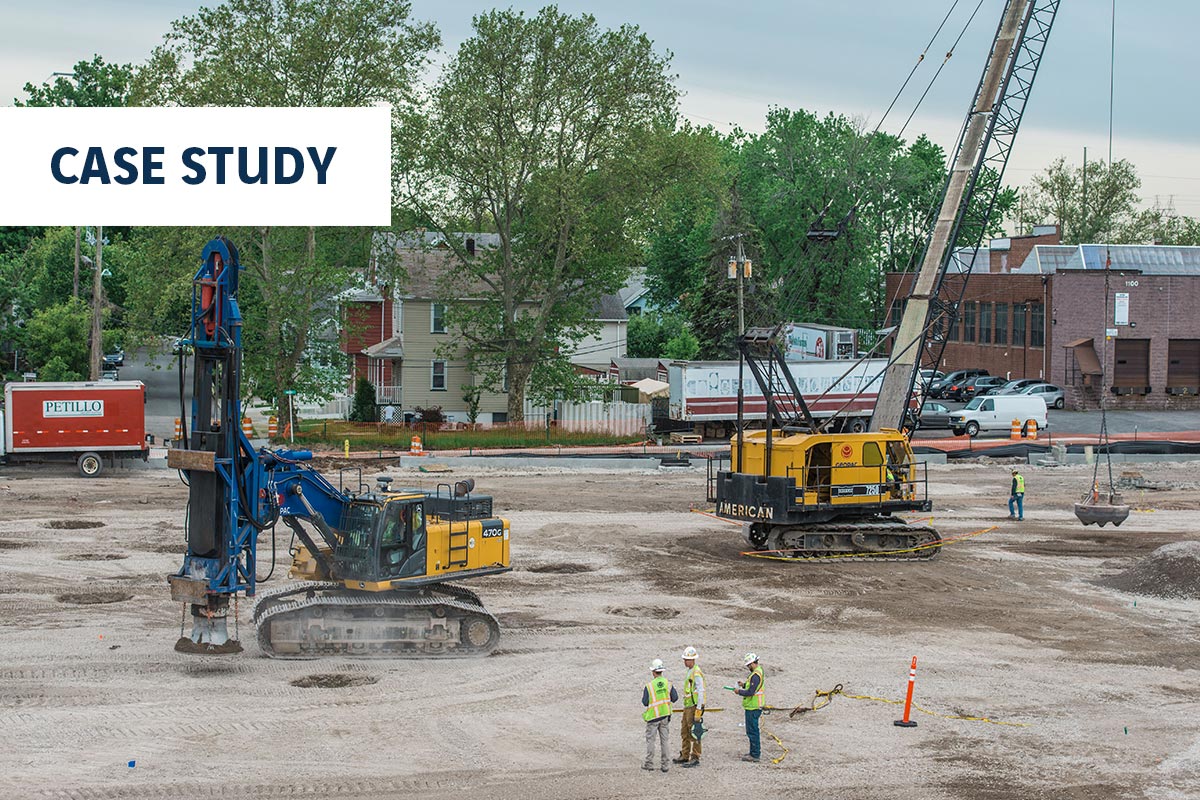
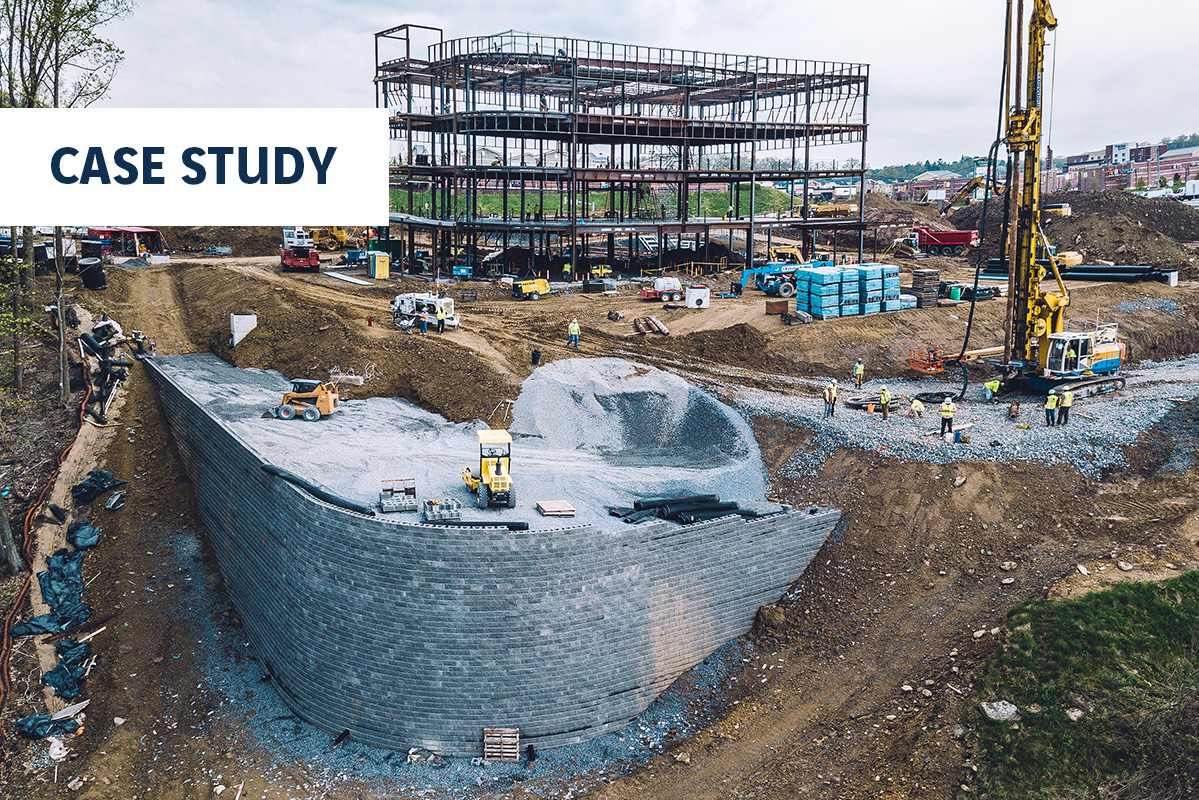
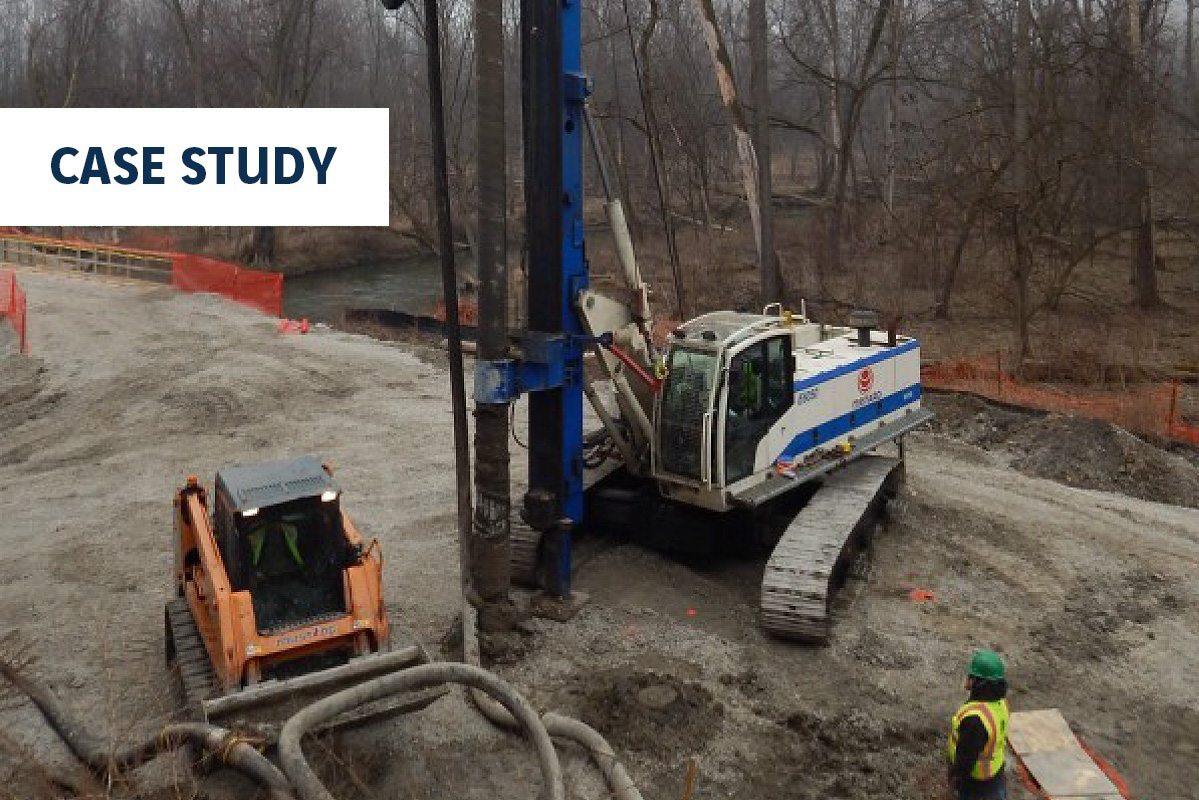
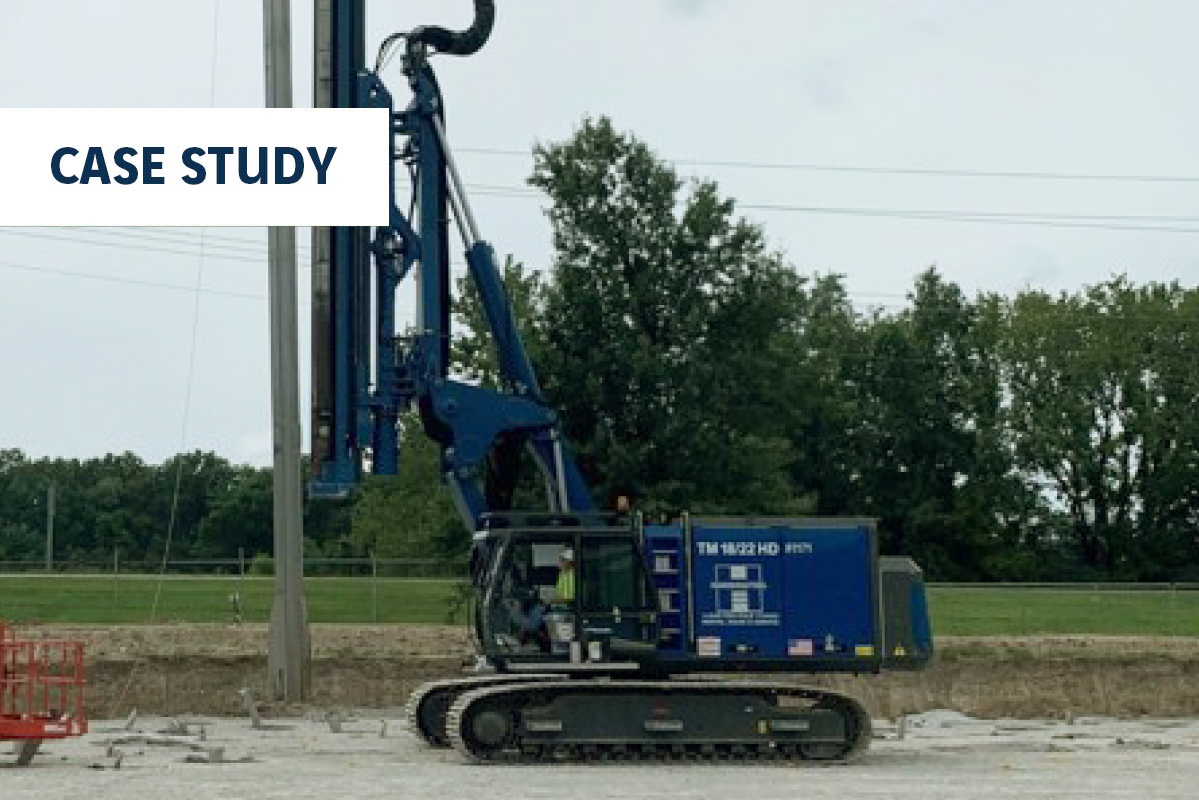
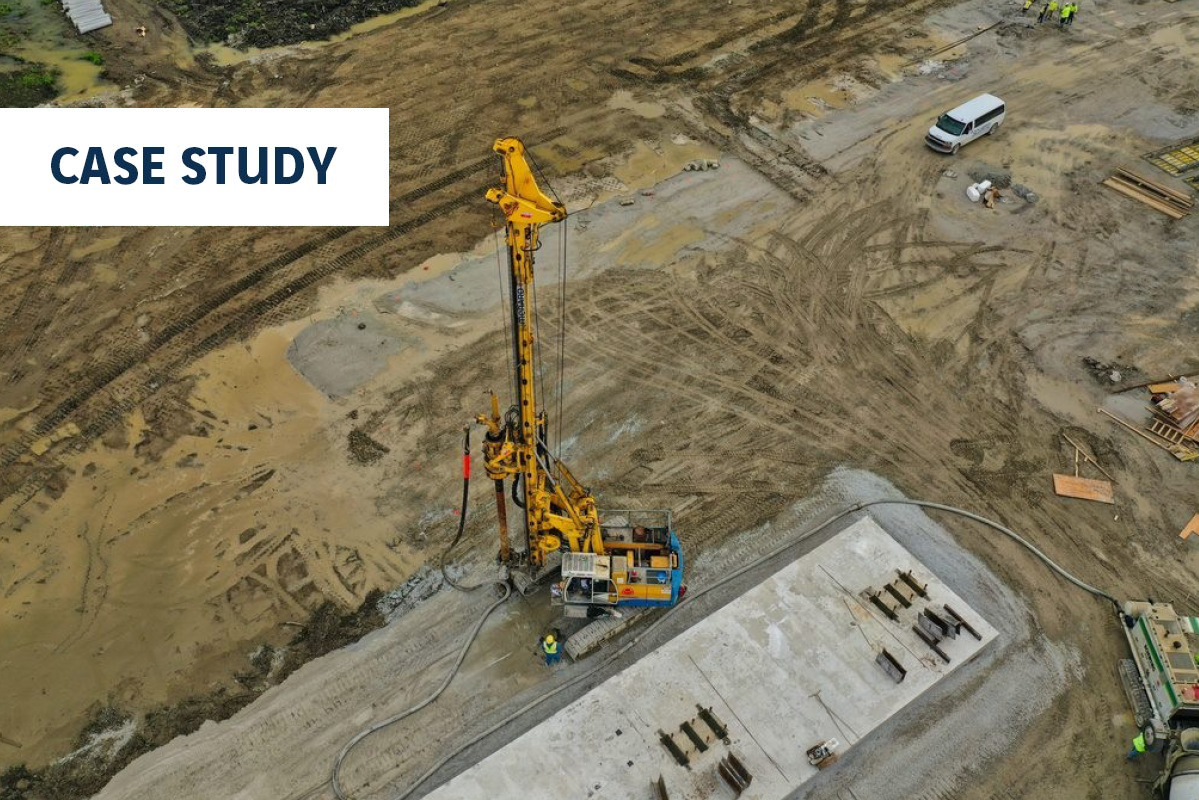
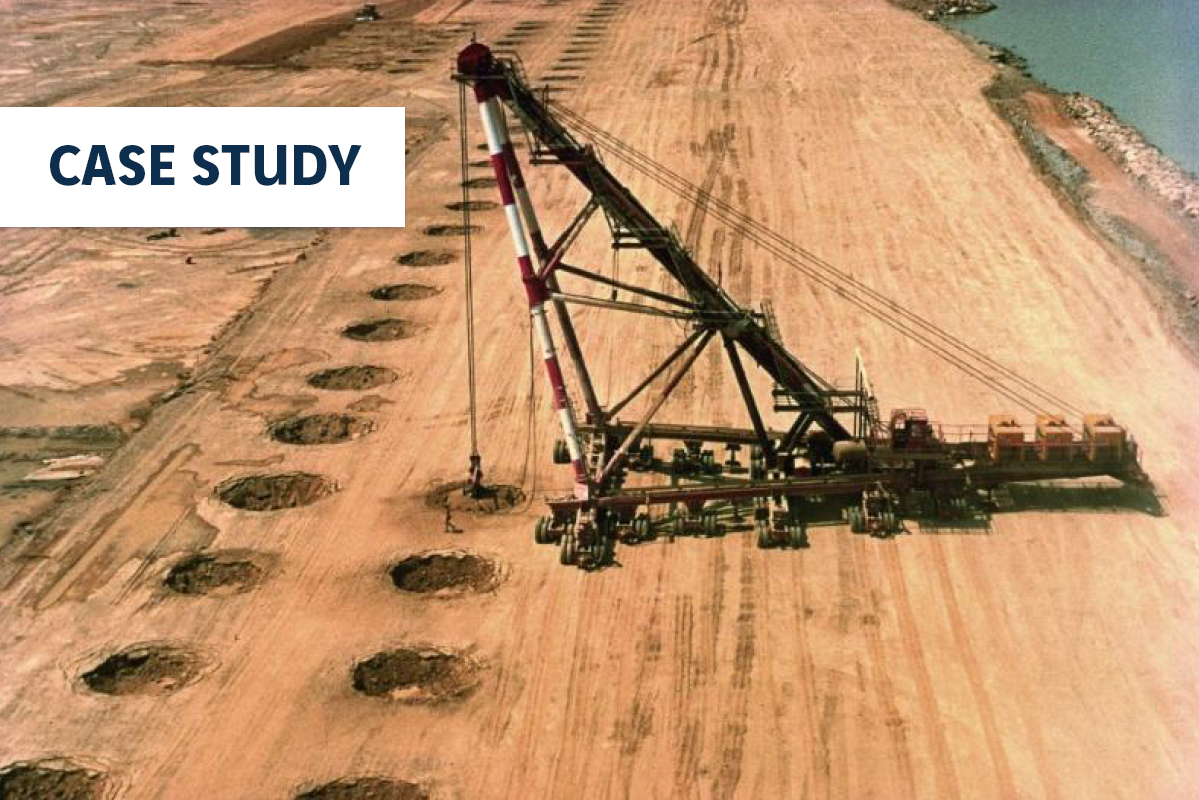
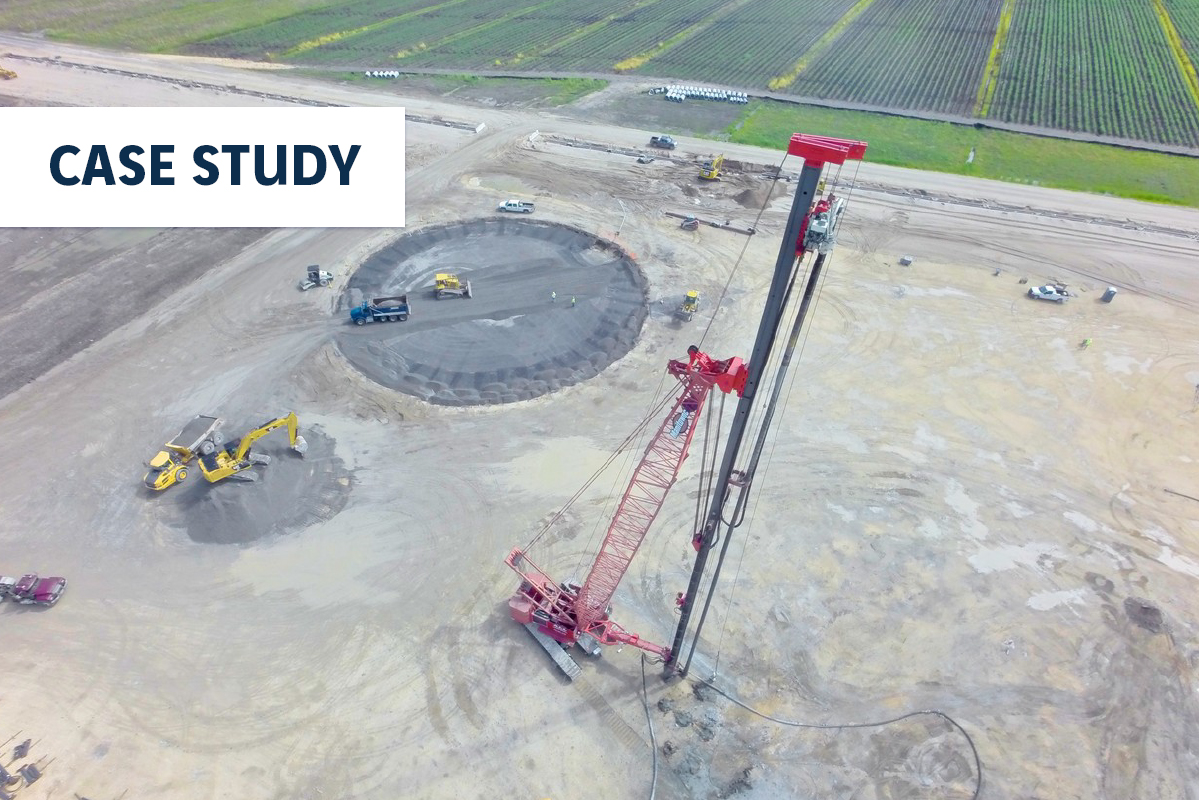
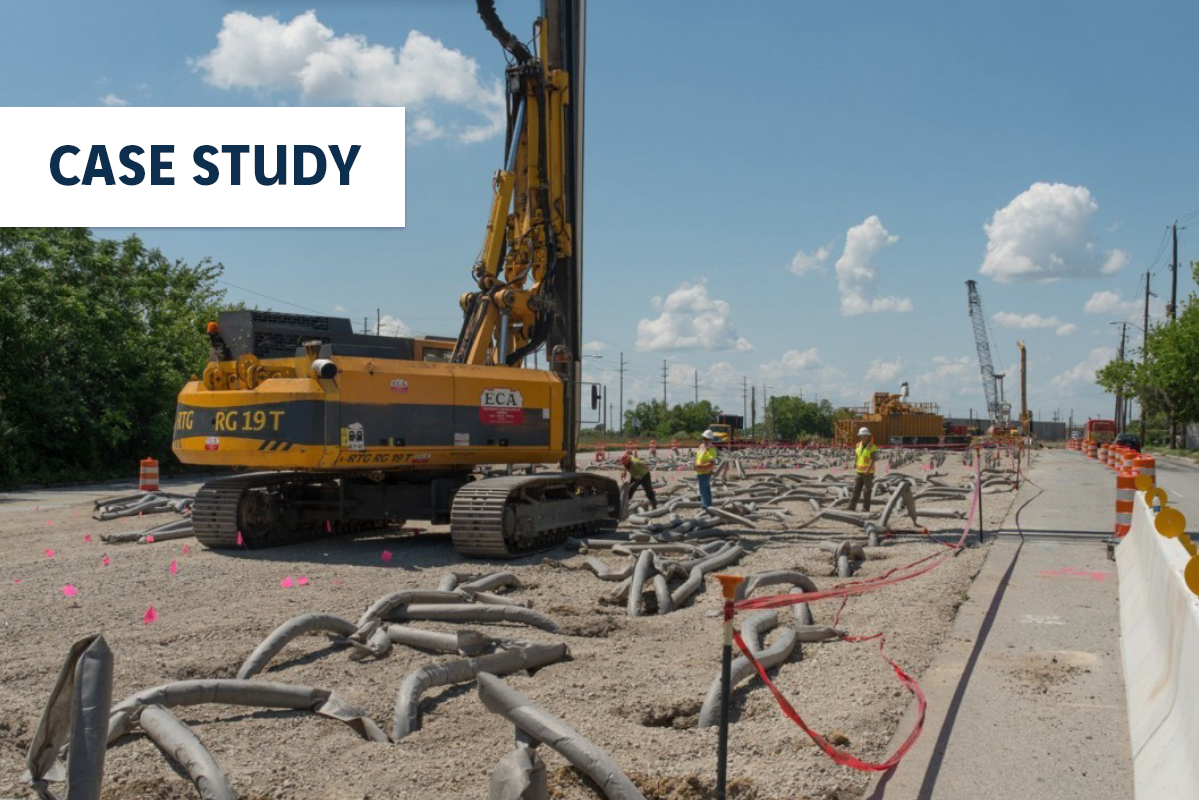
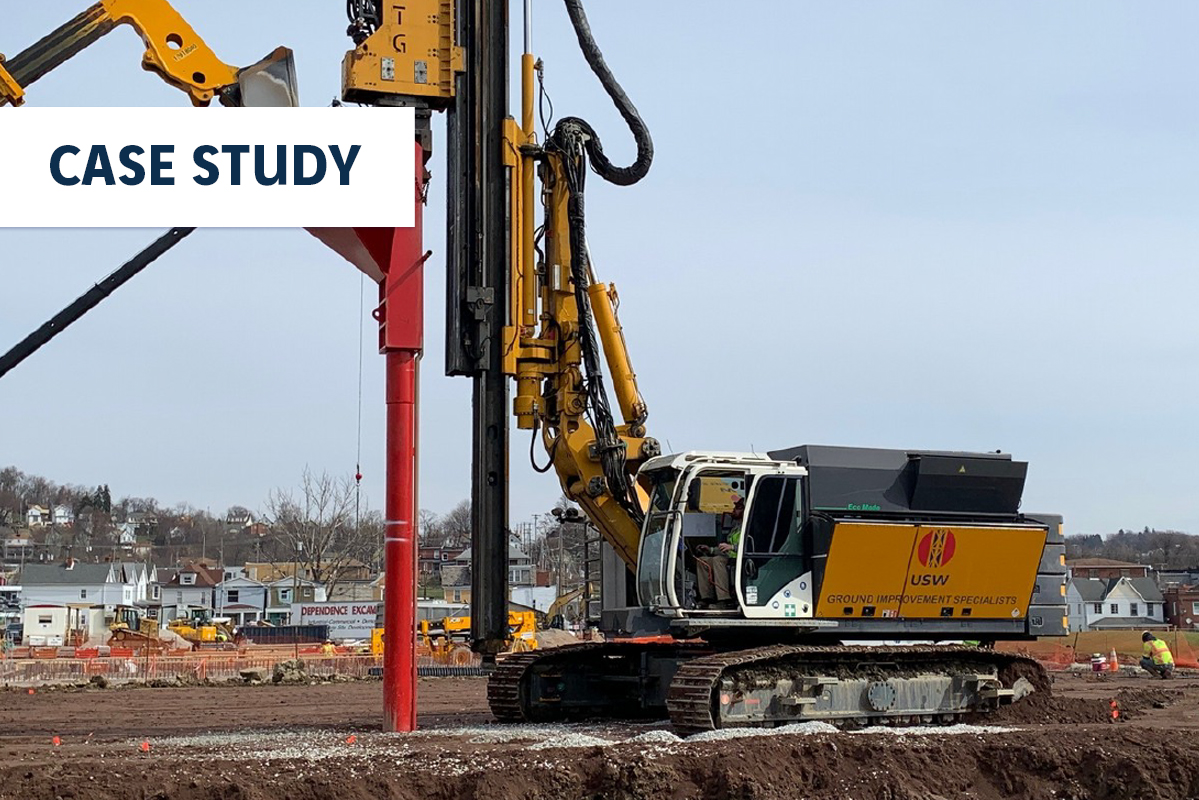
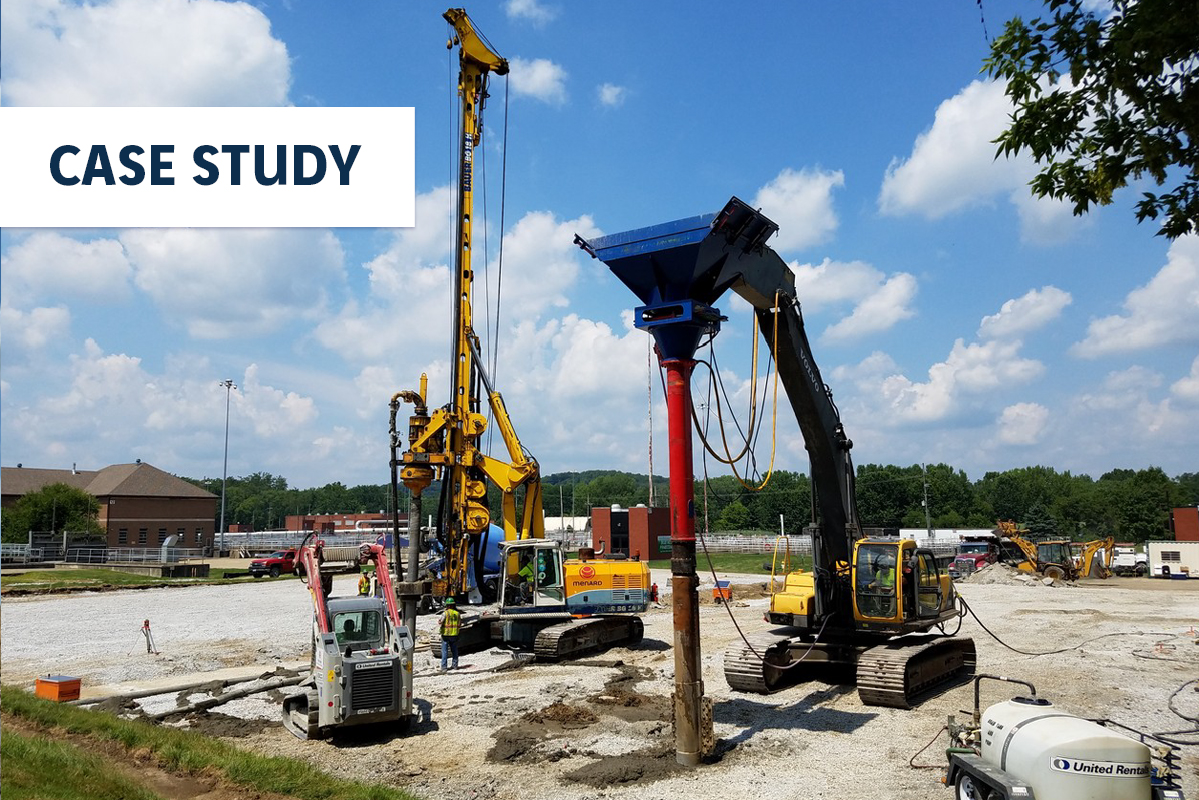
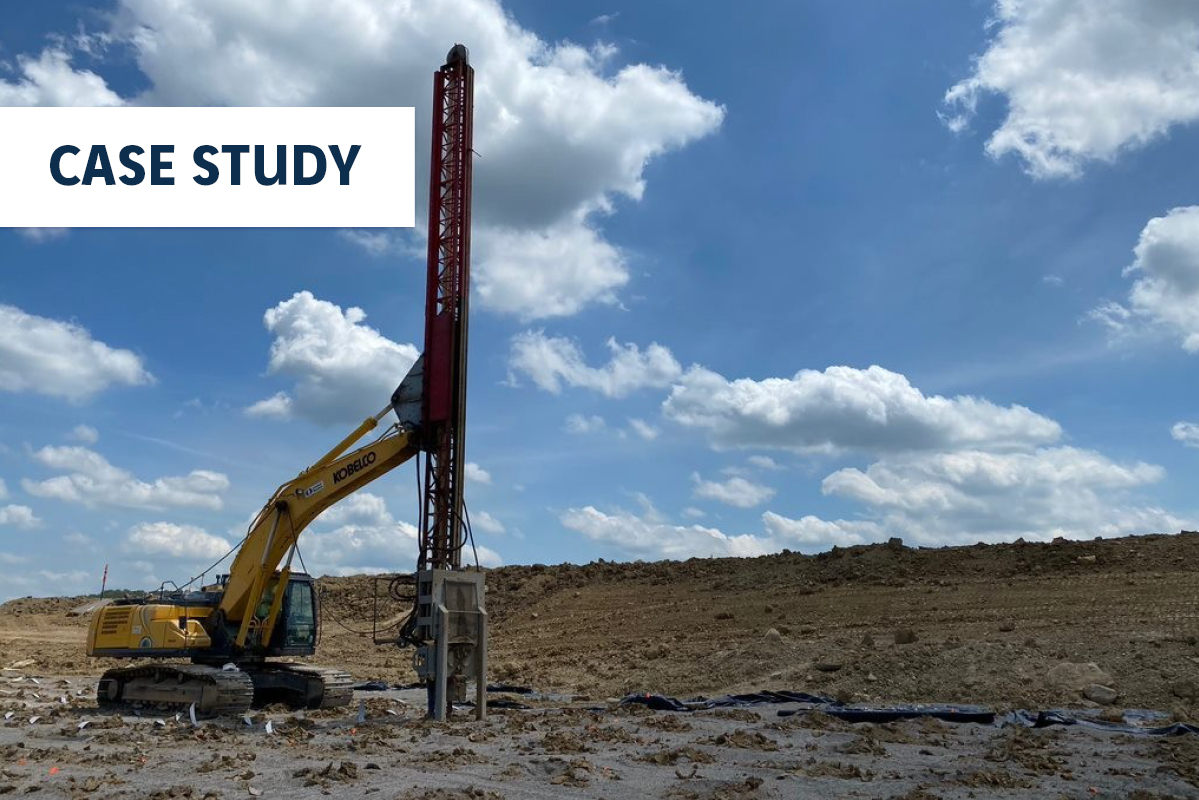
Menard's design-build scope included approximately 91,100 square feet of building-area soil mixing and 392,900 square feet of soil mixing for site improvements, parking areas, utility corridors, and other supporting infrastructure. Beneath the building foundations, CMCs were installed to depths of up to 45 feet to support shallow foundations while controlling long-term settlement. The completed system enabled the use of conventional spread footings and slab-on-grade construction while meeting stringent performance requirements for both total and differential settlement.
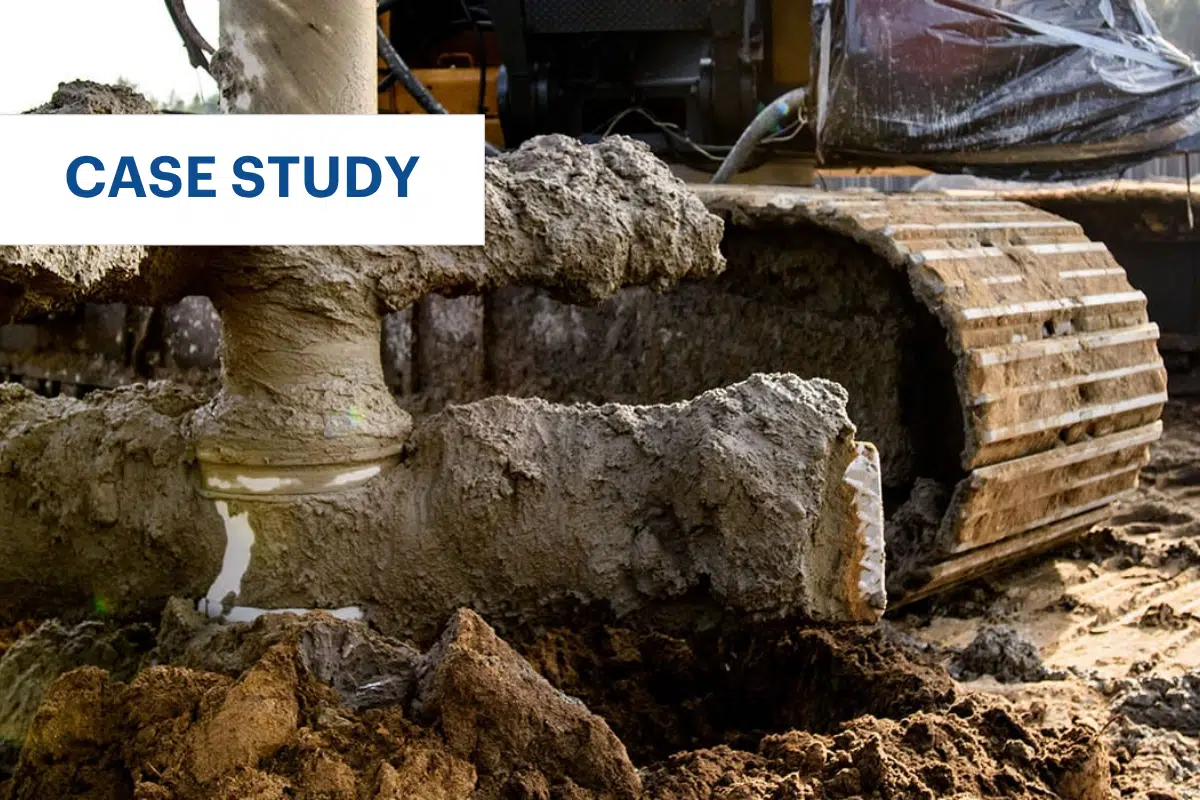
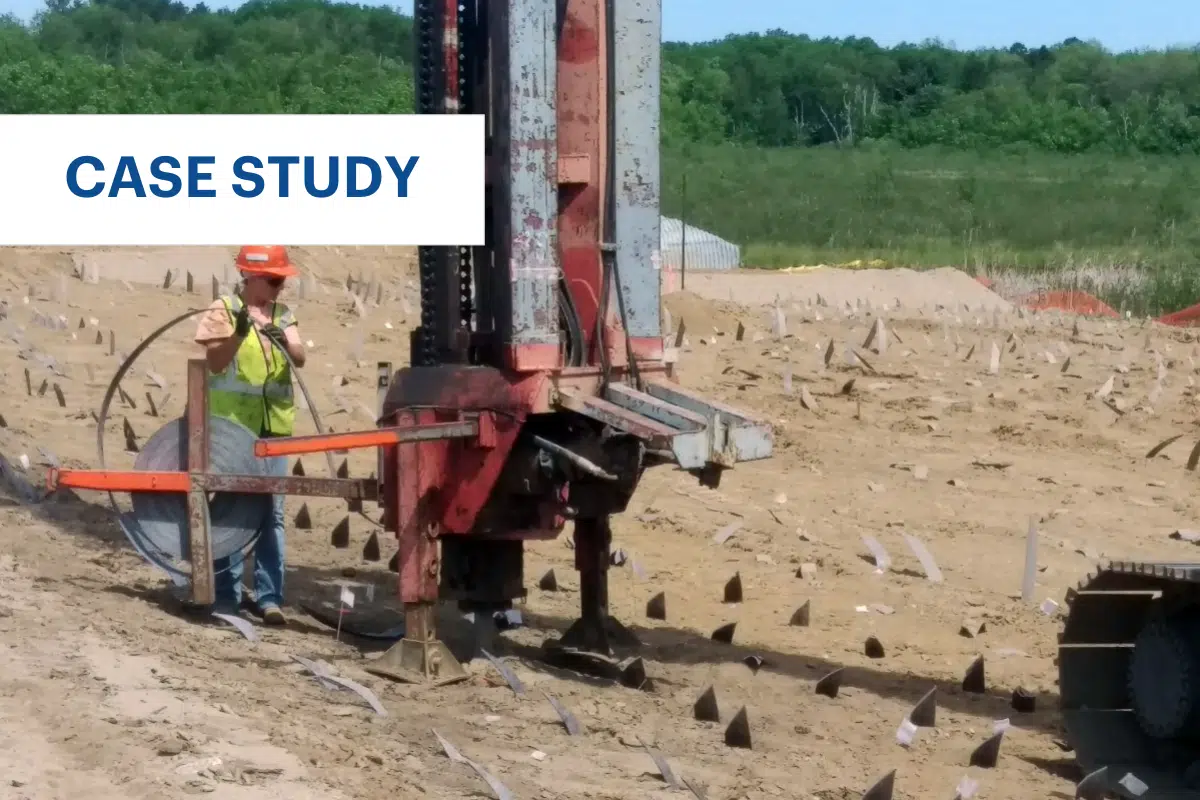
During construction, the soils were found to be significantly drier than anticipated, impacting the soil mixing process and requiring adjustments to achieve the target treatment performance. Menard worked closely with the project team to refine the mixing operations and incorporate additional water into the treatment process, ensuring consistent soil-cement reactions and successful stabilization throughout the site.
As construction progressed, Menard's scope expanded to include additional foundation support, utility corridor stabilization, crane travel paths, parking lot revisions, generator enclosure improvements, and other owner-directed enhancements. Through close coordination, adaptive engineering, and efficient project execution, Menard successfully delivered the ground improvement program and supported the continued expansion of one of the nation's largest LNG export facilities. The project demonstrates Menard's ability to provide flexible, largescale ground improvement solutions for complex industrial developments under evolving site conditions.
Print this resource