Environmental Soil Mixing
Environmental Soil Mixing
Project Details:
Owner: Confidential Client
General Contractor: Confidential Client
Date of Work: June 2018 - July 2018
Engineer: Confidential Client
Approximate Key Quantities: Deep Soil Mixing 5,000 yd³
Description:
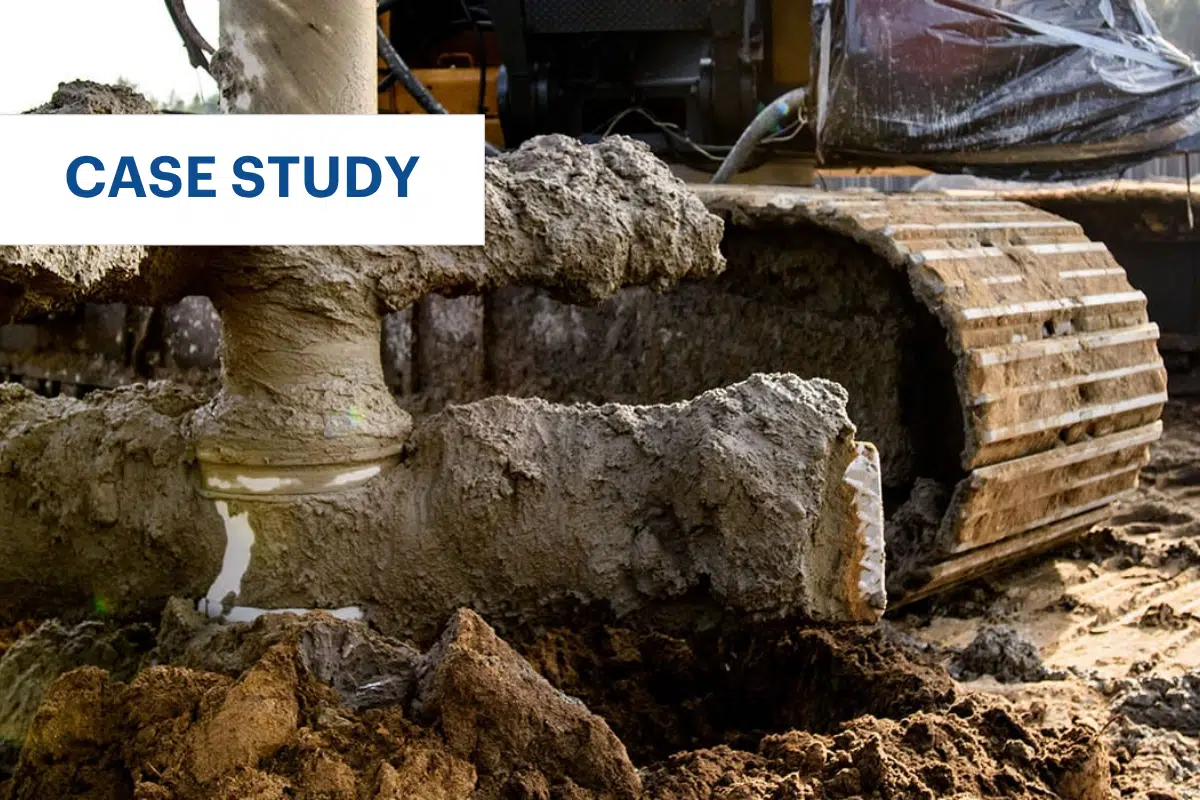
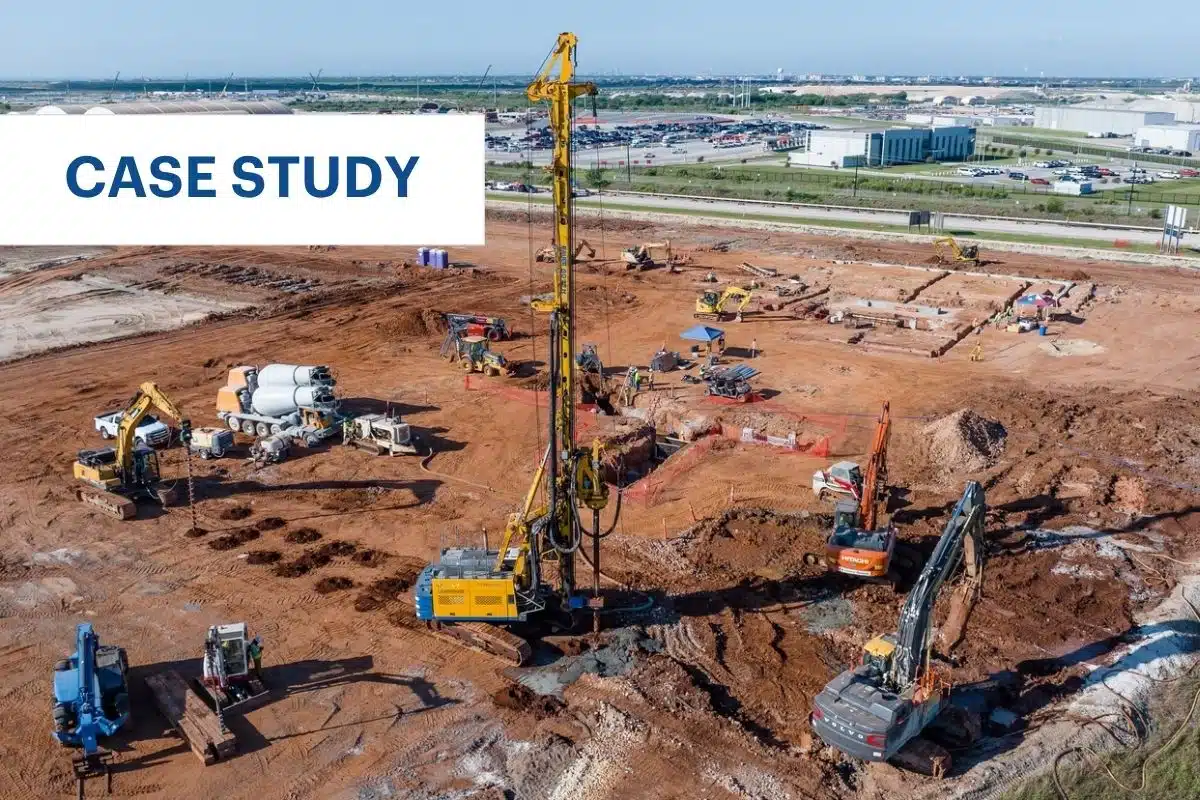
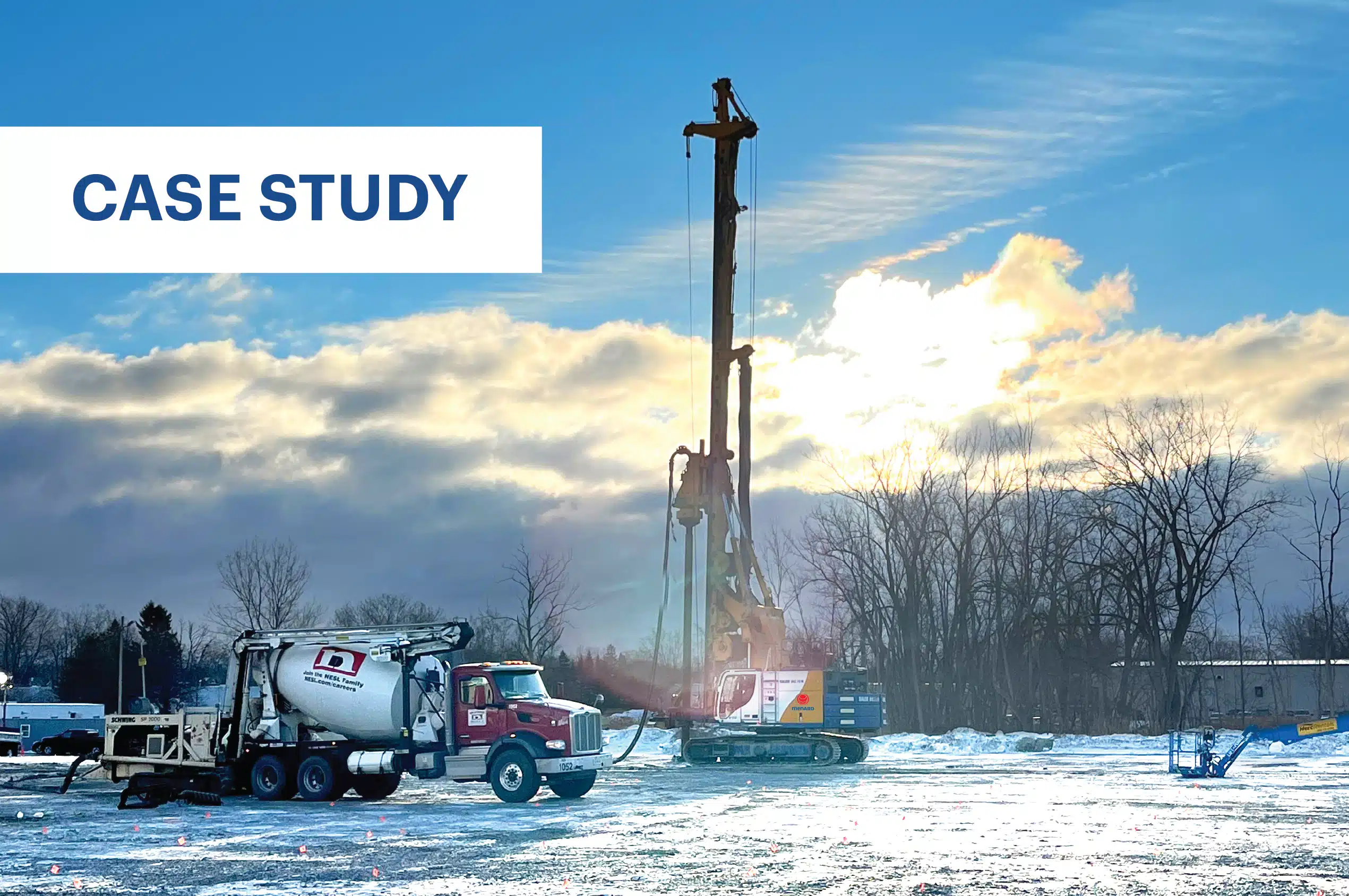
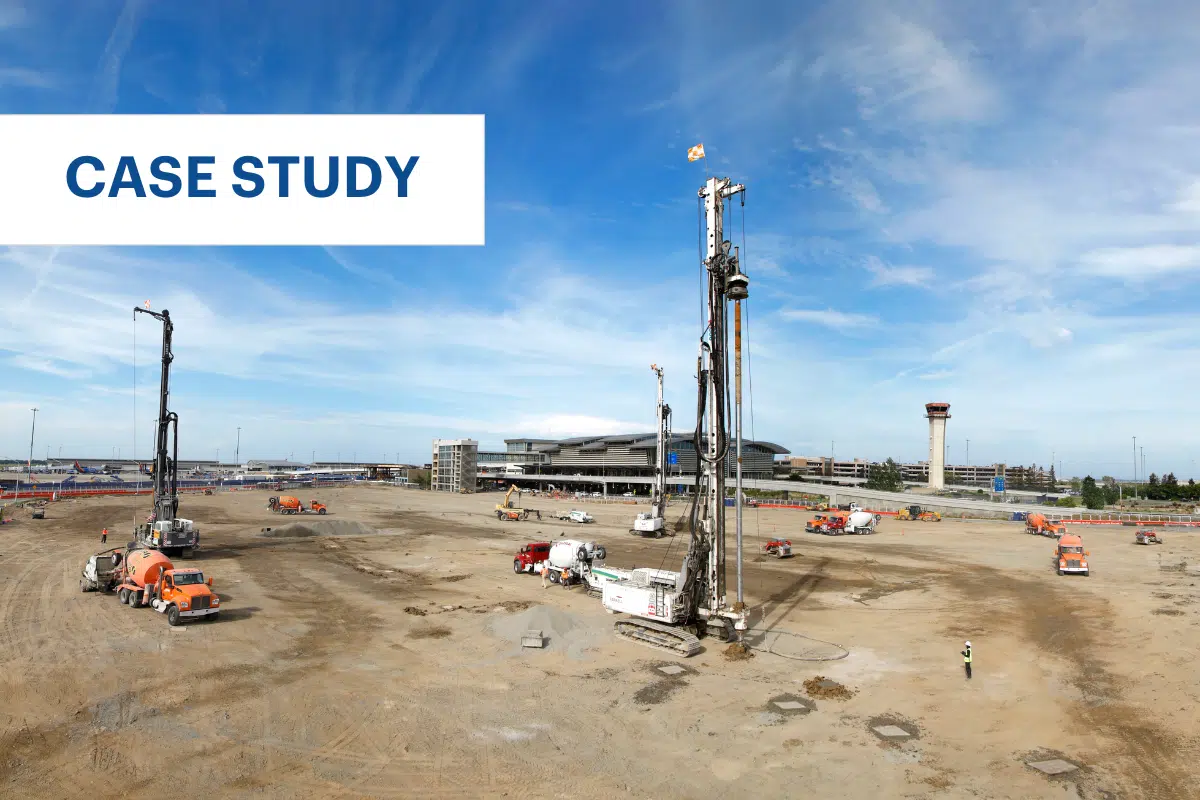
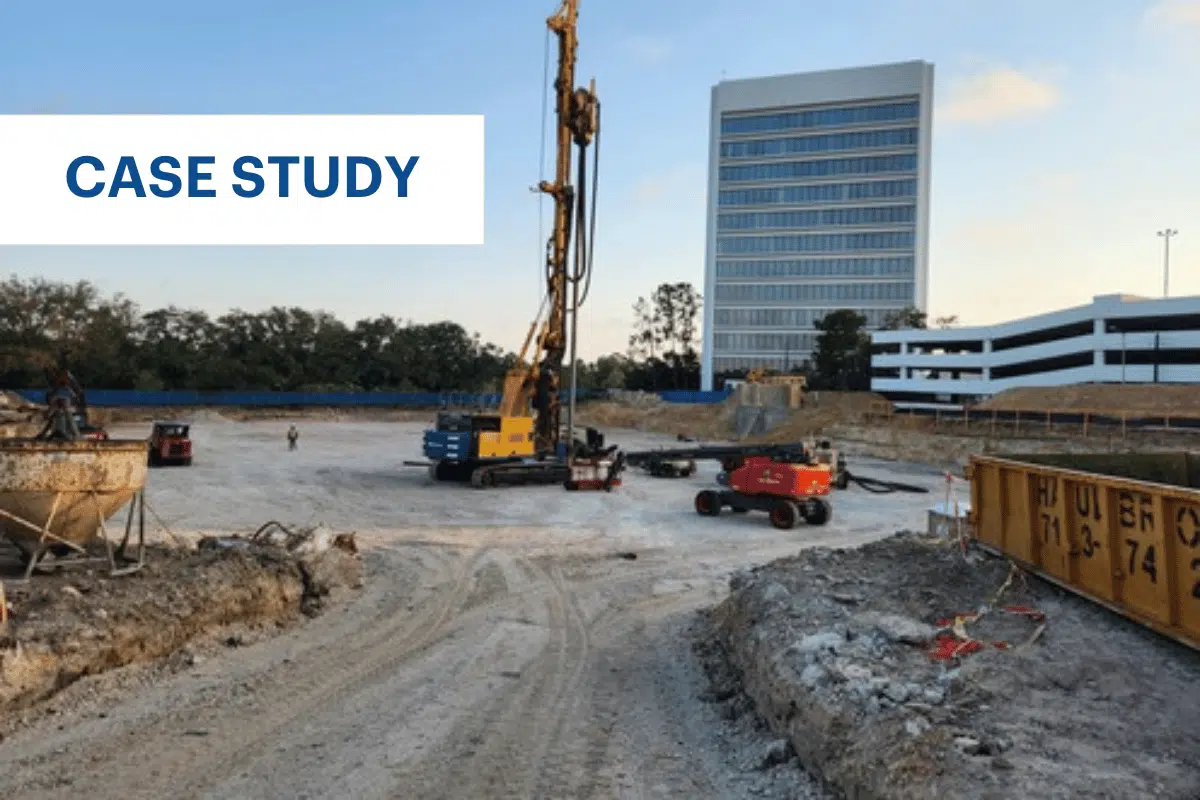
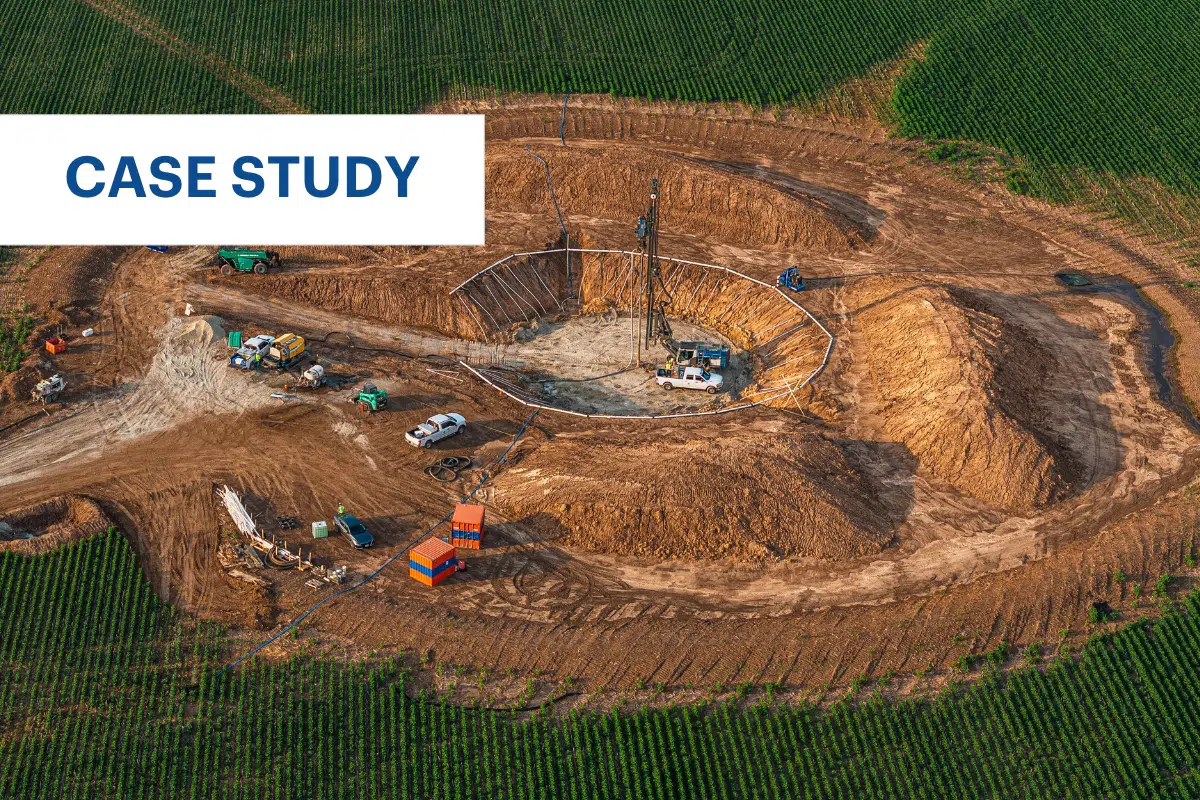
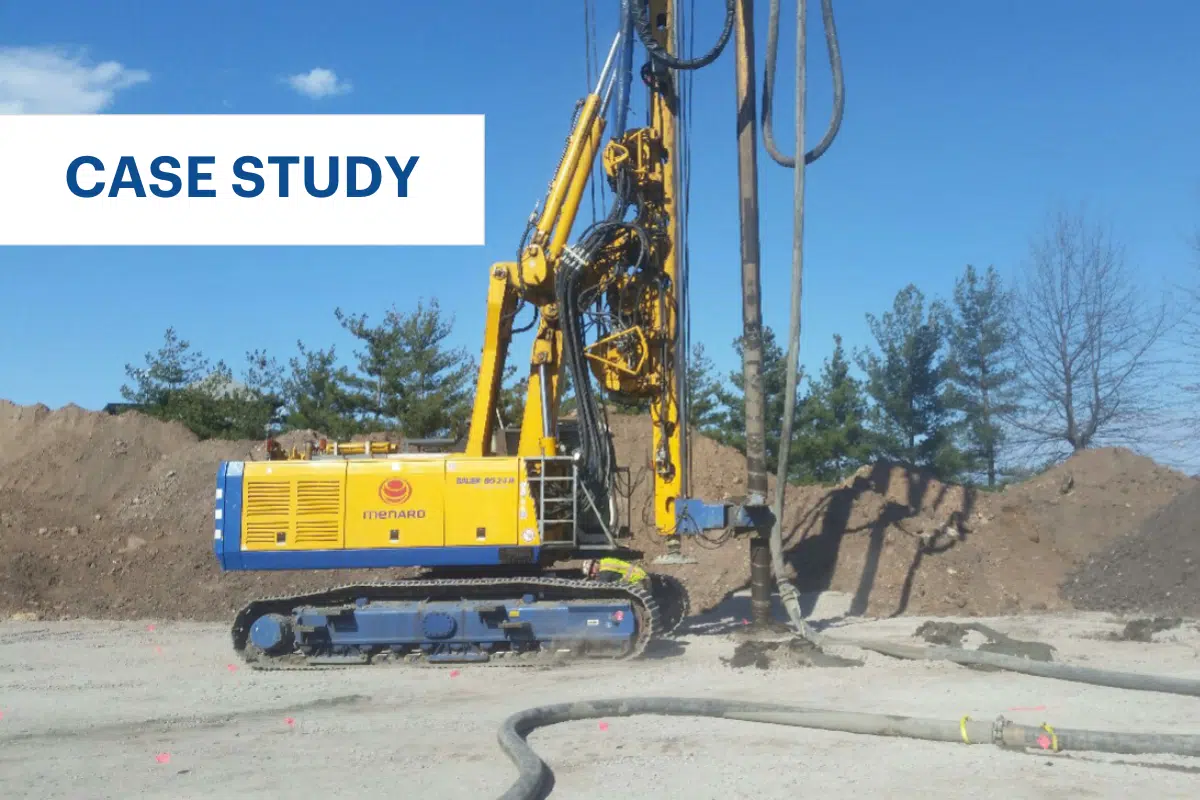
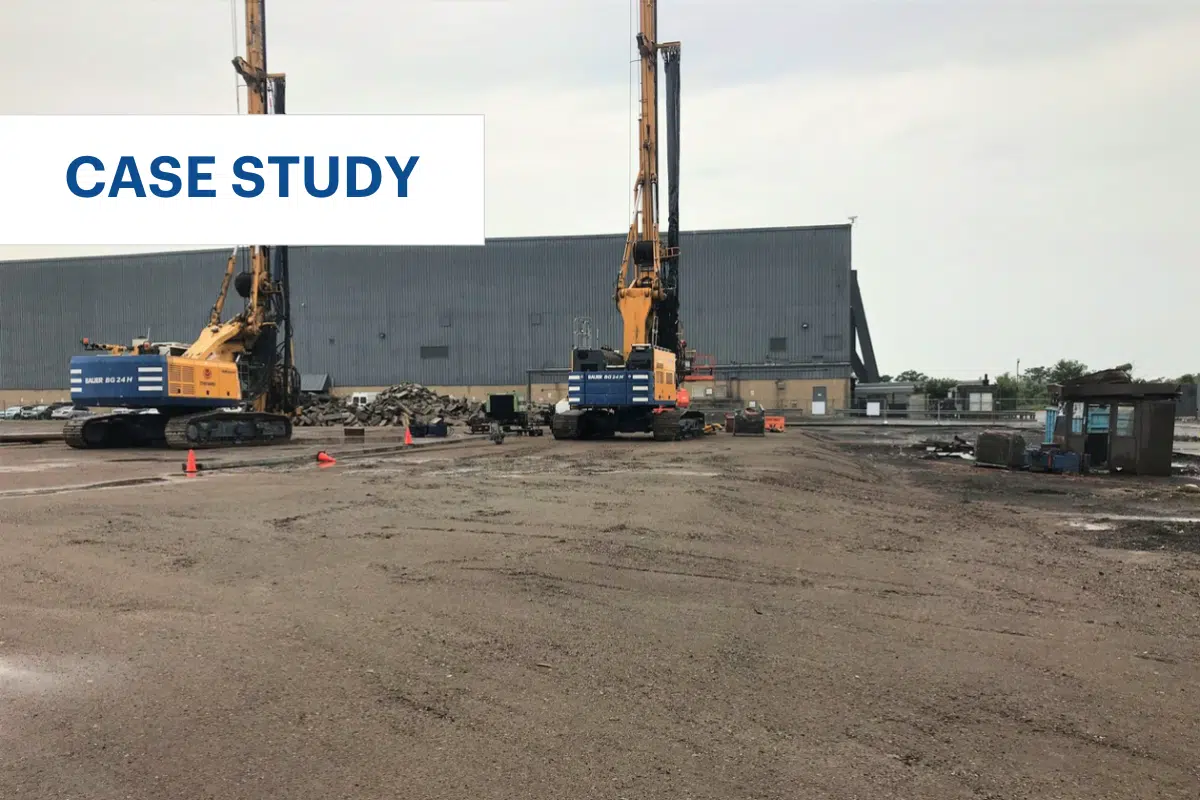
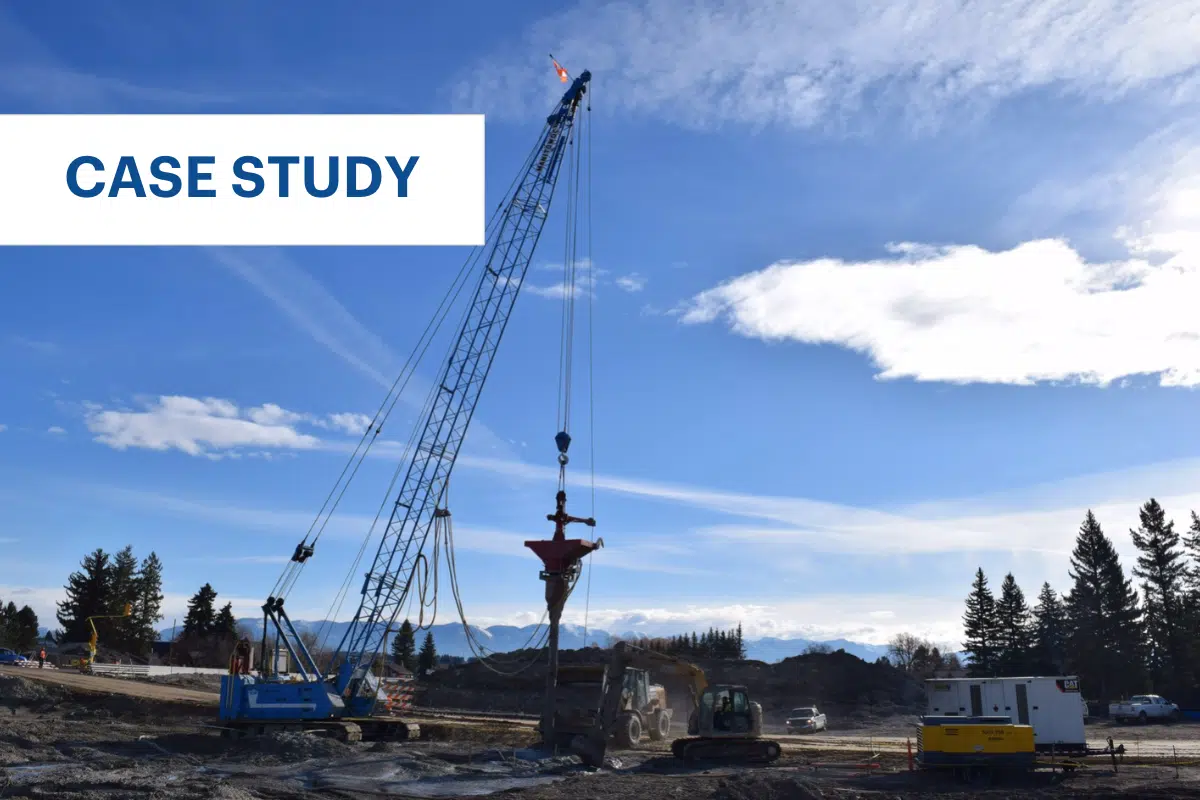
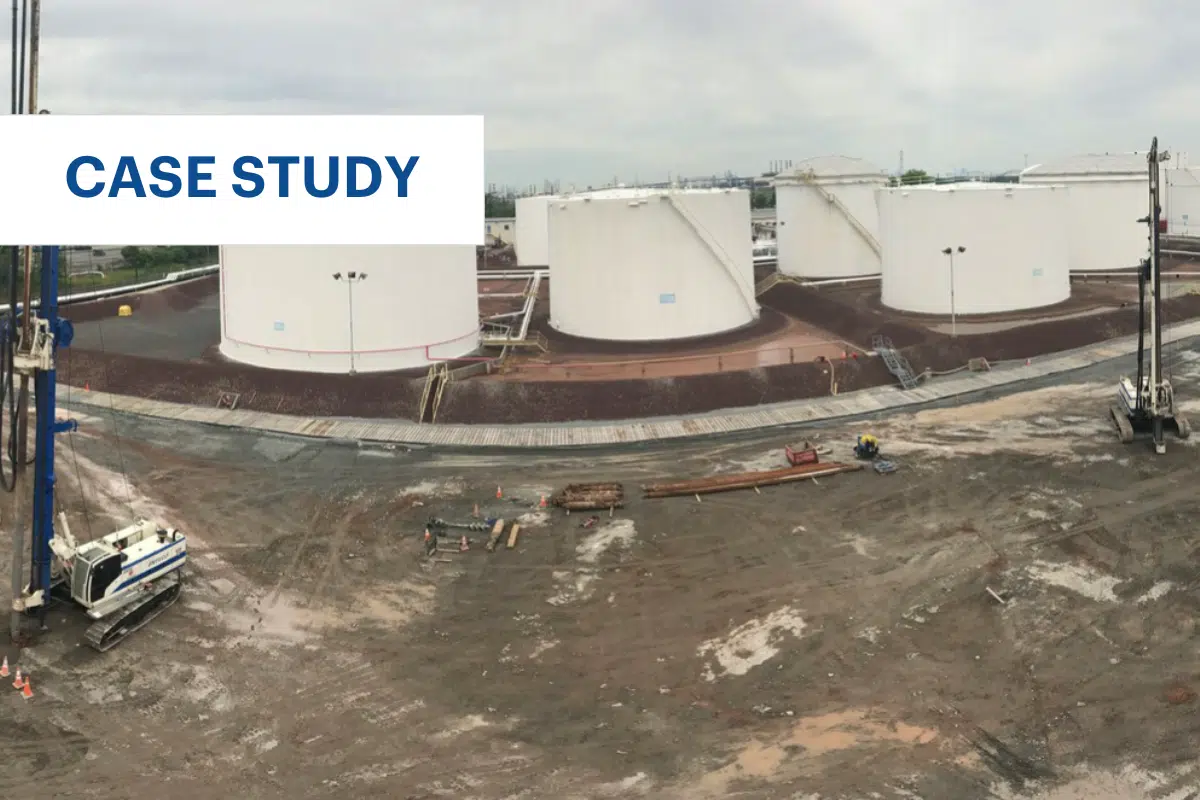
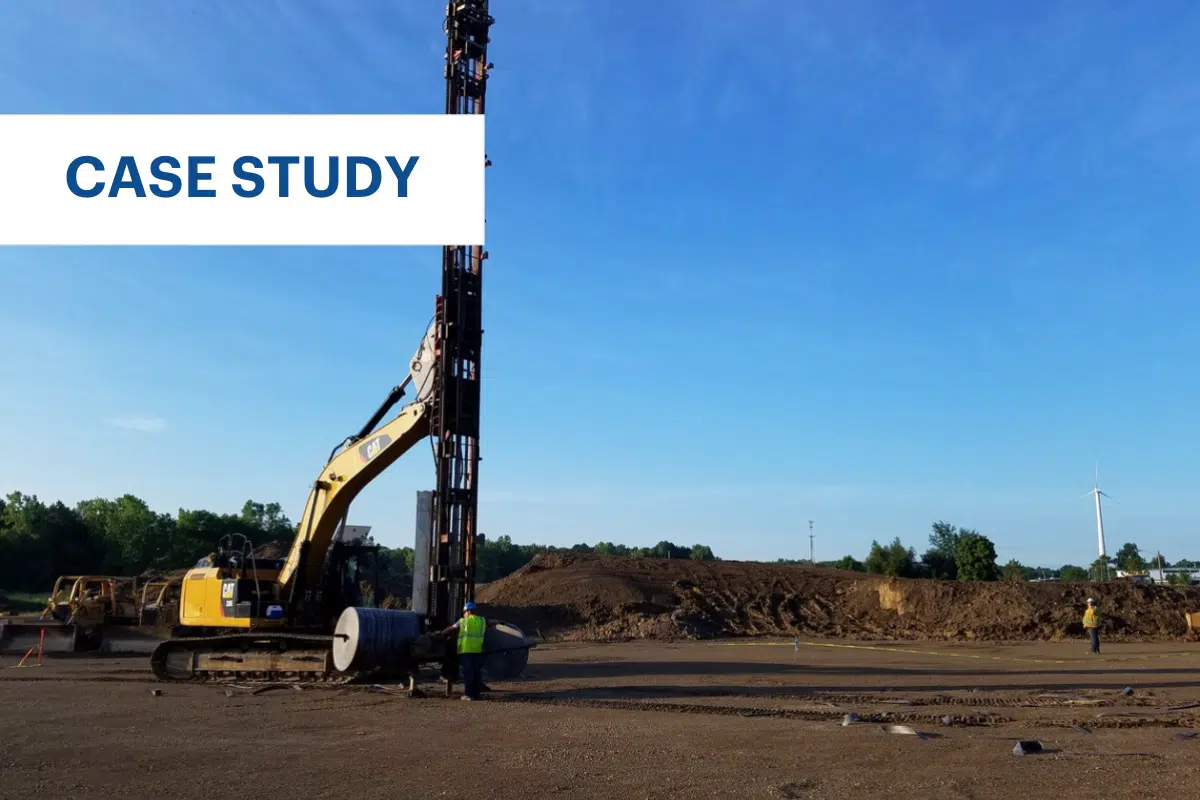
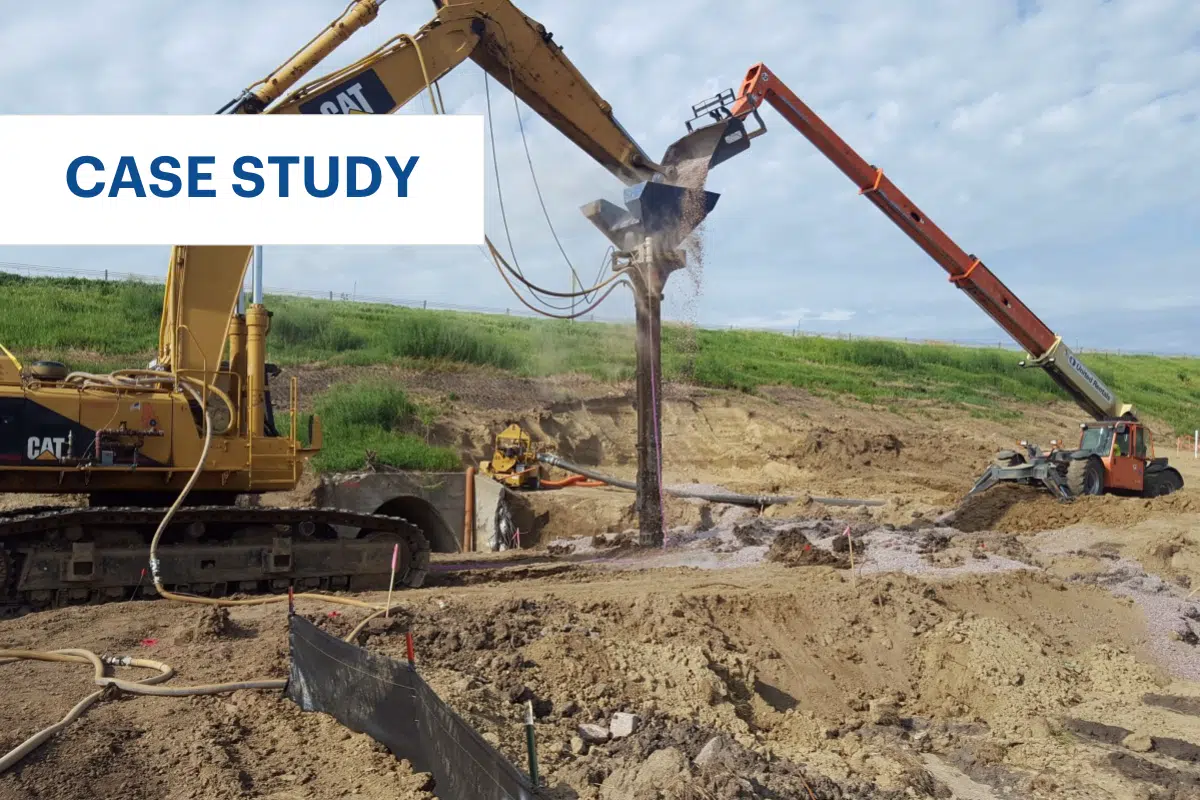
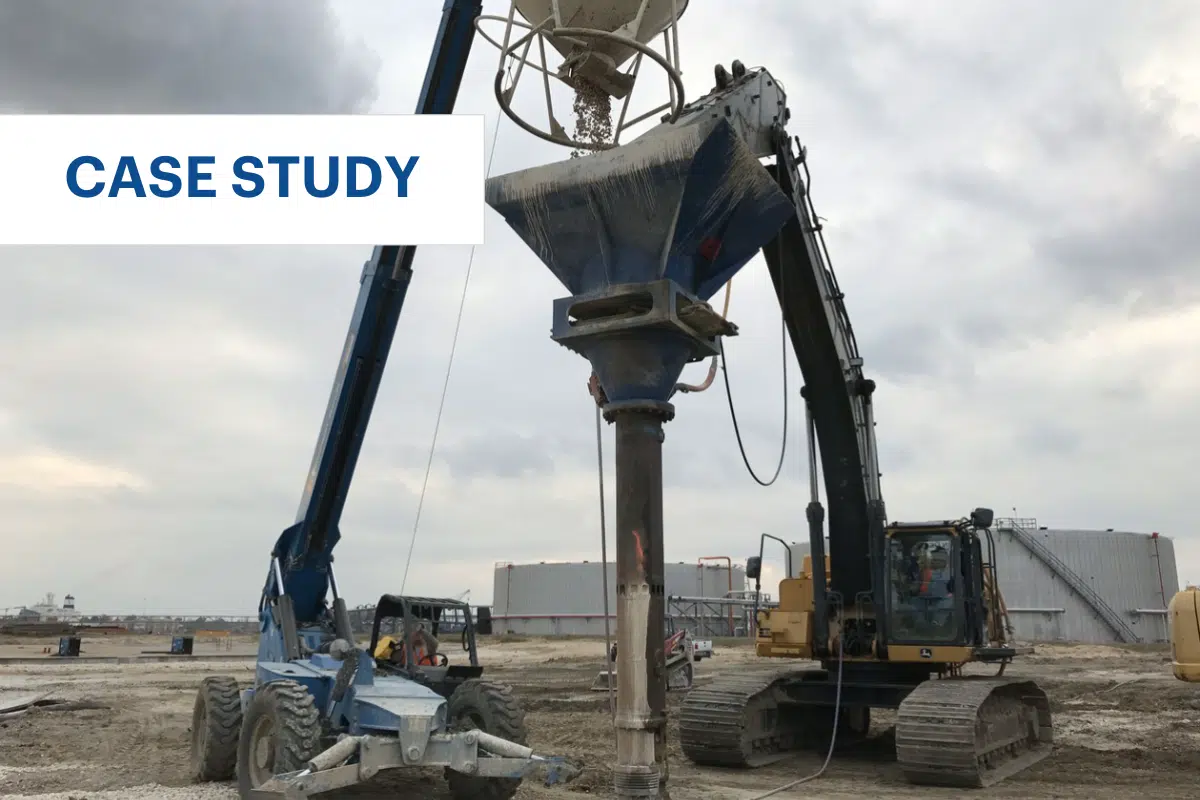
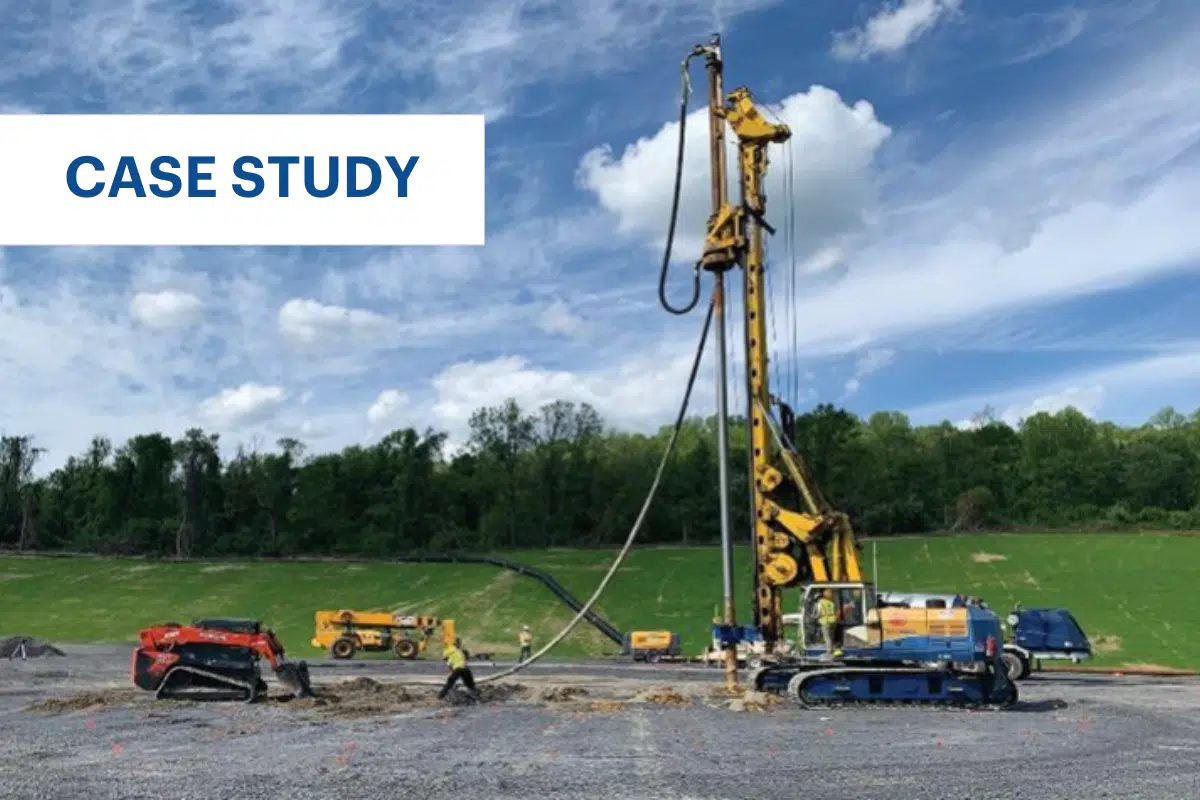
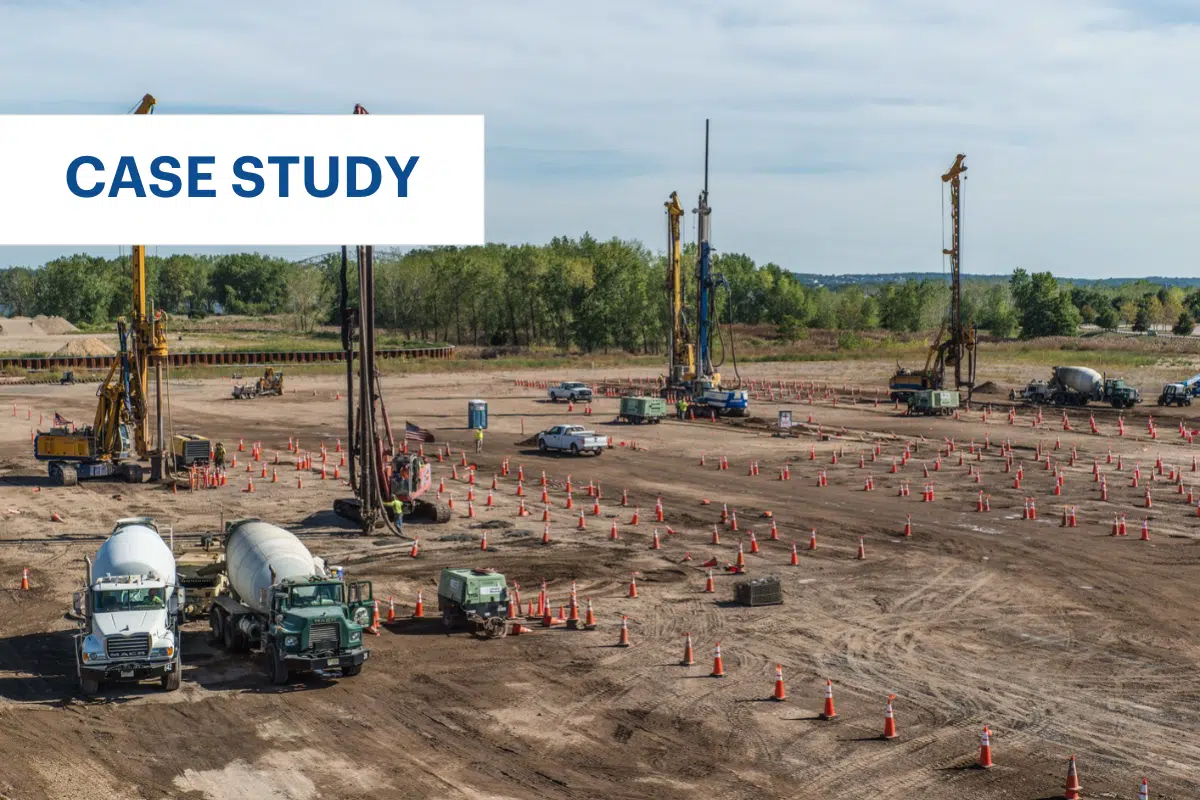
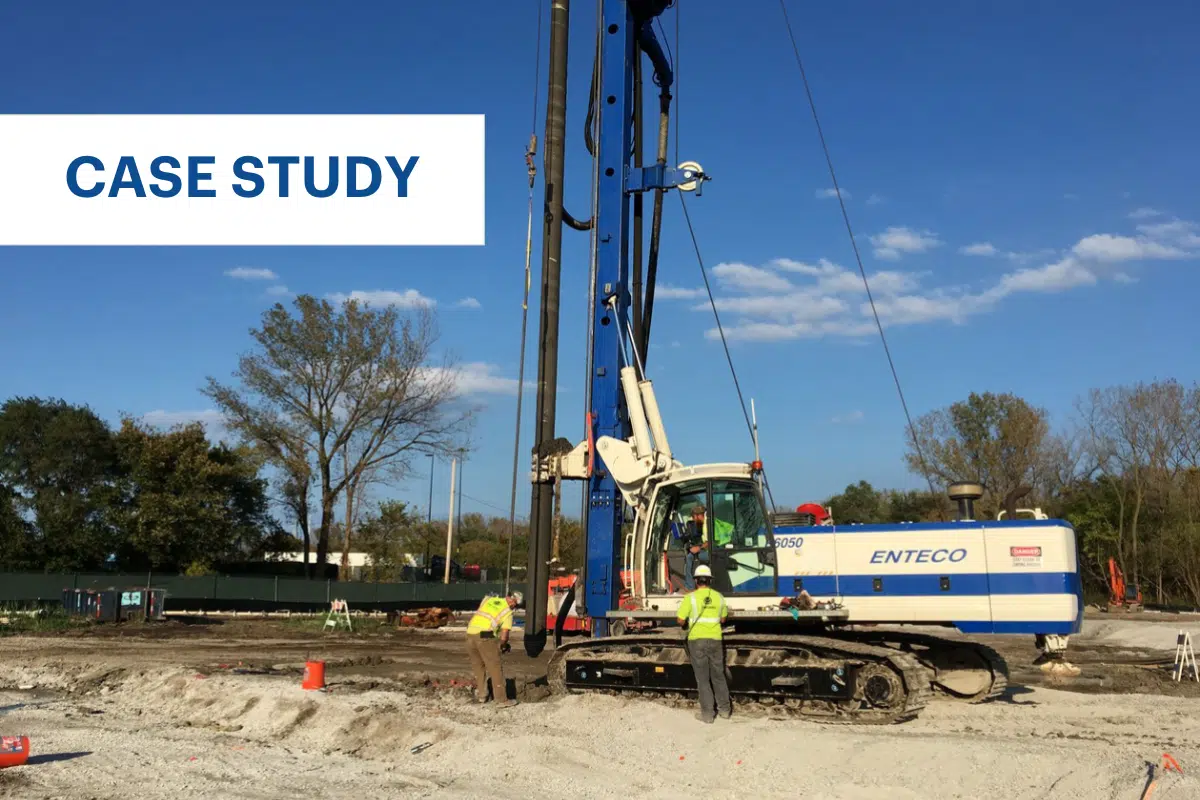
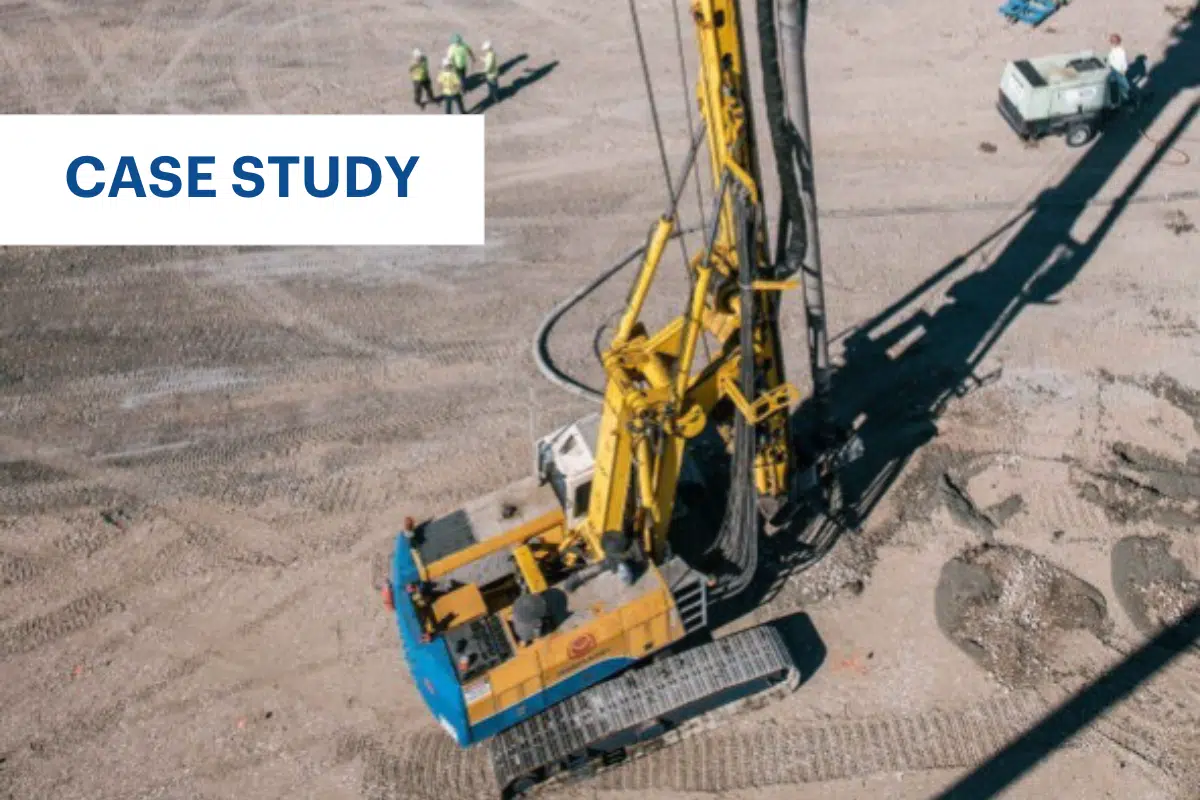
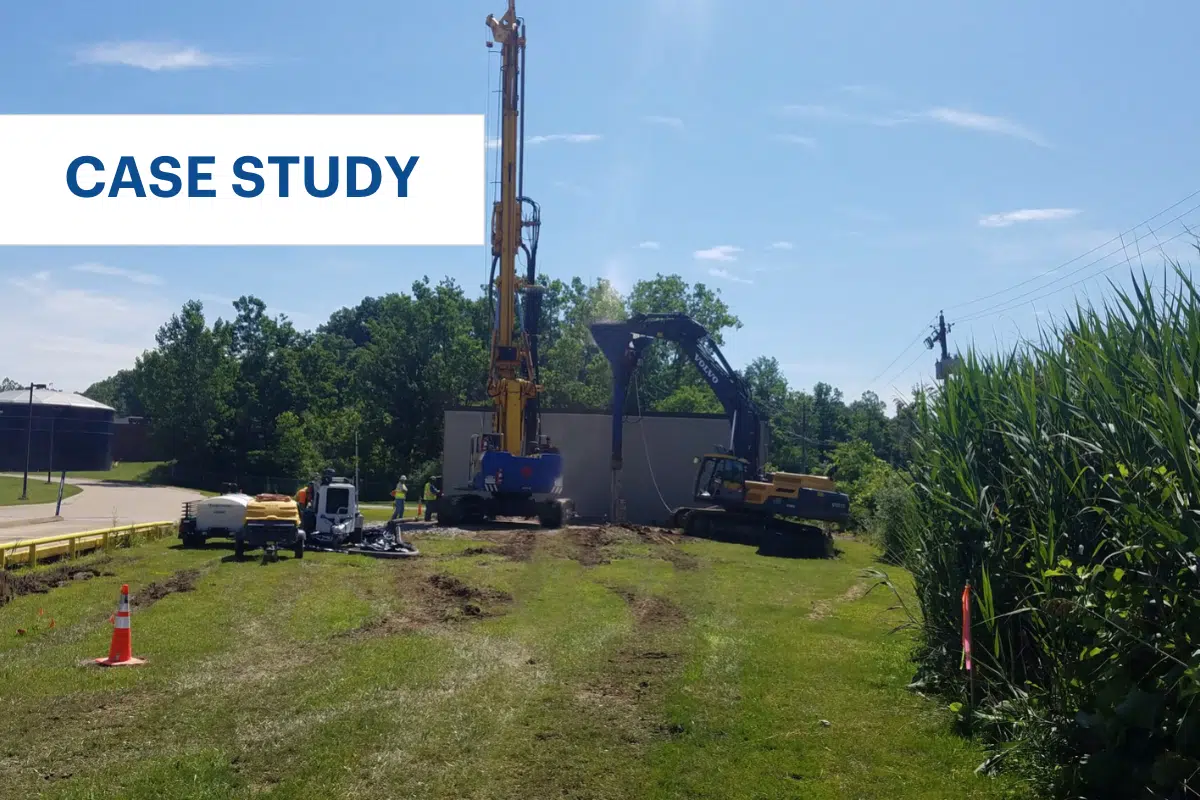
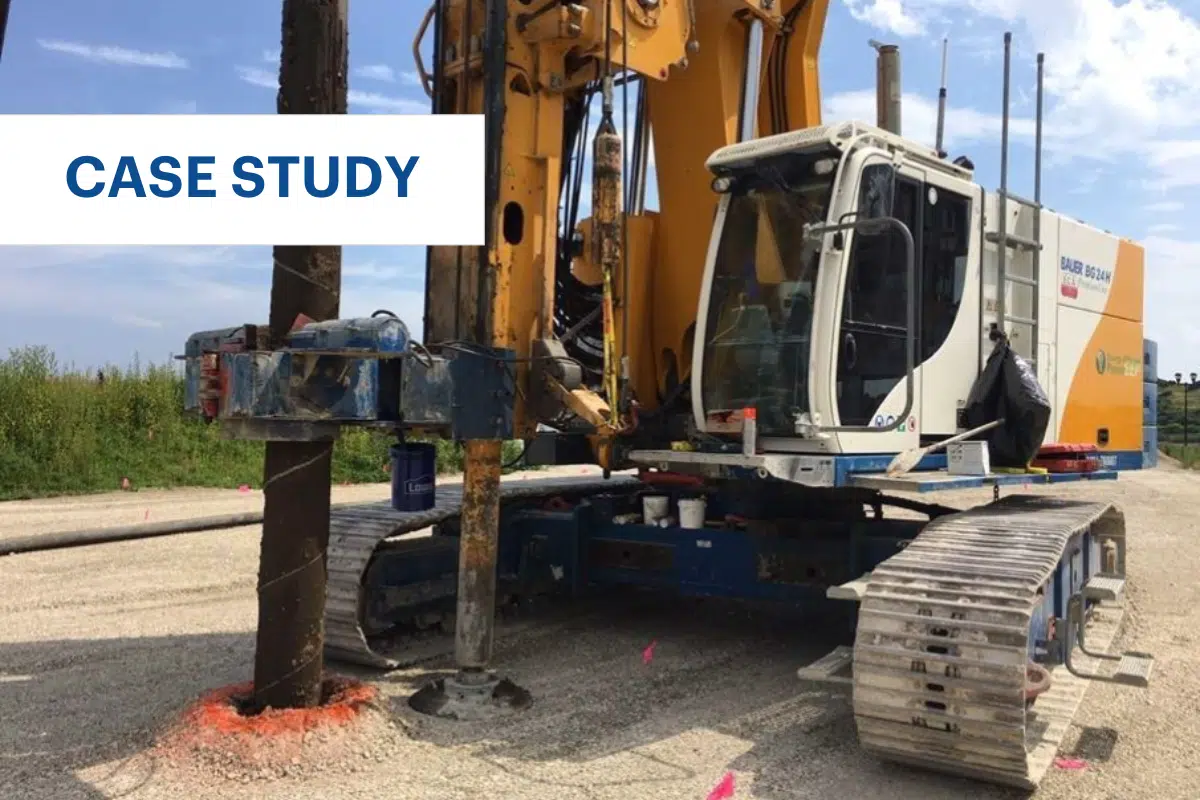
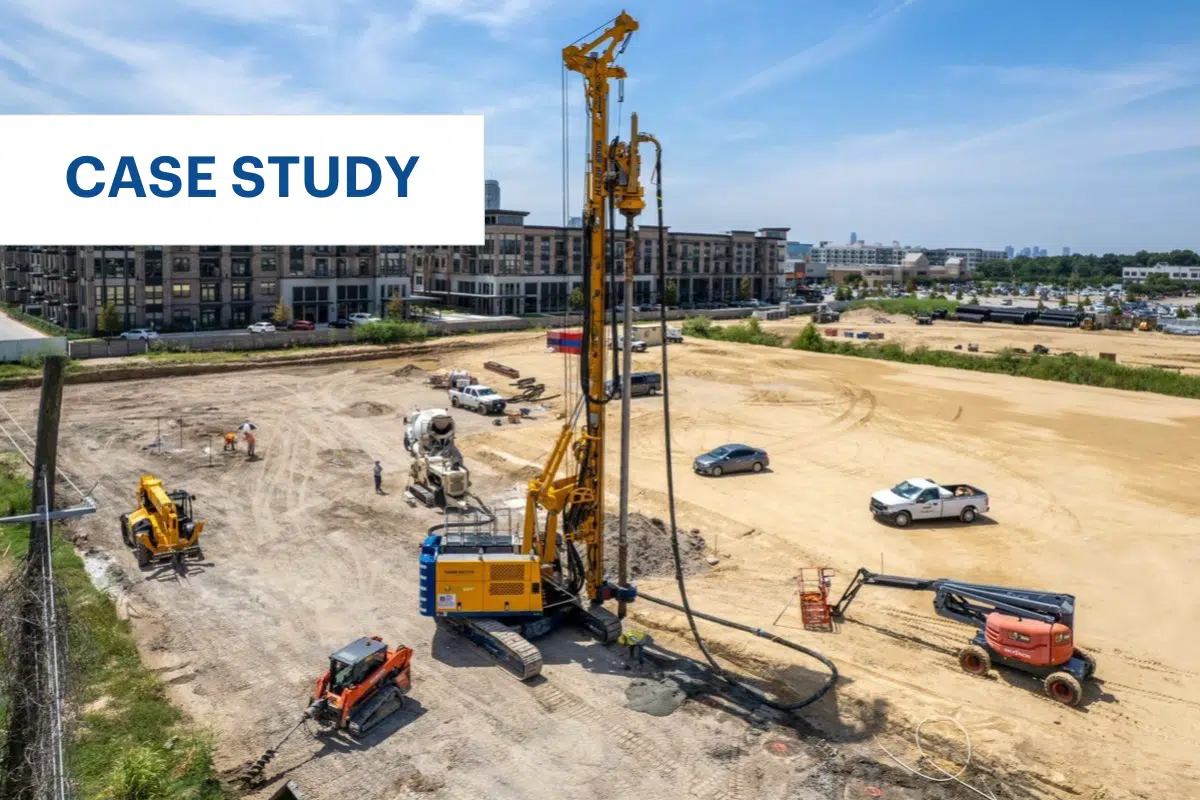
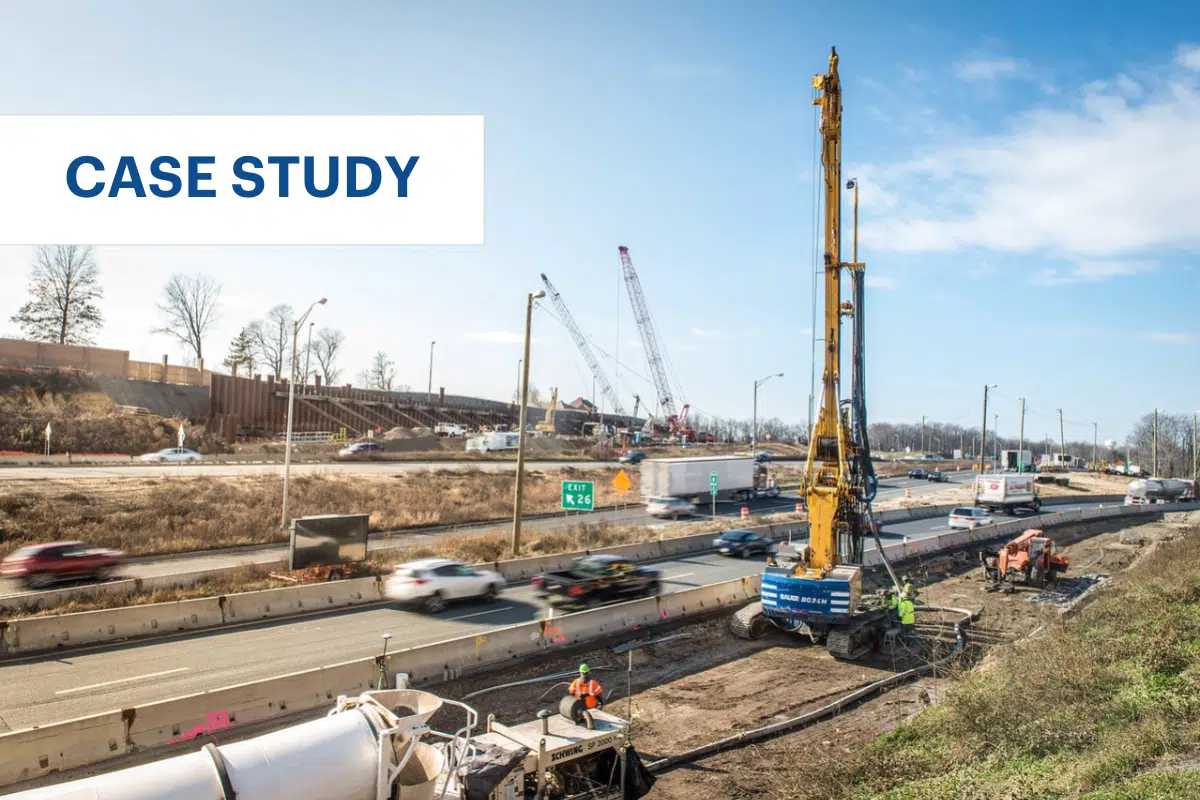
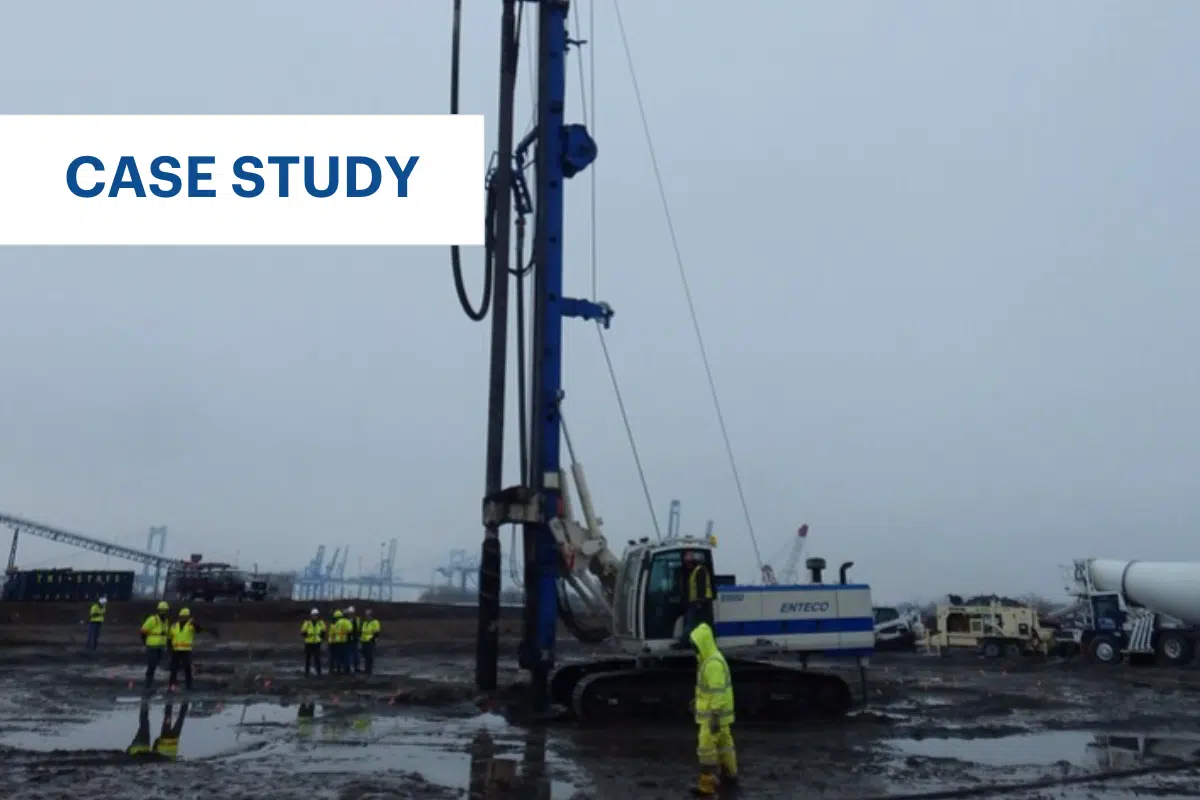
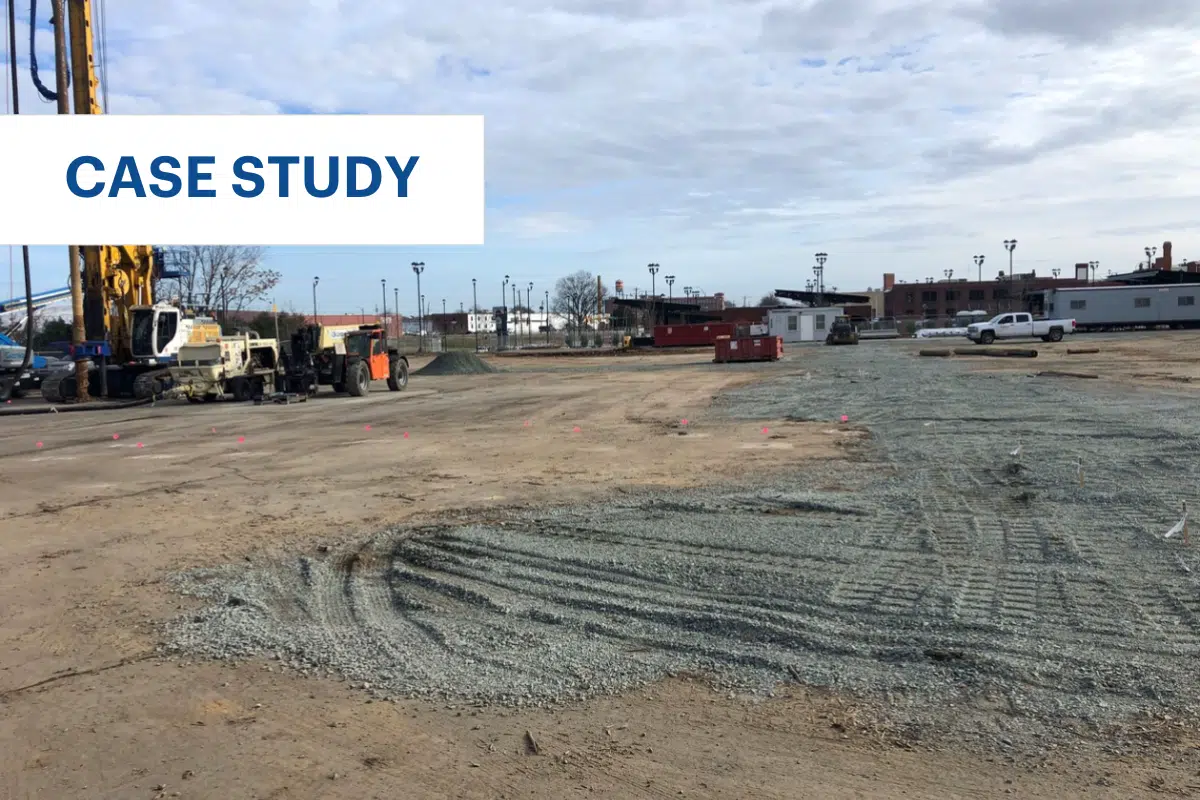
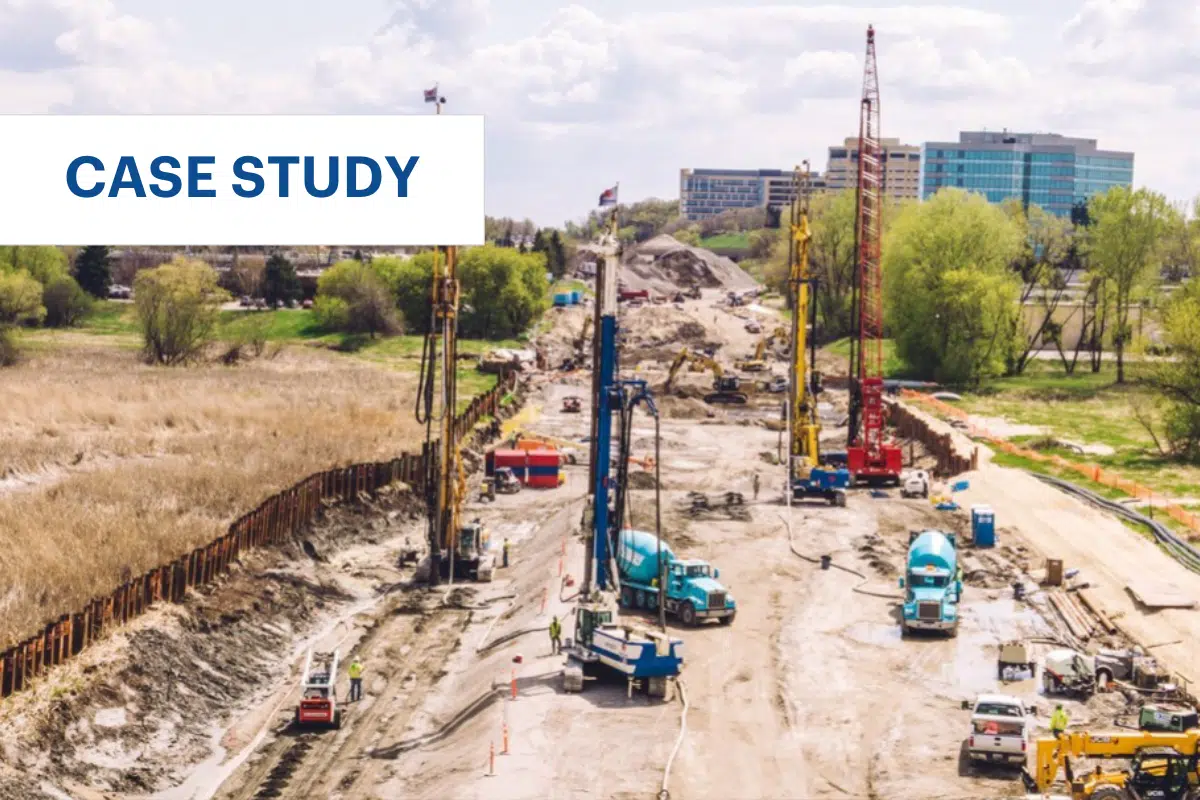
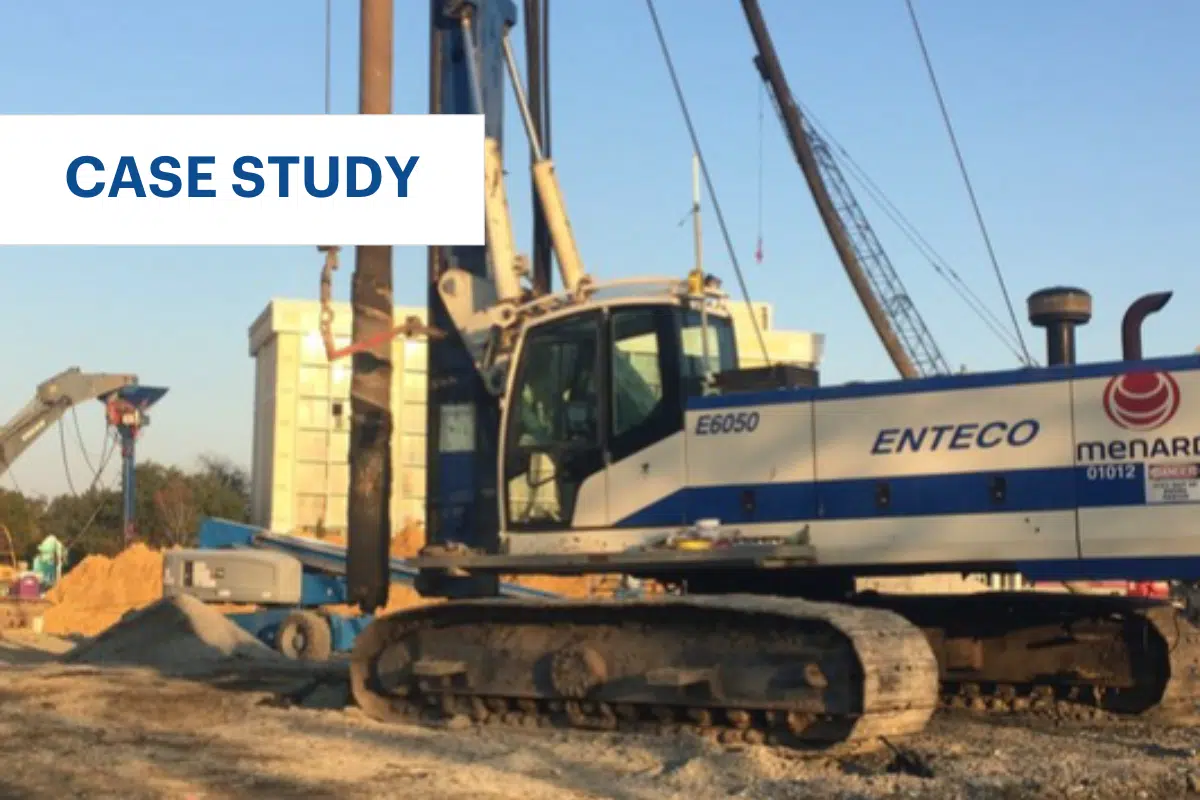
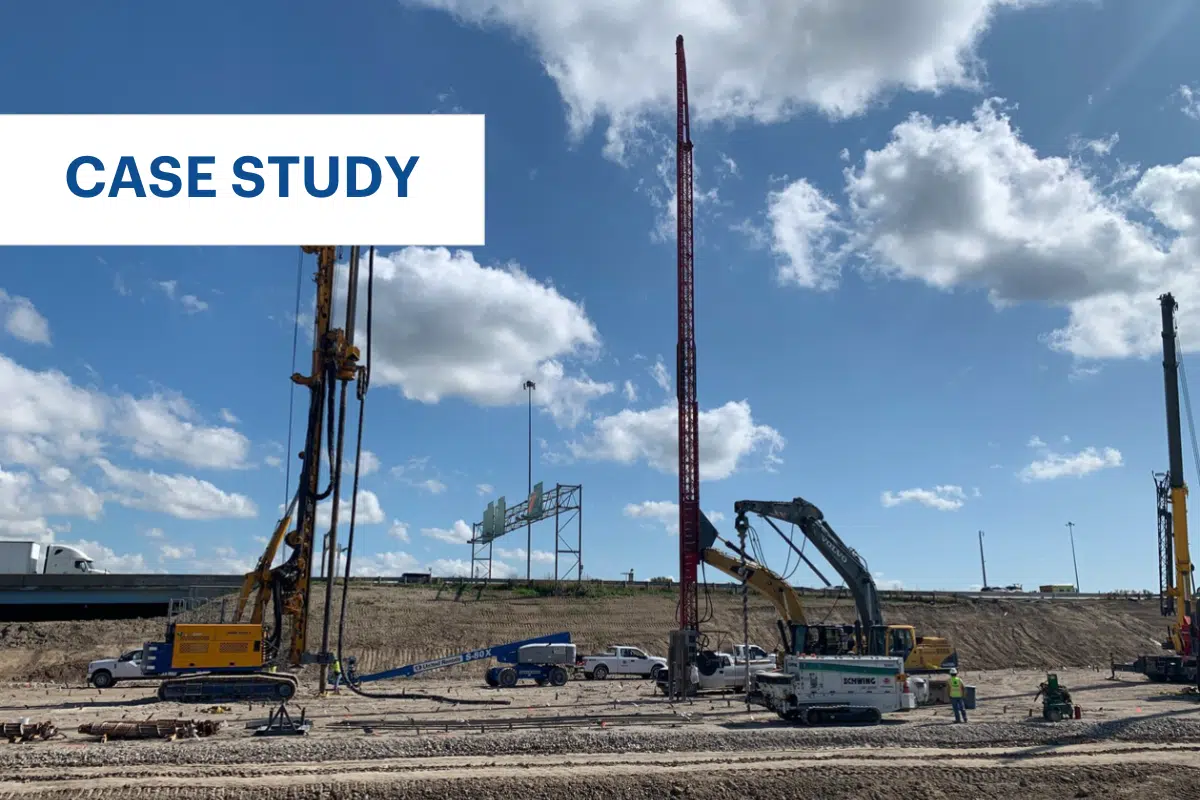
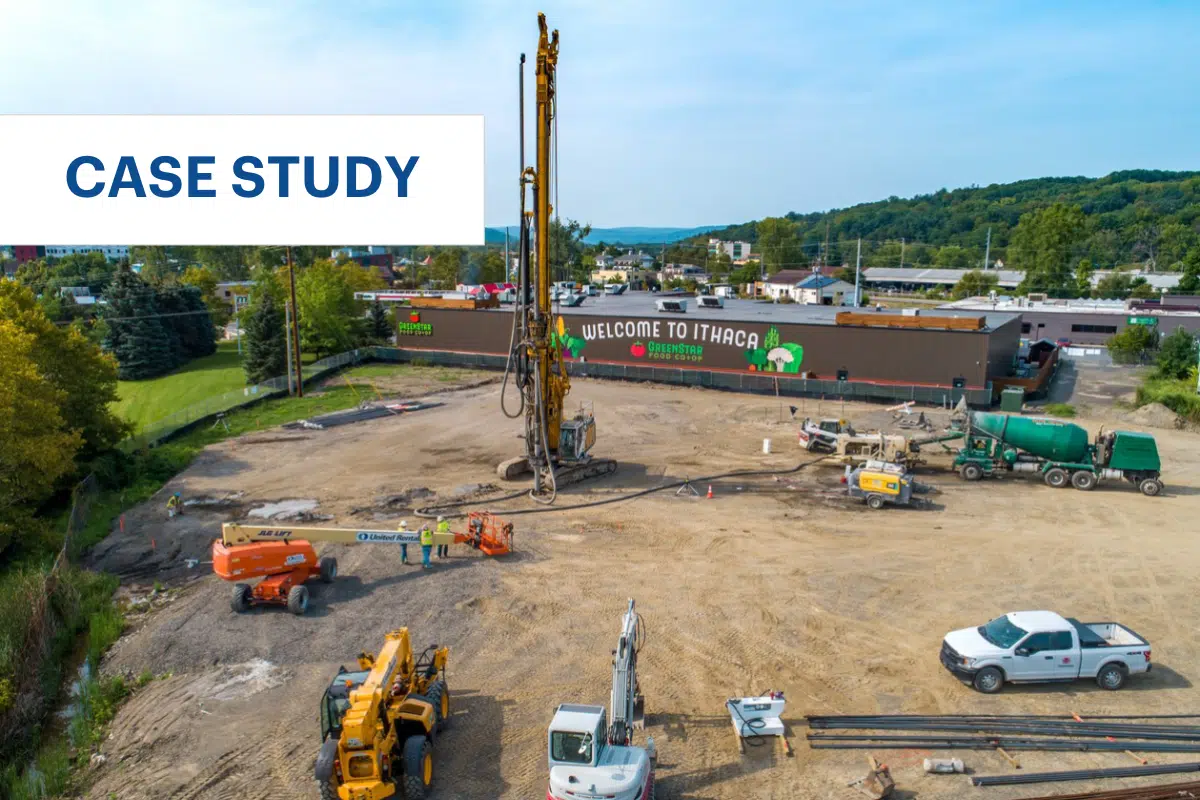
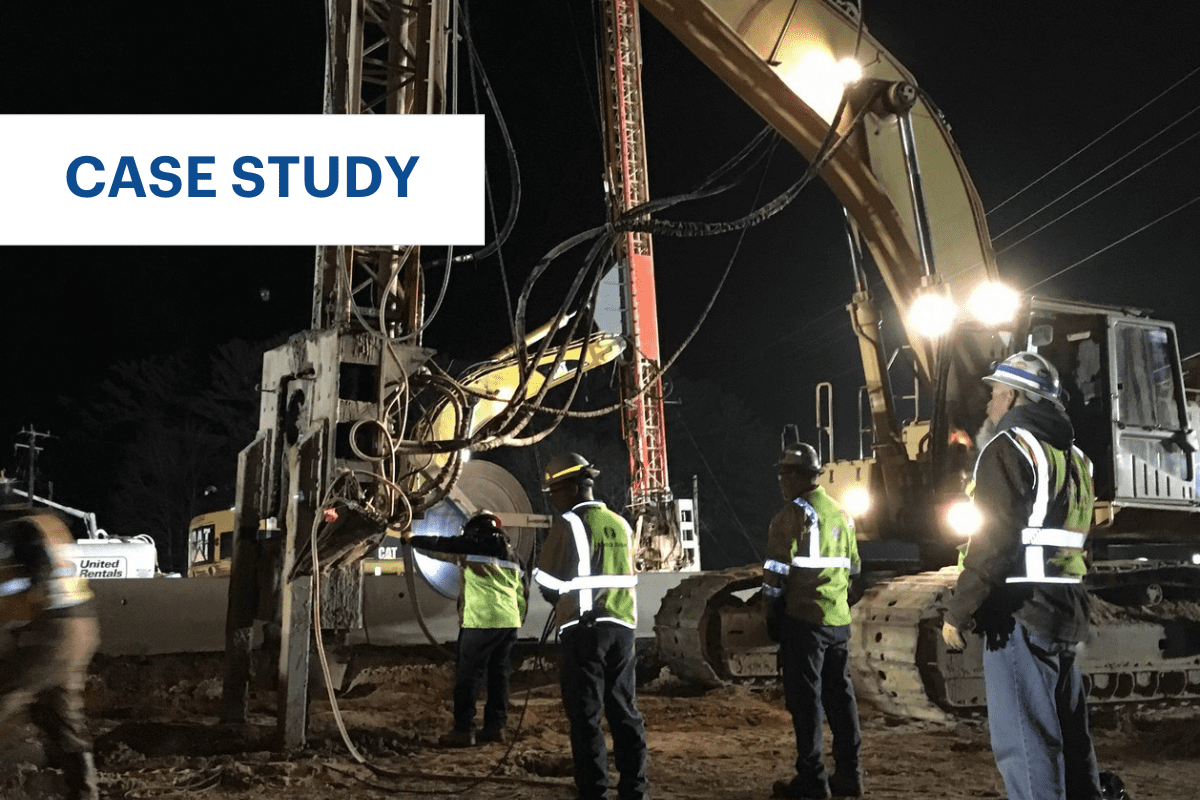
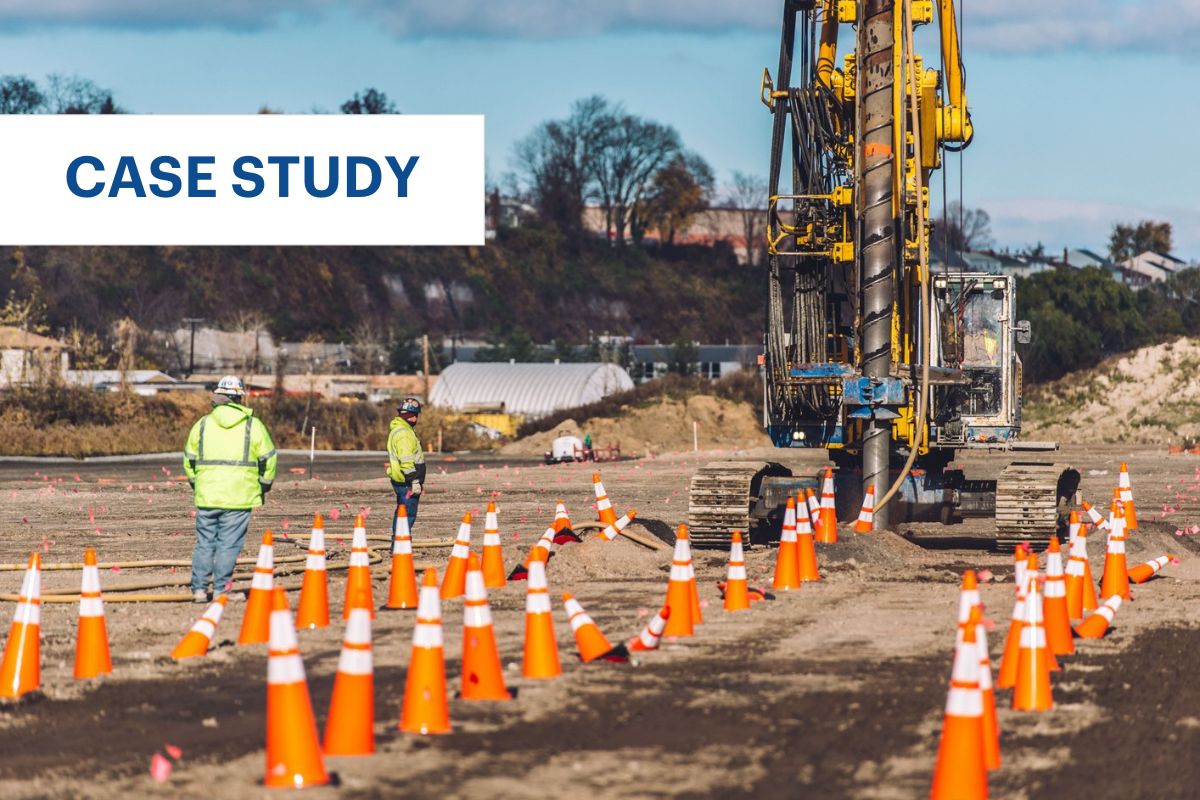
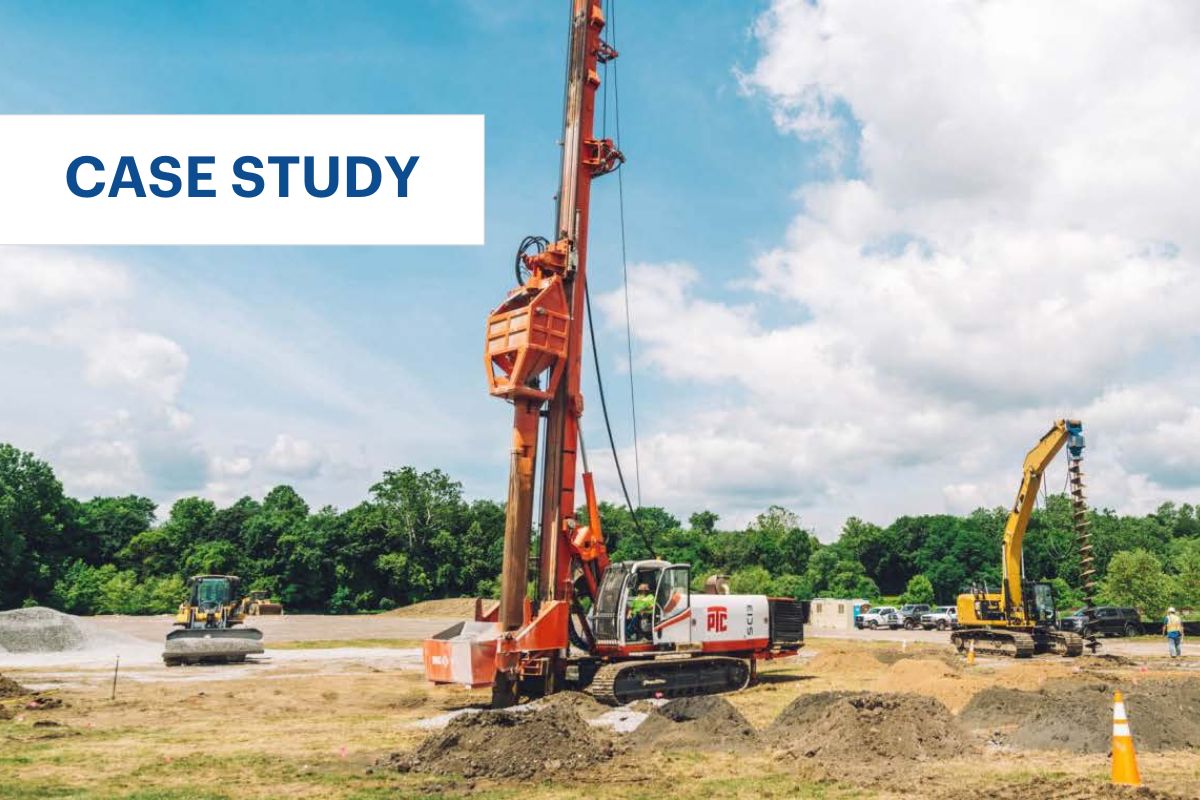
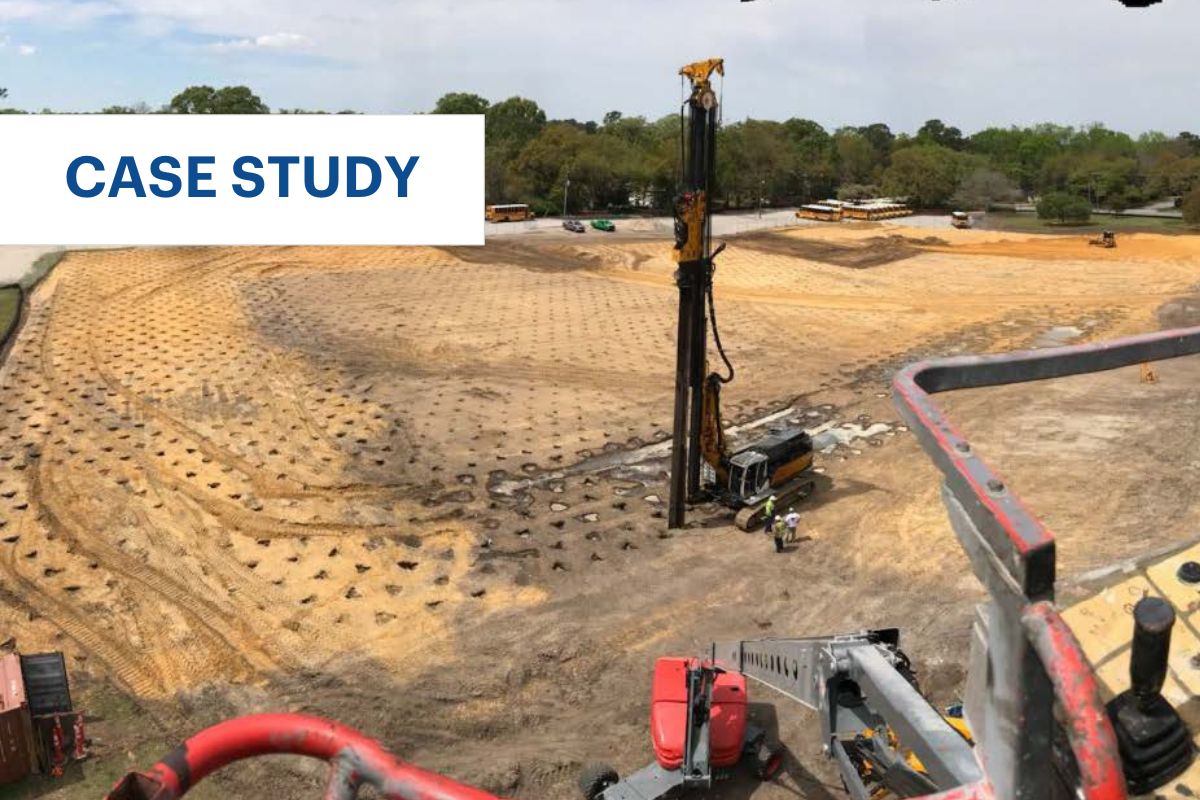
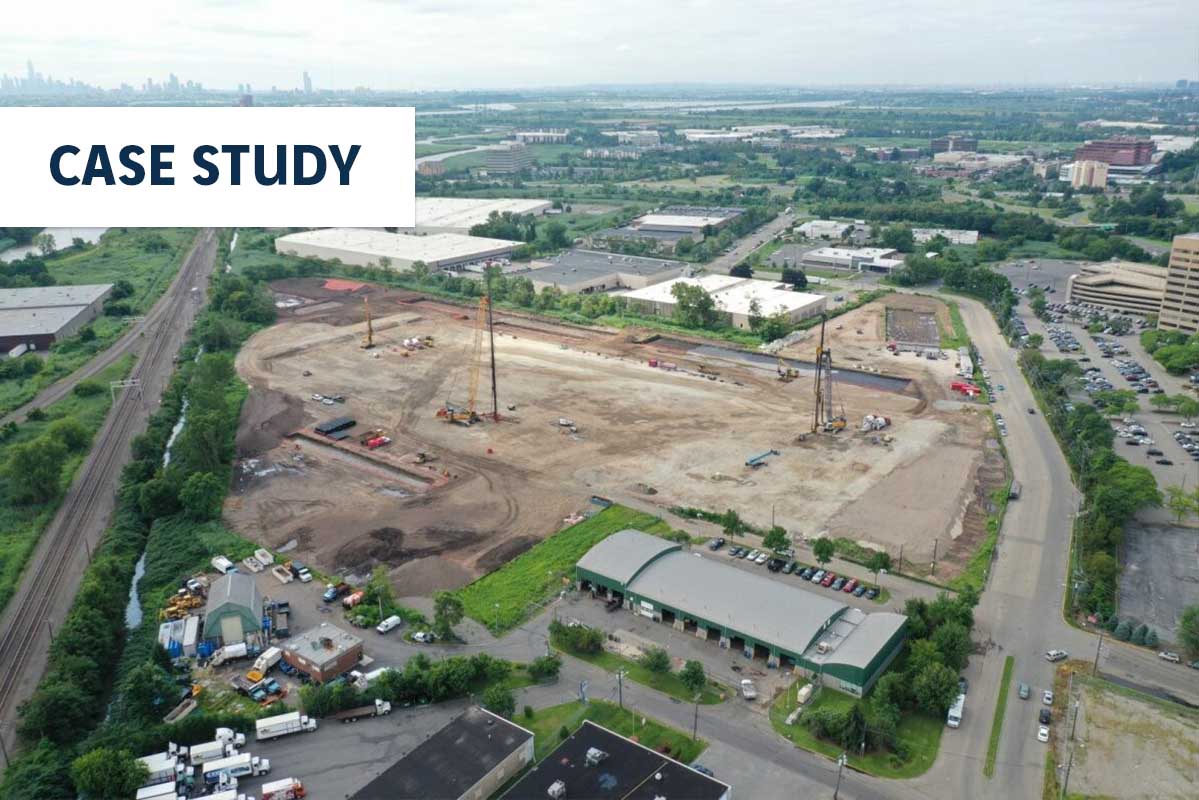
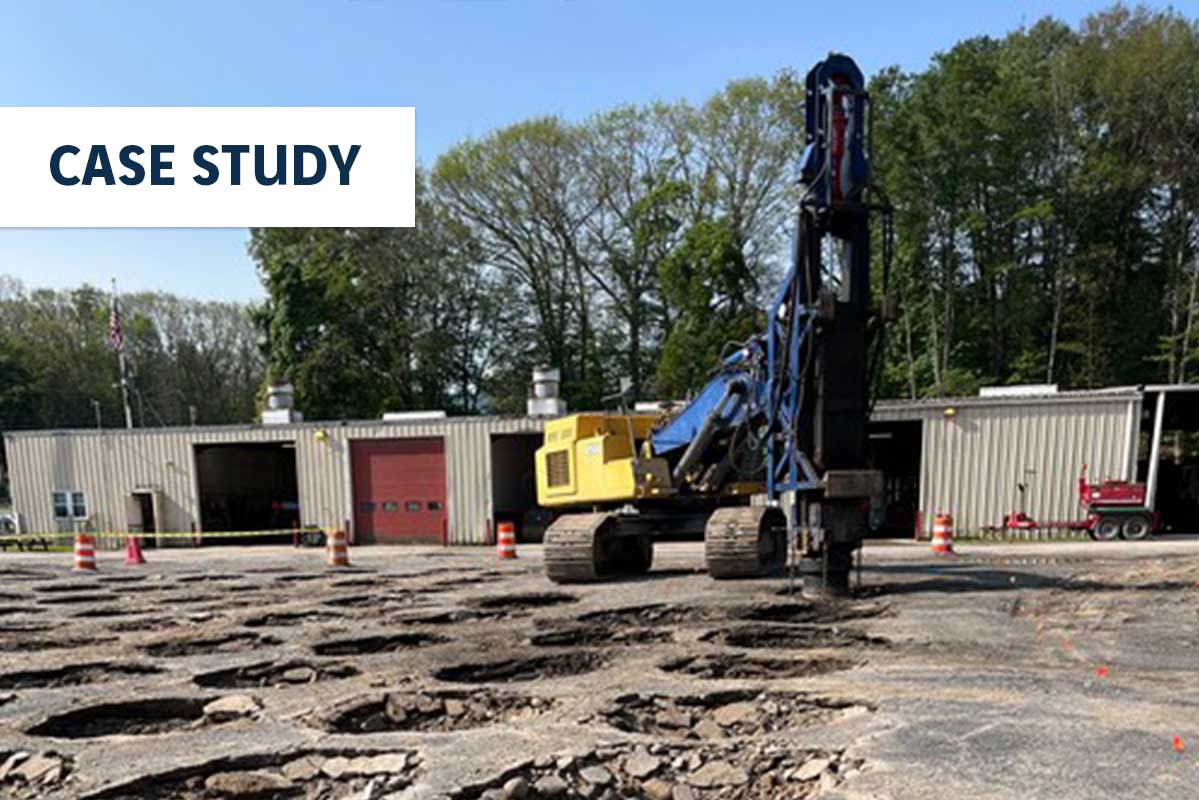
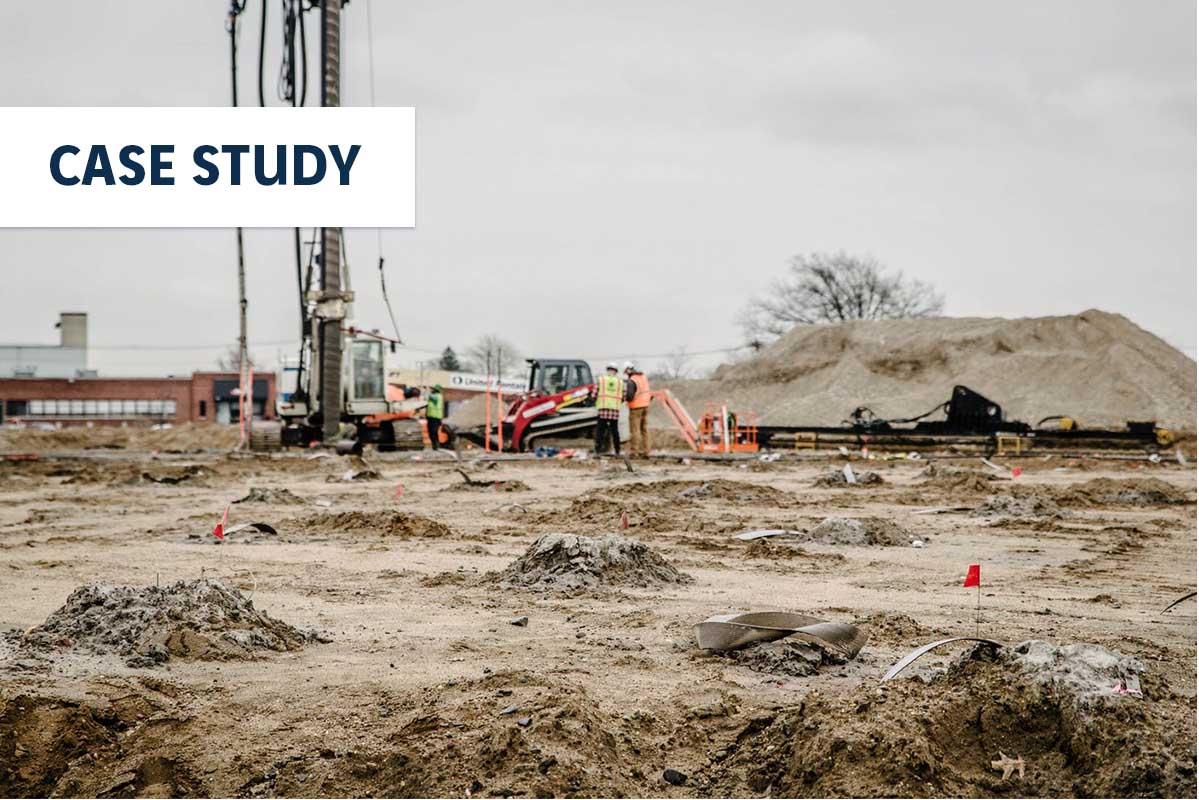
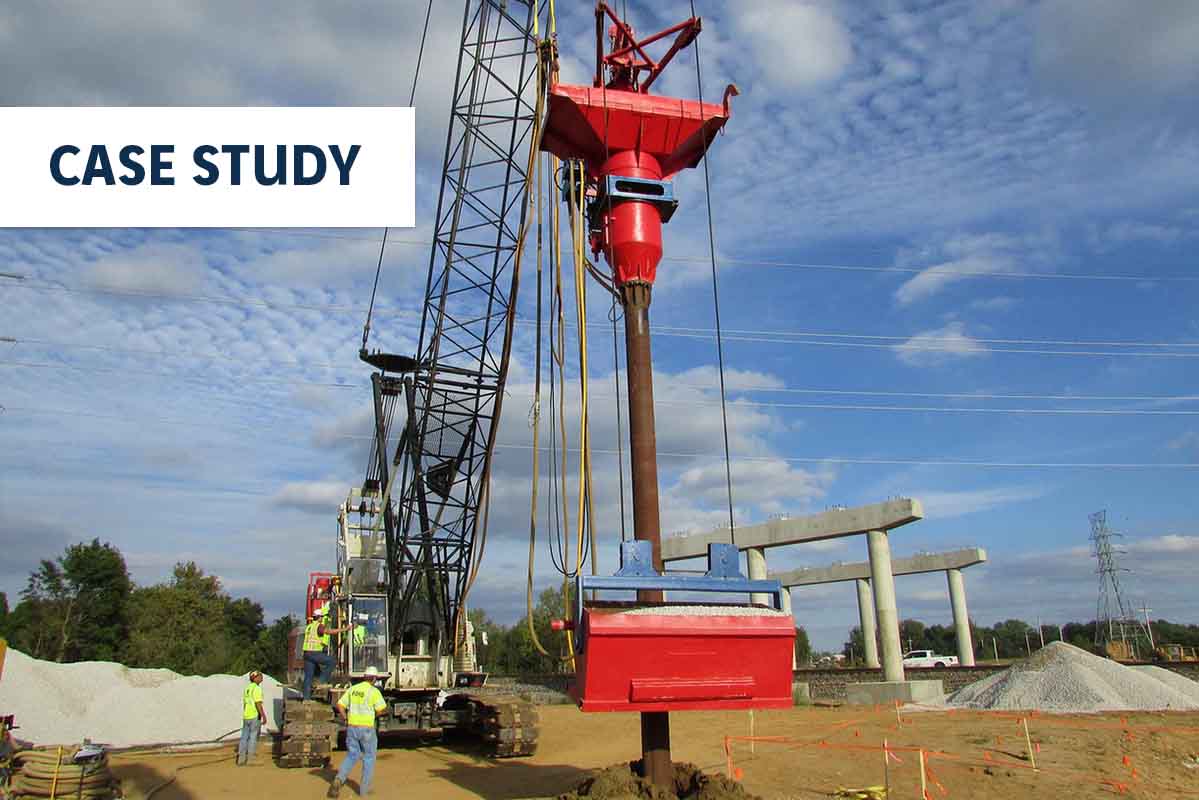
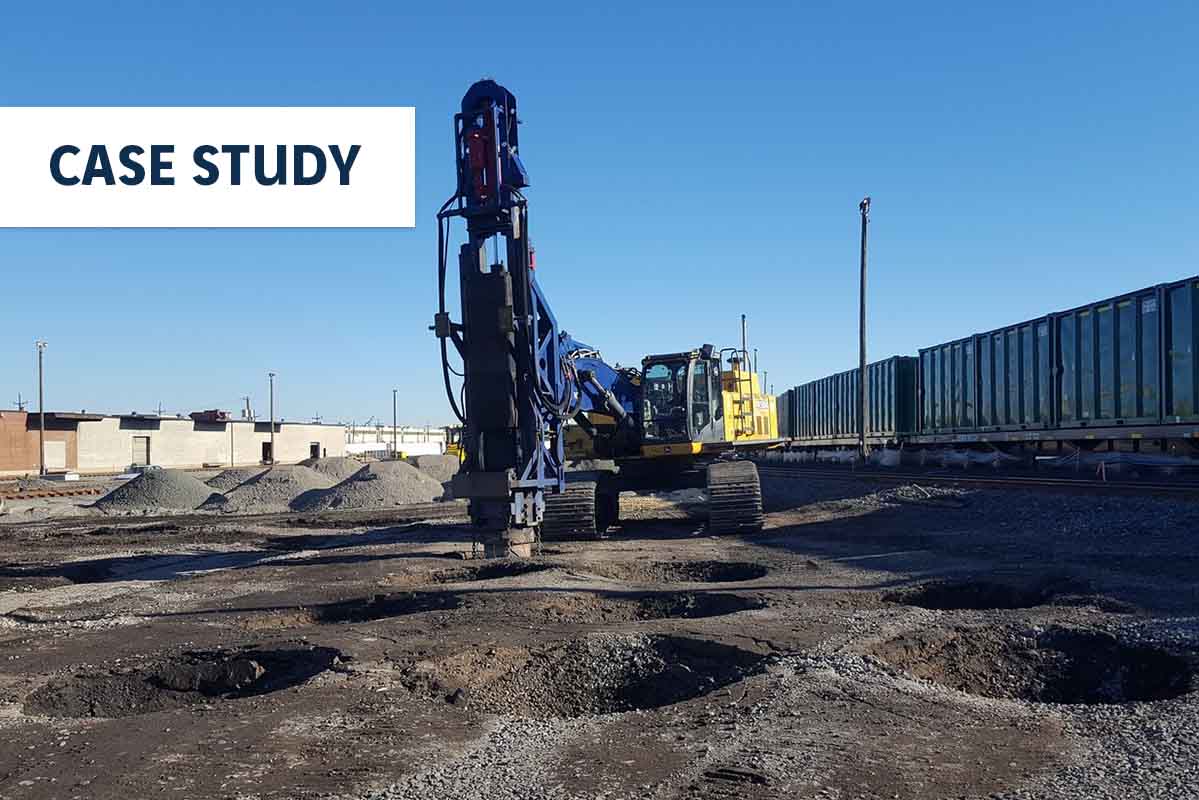
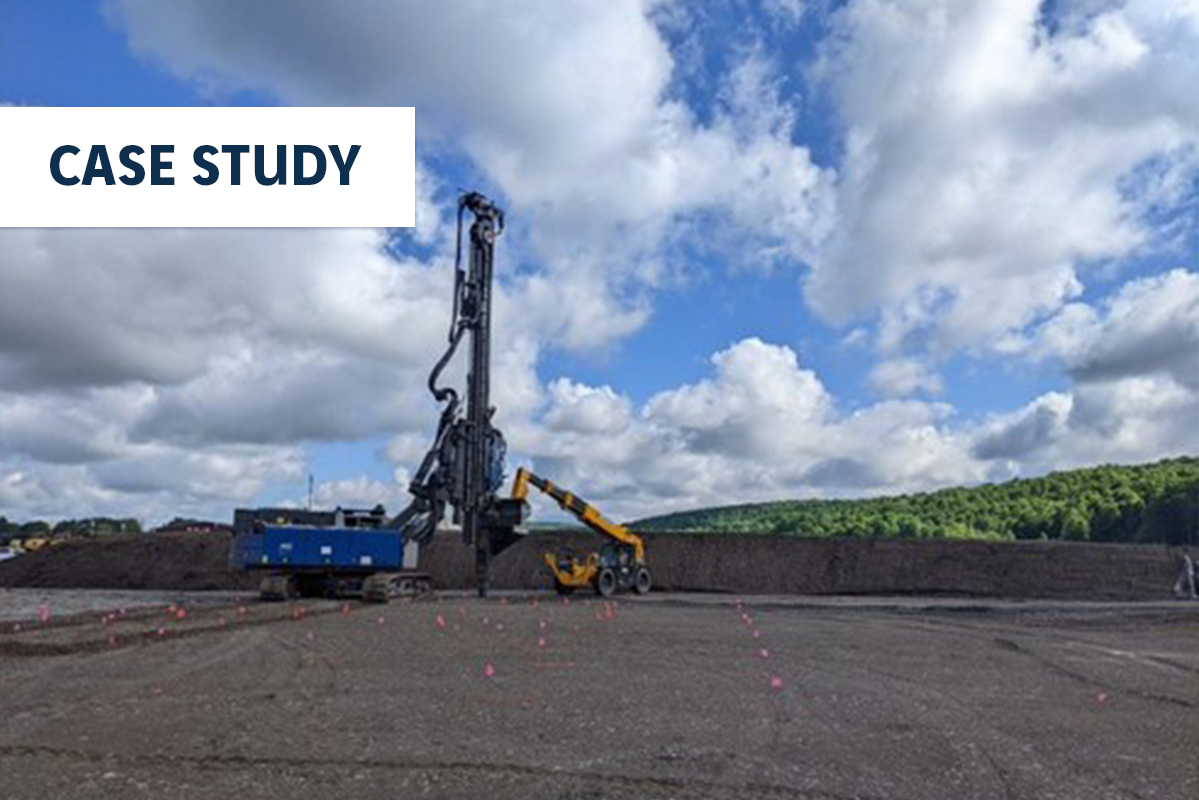
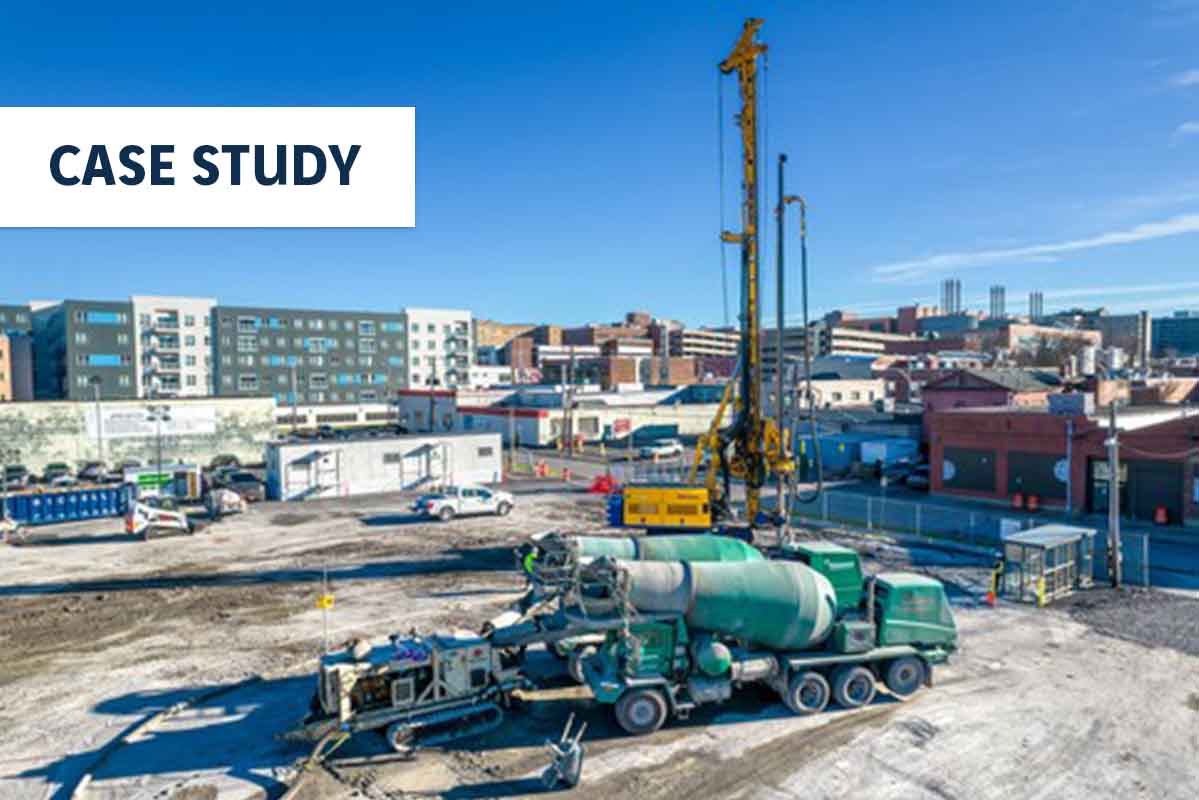
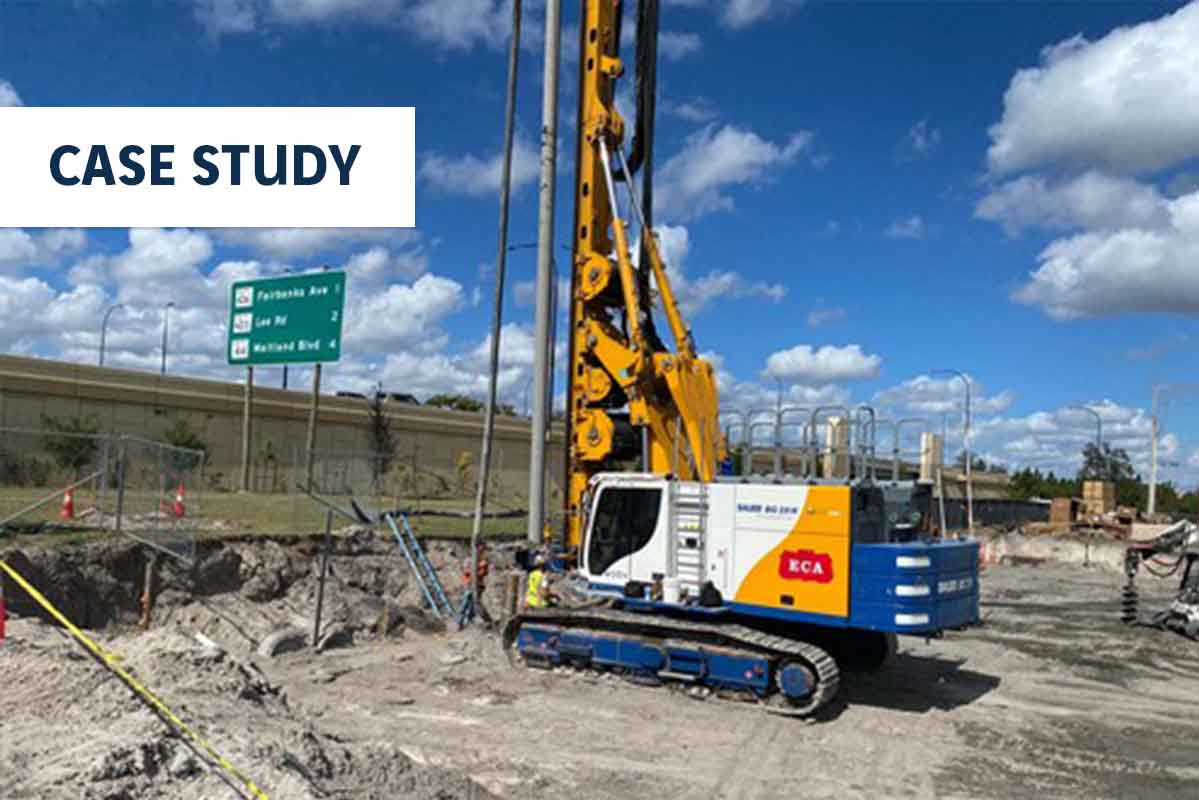
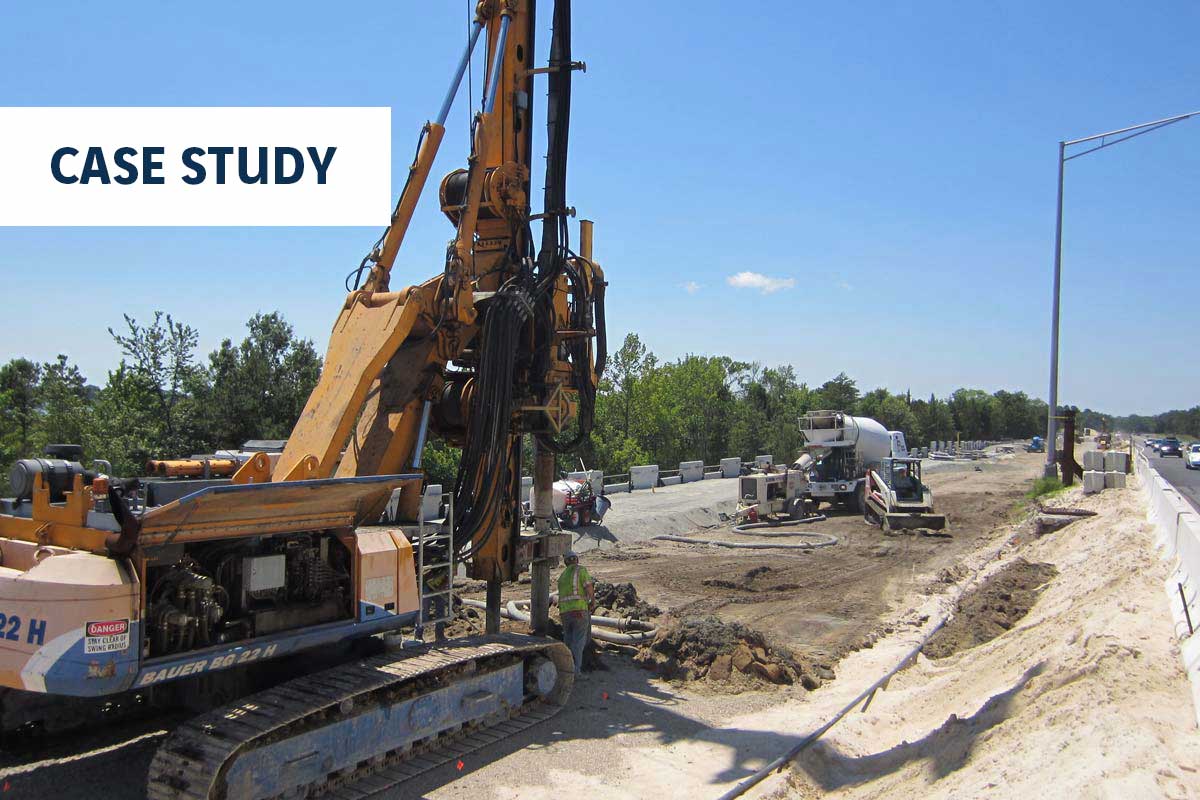
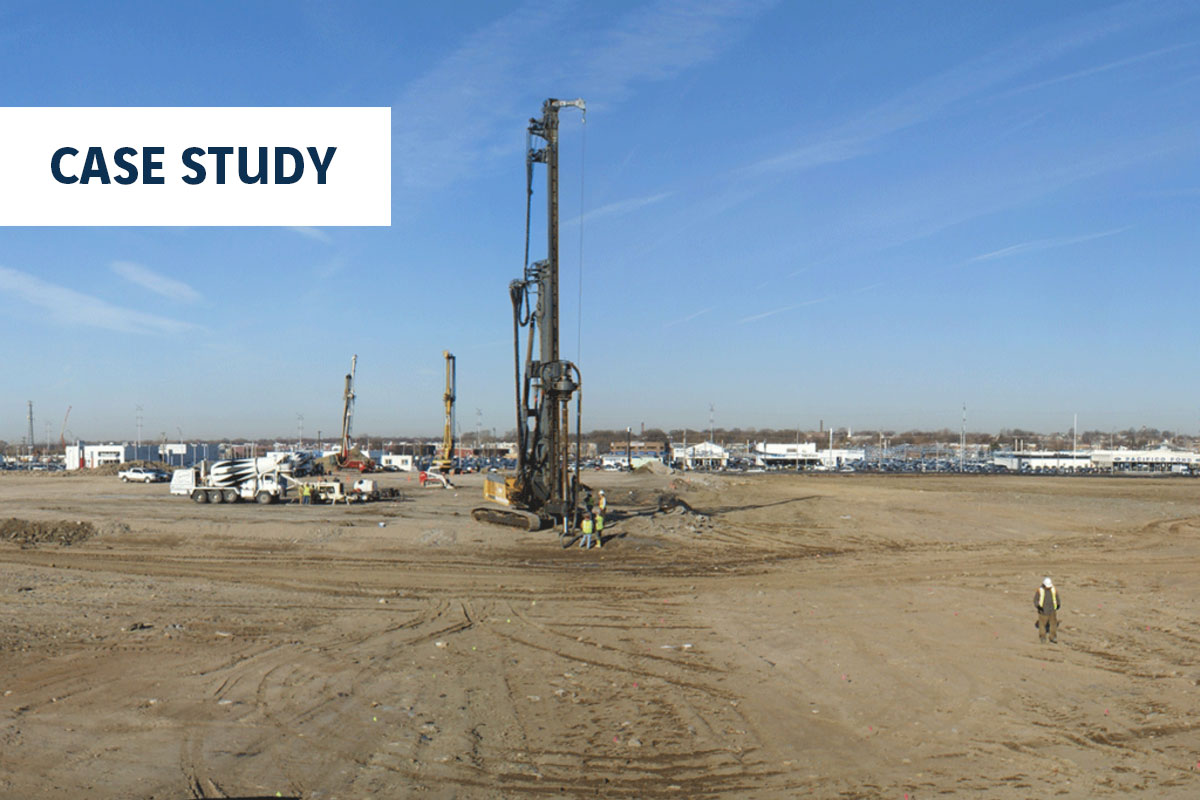
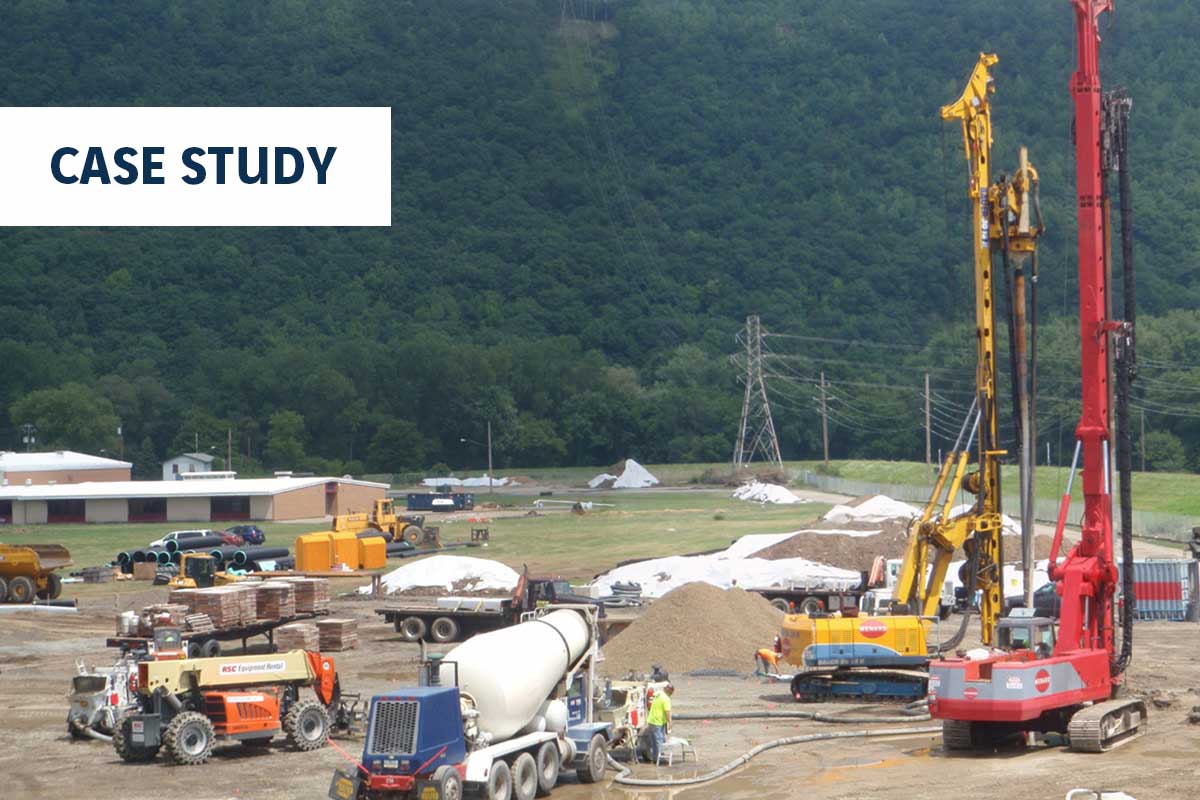
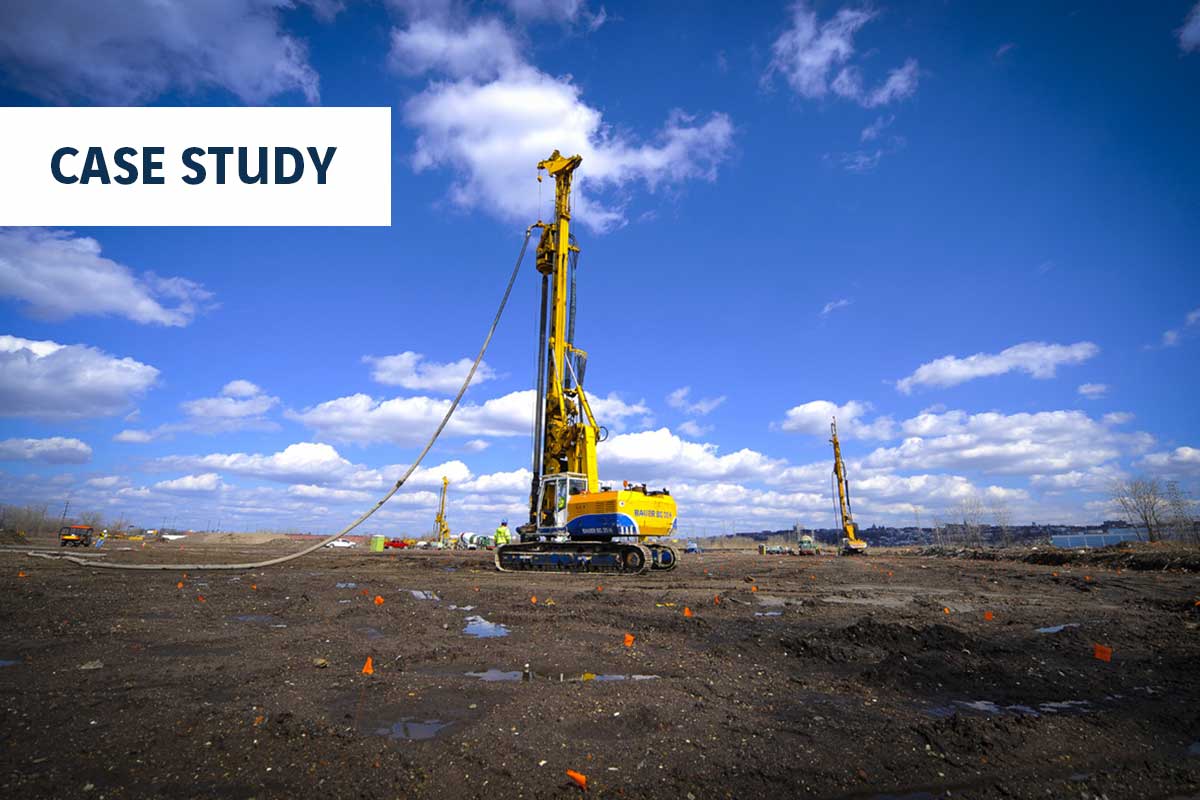
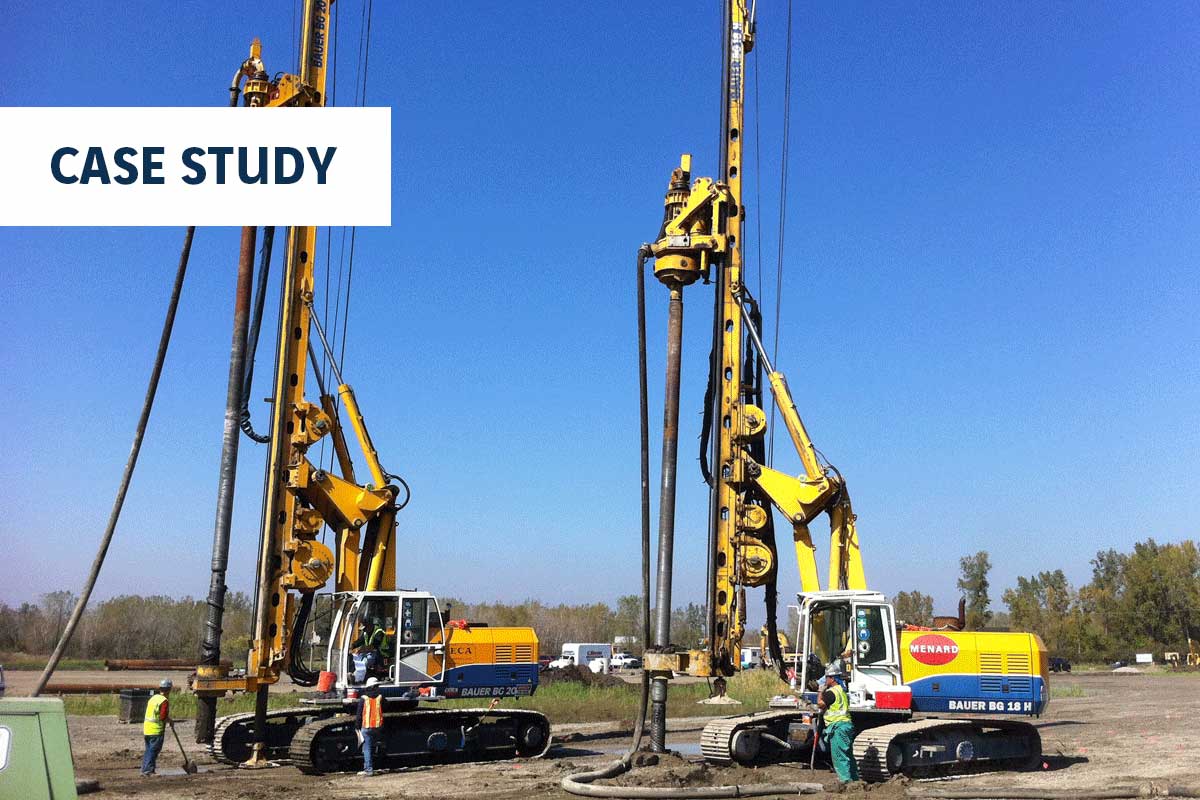
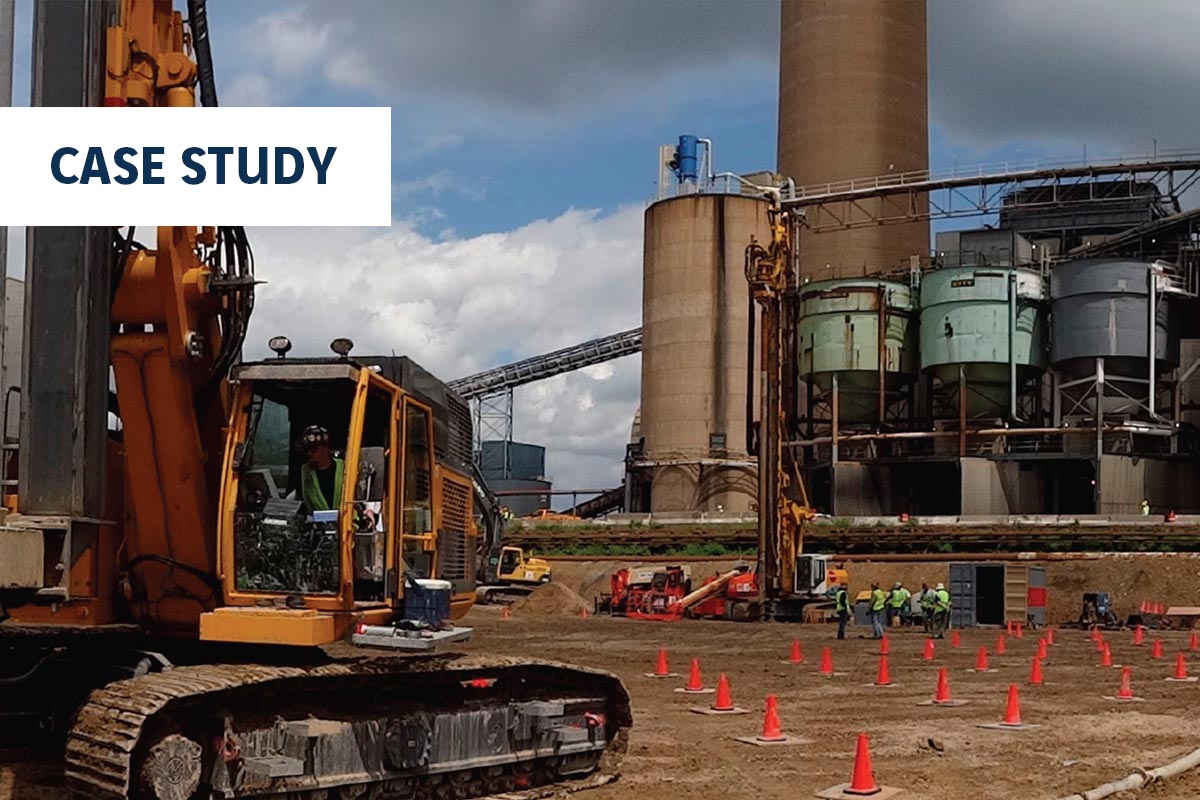
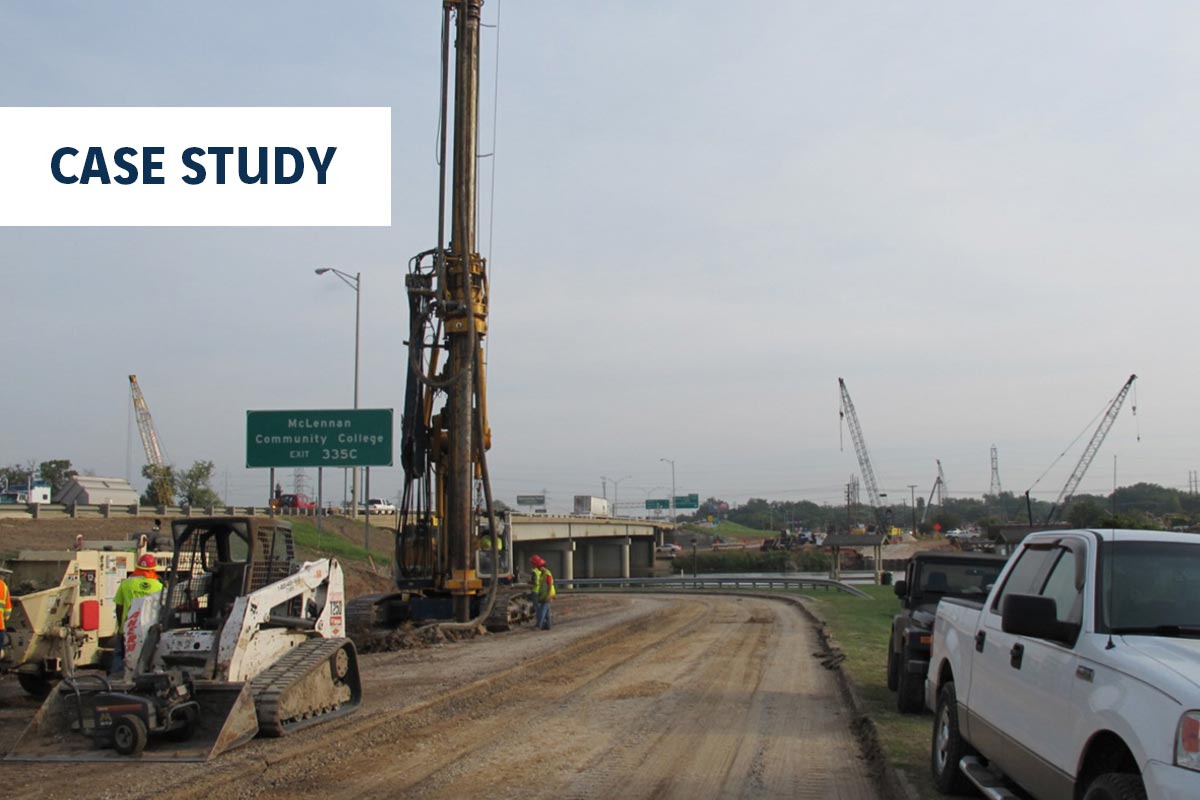
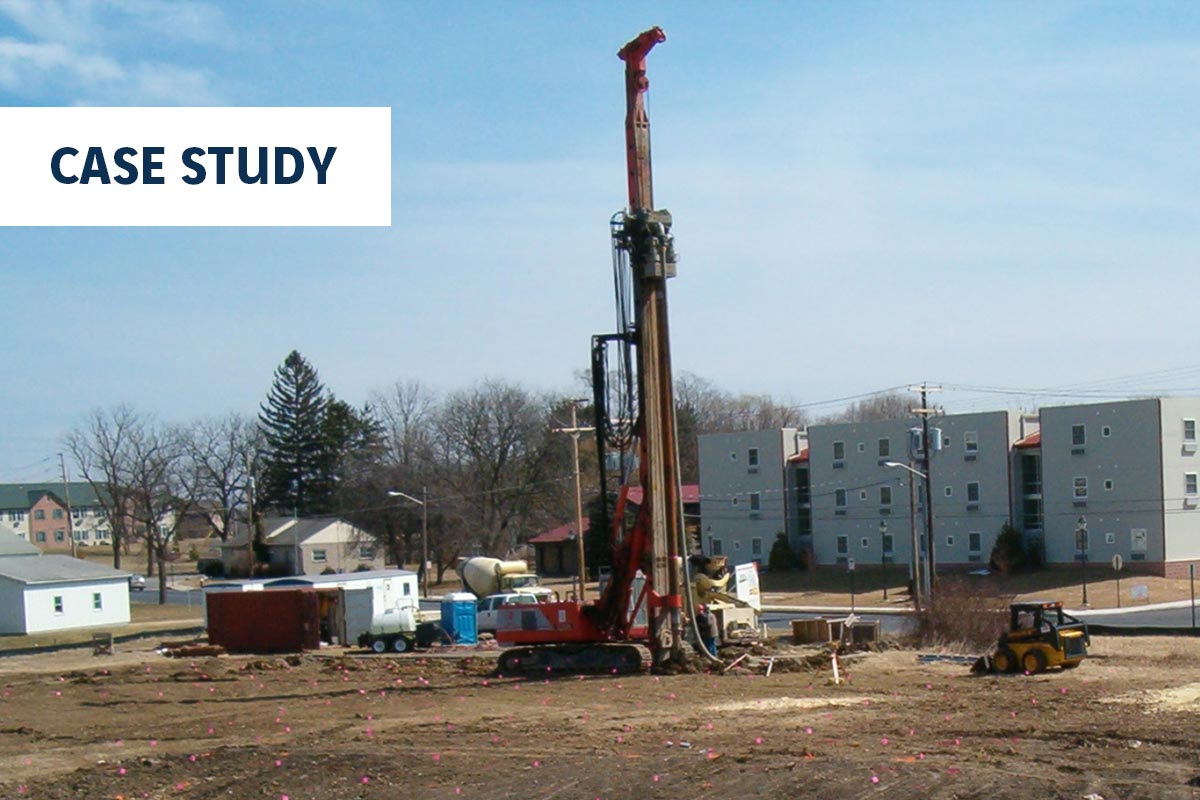
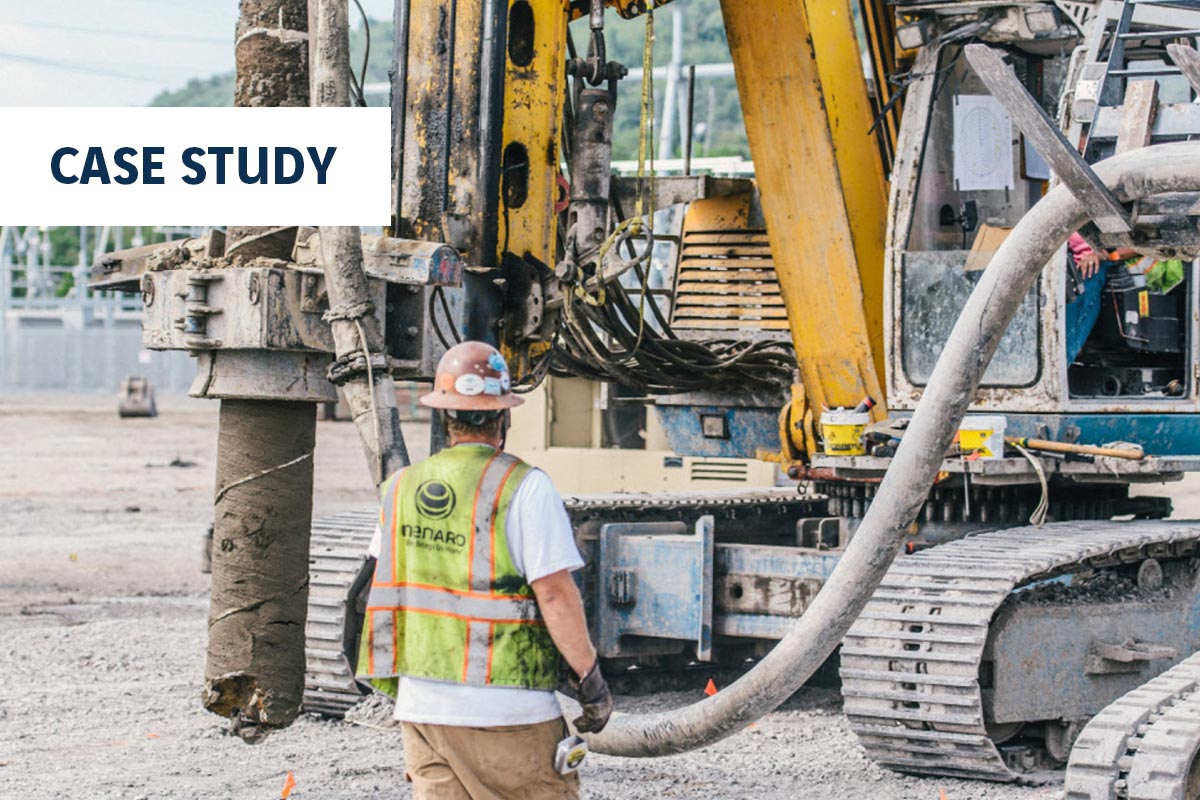
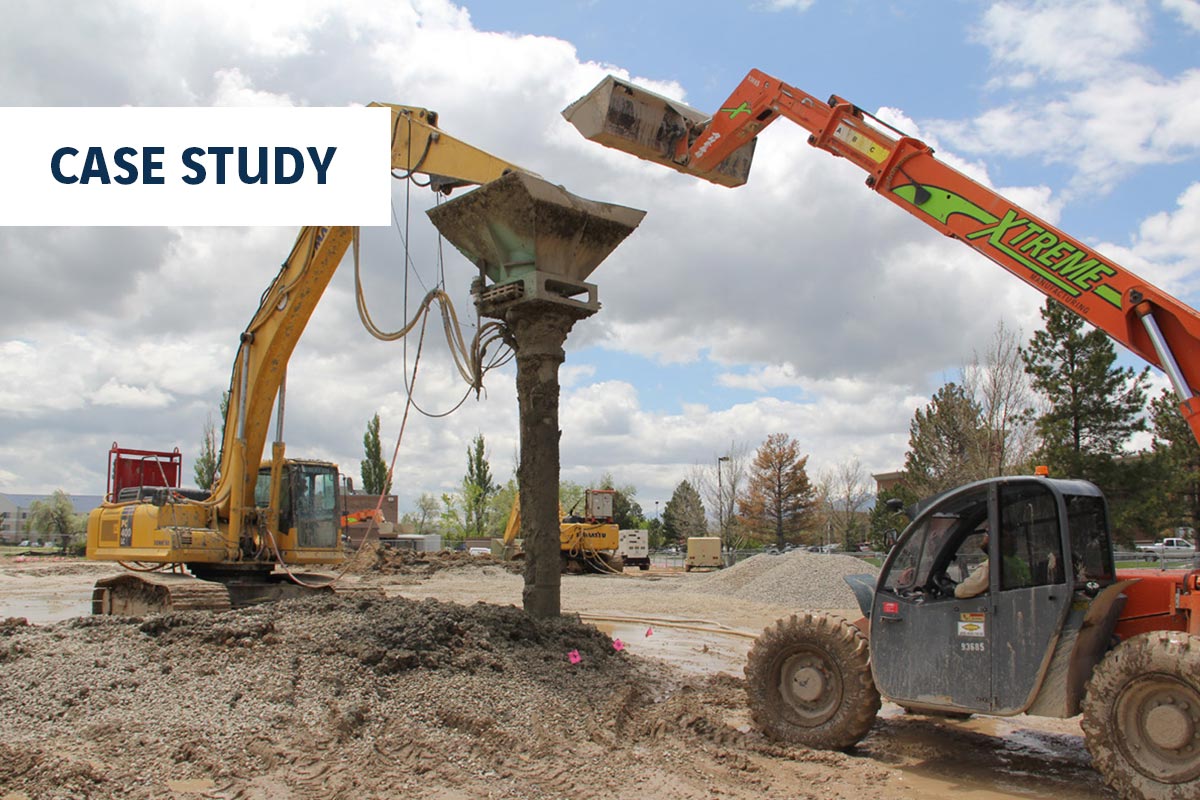
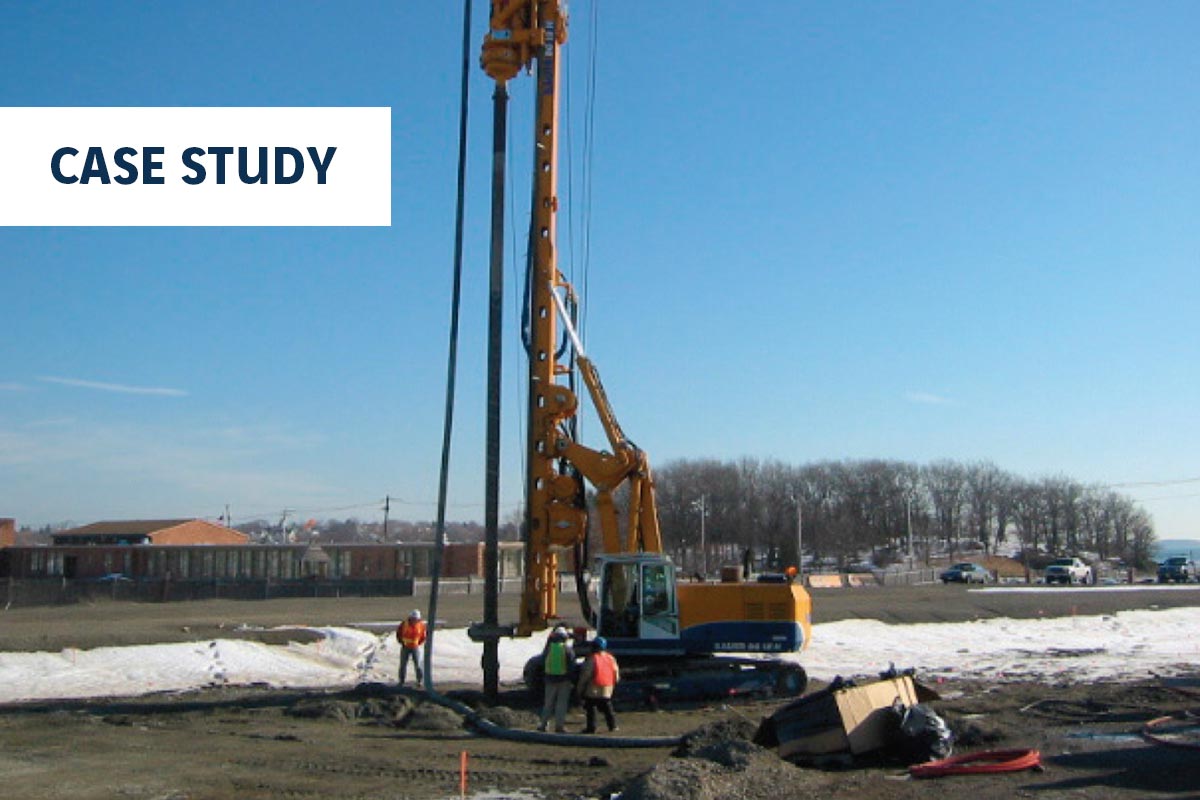
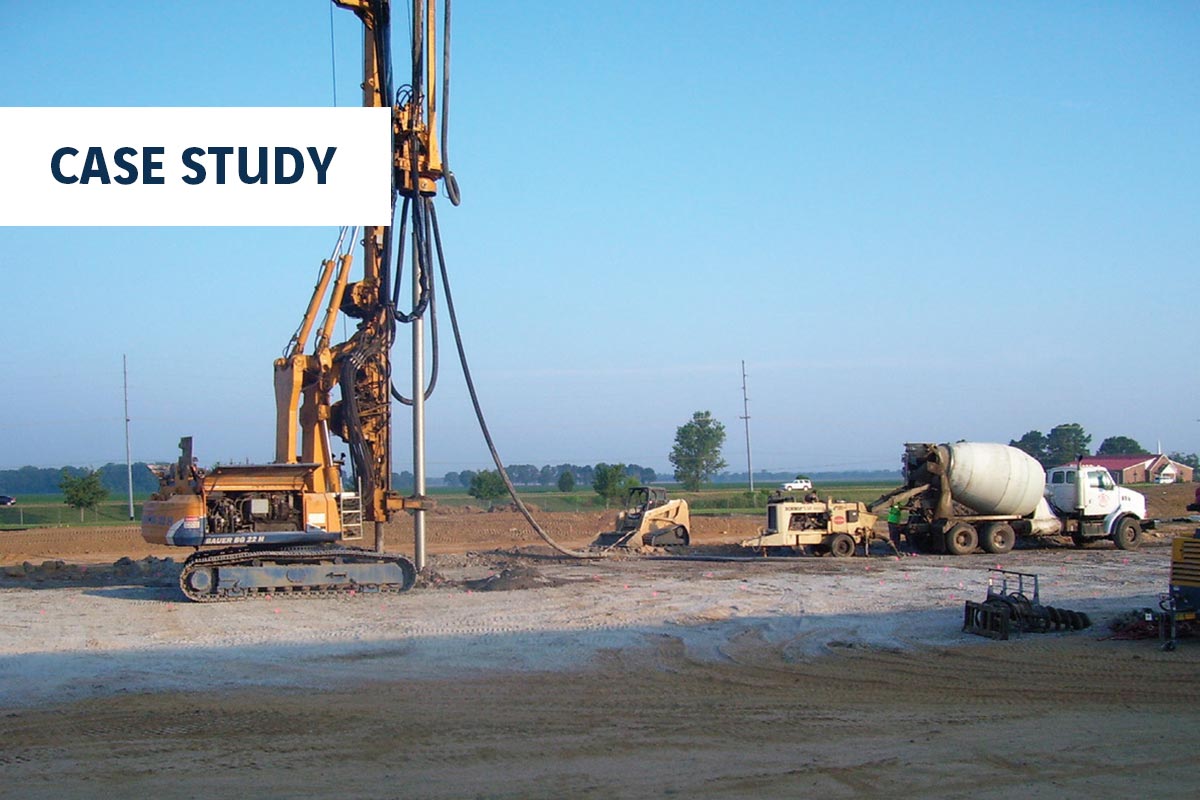
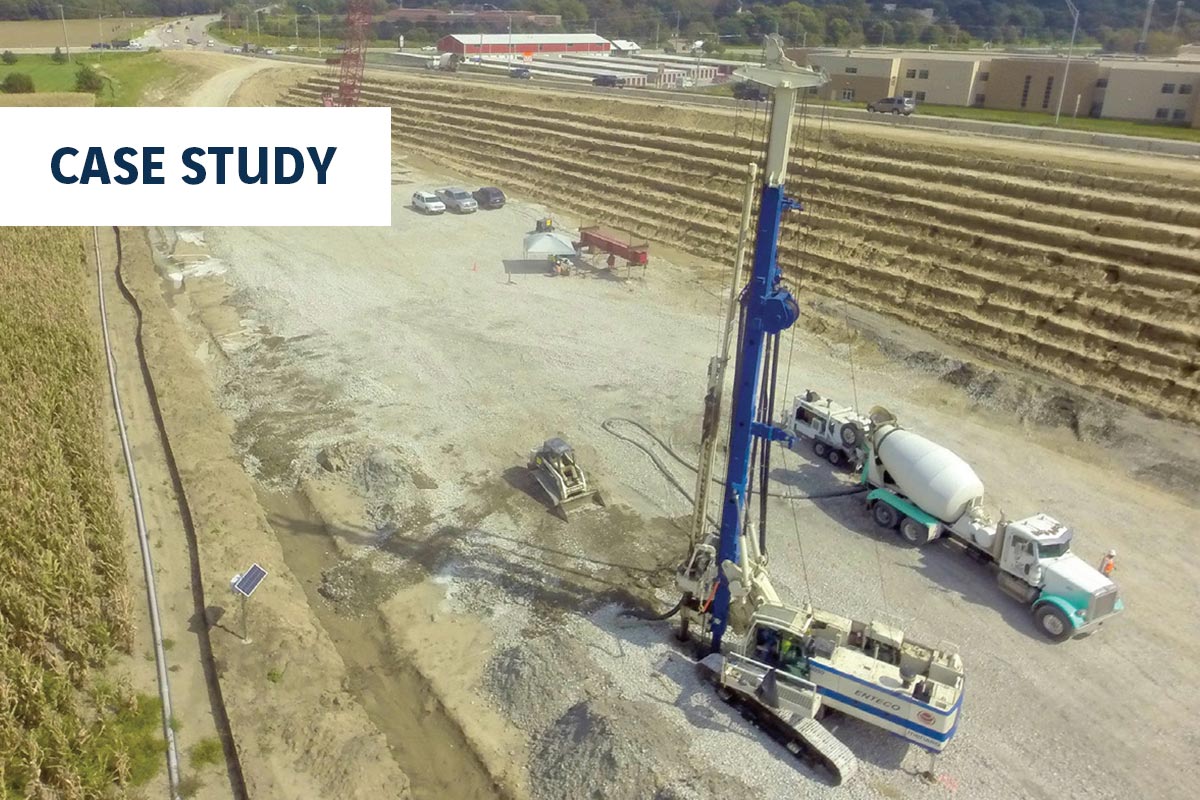
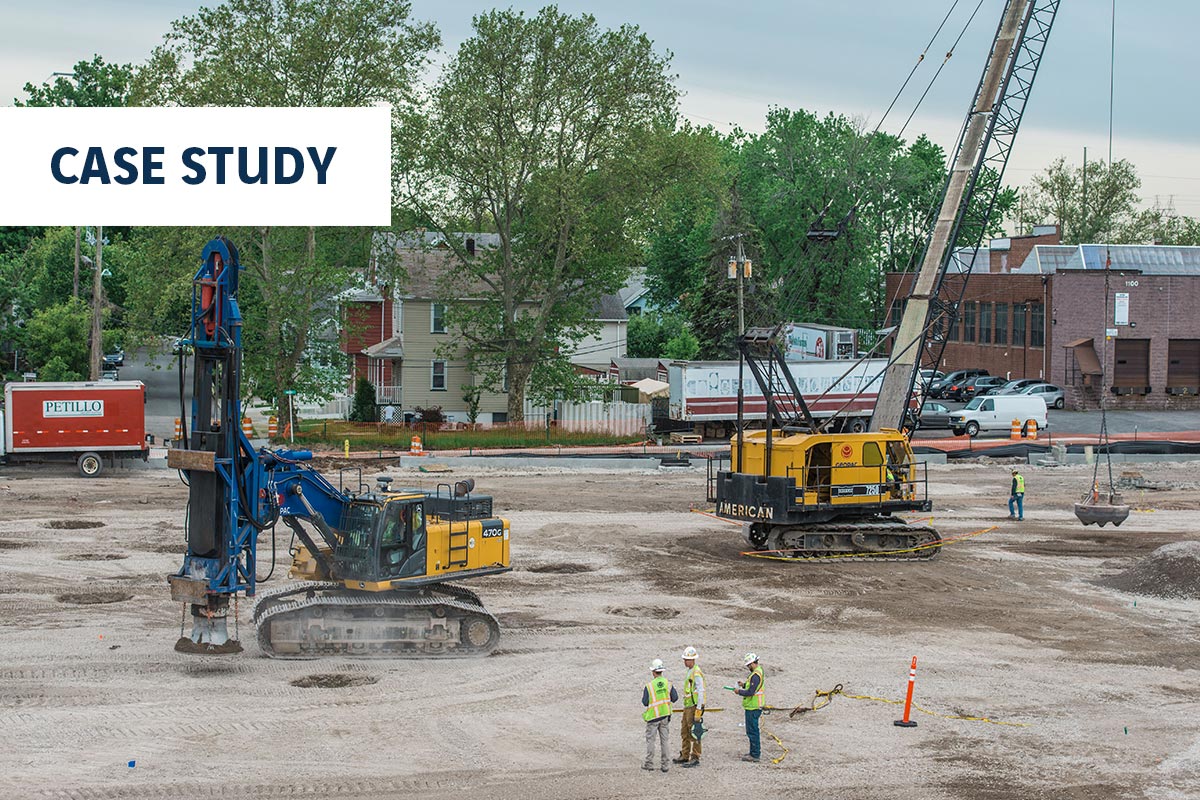
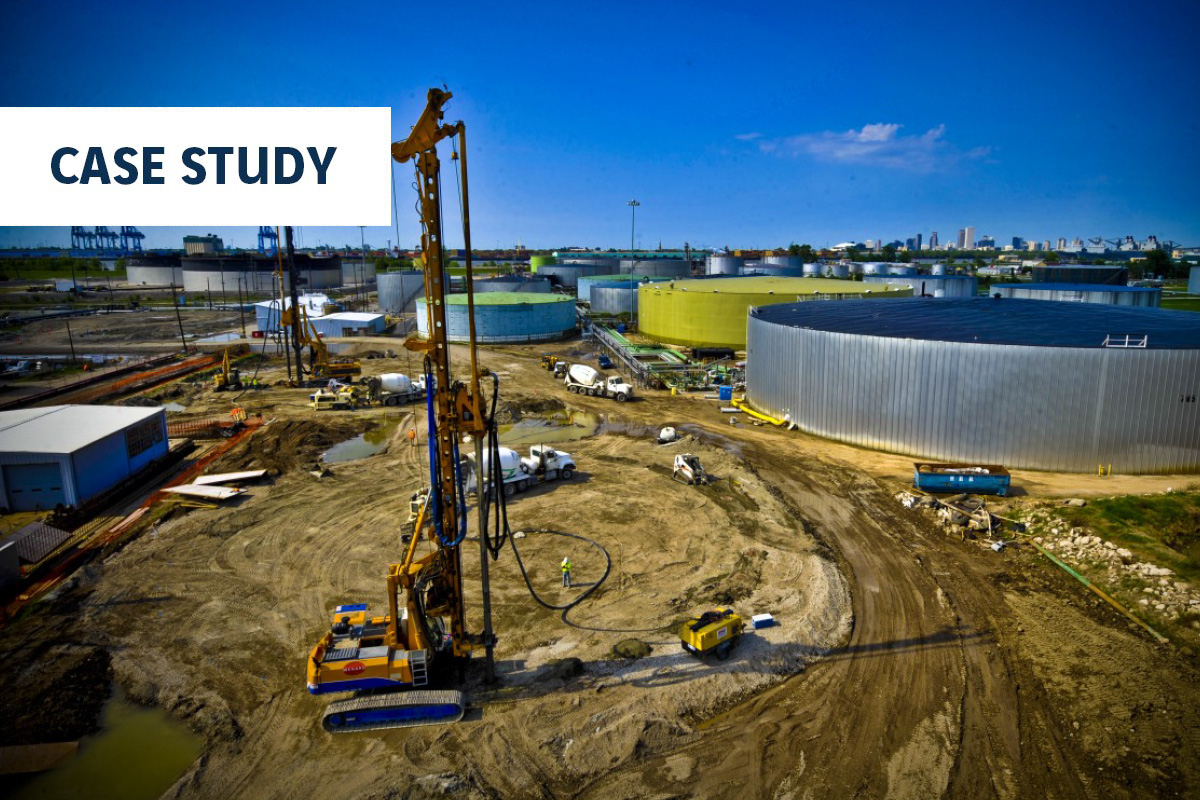
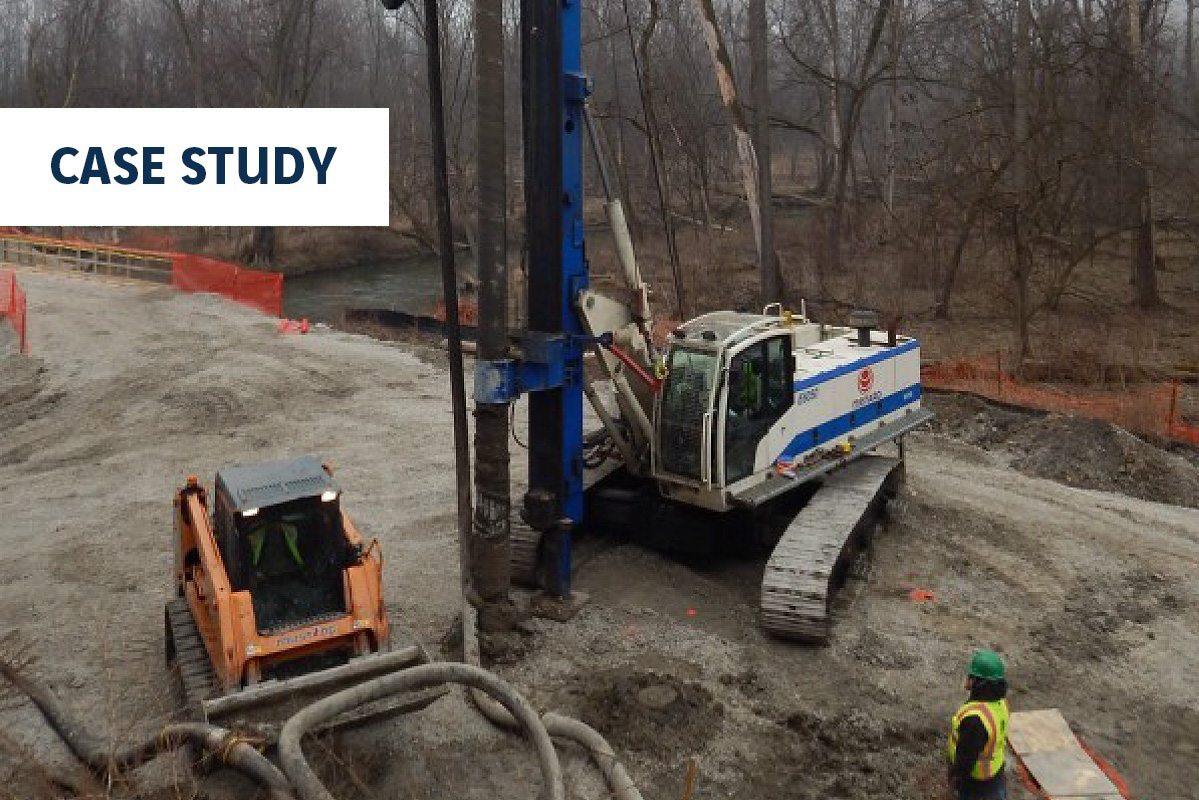
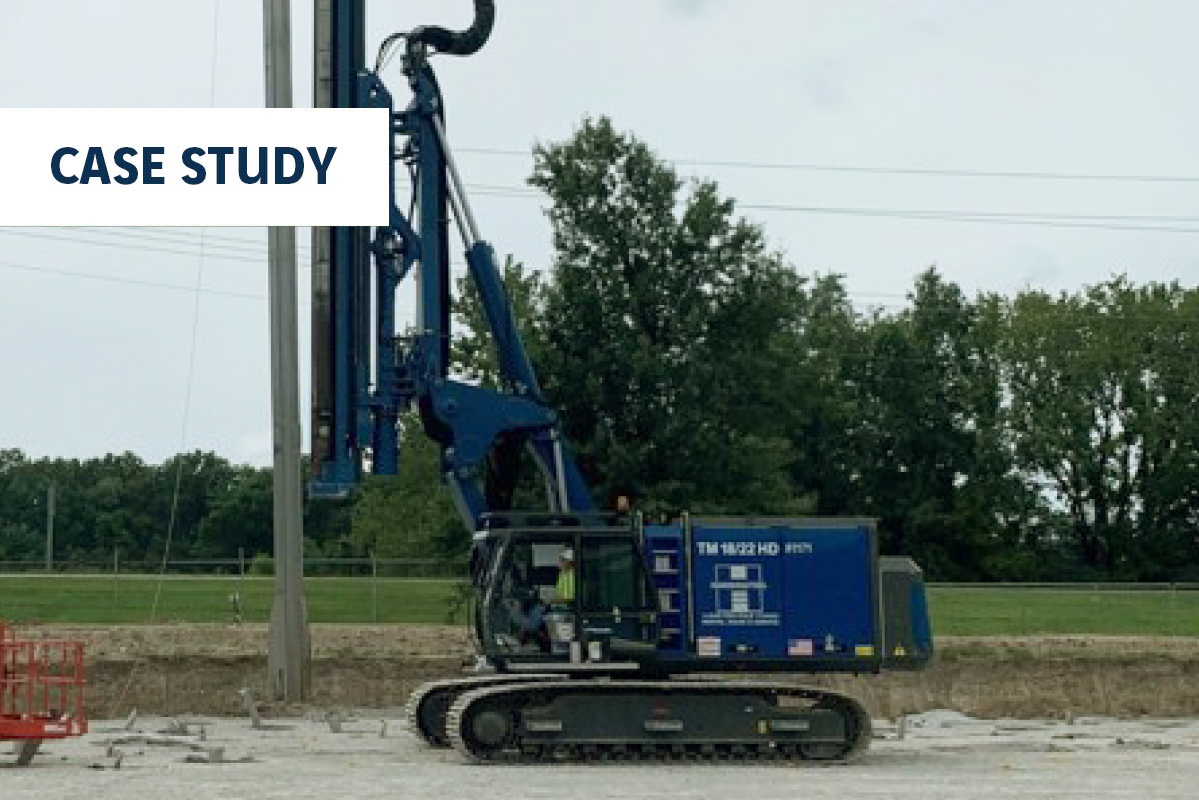
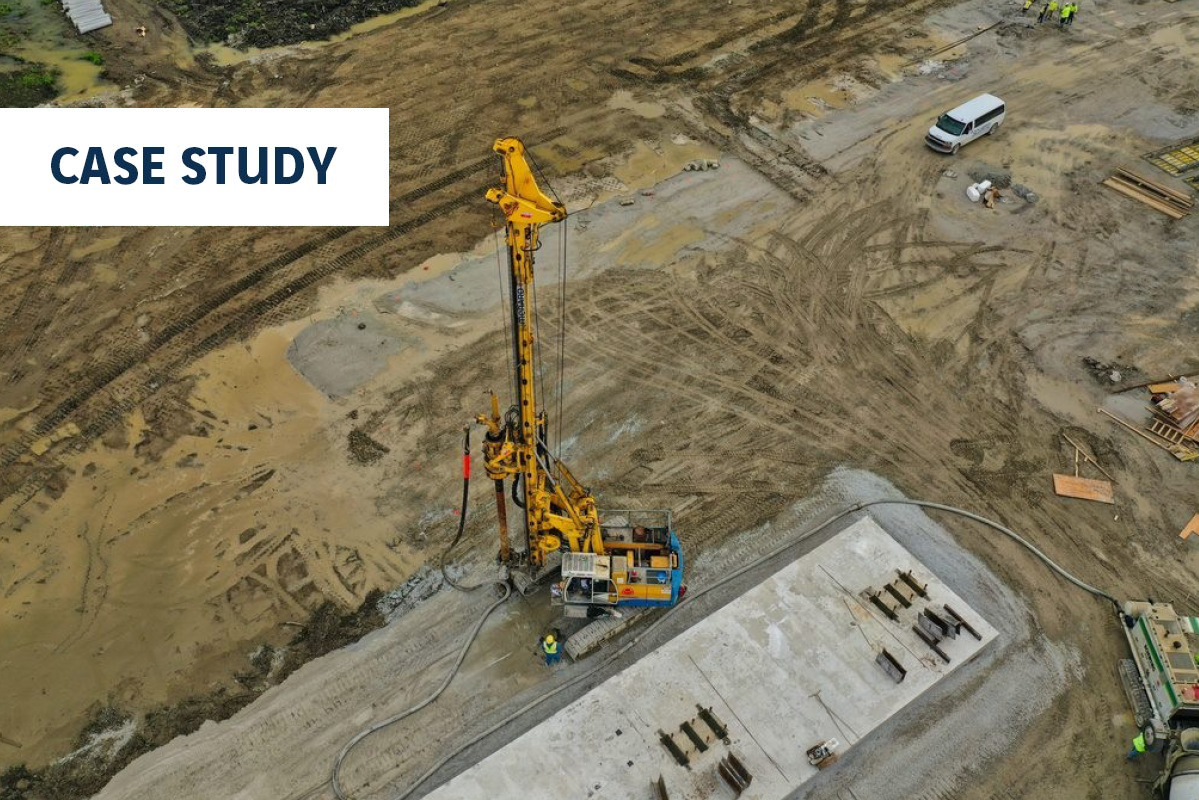
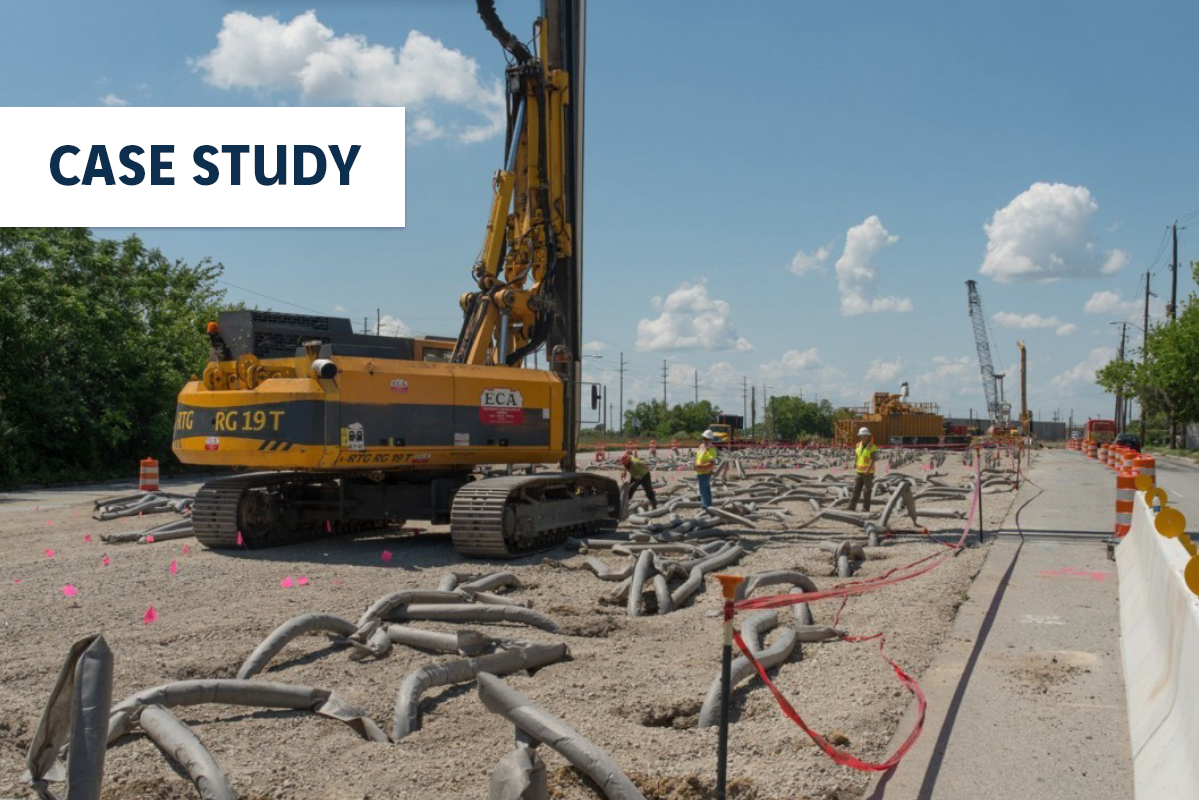
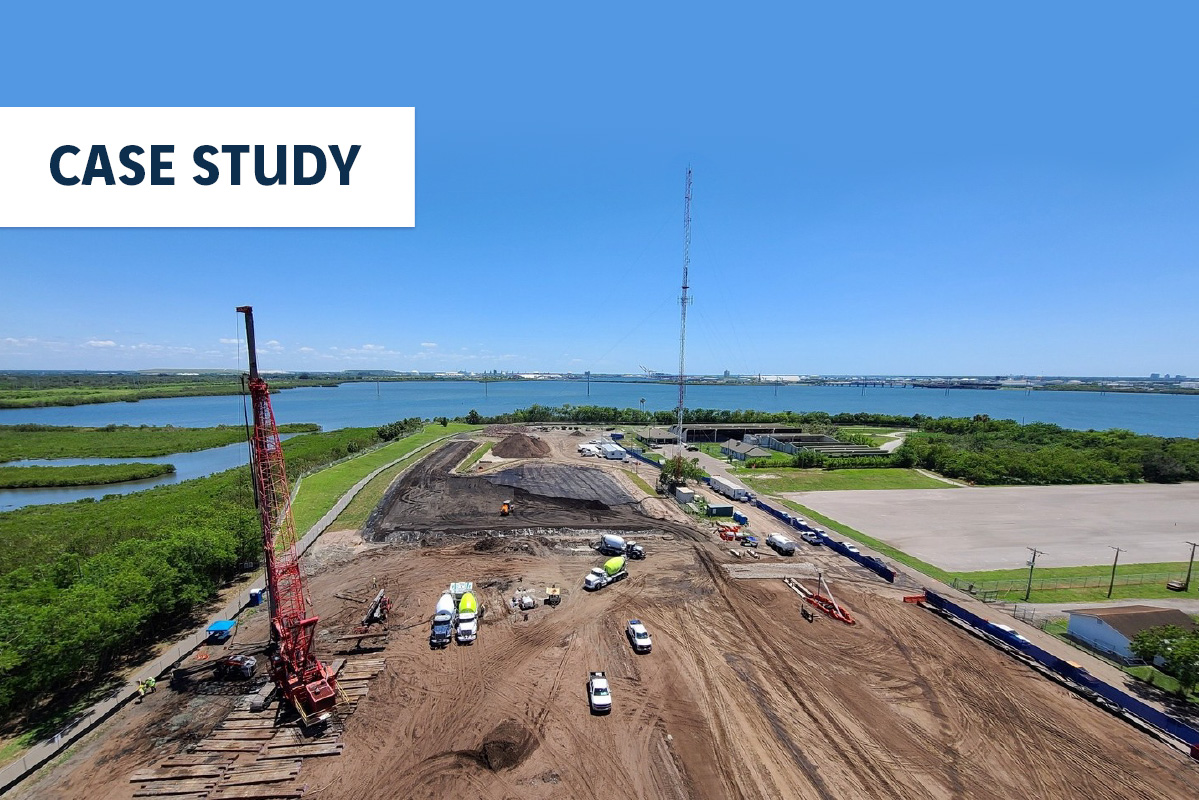
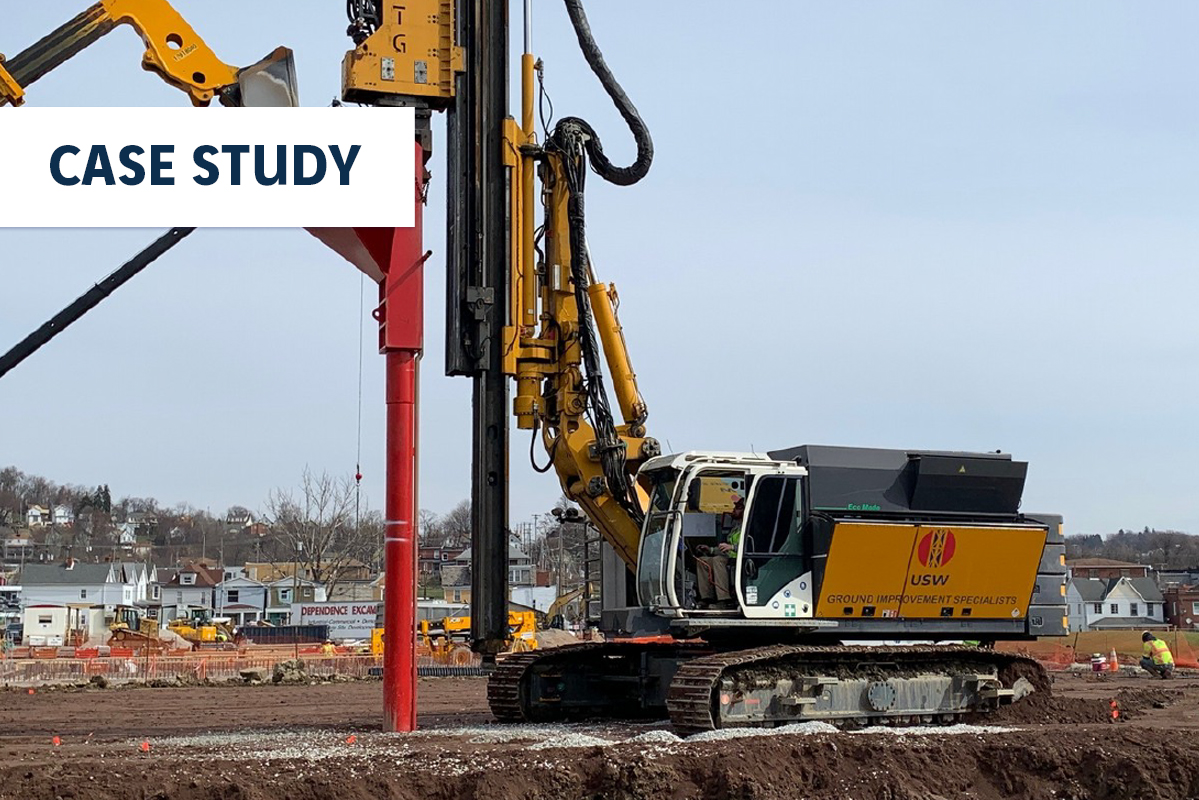
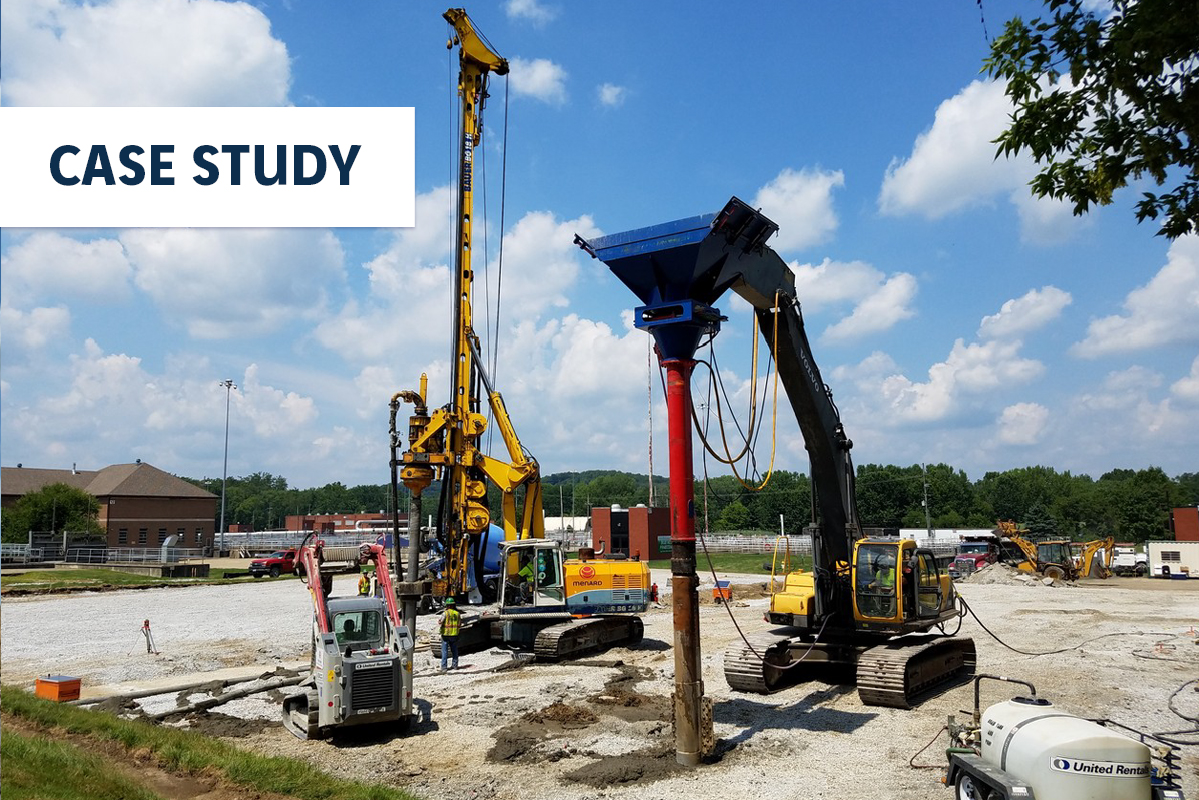
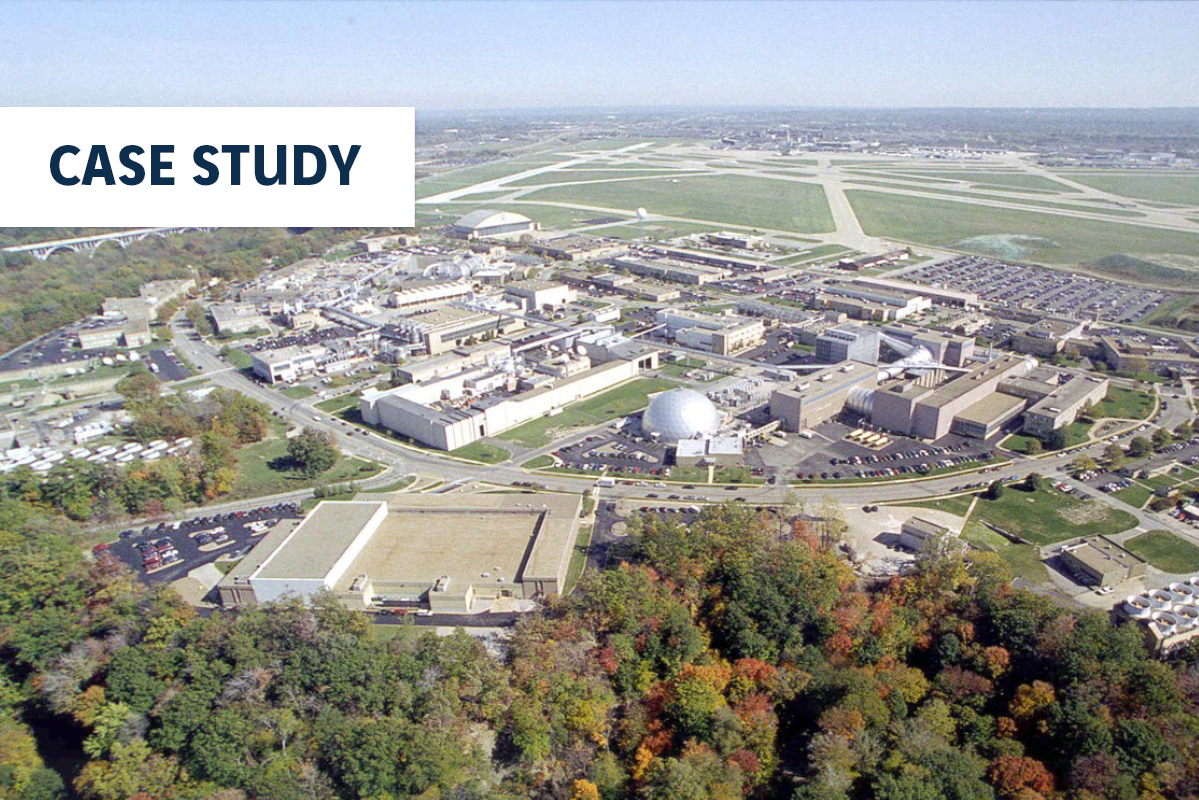
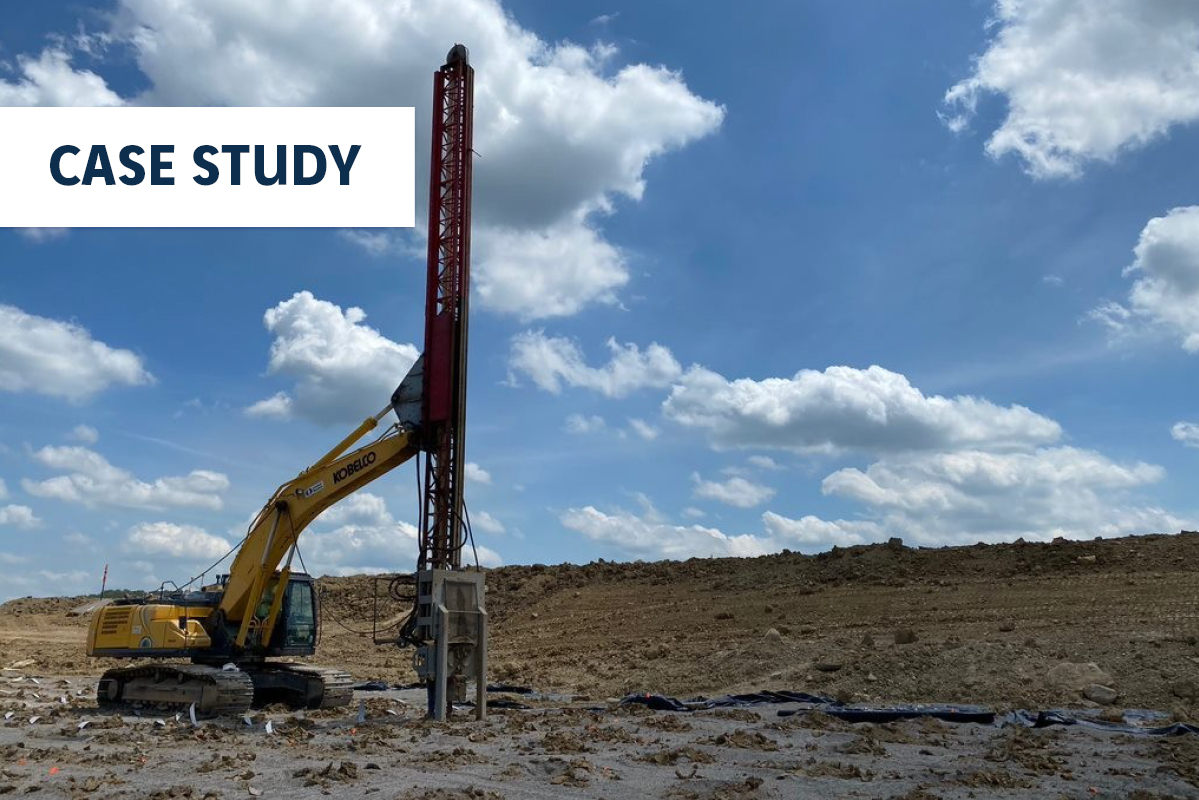
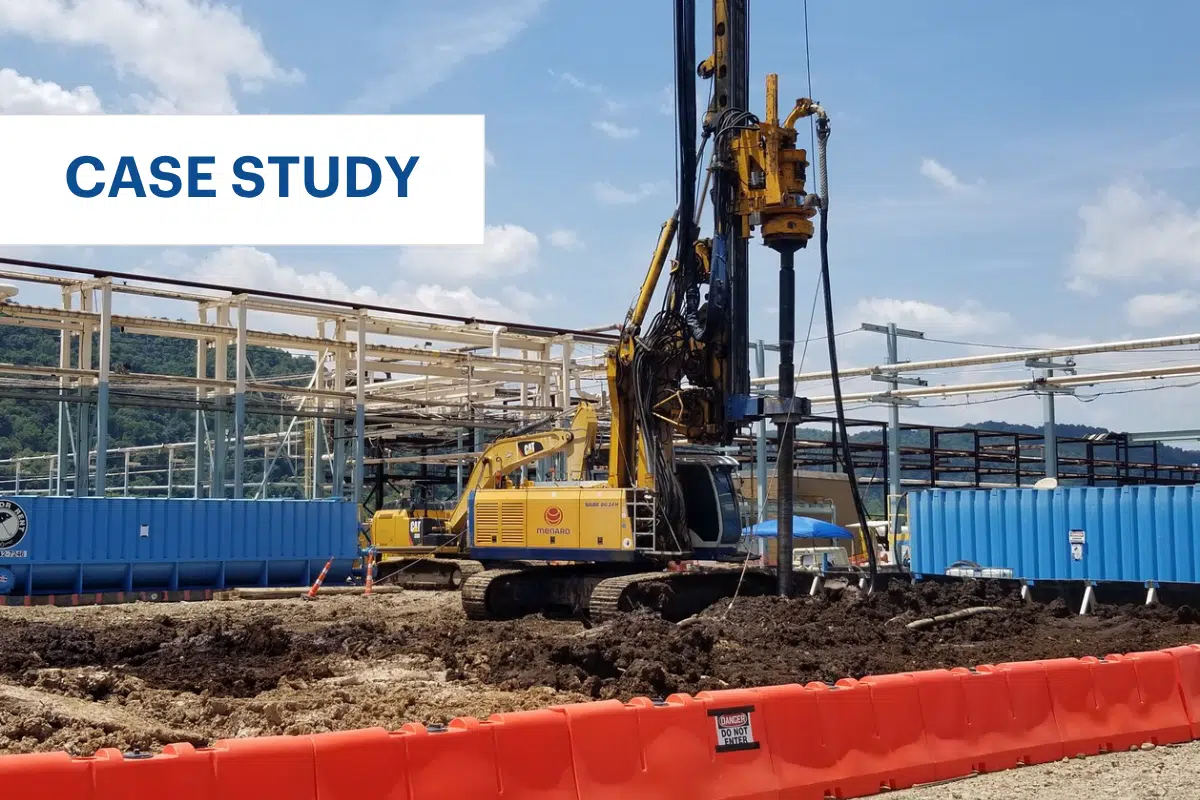
A confidential client contracted the services of Menard Group USA to provide technical assistance for a field pilot study to remediate soil contamination on a section of a manufacturing plant. The work included the injection of a pre-engineered reagent into the soil, using a 4 ft diameter soil mixing auger to disperse the material into the soil mass. The auger was powered by a Bauer BG 24 drill rig. The pilot study was performed to determine if the proposed reagent would reduce the concentration of contamination in the soil. Block treatment was provided up to 20 ft deep.
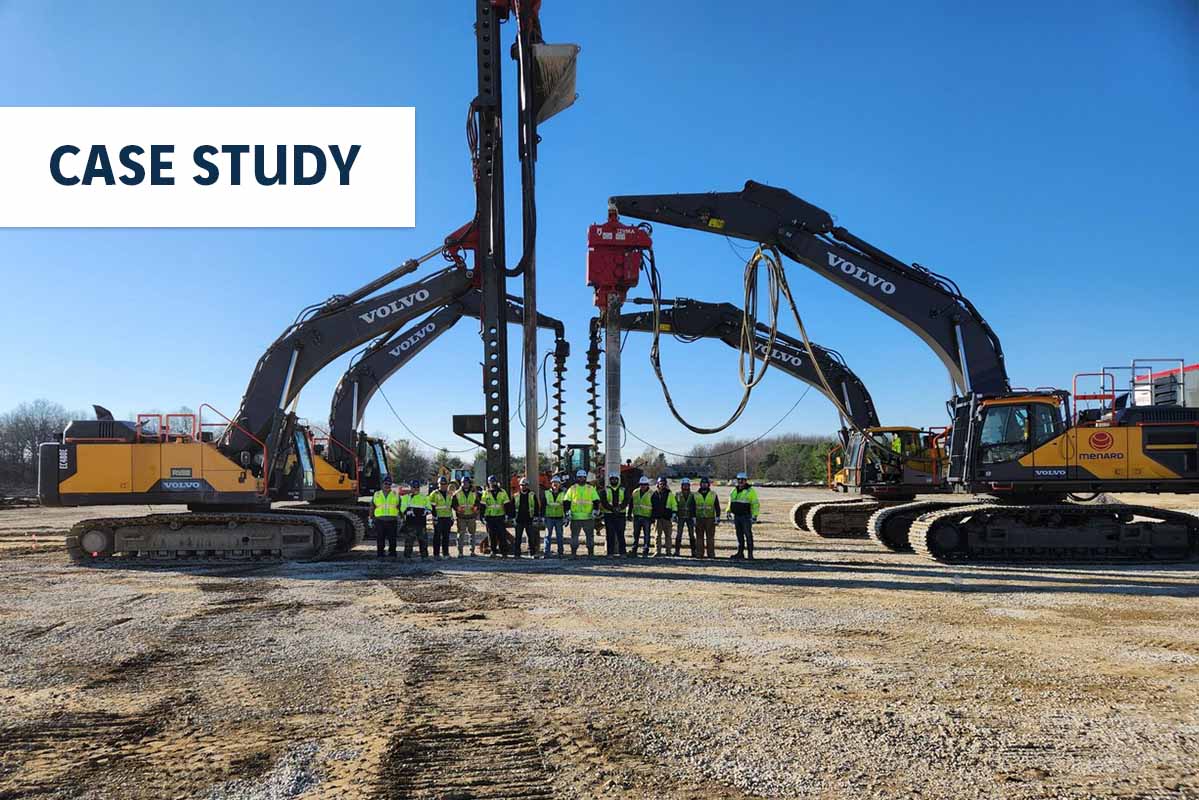
Given our experience and expertise in soil mixing, Menard provided technical assistance by supplying mixing equipment to the confidential client, including a drill rig, operated and maintained, and mixing auger, along with miscellaneous support equipment.
Ground Conditions:
The treatment zone was limited to 20 ft below the ground surface and consisted of a silty clay with gravel. Below the silty clay was a dense sandy clay.
Solution:
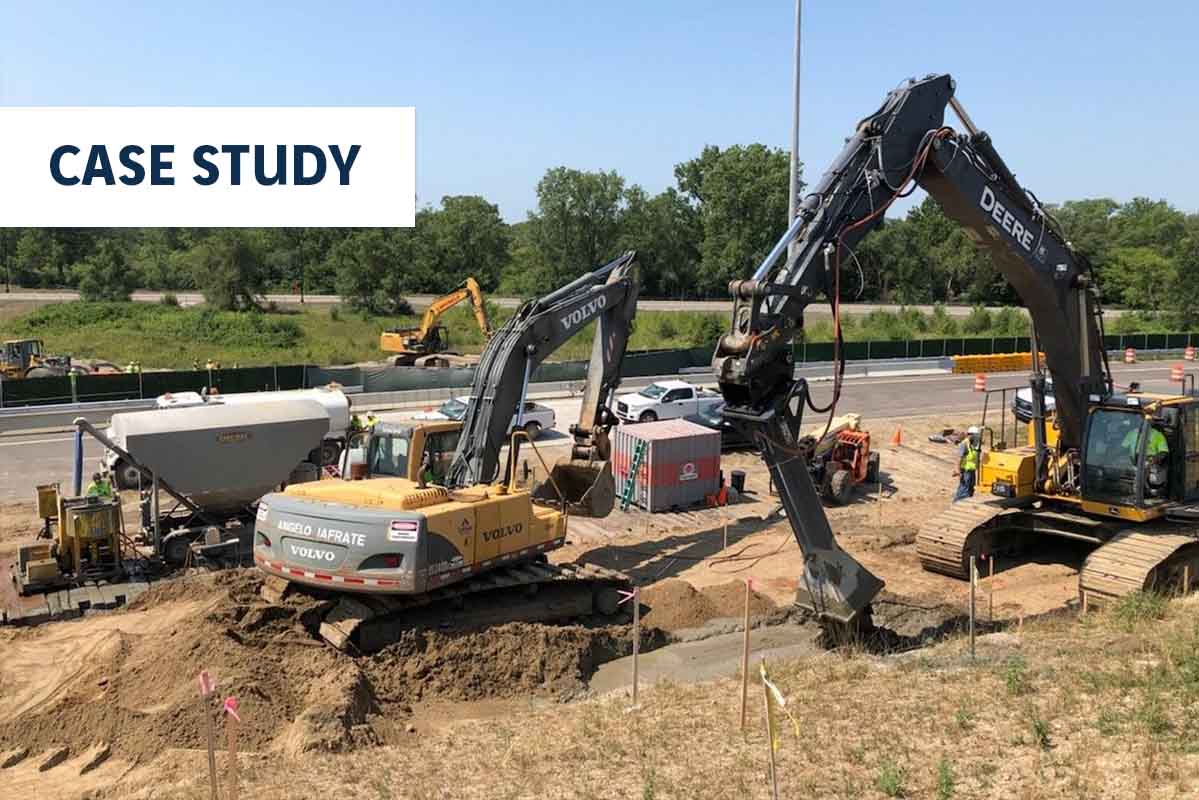
Soil mixing is the mechanical blending of in-situ soils with reagent materials and admixtures. The additives are thoroughly mixed with the soil, providing a homogenous blend of soil and the admixture. Depending on the type of admixture, soil mixing can increase stiffness and strength, improve bearing and settlement characteristics, and reduce permeability. This technique can also be effective in mitigating the risk of liquefaction, supporting and enhancing stability of earthen embankments, dams and levees, creating stable working surfaces and reducing the concentrations and binding contaminants within soils.
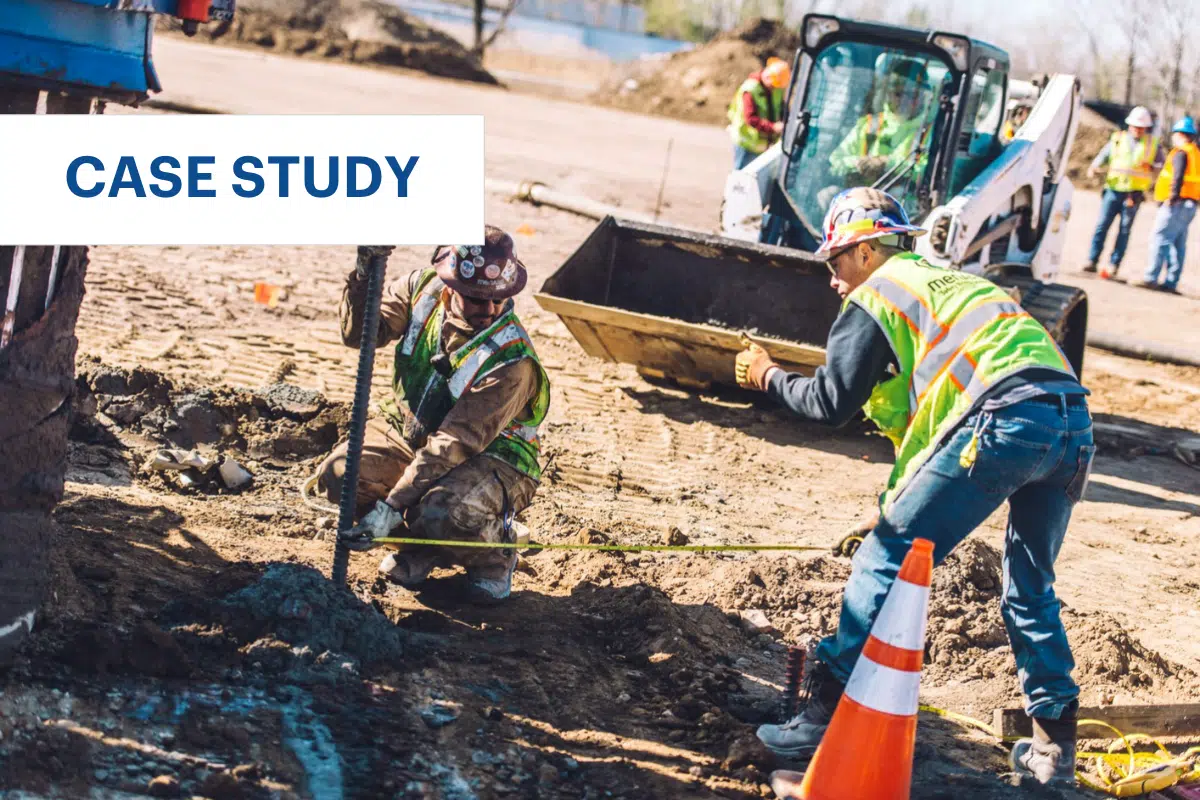
On this project, soil mixing was selected because it provided sufficient energy to thoroughly mix the reagent into the clayey soils. The contaminants included toluene, di-nitro-toluene, and benzene and were treated with hydrogen peroxide and persulfate. The reagent did not possess hydrating properties; therefore, it did not cure as would a cementitious material. With a sufficient amount of water injected into the soil, it required all work to be completed from crane mats, which slowed productivity. Moreover, the contaminant emitted volatile vapors at times, necessitating the soil mixing rig operator to wear OSHA Level C protective gear. The site required approximately 5,000 cubic yards of treatment to a depth of 20 ft below the working surface.
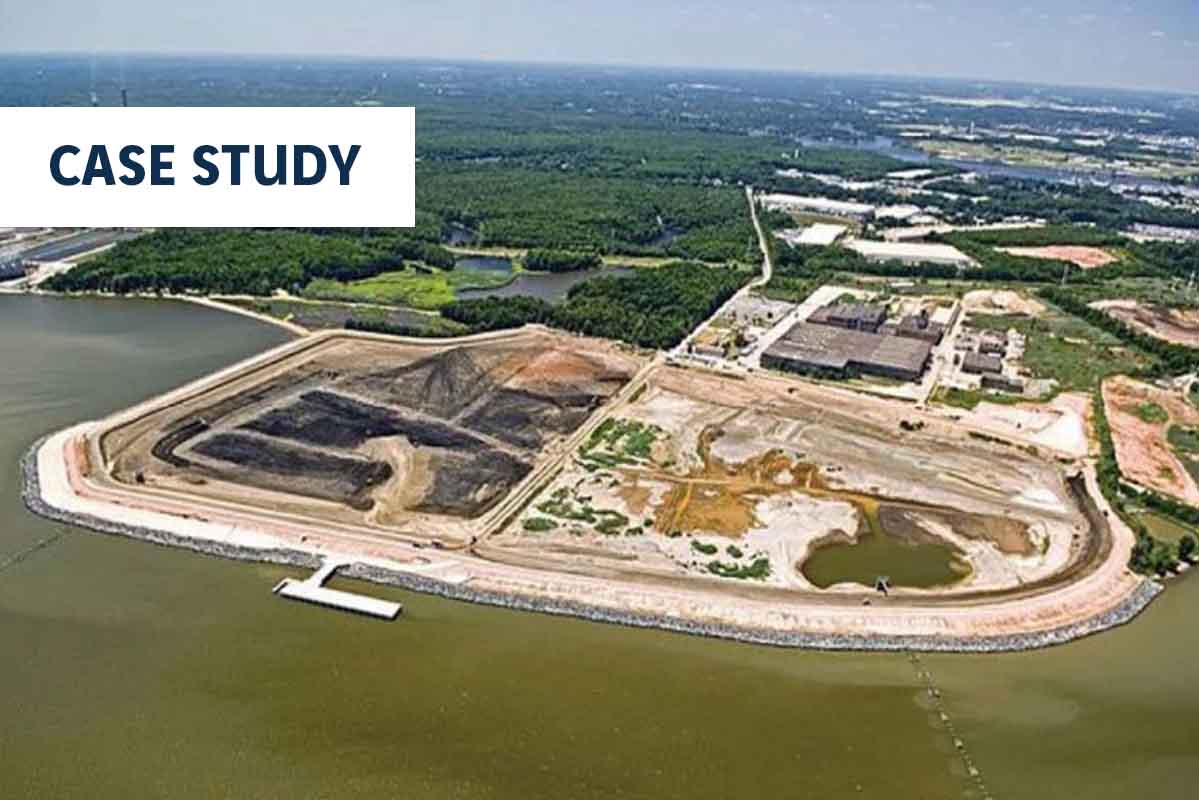
To remediate a section of contaminated ground at a manufacturing plant, Menard Group USA provided its expertise in soil mixing as part of a pilot study to determine if the proposed reagent would reduce the concentration of contamination in the soil. The successful project met the confidential client’s requirements for quality, safety and schedule.
Print this resource